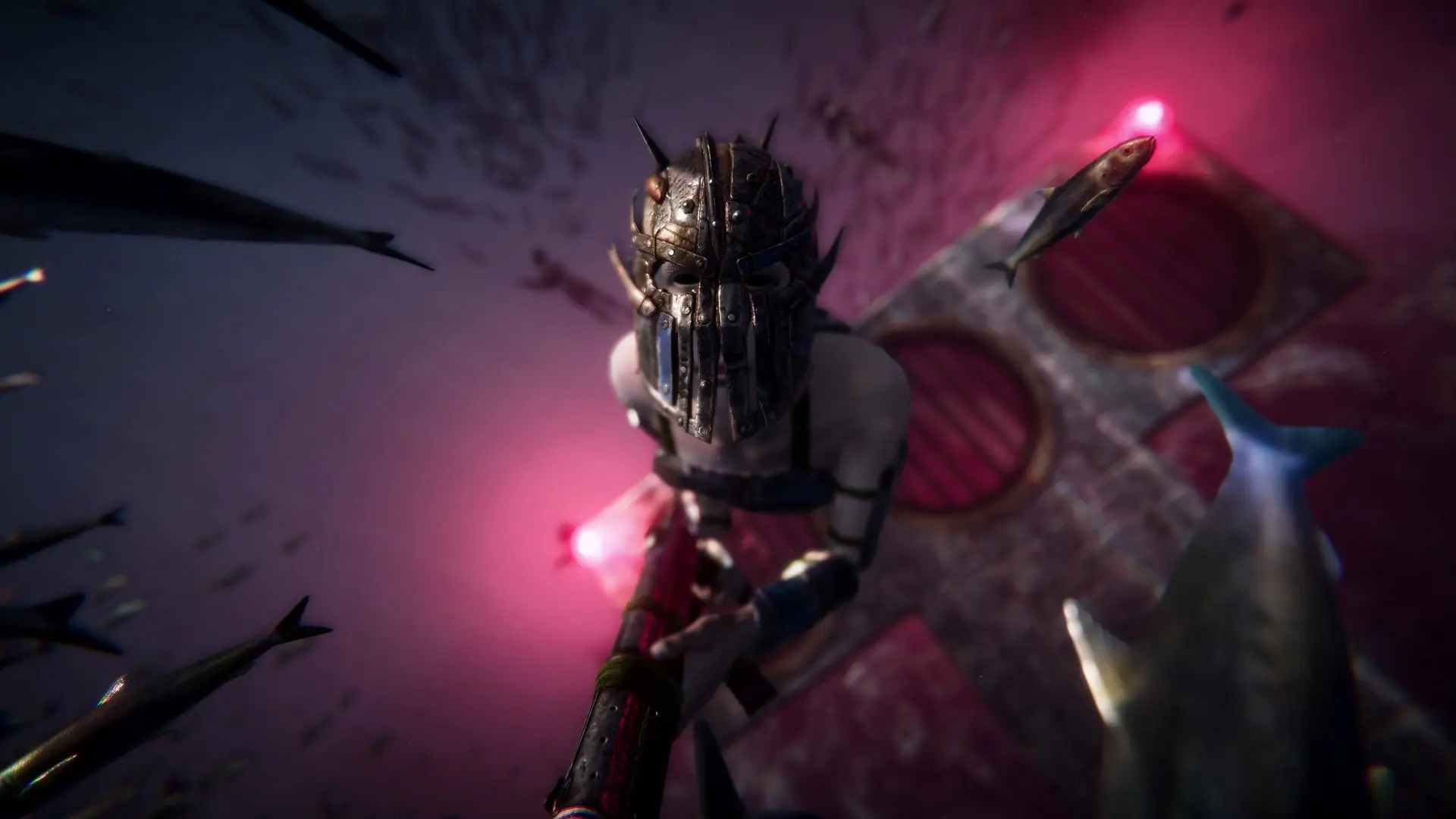
Below the surface of a ruined Earth lies Anchor, a massive underwater survival game where over 150 players dive into the deep to craft, build, and outlast both nature and each other. Set after a nuclear disaster forces humanity beneath the waves, Anchor fuses large-scale multiplayer gameplay with gritty sci-fi storytelling, all in a persistent ocean world that never stops moving—even when its players log off.
A drowned world built on the bones of catastrophe
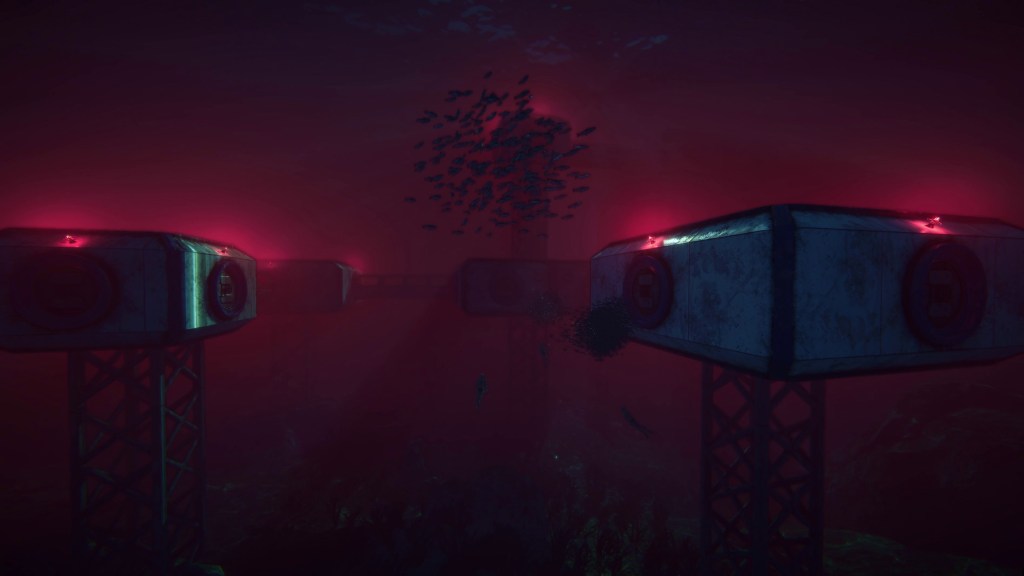
The premise is simple but bold. After nuclear fire scorched the surface, humankind retreated to a specially engineered region deep underwater known as The Anchor. Here, life clings to existence through genetic modification. Players take on the role of these altered survivors—humans reshaped by science to breathe water, withstand pressure, and adapt to deep-sea life. What begins as a struggle for survival becomes a race for dominance in an alien world built from the ruins of the old one.
Set entirely beneath the ocean’s crushing surface, Anchor trades forests and deserts for reefs and trenches. This aquatic survival game asks players to gather resources, craft gear, and construct underwater bases—all while navigating a living ecosystem that feels just as dangerous as it does beautiful. It’s not just about staying alive—it’s about carving out space in a world that never wanted you there.
A living online ocean where over 150 survivors fight for their place
Anchor isn’t just big—it’s persistent. With support for more than 150 players per server, its world doesn’t pause when someone logs off. Structures remain standing or get raided. Resources grow scarce or shift location. Alliances hold—or break apart while their members sleep. Every player helps shape this oceanic sandbox, which means every session brings something new.
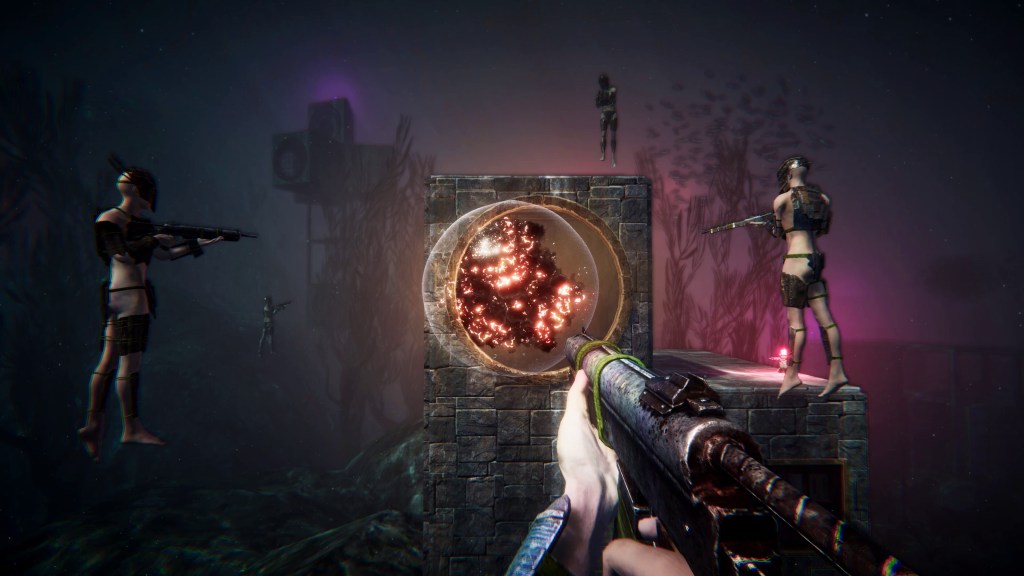
This dynamic creates tension beyond simple PvP. Dozens of players may form tribes or go solo—but either way, shelter must be secure and alliances must be strong. A base left unguarded might be flooded or stolen. And trust? That sinks faster than oxygen tanks when greed enters the mix.
Back when similar games like Rust dominated servers with chaotic faction wars, one player remembers spending hours building an elaborate fortress only to return from school and find it razed by explosives from a rival tribe. The idea that Anchor’s servers never sleep evokes those same thrills—and dangers—with even higher stakes beneath miles of seawater.
A vast ocean map packed with biomes begging to be explored
The game’s open world stretches across 16 square kilometers of varied seascapes—from jagged volcanic ridges to glowing coral gardens and icy arctic shelves teeming with secrets. Each biome offers different materials for crafting and new terrain challenges to overcome.
Rocky zones provide minerals needed for sturdy base foundations but are often exposed—easy targets for raids or predators lurking in shadows. Coral regions allow clever concealment among colorful reefs but make construction harder due to uneven ground and limited visibility. The Arctic regions bring unique resources frozen in ancient ice along with new environmental hazards: currents stronger than most submersibles can handle and temperatures low enough to freeze lungs if suits fail.
This diversity forces players to adapt their strategies constantly. A base safe in coral might crumble under glacial pressure elsewhere—and those who explore farthest may return rich… if they return at all.
The sharks don’t patrol—they hunt
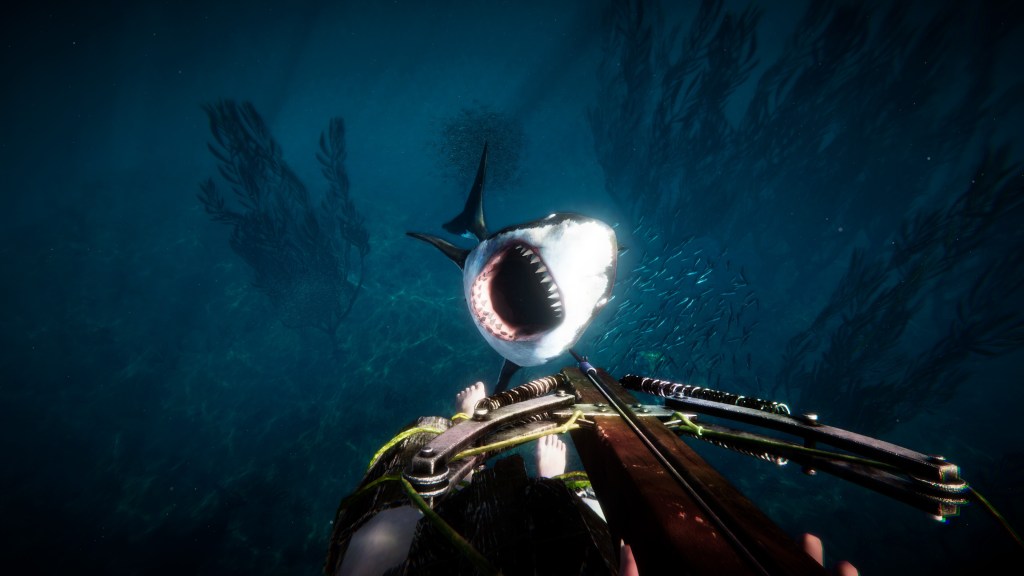
Unlike typical enemy AI that roams preset paths or guards fixed zones, Anchor’s shark system mimics real-world behavior with terrifying accuracy. These apex predators don’t just attack anything nearby—they stalk prey through blood scent trails and movement patterns.
If another player bleeds during combat nearby—or worse, if one dies—the nearest sharks will swarm toward the scent like missiles locked onto heat signatures. Staying still might save your life; flailing could sign your death warrant.
This predator logic creates thrilling uncertainty on every dive. Sharks aren’t territorial—they’re opportunistic killers drawn by hunger and soundwaves across kilometers of open water. Their presence adds another layer of strategy: do you risk drawing attention by mining loudly or play it slow while swimming past one?
One playtester recalled narrowly escaping death when blood from a harpooned fish attracted not one but three sharks mid-resource run—forcing them into tight reef tunnels barely wide enough for passage as sonar pings echoed behind them like war drums.
Crafting gear and building homes beneath crushing pressure

To survive here means mastering resource management in ways deeper than usual survival games allow—literally and mechanically. From salvaging scraps along shipwrecks to harvesting rare flora near hydrothermal vents, every piece feeds into crafting systems used to make tools, suits, weapons, and modules necessary for life undersea.
Bases aren’t optional—they’re lifelines against pressure spikes, aggressive fauna, or enemy raids. Structures can range from simple dome pods embedded in trench walls to sprawling multi-room compounds with reinforced entrances guarded by turrets and traps crafted from scavenged tech.
This system rewards creativity but demands caution: misplacing an airlock could mean drowning everyone inside during an attack—or worse—inviting sharks through busted hulls weakened by poor material choices.
Combat above crabs—but far below comfort levels
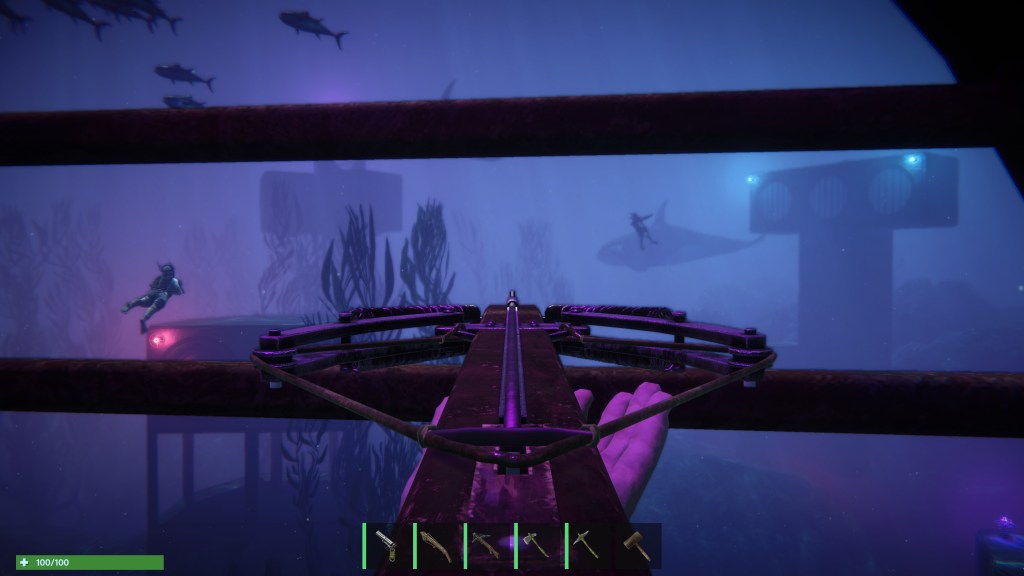
Danger isn’t limited to nature alone. Other players pose as much threat as any shark—and sometimes more so given their tactics evolve just like yours do over time.
PvP raids allow groups to breach player bases using tools or brute force—but stealth also plays a role here too thanks to sonar cloaking systems and hidden current paths used by infiltrators looking for easy loot without detection.
Add in remnants of pre-fall civilizations—ancient automated defense systems left behind in forgotten domes or corrupted AI drones still protecting their long-dead creators—and suddenly every decision becomes risk versus reward calculus dialed up to eleven.
The body may change—but so does what it means to be human
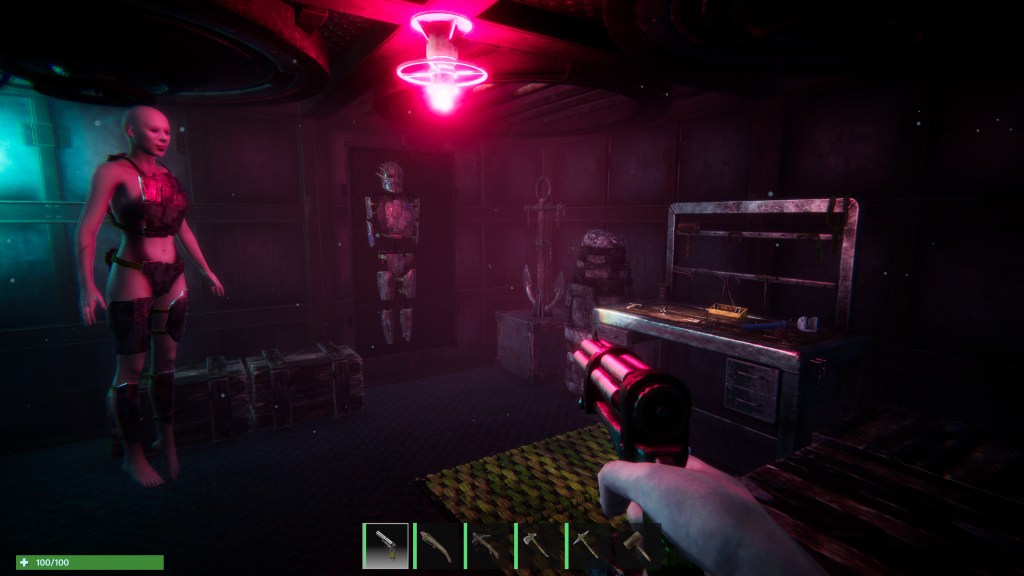
The sci-fi core running through Anchor isn’t just set dressing—it bleeds into every corner of design philosophy. Humanity didn’t simply move underwater; it transformed itself genetically through science gone desperate during Earth’s final days on land.
Players embody these modified beings—capable of breathing water naturally, surviving pressures that would crush submarines, even interfacing directly with old tech designed only for evolved neural networks no longer fully human nor fully machine-compatible either.
This narrative backbone shapes gameplay too—from unique skill trees based on genetic code tuning to cybernetic implants enhancing vision at night or regulating oxygen intake during sprints away from danger zones where air runs thin fast under stress conditions encoded right into suit software systems born from extinct labs buried deep beneath tectonic plates.
When does Anchor come out?
At this time, Anchor has not been given an official release date or confirmed release window by its developers. It will launch exclusively on PC whenever it does surface from development depths—but fans tracking its progress will want gills worth of patience before diving into The Anchor themselves.
The wait may feel long now—but given its ambitious design goals—from realistic predator AI systems through persistent multiplayer oceans filled with betrayal potential—the tides may well bring something truly different when Anchor finally breaks surface tension between concept and reality.
If humanity had one last chance at rebuilding civilization underwater… would anyone deserve the crown down there?
F.A.Q.
What is the main premise of Anchor?
Anchor is set in a post-apocalyptic world where a nuclear disaster has forced humanity to adapt to life underwater. Players take on the role of genetically modified humans who must survive and thrive in a vast, persistent oceanic environment.
How many players can participate in a single server?
Each server in Anchor can host over 150 players, offering a massive multiplayer experience where the world continues to evolve even when players are offline.
What kind of environments and biomes can players explore?
The game features a 16 square kilometer map with diverse biomes such as rocky areas, coral regions, and icy arctic shelves, each offering unique resources and challenges for players to navigate and exploit.
How do sharks behave in the game?
Sharks in Anchor are designed to mimic real-world predator behavior. They are not territorial but are attracted to blood and movement, creating dynamic and unpredictable encounters that add depth to the gameplay.
What types of gameplay elements are featured in Anchor?
Anchor combines player versus environment (PvE) and player versus player (PvP) elements. Players must survive against environmental threats, including realistic predator systems, while also defending against raids from other players.
What makes Anchor different from other survival games?
Anchor stands out due to its large-scale, persistent multiplayer environment, dynamic ecosystem with realistic predator behavior, and a rich sci-fi narrative that influences both the gameplay and world-building.
When will Anchor be released?
As of now, there is no official release date for Anchor. It is set to launch exclusively on PC, but an exact release window has not been confirmed by the developers.