The Roman Empire is rising again, but this time it’s in the hands of players with a sharp mind for city-building and a taste for political power. Anno 117: Pax Romana is Ubisoft’s latest dive into historical strategy, set during the peak of imperial glory in 117 AD. With rich environments, deep decision-making, and a healthy dose of Roman drama, this isn’t just another city-builder—it’s a full-scale empire management challenge with roads paved in politics and ambition.
Shape history as a Roman governor in the golden age of empire

Anno 117 sets its scene during Pax Romana—the long stretch of peace and prosperity that marked Rome’s height under Emperor Trajan. This was no sleepy golden age, though. Trade routes sprawled across continents, legions kept order from Spain to Syria, and governors held immense power over distant provinces. That’s where players step in—as one such governor entrusted with building thriving cities while keeping Rome happy… or not.
Ubisoft Mainz, the minds behind Anno 1800, have shifted from steam engines to sandaled sandals. But the developer’s knack for weaving real history into complex systems remains untouched. The game blends traditional city-building with empire-scale strategy—managing provinces like Latium or Albion while navigating shifting tides of culture and control. It’s not just about bricks and aqueducts; it’s about how power flows through them.
Govern territories from sunny Latium to misty Albion
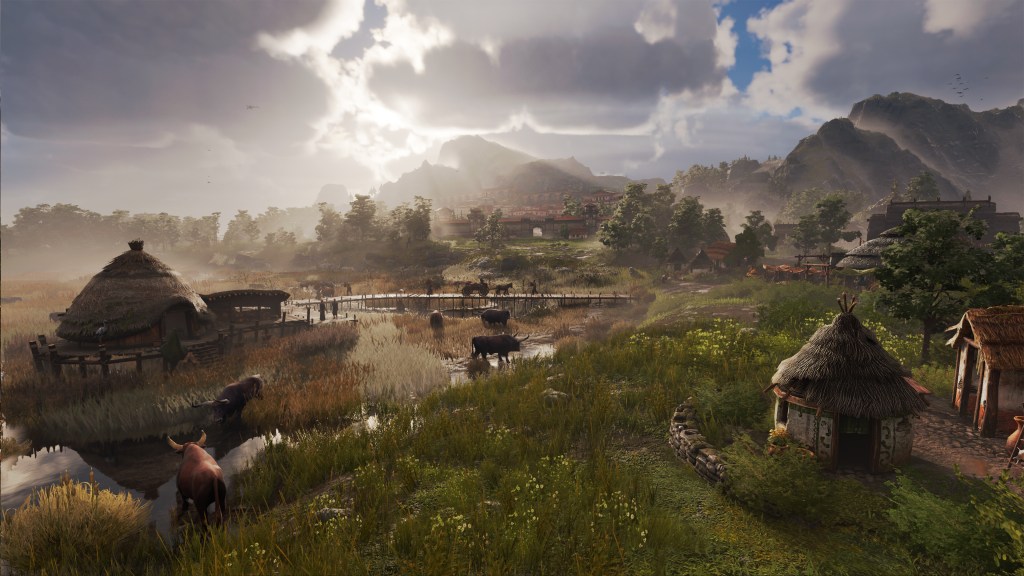
Each province feels like its own puzzle box. Latium offers fertile farmland and sun-soaked stability—perfect for laying down grand marble forums or expanding trade hubs. But head north to Albion and things get a bit muddier. The Celtic wetlands bring weathered forests, stubborn locals, and terrain that laughs at Roman road builders. Managing both provinces means adapting strategies that match their people as well as their soil.
This difference plays out not just in visuals but in how cities grow and challenges emerge. A player who breezes through building up Latium might hit resistance when trying to tame the wild edges of Britannia. One moment it’s all olives and amphorae; next thing they’re negotiating with tribal chieftains who think Roman taxes are best served with a side of rebellion.
Choose between wealth, war, or wheeling-and-dealing diplomacy

If strategy games were board games, Anno 117 would be three rolled into one—and all roads lead to different empires. Players can chase economic greatness by mastering trade routes and supply chains that stretch across seas. Or they can build a military machine worthy of Caesar himself, marching on foes who dare challenge imperial might.
Diplomacy isn’t just flavor text here—it’s a valid path to power. Build alliances, negotiate treaties, or stir up rivalries between neighboring factions. One clever deal could save thousands of denarii—and hundreds of soldiers’ lives down the line. Every choice tweaks the balance of power across the empire like shifting tiles in a mosaic.
During an early hands-on preview session with Albion’s soggy frontier map, things got dicey fast after pushing too hard on taxation without sweetening it with cultural appeasement. Rebellion broke out like wildfire—and suddenly those peaceful farms were flaming reminders that every action has consequences.
Bend the knee to Rome—or plot your own path
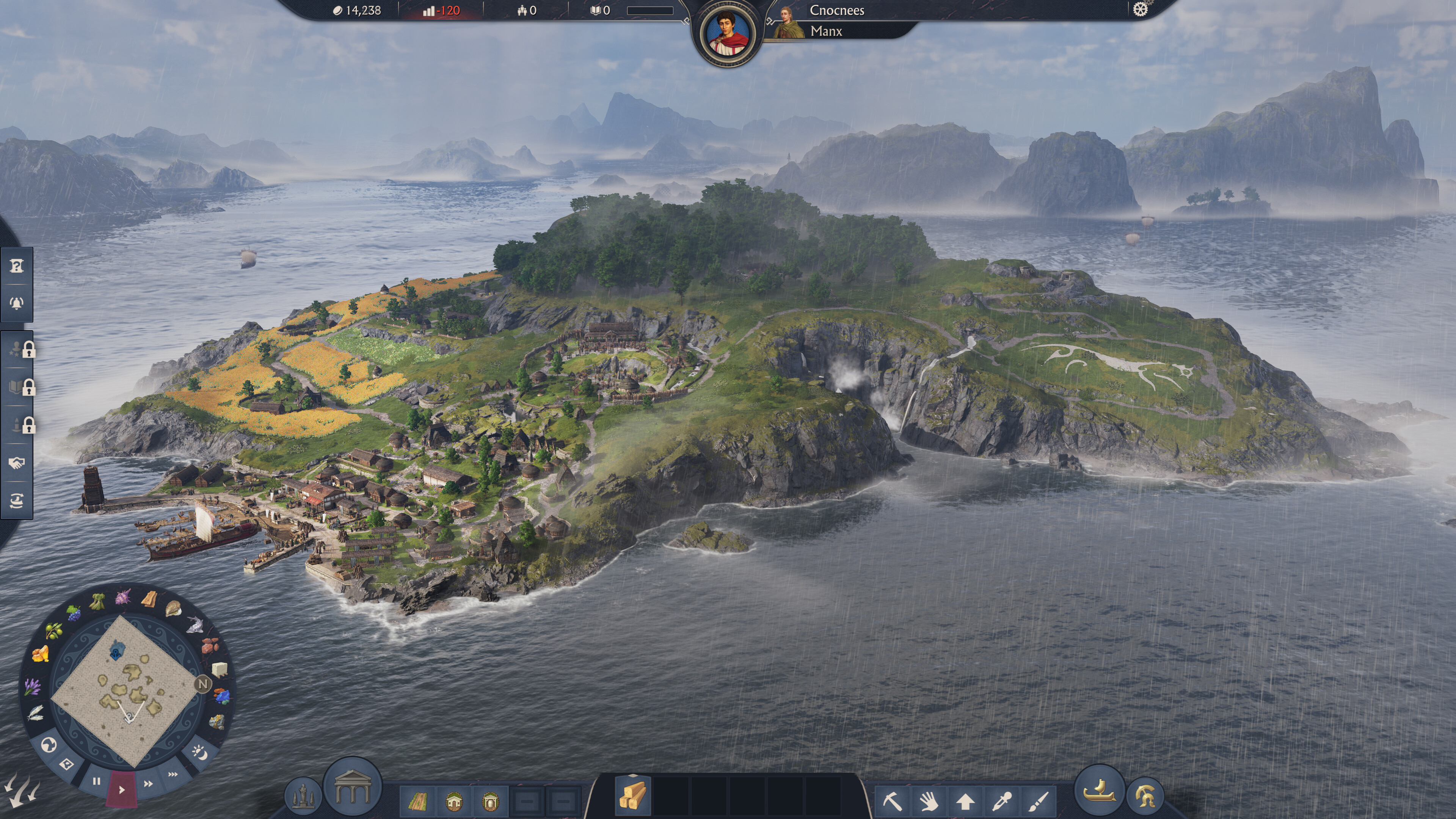
One twist in Anno 117’s toga-draped tale is how much freedom players have when it comes to loyalty. Governors can follow Rome’s laws to the letter—or start asking dangerous questions about independence. Maybe those legions sent from the capital are less “protective” and more “nosy.” Maybe local rulers deserve more say over their own lands.
This kind of political agency isn’t just window dressing—it seeps into every decision players make. Push too far for autonomy and Rome might send “advisors” who bring swords instead of scrolls. But play along too passively, and regional support might crumble under imperial pressure.
This constant tug-of-war adds tension even when cities are thriving on paper. Just because everything looks great from above doesn’t mean trouble isn’t brewing below street level—or behind closed villa doors.
Watch your Roman cities buzz with life thanks to detailed simulations

The heart of any Anno game lies in its cities—and here they’re more alive than ever before. Citizens roam streets lined with columns; gladiators train in dusty arenas; market vendors shout deals while children chase each other past stone fountains.
The level of detail is almost theatrical—every district pulses with activity based on decisions made higher up the chain of command. Build a bathhouse too far from housing? Watch morale dip faster than wine at Saturnalia festivals.
This realism helps turn each city into more than just numbers on screen—it becomes something worth protecting (or exploiting). From aqueduct placement to supply logistics across mountain passes, it’s clear every cobblestone counts.
Balance bread baskets with battalions in true imperial fashion
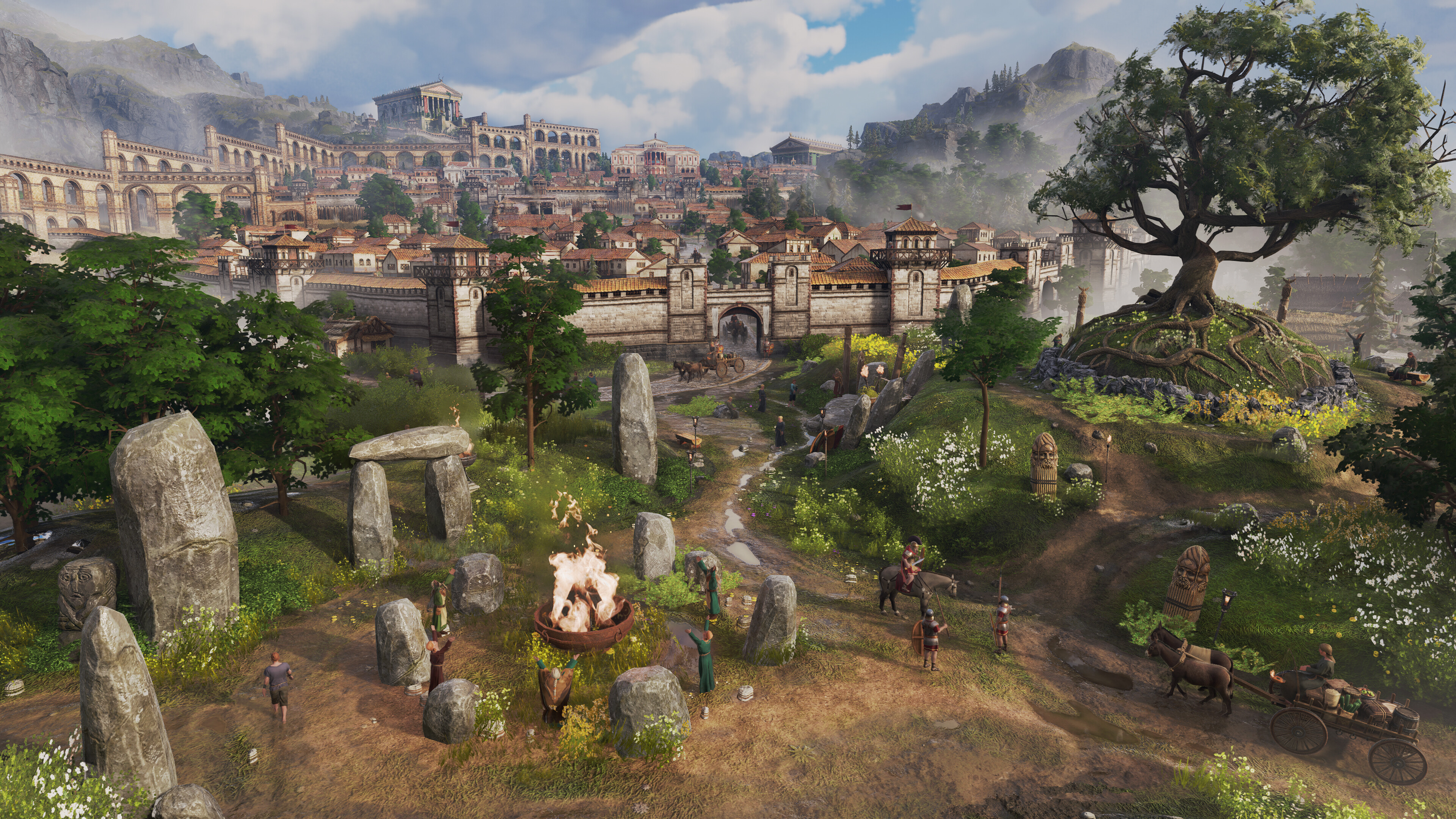
The trickiest part isn’t building beautiful cities—it’s keeping them fed, safe, and growing all at once. Economic demands bump against military needs while diplomatic priorities muddy every choice like spilled ink on parchment maps.
Players juggling grain production for local diets might find themselves cutting corners on defense spending—until raiders remind them why Rome had walls thicker than egos at Senate meetings.
An early campaign run saw heavy investment into olive oil trade yield massive profits—but left border defenses thin enough that bandits stormed right through an unguarded pass outside Mediolanum before local forces could regroup.
Dive deep into Roman politics with strong story-driven missions

This isn’t a game where story takes a back seat to spreadsheets. The political tale weaving through Anno 117 adds depth that’s rare for city-builders focused mainly on mechanics over meaning.
Players will find themselves caught up in conspiracies inside the Senate chambers or receiving secret messages urging them toward rebellion—or betrayal. These aren’t just scripted events tossed between chapters; they’re choices embedded directly into gameplay rhythms.
The developers have taken extra care to make sure every major political shift feels earned through gameplay rather than forced by cutscenes alone. That means when someone finally dares defy Rome itself… it hits hard because players helped get there brick by brick.
A beautiful empire backed by serious hardware demands
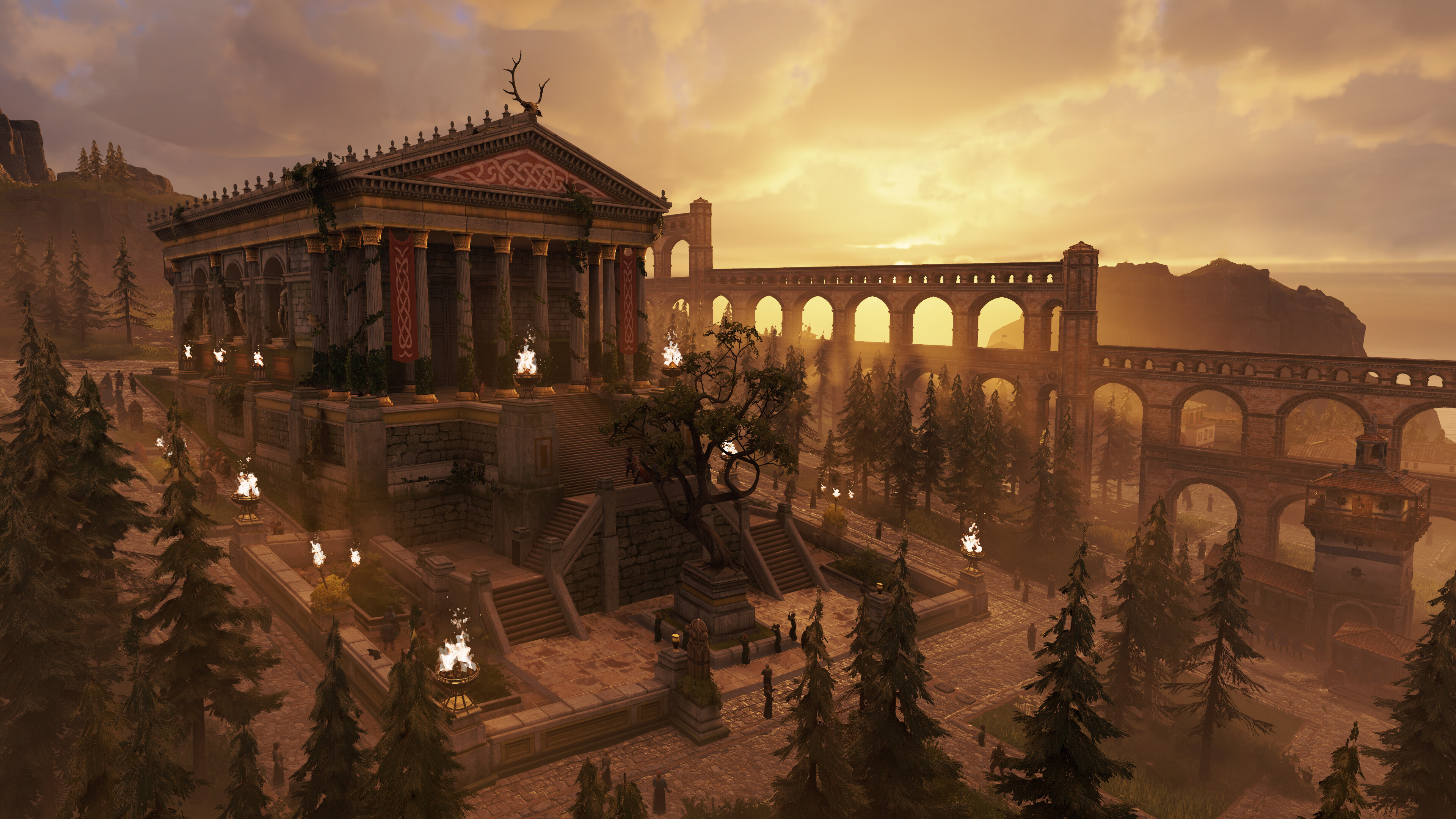
All this richness doesn’t come cheap—not when it comes to PC specs anyway. Anno 117 requires an AVX2-supportive CPU just to boot up properly alongside a hefty 117GB SSD install size that’ll make even seasoned builders raise eyebrows (and maybe clear some space).
The upside? When running on solid gear, the game sings like a lyre at sunset—detailed shadows sweep across temple rooftops while water reflections ripple beside docks bustling with cargo ships loaded for provinces afar.
The visuals aren’t just pretty—they reinforce immersion by making every action feel grounded inside living history rather than floating above it like some spreadsheet simulation draped in marble textures.
When does Anno 117: Pax Romana come out?
Anno 117: Pax Romana launches worldwide on November 13, 2025, for PlayStation 5, Windows PC, and Xbox Series X/S consoles. PC players can jump in early at 3 PM PT on November 12, while console gamers gain access starting midnight local time.
A new kind of strategy builder built on stone foundations and shifting loyalties
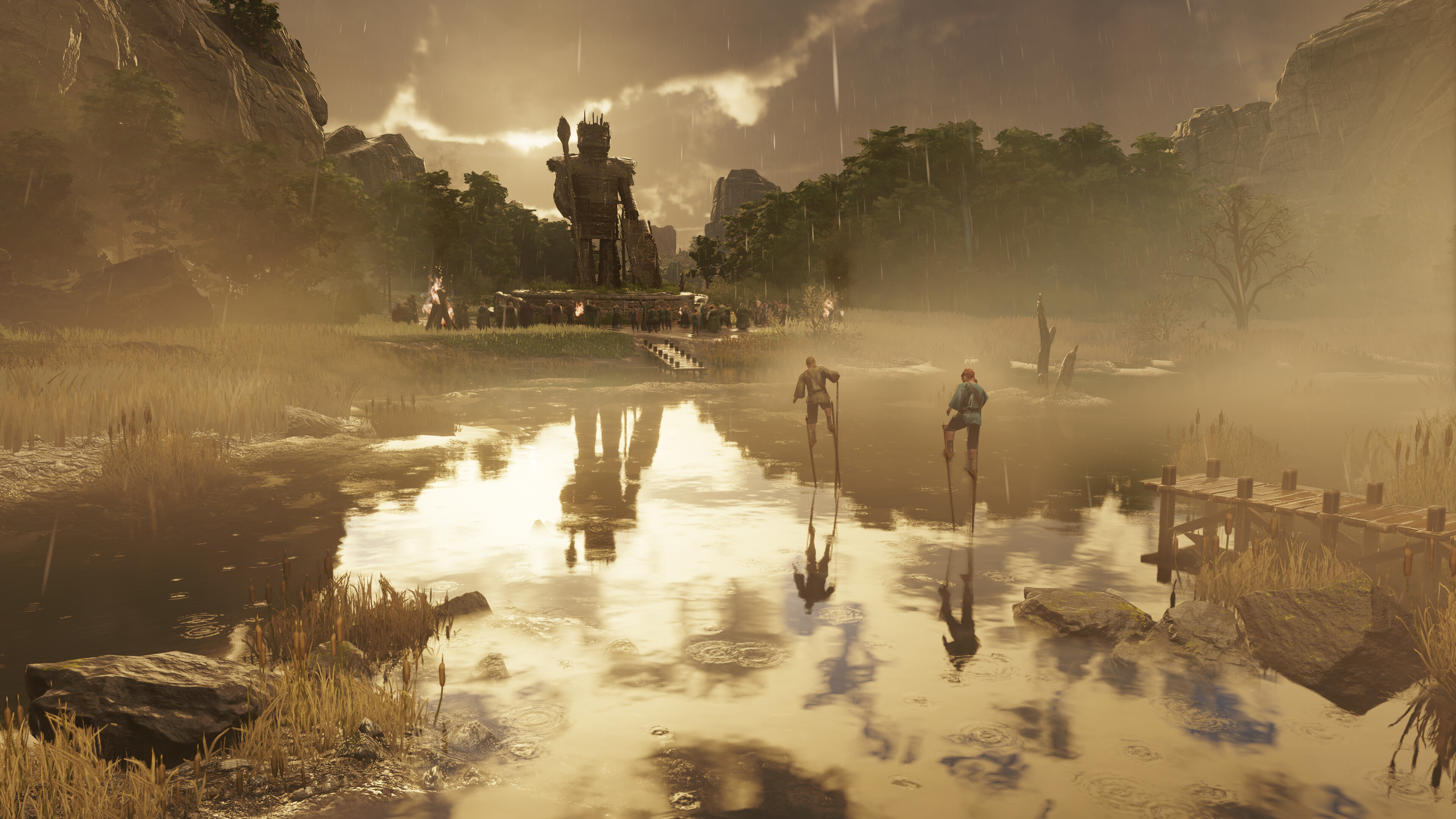
If previous Anno games felt like sandbox playgrounds wrapped around trading posts and warehouses, Pax Romana sharpens that formula into something sharper—more blade than block tower now—with layered decisions echoing across regions like footsteps down tiled corridors toward destiny (or disaster).
This entry doesn’t just ask players how well they can build—it dares them to decide what kind of leader they’ll become once their foundations stand tall enough to cast shadows over history itself.
So then: will those shadows be cast under Rome’s watchful gaze… or against it?
F.A.Q.
What is Anno 117: Pax Romana, and when will it be released?
Anno 117: Pax Romana is a historical city-building and strategy game developed by Ubisoft Mainz, set during the Roman Empire’s peak in 117 AD. The game will be released on November 13, 2025, for PlayStation 5, Windows PC, and Xbox Series X/S, with early access for PC players on November 12 at 3 PM PT.
What role do players assume in Anno 117: Pax Romana?
Players take on the role of a Roman governor, managing provinces like Latium and Albion. They make governance choices that impact local culture, economy, and military expansion, with the option to either adhere to imperial rule or challenge it for greater autonomy.
What are the main gameplay elements of Anno 117: Pax Romana?
The game combines city-building mechanics with empire-scale strategy, allowing players to engage in economic management, military expansion, and diplomatic negotiations. Each decision affects the stability and development of the Roman Empire, offering multiple paths to power.
How does Anno 117: Pax Romana incorporate historical elements?
The game is set during the Pax Romana under Emperor Trajan, featuring detailed simulations of Roman cities and landscapes. It integrates historical depth with strategic decision-making, political intrigue, and a narrative that reflects the complexities of ruling a vast empire.
What are the technical requirements for playing Anno 117: Pax Romana on PC?
The game requires a PC with an AVX2-supportive CPU and at least 117GB of SSD storage. These specifications are necessary to support the game’s high-resolution graphics and complex simulations.
Can players choose different strategies in Anno 117: Pax Romana?
Yes, players can pursue economic growth, military dominance, or diplomatic alliances. Each path offers unique challenges and opportunities, affecting the empire’s balance of power and providing a varied gameplay experience with high replayability.
How does Anno 117: Pax Romana enhance the city-building genre?
The game stands out with its immersive visuals, rich historical setting, and strong narrative-driven missions. It offers deep player-driven governance decisions, making it a unique blend of strategy, politics, and city management within the iconic Roman Empire.