Cooking up a storm has never looked this enchanting. Arcane Eats is stirring the pot in all the right ways, blending roguelike deck-building with restaurant management in a cozy fantasy tavern. In this quirky adventure, players become magical chefs juggling spellbound ingredients, rowdy customers, and sizzling stovetops. Set to launch in 2026, it promises a flavor-packed twist on the usual card game fare.
How Arcane Eats turns cooking into a card-based battleground
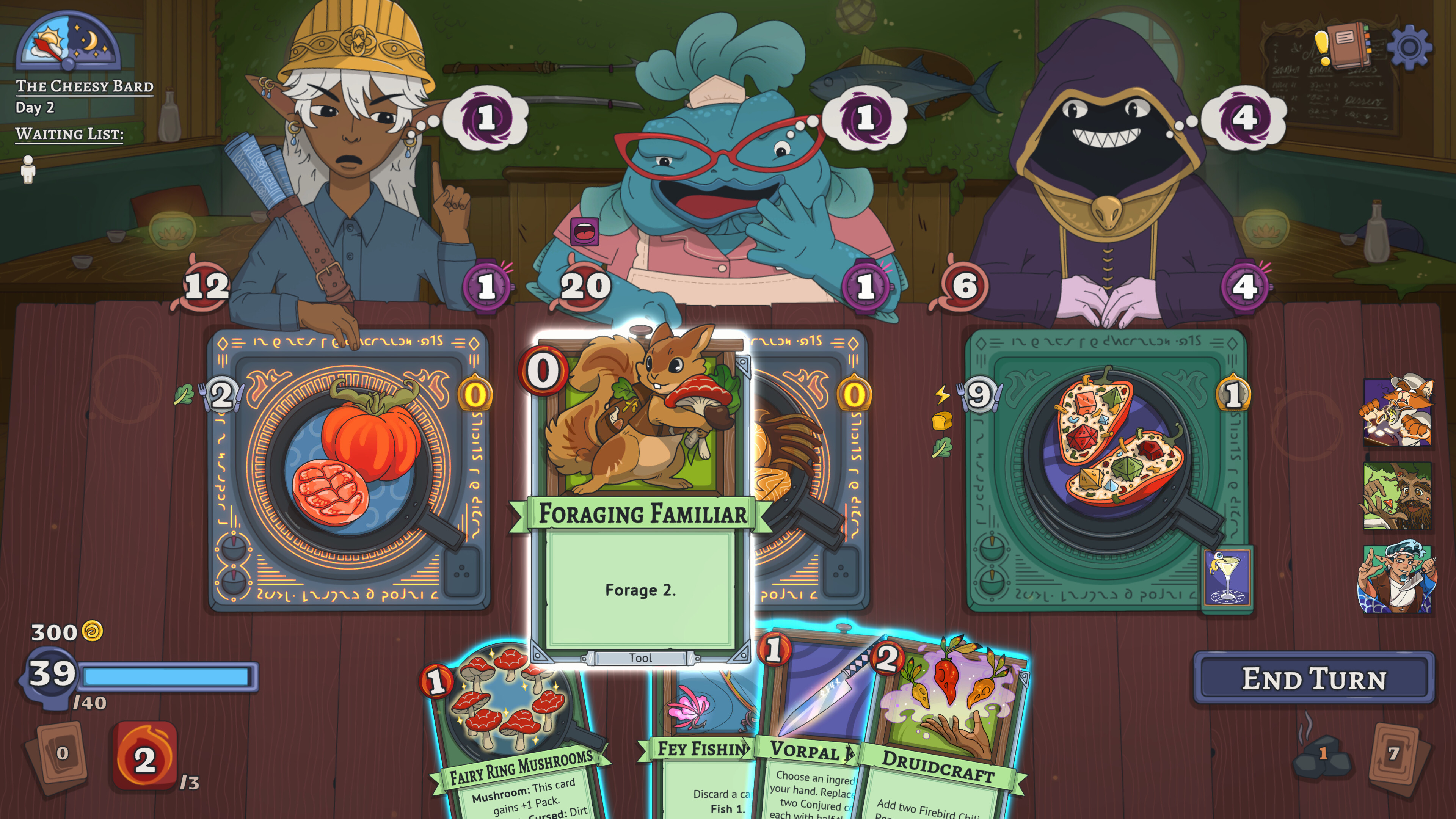
In Arcane Eats, every dish begins with a card. Ingredient cards are the heart of the game, each showing cooking times, flavor types, and how full they’ll make your hungry guests. Players place these cards on enchanted stove tops—small magical platforms that cook ingredients over time. But here’s the kicker: stove space is limited, and bigger combos take longer to finish. That means players must constantly decide between quick snacks and hearty feasts.
It’s not just about what goes on the stove—it’s when and where. A fast-cooking flame root might satisfy one dwarf in seconds but leave an ogre stomping off if his triple-meat stew takes too long. Building multi-card recipes can yield powerful meals with huge point boosts, but only if they finish before your guests lose patience—or worse, snatch food off the stove mid-cook.
The tension feels like juggling flaming meatballs while balancing a tray of soup. Quick thinking matters as much as planning ahead. And if that sounds stressful—don’t worry—the game’s cozy art style and calming music keep things warm even when chaos strikes.
Managing chaos: Cooking time vs customer rage
Every turn in Arcane Eats burns through energy—used to play ingredient cards or activate tools. Customers come in waves and get crankier as they wait. Some grumble quietly; others go full goblin-mode and swipe food right from under your nose if they’re left too long.
That risk-reward loop gives each turn weight. It’s not enough to just build good dishes—you have to read the room (or tavern) and decide who gets fed first. One misstep could send a famous bard storming out mid-ballad or earn you a nasty review from a health inspector who looks suspiciously like a lich in disguise.
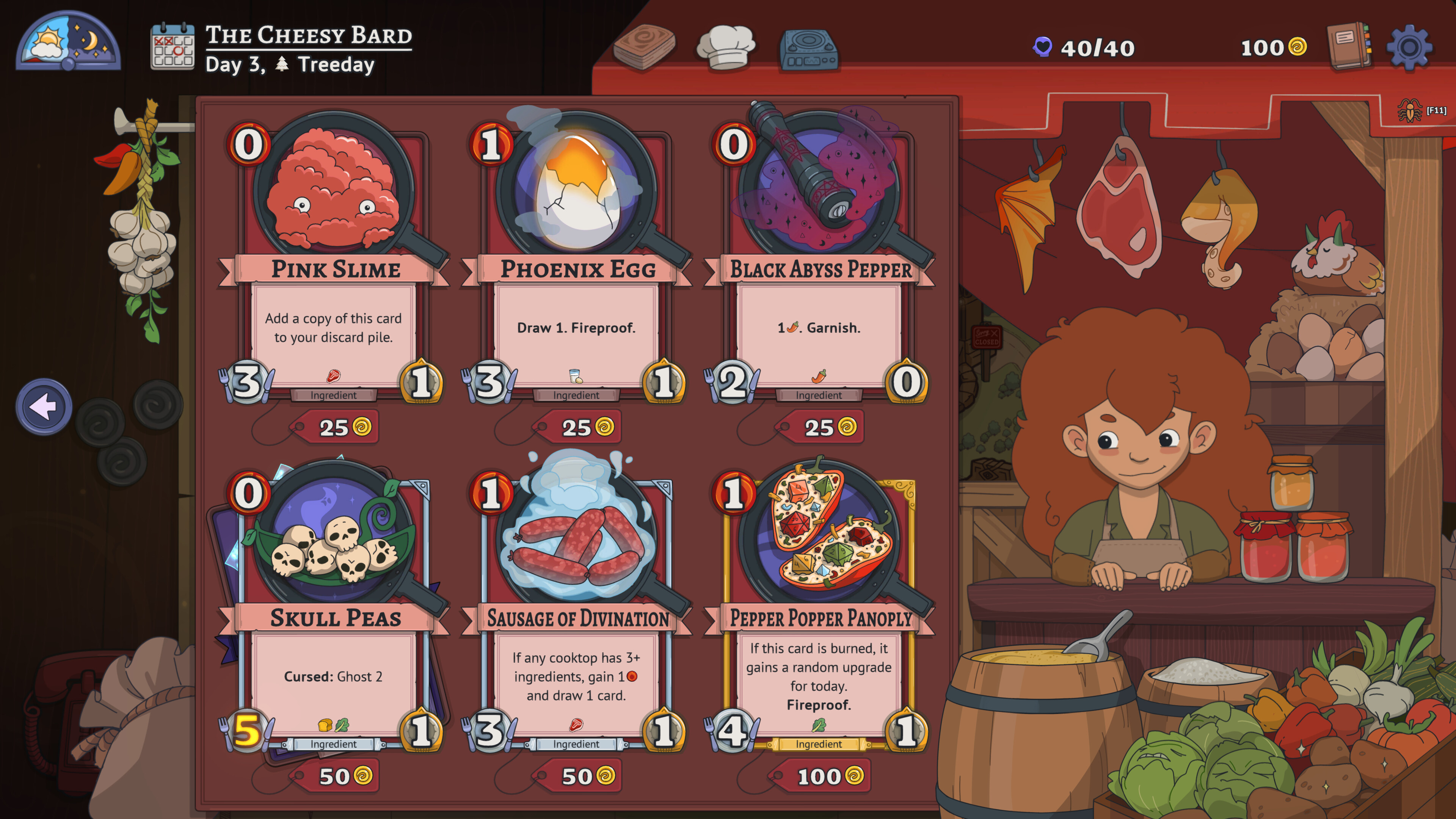
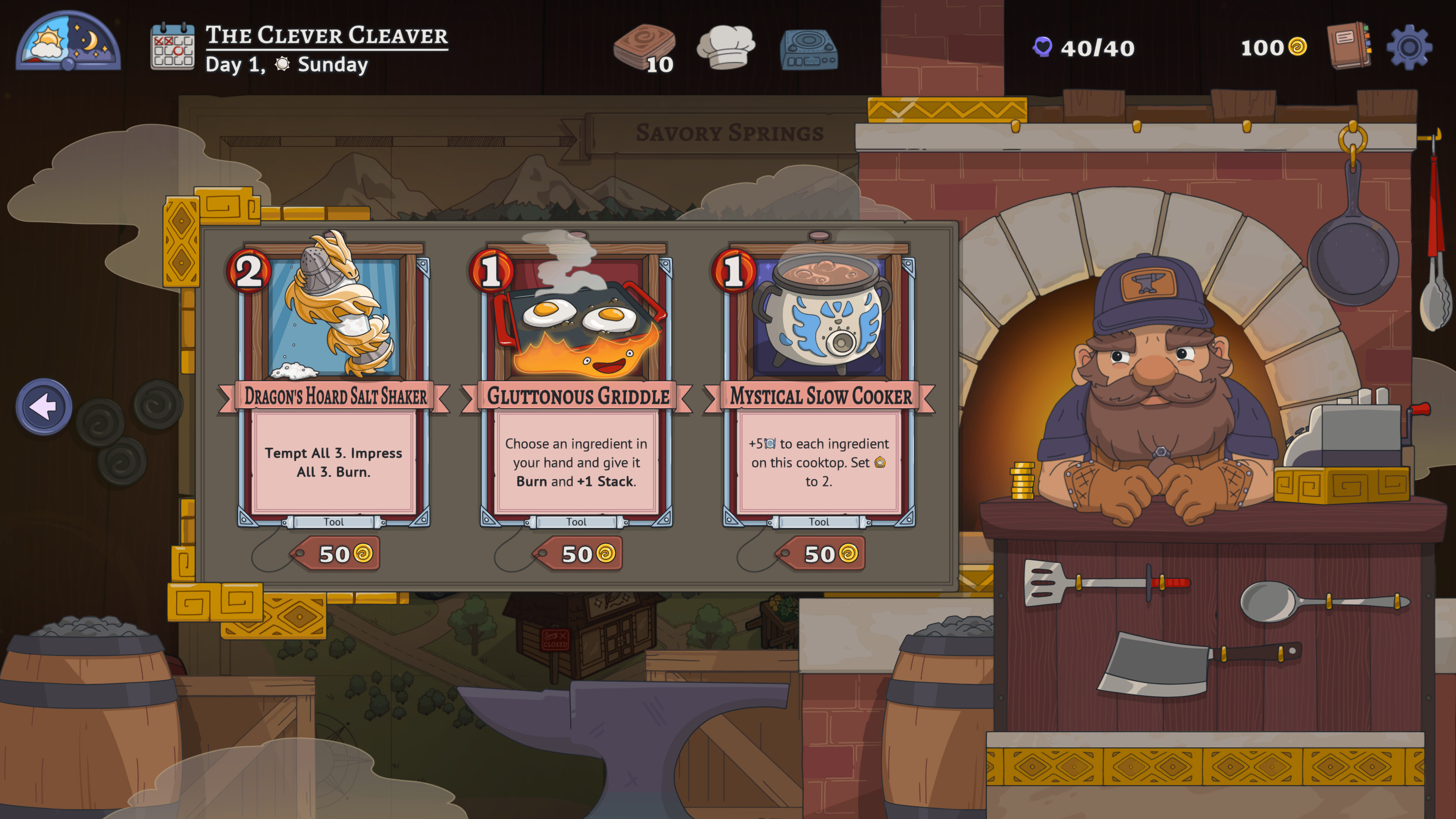
Deck-building adds another layer of spice. Players can buy new ingredient cards or tools between rounds using gold earned from happy guests. Maybe it’s time to trade out that soggy mushroom card for a fire-chili with splash damage—or swap your dull pan for a sizzling wok that speeds up cook times.
This blend of resource management and tactical play echoes classic strategy games but with an apron instead of armor. It’s a combo that hits just right for players who love thinking three steps ahead while still reacting to wild surprises.
A tavern full of dwarfs, orcs, and cosmic foodies

The charm of Arcane Eats doesn’t stop at cooking mechanics—it’s also stuffed with character. The tavern feels alive thanks to its weird and wonderful clientele: dwarfs who crave earthy stews, orcs demanding spicy meats, elves nibbling on herbal pastries, even shimmering beings from other realms asking for “something that sings.”
Each customer type has their own appetite preferences and patience levels. Learning these quirks is key to surviving deep into later rounds when things really heat up. Serving up exactly what someone wants—and doing it fast—can lead to big tips and useful buffs.
Players also choose from different chef characters at the start of each run. Each one brings their own cooking style—some favor fast grilling, others excel at slow-brewed broths or enchanted desserts that charm picky patrons into waiting longer.
Tending more than just pots: Managing your magical restaurant
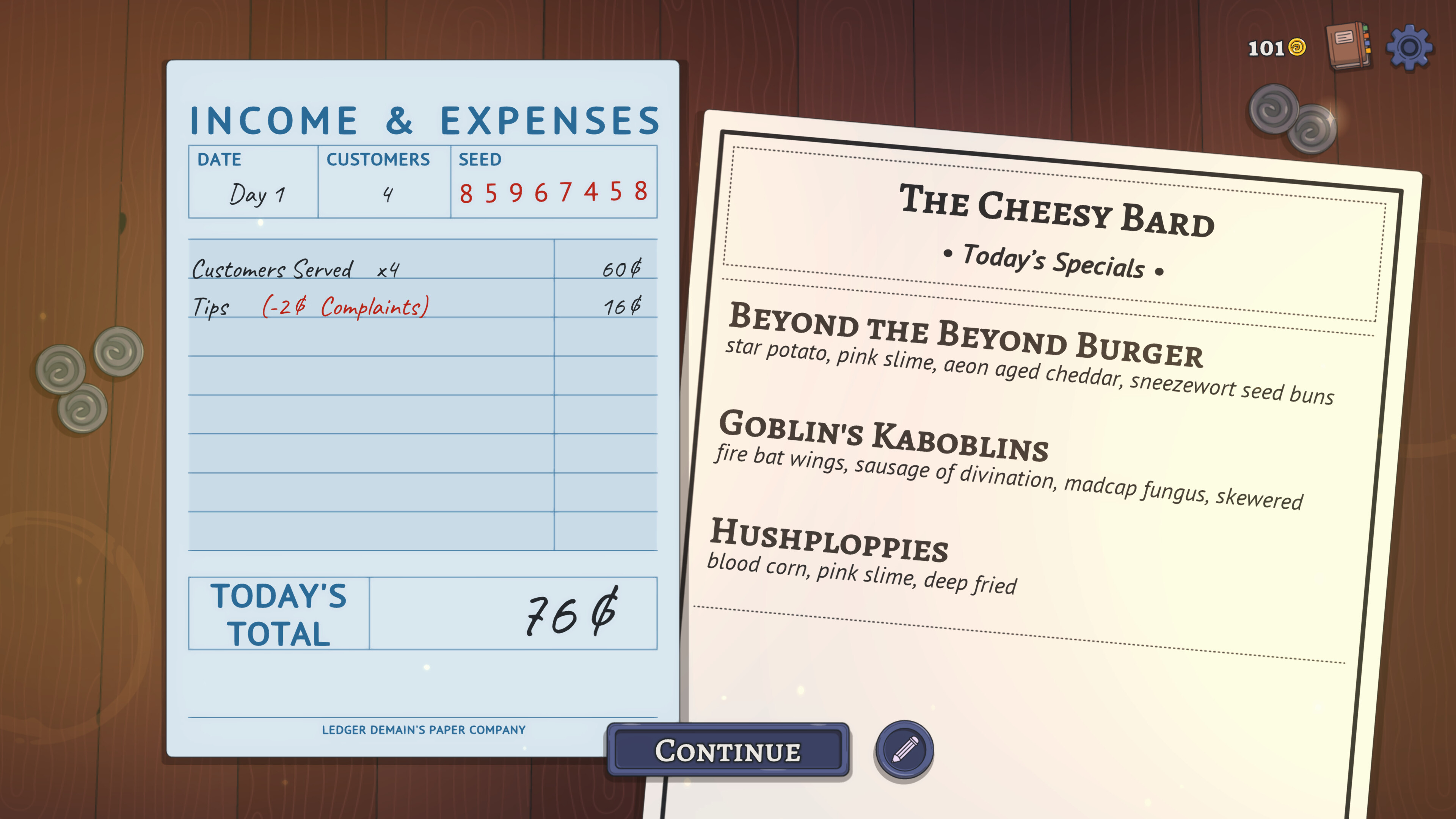
Beneath all the flavor lies something deeper: real restaurant management strategy. It’s not just about feeding folks; it’s about building a system that works under pressure.
Sous chefs and waitstaff can be hired between rounds using earnings from satisfied customers. These helpers improve cooking speed or carry dishes faster across the kitchen floor—saving precious seconds when orders pile up like dirty dishes after dinner rush.
Then there are surprise visits: legendary chefs may drop in for duels, or inspectors might sneak around corners searching for unclean stoves (and let’s face it—no one cleans after serving 12 cyclopses back-to-back). These events shake up gameplay without feeling unfair because they tie directly into how well you’ve built your kitchen team.
The more efficiently you run things behind the scenes, the easier it gets to stay ahead of whatever madness walks through those tavern doors next round.
A roguelike recipe with endless ways to play
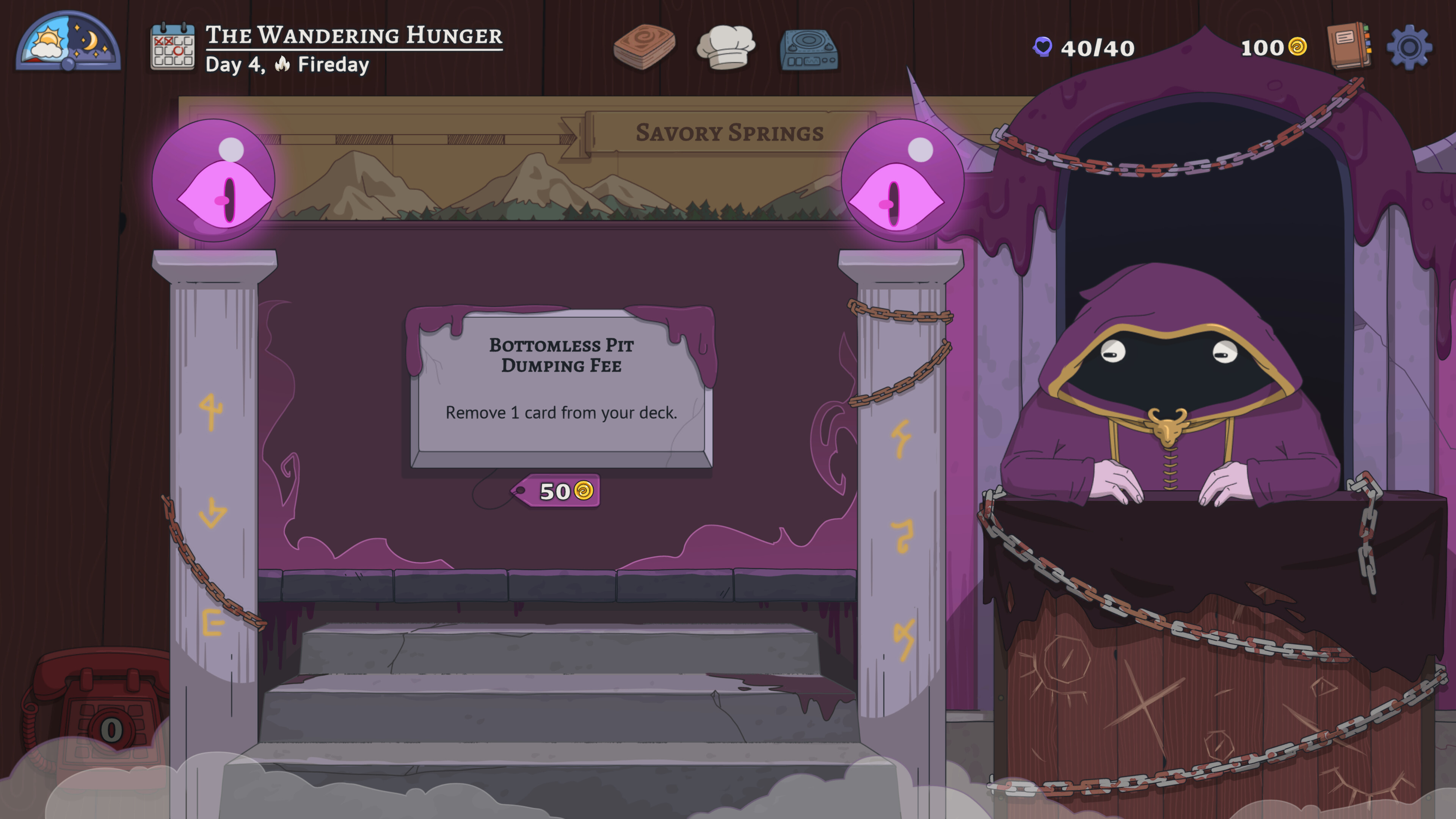
No two shifts feel alike inside this magical mess hall thanks to classic roguelike randomness baked into every session. One day it might be smooth sailing until a surprise phone call introduces an instant blackout round; another run could hand out rare truffle cards early—but only if players survive three angry dragons demanding soup… at once.
This unpredictability makes replaying addictive—not frustrating—as each failed run teaches something new about timing, synergy between ingredients, or how best to prepare for unexpected curveballs tossed by fate (or fussy nobles).
It also keeps strategy fans engaged by forcing them to adjust tactics based on evolving decks rather than memorizing optimal paths. There are no perfect builds here—just great ones adapted on-the-fly amid bubbling broth and flying spatulas.
Even during hectic rounds where everything seems doomed, there’s always room for clutch plays—a perfectly-timed freeze herb slowing down angry customers long enough to finish an epic five-card lasagna combo can turn disaster into triumph in one turn flat.
When does Arcane Eats come out?
The magic kitchen doors open sometime in 2026—with one source pointing toward December 31 as its target date for release across PC platforms via Steam. With its flavorful mix of deck-building fun, quirky fantasy themes, and clever strategic depth beneath cozy visuals, Arcane Eats aims straight at fans of Slay The Spire-style roguelikes mixed with Overcooked-style kitchen chaos.
If managing spells on stovetops while fending off hangry trolls sounds like fun—and let’s be honest—it absolutely does—then keeping an eye on this title is worth it for anyone craving something fresh out of the oven next year.
The real question is: will your kitchen survive when a celestial being asks for eggs over easy… with stardust glaze?
F.A.Q.
What type of game is Arcane Eats?
Arcane Eats is a unique blend of roguelike deck-building and restaurant management. Players act as magical chefs, using ingredient cards to cook dishes for fantasy customers in a cozy tavern setting. The game combines strategic resource management with whimsical fantasy elements.
When does Arcane Eats come out?
Arcane Eats is set to launch in 2026, with reports suggesting a target release date of December 31 across PC platforms via Steam. Keep an eye on its Steam page for updates.
What platforms will Arcane Eats be available on?
Arcane Eats will be available on PC platforms, specifically through Steam. There is no current information about its availability on other platforms or consoles.
Is Arcane Eats a roguelike game?
Yes, Arcane Eats incorporates roguelike elements, including a card-based cooking system with random events and replayability. Each playthrough offers a unique experience due to its roguelike randomness and strategic depth.
Does Arcane Eats have any restaurant management features?
Yes, Arcane Eats includes restaurant management elements. Players hire sous chefs and waitstaff to improve efficiency, manage customer satisfaction, and prepare for surprise inspections and challenges, adding a layer of strategy beyond cooking.
What makes Arcane Eats stand out from other deck-building games?
Arcane Eats stands out due to its unique fusion of deck-building and cooking simulation. The game offers a strategic depth with its card-based cooking mechanics, fantasy setting, and whimsical characters, creating a refreshing twist on traditional roguelikes and deckbuilders.
Does Arcane Eats have co-op or multiplayer features?
The article and research do not mention any co-op or multiplayer features in Arcane Eats. The game seems to focus on single-player strategic gameplay in a fantasy tavern setting.