Most tabletop war games stick to a strict rule: one player takes their turn, then the other. But Bolt Action tosses that rule out the window. Instead of trading turns like a chess match, this World War II miniature game throws everyone’s orders into a single bag, pulls them out randomly, and lets chaos decide who moves next. It’s fast, unpredictable, and feels more like an action movie than a history lesson.
A turn system that shuffles strategy with surprise
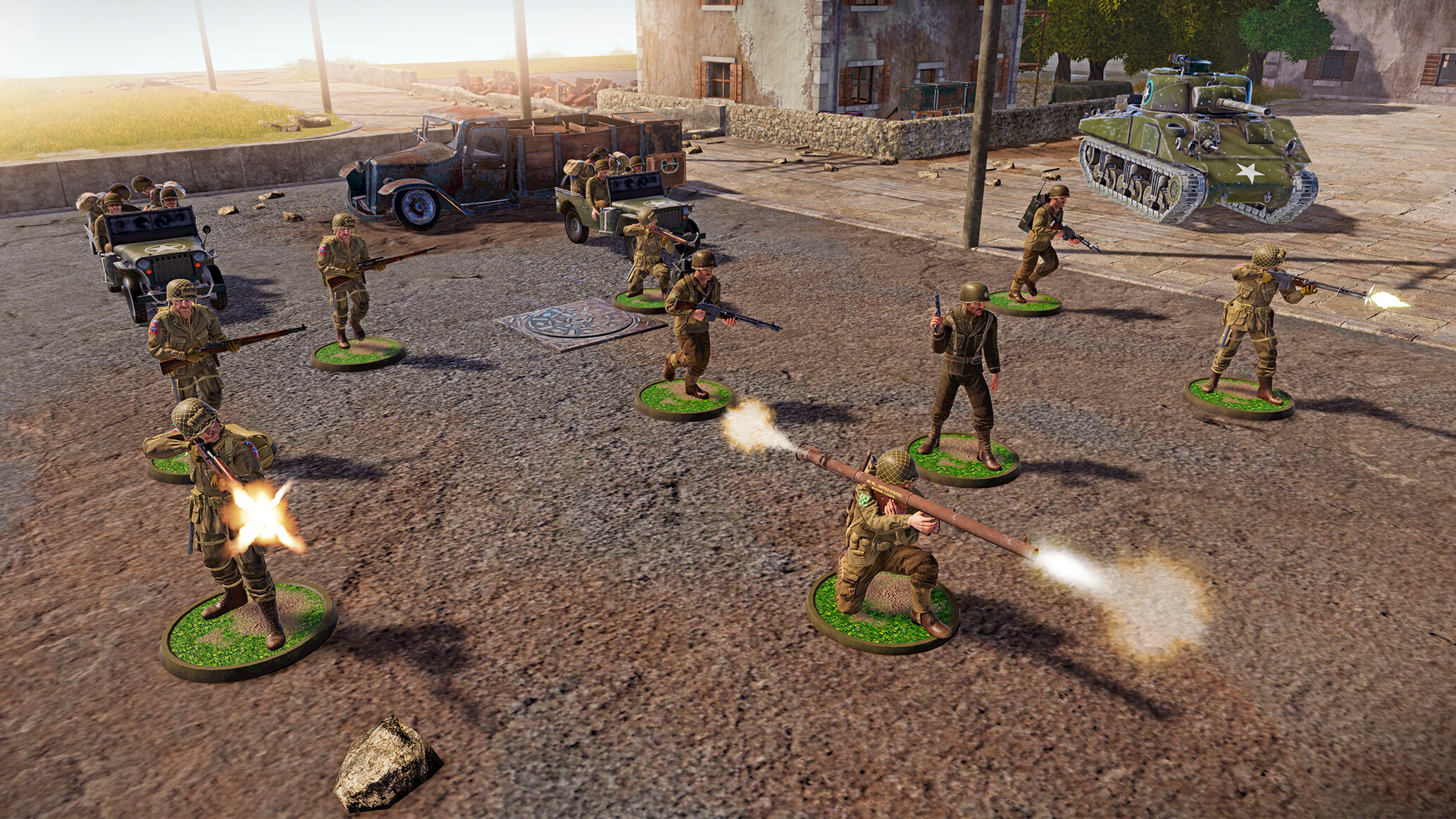
Bolt Action’s biggest twist is its order dice system. Each unit has its own die tossed into a shared bag. When it’s time to activate units, players pull dice from the bag at random. This means no one knows which side will act next—or which unit will spring into action.
This randomness shakes up the battlefield in all the right ways. A sniper might get picked early and take out a key officer before enemy troops can react. Or an artillery piece might sit idle for half the game if its die never comes up. It keeps players on edge and forces them to think on their feet.
One game saw an engineer squad sitting behind cover while tanks traded fire across a ruined village square. Everyone waited for those engineers to move in with flamethrowers—but their die never came up until it was too late. That kind of tension doesn’t happen in games where turns are predictable.
Why this game favors fun over fussy realism


ge: FRAG Games
Bolt Action doesn’t try to be a military simulator. Instead, it leans hard into fast action and dramatic moments. Most weapons are simplified—rifles behave about the same no matter what country made them—so players don’t get bogged down flipping through charts or comparing tiny stat differences.
Melee fights wrap up quickly, morale checks are simple, and nobody has to do math homework just to move their squad forward. The focus stays on big plays and smart positioning, not fine-tuning numbers.
This approach gives the whole game a “Hollywood WWII” vibe. It feels like stepping into a scene from *Saving Private Ryan* or *Band of Brothers*, where bold charges and last-minute saves carry more weight than technical accuracy.
A deep pool of tanks, troops, and tactics
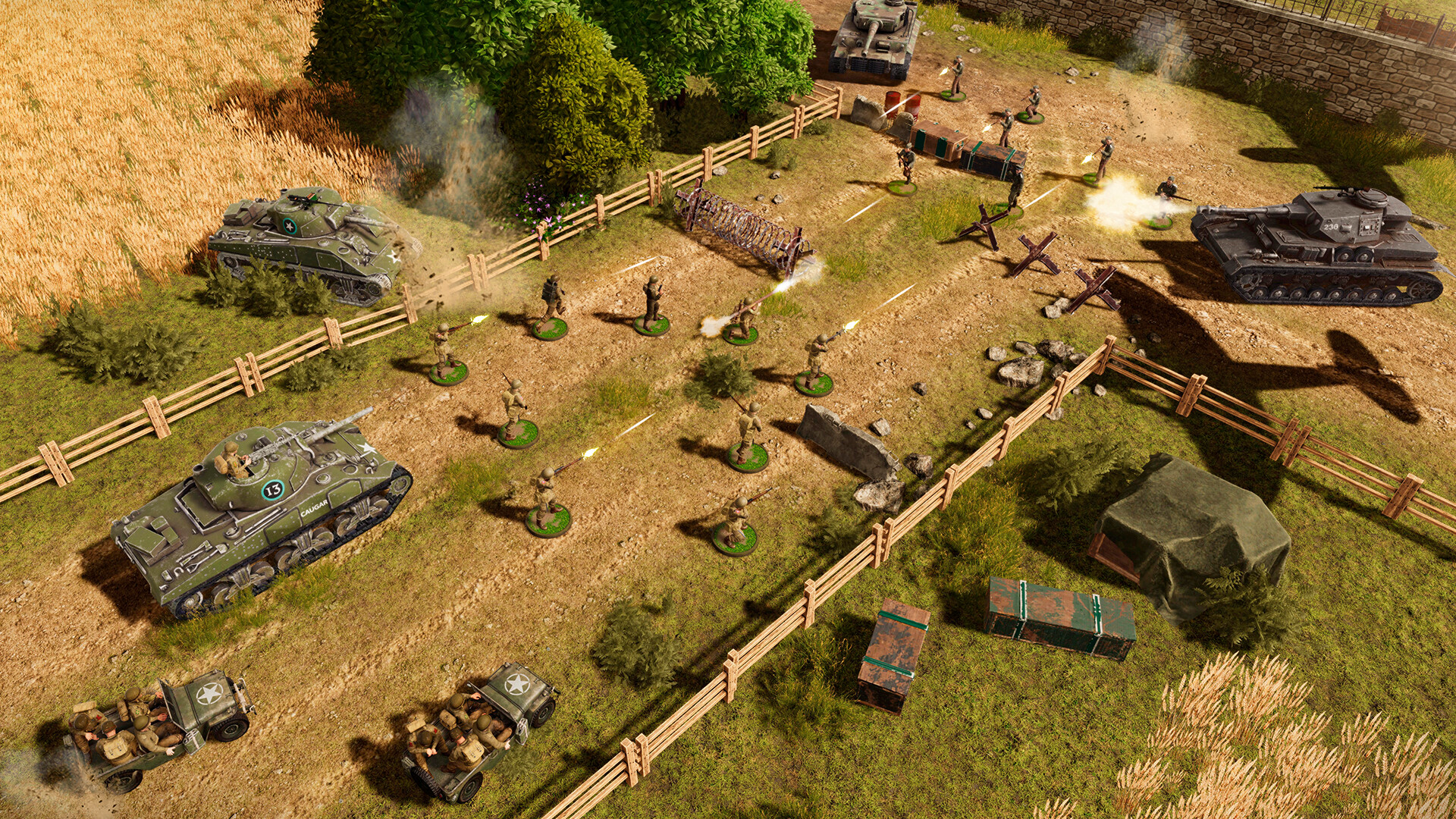
For those who like to build and customize armies, Bolt Action delivers in spades. The miniature range is massive—over 50 tank types early on—and keeps growing with each new campaign book or faction release.
Players can mix different platoons within one army list: combine infantry squads with engineers, recce vehicles with heavy artillery, or line troops backed by monster tanks like the Tiger or Sherman Firefly. Whether someone wants to play as British commandos in North Africa or Soviet infantry pushing through snowy ruins, there’s plenty of variety here.
One long-time player once spent weeks painting his German halftracks with winter camo patterns—only for them to get blown off the board by American bazookas in round two. He still laughed about it because that kind of unpredictability is part of what makes Bolt Action so thrilling.
The sweet spot between easy entry and serious strategy
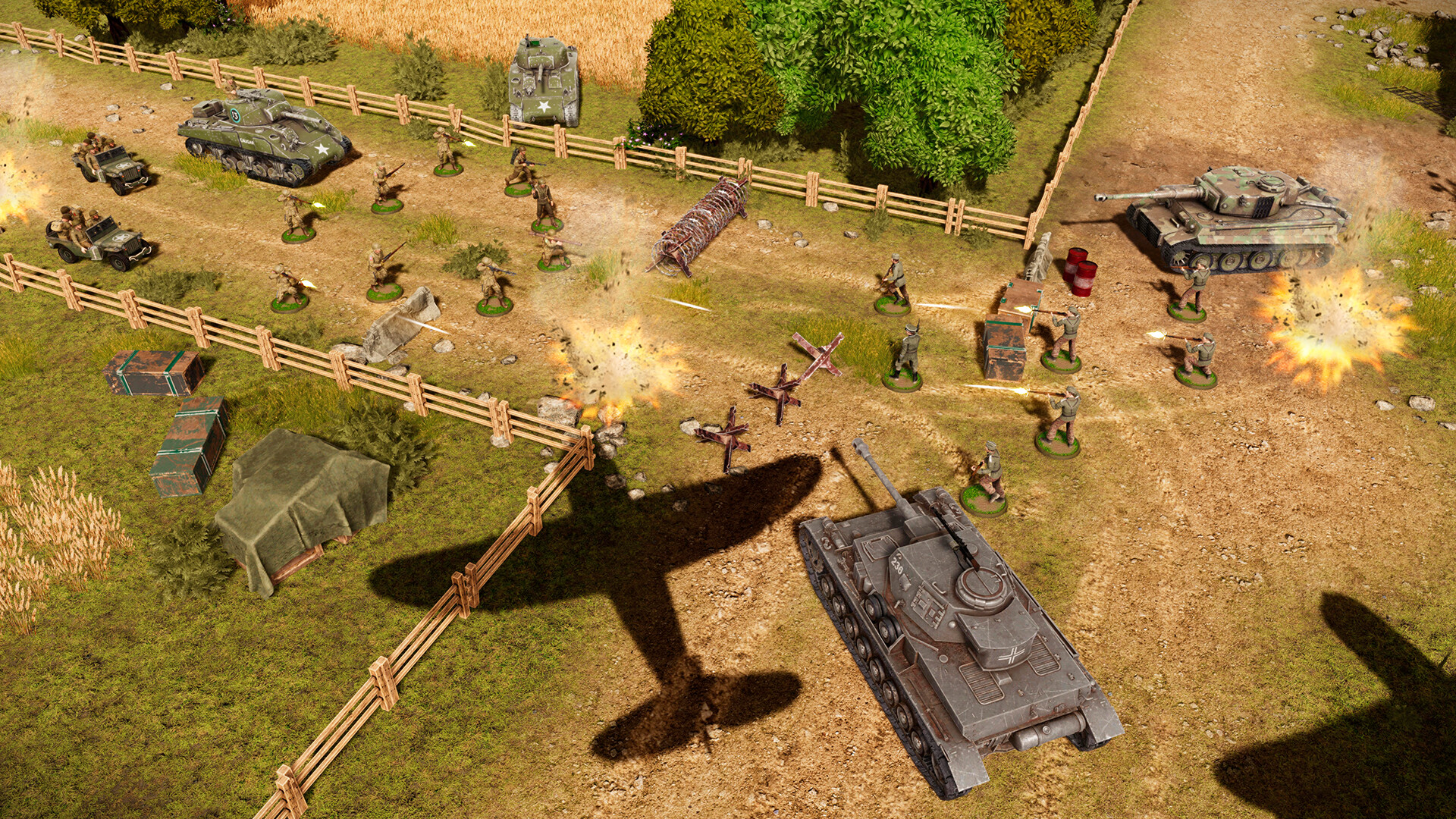
Bolt Action hits that rare balance where newcomers aren’t overwhelmed but veteran players still have room to scheme. The rules are clear enough for beginners to pick up after one demo match but layered with choices about cover use, order timing, flanking movement, and terrain tactics.
The 28mm scale miniatures also draw in hobbyists who enjoy painting detailed figures and vehicles. From sandbagged machine gun nests to ruined farmhouses with snipers lurking inside, terrain plays a major role too—adding both visual flair and tactical depth.
The community around Bolt Action remains strong thanks to steady updates from Warlord Games—new books keep adding historical scenarios and national units that expand what’s possible on the table without overwhelming players with cluttered rulesets.
When does Bolt Action come out?
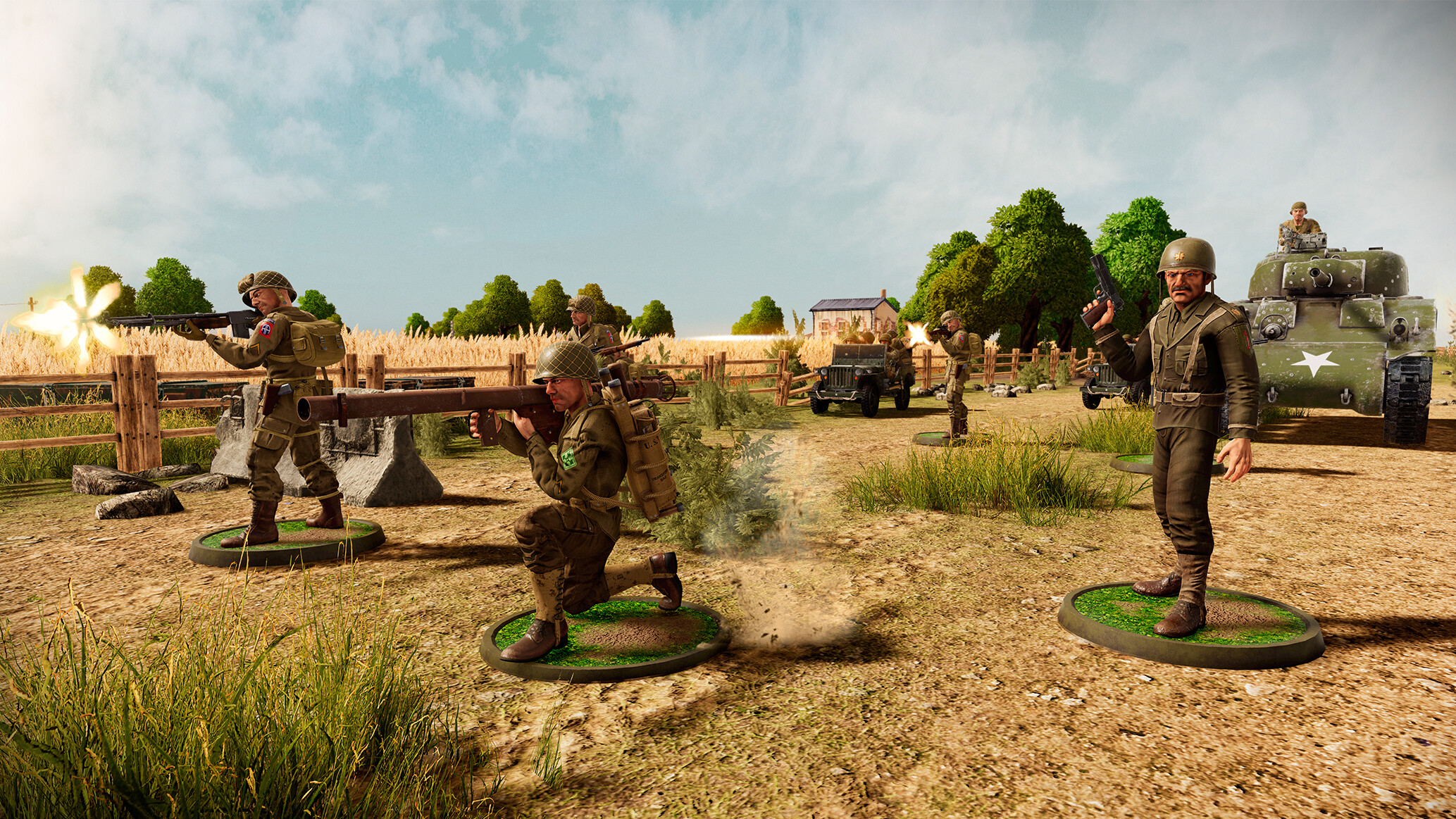
The first digital version of Bolt Action launched on November 30, 2021, giving fans an early taste of what virtual warfare could look like. But there’s something even bigger coming down the pipeline: a full digital adaptation set for release in 2026.
This upcoming version aims to stay true to the tabletop format while adding some modern upgrades like a virtual painting desk—a feature sure to please anyone who enjoys customizing armies but hates cleaning paintbrushes afterward.
If done right, this could open up Bolt Action to players who don’t have space for physical setups or access to local gaming groups but still want that cinematic WWII experience from their screens at home.
Why this old-school wargame still matters today

Bolt Action stands out because it offers something rare: historical battles that feel alive instead of locked behind complicated rules or stiff turn orders. Its randomness mirrors real-life uncertainty without making things unfair or chaotic for no reason—it just means plans have to adapt fast when things go sideways.
The mix of simplified mechanics with layered strategy means both casual gamers and history buffs can find their footing without needing years of experience under their belt. And thanks to its huge range of models—from iconic tanks to elite squads—it scratches both tactical and creative itches at once.
For those tired of rigid turn structures or overly complex systems that reward memorization over quick thinking, Bolt Action is like stepping onto a battlefield where anything can happen—and often does—in spectacular fashion.
Isn’t it time strategy games let go of predictability and embraced some well-placed chaos?
F.A.Q.
What type of game is Bolt Action?
Bolt Action is a fast-paced, accessible World War II tabletop miniature wargame known for its cinematic, “Hollywood-style” approach to recreating WWII combat through platoon-sized battles. It’s designed for players to command detailed 28mm scale model armies across varied WWII theaters.
How does the order dice activation system work in Bolt Action?
Bolt Action uses a unique order dice system where activation dice for all units of both players go into a shared bag and are drawn randomly. This mechanic brings spontaneity and instant reactivity to gameplay, as players do not know which units will activate next, mimicking the chaos and fluidity of real battles.
Is Bolt Action worth it for someone new to tabletop wargames?
Yes, Bolt Action is designed to be easy to learn for new players while offering tactical depth for veterans. Its simplified yet tactical gameplay and engaging order dice system make it an excellent entry point for newcomers to the world of tabletop wargames.
Does Bolt Action have a digital version?
Yes, the first digital version of Bolt Action launched on November 30, 2021. A full digital adaptation is also set for release in 2026, aiming to stay true to the tabletop format while adding modern upgrades like a virtual painting desk.
What makes Bolt Action unique compared to other wargames?
Bolt Action stands out due to its order dice activation system that adds unpredictability and engagement, avoiding the stale, predictable “I move all my units, then you move all yours” format common in many wargames. Additionally, it offers a comprehensive range of miniatures and emphasizes a cinematic WWII experience.
What platforms is the digital version of Bolt Action available on?
Currently, the digital version of Bolt Action is available on platforms like Steam. The planned full digital adaptation for 2026 is expected to expand accessibility further, though specific platforms for this release have not been detailed.
How does terrain impact gameplay in Bolt Action?
Terrain plays a significant role in Bolt Action, with varied terrain types impacting movement, line of sight, and cover. This enhances tactical depth and adds visual flair to the game, allowing players to strategize based on the battlefield environment.