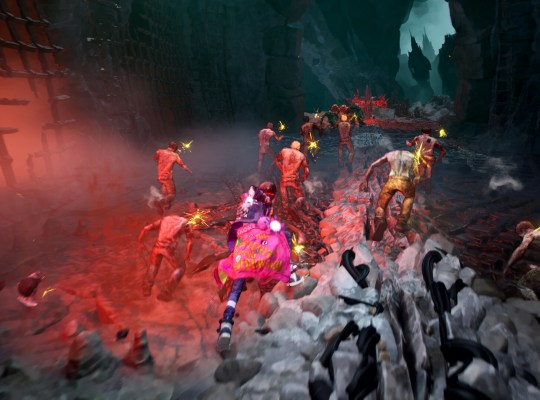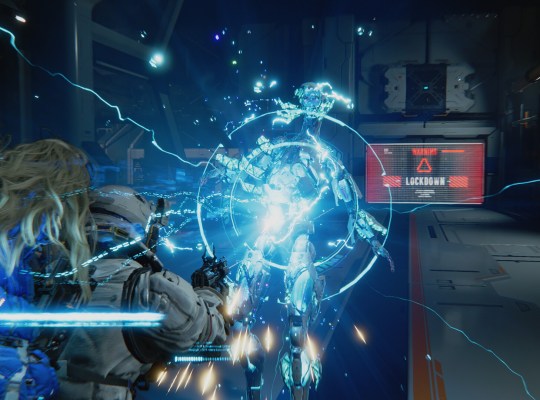
Control: Resonant is taking the world of Remedy’s paranormal universe to new heights—quite literally. Swapping gunplay for a massive shapeshifting melee weapon, and shifting from tight corridors to a twisted version of Manhattan, this sequel puts Dylan Faden in the spotlight as he fights to survive a reality fractured by interdimensional forces.
Control’s sequel flips the formula with a new hero, new powers, and brutal melee combat
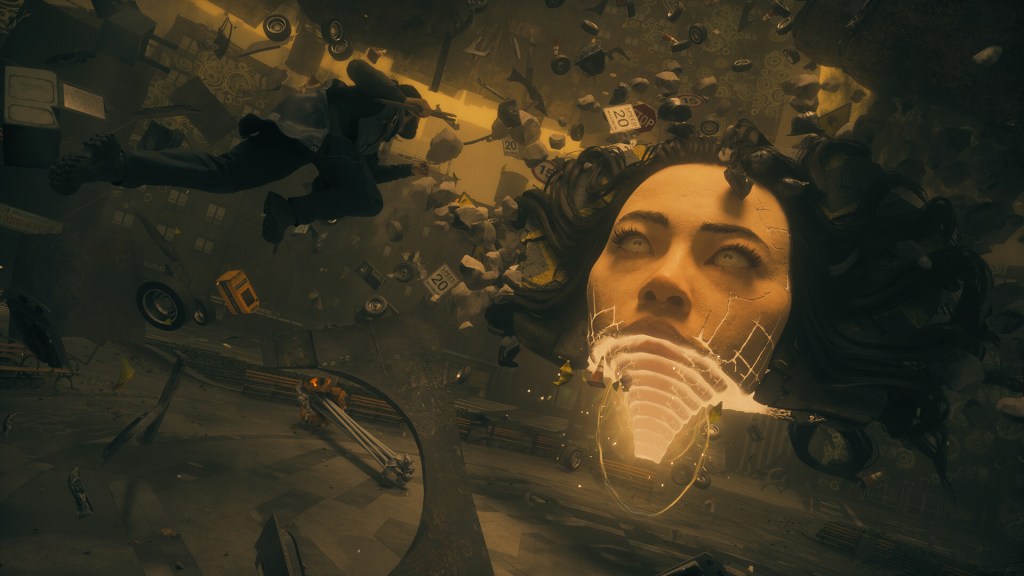
Dylan Faden isn’t just Jesse’s brother anymore—he’s the lead. After spending years locked up by the Federal Bureau of Control (FBC), Dylan steps into chaos when a new supernatural disaster spills out of the Oldest House and begins tearing through Manhattan. While Jesse’s voice echoes throughout the trailers, it’s Dylan who takes center stage in this strange new chapter.
The biggest change comes in combat. Instead of using Jesse’s telekinetic gunplay from the original game, Dylan wields something called the Aberrant—a shapeshifting melee weapon that turns into huge, raw tools like sledgehammers. These weapons don’t look sleek or high-tech. They’re bulky, dangerous, and perfect for smashing enemies in fast-paced combos.
But it doesn’t stop with swinging a hammer. Paranormal abilities return too, letting players combine elemental powers with heavy strikes for devastating effects. Think shockwaves that launch enemies into walls or fire-infused slams that melt through swarms of foes. The game encourages players to mix these powers freely, creating unique builds without being locked into one path.
A supernatural version of Manhattan replaces the Oldest House’s narrow halls

Where the first game kept players inside the shifting rooms of the Oldest House, Control: Resonant opens things up—literally. This time, players explore an “open-ended” Manhattan that’s been transformed by supernatural architecture leaking from the Oldest House. Skyscrapers twist at impossible angles. Streets are split by glowing voids. Floating rubble hangs mid-air while strange barriers divide parts of the city.
This isn’t a true open-world game like some RPGs—it still keeps things focused—but it’s far more expansive than before. Players can travel between districts shaped by paranatural forces and discover pockets of human survivors hiding from unknown threats.
The Oldest House itself hasn’t vanished either. It’s still part of the journey, but now it’s just one piece in a much bigger puzzle—a familiar zone surrounded by unfamiliar chaos.
Dylan brings deep customization and RPG elements to this surreal action world
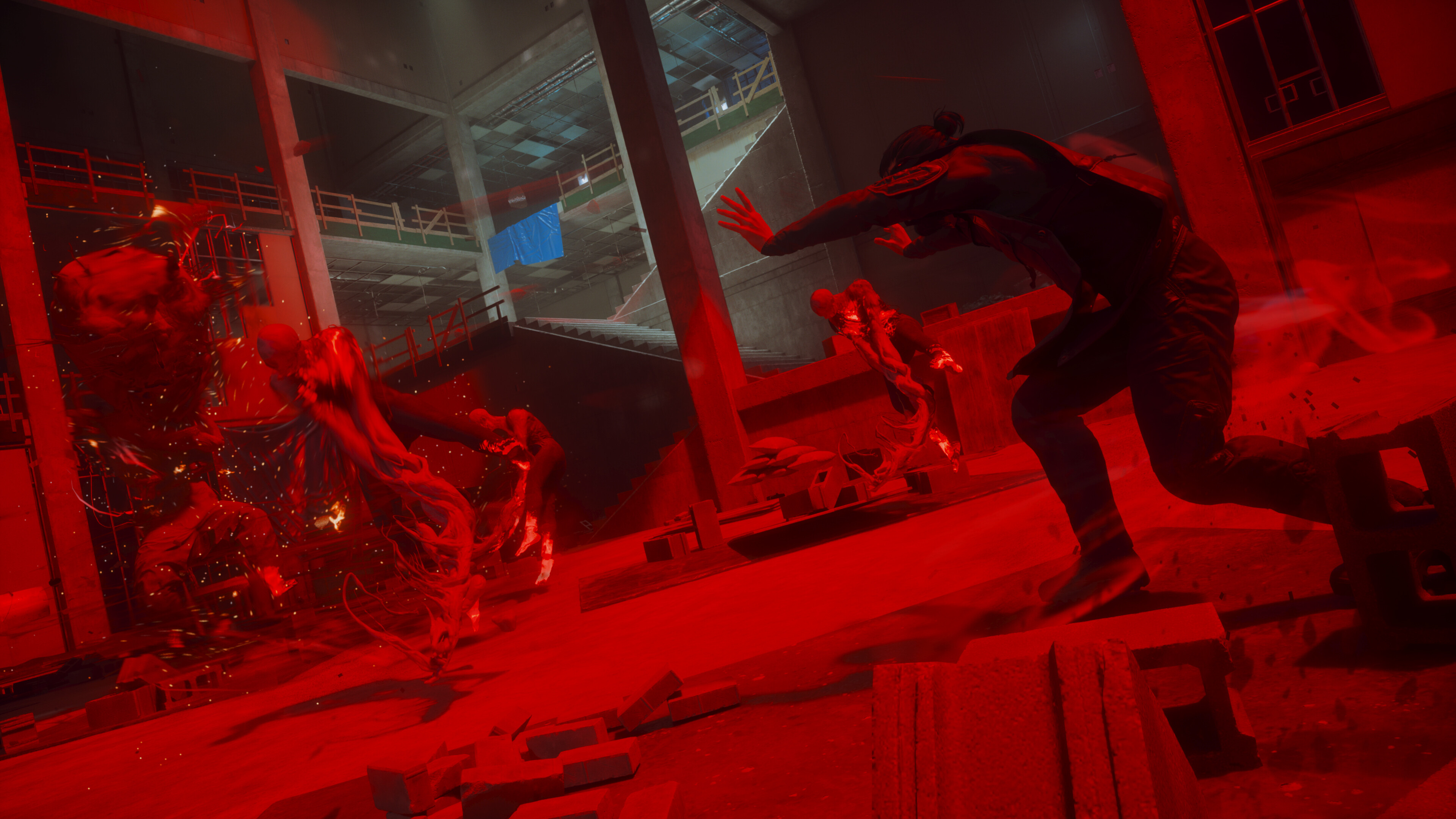
Control: Resonant marks Remedy’s biggest shift toward full action RPG territory. Instead of following one set progression path, players get to shape their own playstyle through buildcrafting—mixing weapon forms, abilities, and upgrades however they like.
The Aberrant can be tailored to suit different approaches: maybe one player prefers slower but heavier hits that send enemies flying, while another wants quick jabs paired with teleport-style movement skills. Abilities like elemental bursts or mid-air dashes layer on top for extra freedom.
This freedom comes with real consequences too. Choices made during missions can affect how people react or how parts of reality shift around Dylan. The Northlight Engine powers all this action smoothly—even during chaotic battles against flying enemies that evolve depending on how skilled players become.
Dylan’s mission ties deeply into Control lore—and expands Remedy’s shared universe

At its heart, Control: Resonant is about finding Jesse again. Dylan sets out across broken Manhattan not just to survive but to search for his sister amid growing anomalies tied to something called resonance—a theme centered on vibrations, frequencies, and sound-based forces that distort memory and space itself.
This story connects directly with events from Alan Wake 2‘s DLC and other pieces of what Remedy calls the Remedy Connected Universe (RCU). Fans who’ve followed these games will spot familiar threads—like Objects of Power or cryptic messages—but newcomers won’t be left behind either.
The concept of resonance plays out both in combat and exploration. Enemies hum with strange sounds before they strike; locations pulse with energy that shifts floors beneath Dylan’s feet; even dialogue reflects warped timelines where memories bleed together.
The city itself becomes part of this mystery—one moment familiar with yellow taxis and brownstones; the next reshaped into dreamlike corridors where physics no longer apply.
When does Control: Resonant come out?
Control: Resonant is set for release sometime in 2026 on Xbox Series X|S, PlayStation 5, PC via Steam and Epic Games Store, and Mac. While there’s no specific date yet, Remedy has promised this will be their “biggest and most memorable” experience yet—designed to welcome new players while giving longtime fans plenty to dive into.
This isn’t just more Control—it’s something wilder
This sequel isn’t playing it safe. Director Mikael Kasurinen says his team wanted “ambitious, wild” ideas—not just another shooter with fresh paint. That ambition shows everywhere—from combo-heavy fights using tools built for destruction to environments shaped by invisible frequencies warping everything around them.
The result is something stranger than most sequels dare try: an RPG built around speed and impact instead of stats alone; a narrative driven by emotional echoes instead of simple quests; a city playground where nothing stays grounded for long—not even gravity itself.
The shift reminds some fans of earlier moments playing Control, where stepping through each door meant entering someplace impossible—a hallway becoming an ocean or an elevator turning sideways mid-ride. That same sense now stretches across all Manhattan in Resonant, only louder and faster than ever before.
If Remedy can deliver on their vision without losing control (no pun intended), then this could be more than just another sequel—it could be a whole new kind of action RPG adventure built on soundwaves and sledgehammers alike.
With combat this intense and reality bending at every corner—what happens when resonance finally breaks everything apart?
F.A.Q.
When does Control: Resonant come out?
Control: Resonant is set for release in 2026 on Xbox Series X|S, PlayStation 5, PC via Steam and Epic Games Store, and Mac. While there’s no specific date yet, Remedy has promised this will be their “biggest and most memorable” experience yet.
What platforms is Control: Resonant available on?
Control: Resonant will be available on Xbox Series X|S, PlayStation 5, PC through Steam and Epic Games Store, and Mac.
What type of game is Control: Resonant?
Control: Resonant is an action RPG set in a distorted, open-ended version of Manhattan. It focuses on fast-paced melee combat, deep buildcrafting, and exploration within the Remedy Connected Universe.
Who is the protagonist in Control: Resonant?
In Control: Resonant, players take on the role of Dylan Faden, Jesse’s brother, as he navigates a chaotic Manhattan influenced by supernatural forces, searching for his sister amid growing anomalies.
Does Control: Resonant have multiplayer features?
The information provided does not mention any multiplayer features for Control: Resonant. The focus appears to be on single-player action RPG elements and a storyline connected to the Remedy Connected Universe.
Does Control: Resonant feature the Oldest House?
Yes, the Oldest House is still part of Control: Resonant, but it is now surrounded by an open-ended version of Manhattan that’s been transformed by supernatural architecture. This offers a more expansive setting than the original game.
What are the key features of the combat system in Control: Resonant?
The combat system in Control: Resonant is centered around the Aberrant, a shapeshifting melee weapon that can transform into tools like sledgehammers. Players can combine this with paranormal powers for dynamic, combo-heavy fights, offering significant freedom in creating unique builds.