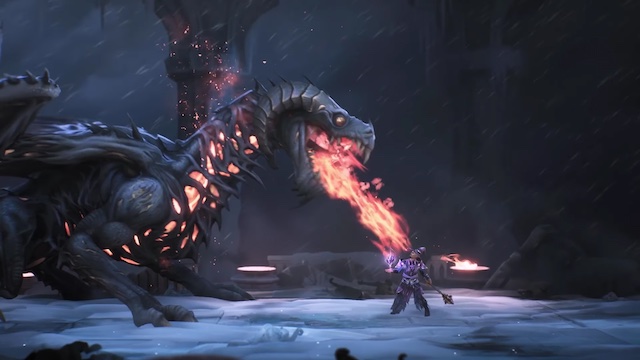
Mandragora: Whispers of the Witch Tree is a dark fantasy action RPG that beckons us to explore the crumbling lands of Faelduum and face the gnawing threat known as Entropy. Its world feels like a tapestry woven from old tales, full of hidden perils and stories that linger in the shadows.
Venturing into a World on the Brink
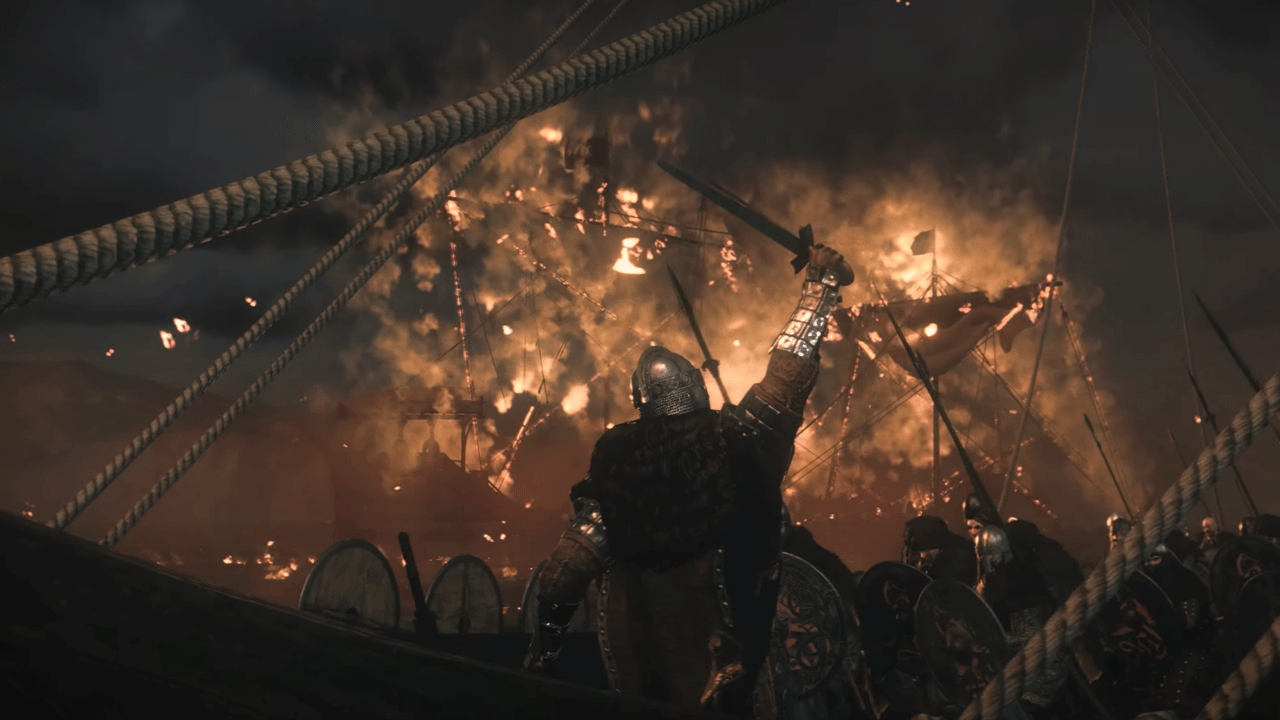
Faelduum stands on the edge of annihilation. An otherworldly plane called Entropy threatens to engulf everything, and its forces spread like a disease through every corner of the land. Stepping into Faelduum as the Inquisitor, you begin with a clear purpose: hold back the tides of darkness, or watch creation slip into oblivion. The sense of dread is enhanced by the lack of sunlight in many regions, casting the environment in perpetual twilight.
There are interconnected realms to explore, each bearing distinct features. From gnarled forests dotted with ancient altars to desolate wastelands, Faelduum’s hand-painted art style makes it feel as though every brushstroke tells a story of despair. Such artistry captures attention, creating the impression that you’re traveling through a living painting born of dark and foreboding myths. And looming always is the knowledge that each location is just another battleground against Entropy’s corrupting power.
An Unraveling Story Guided by Choice
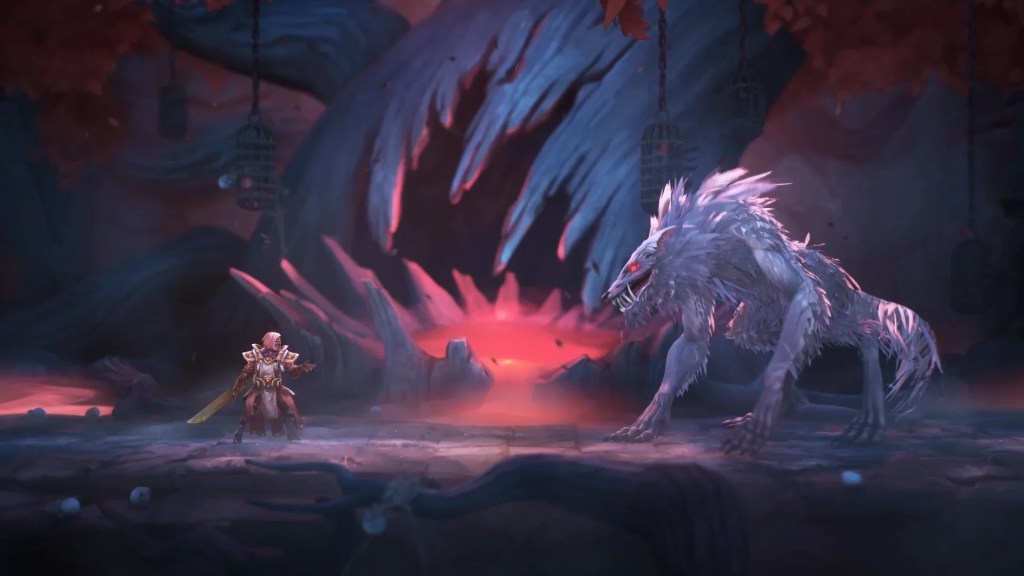
The lore of Mandragora is crafted by Brian Mitsoda, known for his work on Vampire: The Masquerade – Bloodlines. Here, every step of your journey could influence the shape of the unfolding drama. In conversations with townsfolk, you’ll be met with dialogue options that can sway the course of events. Moral decisions, whether they involve showing mercy or exacting brutal justice, have ripples throughout the narrative. These moments of choice can be tense: selecting which villager to save or which faction to side with might lead to unforeseen consequences later in the campaign. It’s not simply about forging a single path to glory but about accepting the responsibility for the outcomes of your decisions.
Mandragora adopts a 2.5D Metroidvania-style approach to exploration, allowing you to venture across interconnected realms with a side-scrolling viewpoint. Even though the path is horizontal, each region hides secrets beneath its layered environments. A grappling hook might help you reach ledges that appear out of reach, while a ground strike can uncover fragile floors concealing lost treasures. Some secrets require backtracking once you’ve obtained the necessary gear or abilities, ensuring that even well-traveled areas might hold overlooked marvels.
Forging Victory Through Soulslike Combat

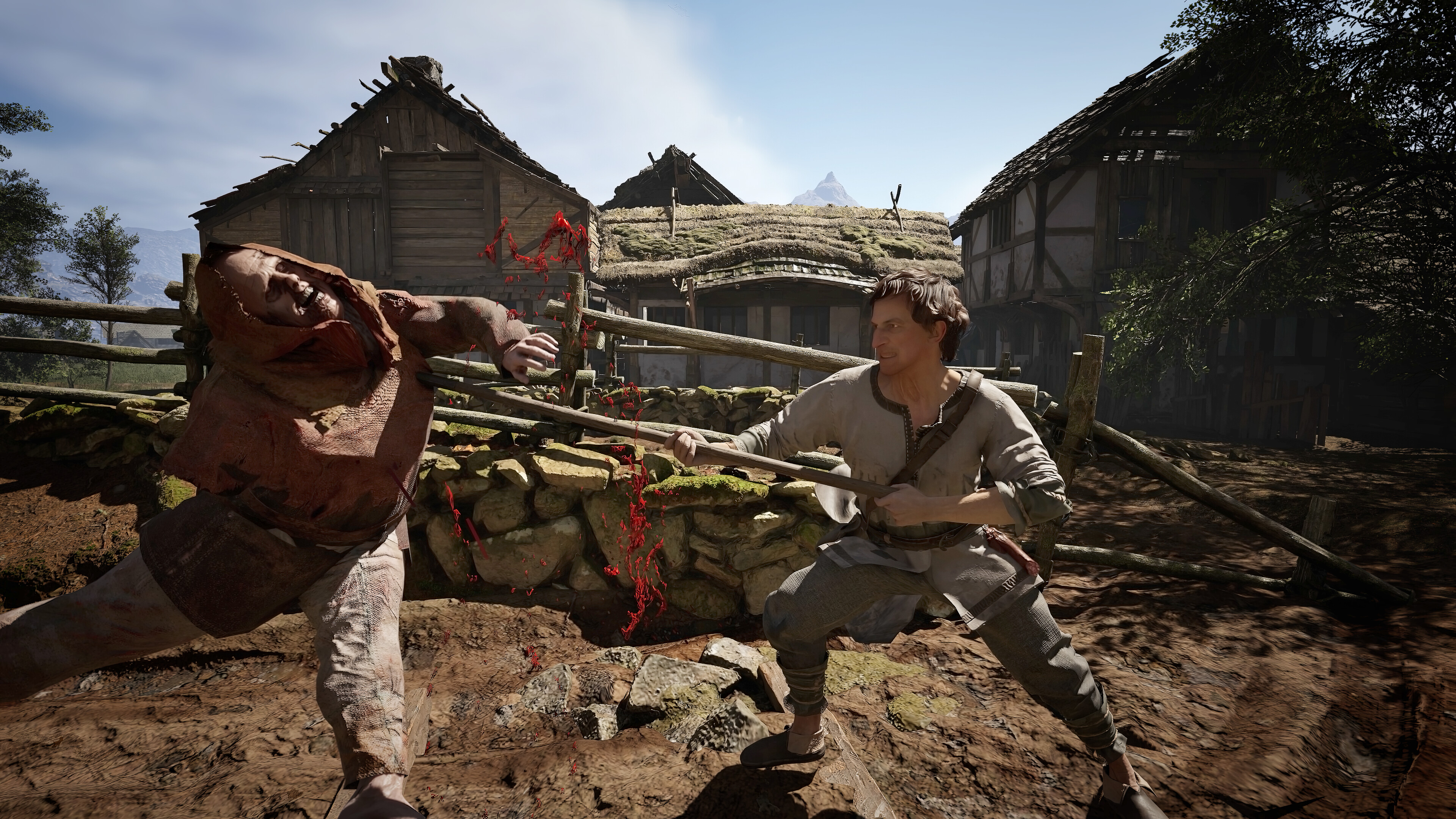
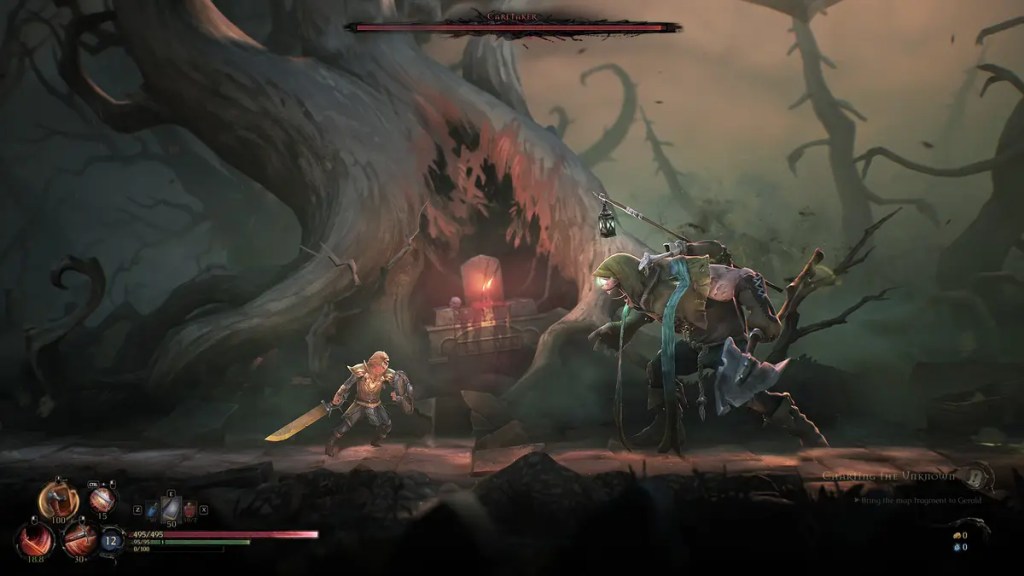
Combat in Mandragora demands patience, timing, and the capacity to adapt quickly as in many Soulslike experiences. You can’t simply hack and slash to victory; you’ll need to master the balance of light and heavy attacks, block or dodge incoming strikes, and carefully measure your stamina. Fail to read an enemy’s pattern, and you may find yourself quickly punished. Yet the fact that the game also embraces ability cooldown management—evoking a layer reminiscent of action RPGs like Diablo—means you can harness special powers, so long as you do it wisely.
Becoming the Hero: Classes and Progression
Mandragora presents six different character classes, each bringing a distinct flavor of gameplay. If you favor raw force, you might gravitate toward the Vanguard, a champion of melee brawling. The Spellbinder, by contrast, bathes adversaries in arcane fire and summons illusions that tip the scales of battle. It’s not just about choosing a class at the start and forging ahead, though. There’s a robust talent tree system that features over 200 active skill upgrades, allowing you to refine your avatar in an impressive variety of ways. Whether you want to focus on healing spells, master dual-wielding, or develop crowd-control abilities, you can carve out a unique path.
In one demonstration, I saw how layering different talents can create synergy. A defensive perk that reduces stamina usage while blocking can dovetail perfectly with a DPS-focused skill that rewards counterattacks. If you choose your skill tree upgrades thoughtfully, you can develop an Inquisitor that blends the best of multiple disciplines. Such flexibility enhances the feeling of customizing a champion who truly reflects your personal playstyle.
Weapons and Wonders: Items and Crafting
The forging of enchanted blades or runic trinkets comes to life in Mandragora’s crafting system. Weapons, armor, and accessories can be modified to suit your approach. If you prefer lighter, more agile combat, you can craft gear that boosts your movement speed and stamina recovery. Those who desire brute strength might focus on forging heavier plate armor enchanted with damage resistance. The presence of over 350 items adds a wide net of possibilities.
While rummaging through the dusty shelves of an abandoned library in a segment I observed, I found materials that hinted at how important scavenging is. You might stumble across special components tucked away in side paths or obtained by defeating particularly challenging creatures. Bringing them back to a workshop could yield gear or consumables that make future encounters a bit less daunting. Though Entropy threatens the land, the generosity of Faelduum’s relics gives you a fighting chance.
The Road Ahead: Playtime and New Adventures
If you follow the main story’s path, you can expect the journey to surpass 40 hours. Optional side quests, hidden bosses, and secret areas will likely expand your time within Faelduum’s borders. Once you finish, if you still yearn to test the limits of your skill, there is a New Game Plus mode that raises the difficulty substantially. Enemies grow even tougher, and your knowledge of the realm becomes your best ally. Combined with the branching narrative and the variety of classes, there’s ample reason for repeated adventures. After witnessing one of the story’s pivotal turning points, I felt a pull to replay it differently, just to see how Faelduum might fare under new decisions. That capacity to mold the outcome feels like a core strength of Mandragora.
When Does Mandragora: Whispers of the Witch Tree Arrive?
Mandragora: Whispers of the Witch Tree launches on April 17, 2025. It will be available on PC, PlayStation 5, and Xbox Series X/S. Developed by Primal Game Studio and published by Knights Peak Interactive, this title aims to bring a thoroughly dark fantasy experience to modern platforms while delivering a unique blend of thoughtful combat, branching choices, and Metroidvania exploration. In the short time I’ve spent studying its systems, it’s clear Mandragora is determined to carve its own name into the heroic sagas of gaming.
Frequently Asked Questions (FAQ)
1. When will Mandragora: Whispers of the Witch Tree be released?
The game is scheduled for release on April 17, 2025. It will be available on PC, PlayStation 5, and Xbox Series X/S.
2. What type of game is Mandragora?
Mandragora: Whispers of the Witch Tree is a dark fantasy action RPG that blends Soulslike combat, Metroidvania exploration, and a branching narrative. It also features deep character customization and a rich crafting system.
3. How does character progression work in the game?
Players can choose from six distinct classes, such as the melee-focused Vanguard or the spell-wielding Spellbinder. A robust talent tree with over 200 skill upgrades allows for in-depth customization to match a wide range of playstyles.
4. What is the setting of the game?
The game takes place in the ravaged land of Faelduum, a dark, hand-painted world threatened by a force known as Entropy. The story follows the Inquisitor on a perilous quest to resist this cosmic decay and make impactful choices that shape the world’s fate.
5. Does Mandragora support replayability?
Yes. Besides a story that branches based on your choices, the game offers a challenging New Game Plus mode, encouraging multiple playthroughs with different decisions, classes, and builds to experience alternate outcomes.
6. Is the combat suitable for casual players?
The game features Soulslike mechanics that emphasize timing, stamina management, and tactical combat, which can be challenging. However, strategic character development and crafting give players tools to tailor difficulty and approach it at their own pace.
7. Where can I learn more or wishlist the game?
You can find more details and add the game to your wishlist on its official Steam page.