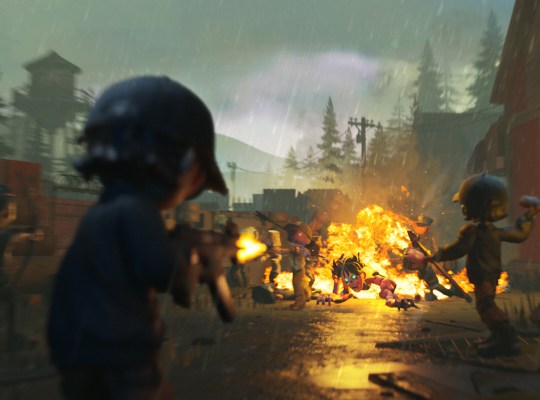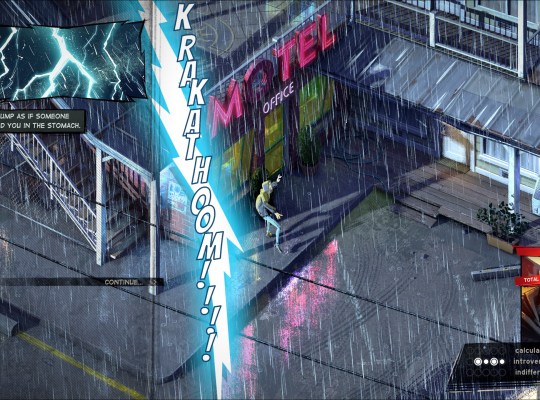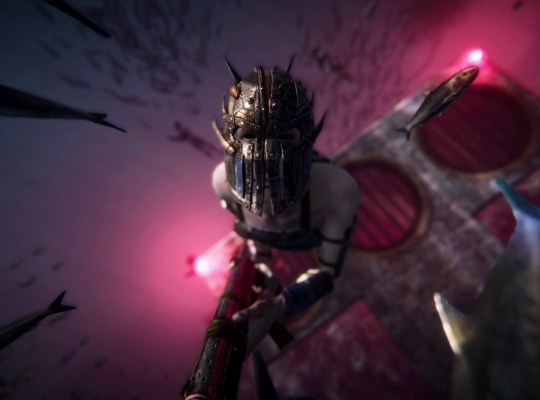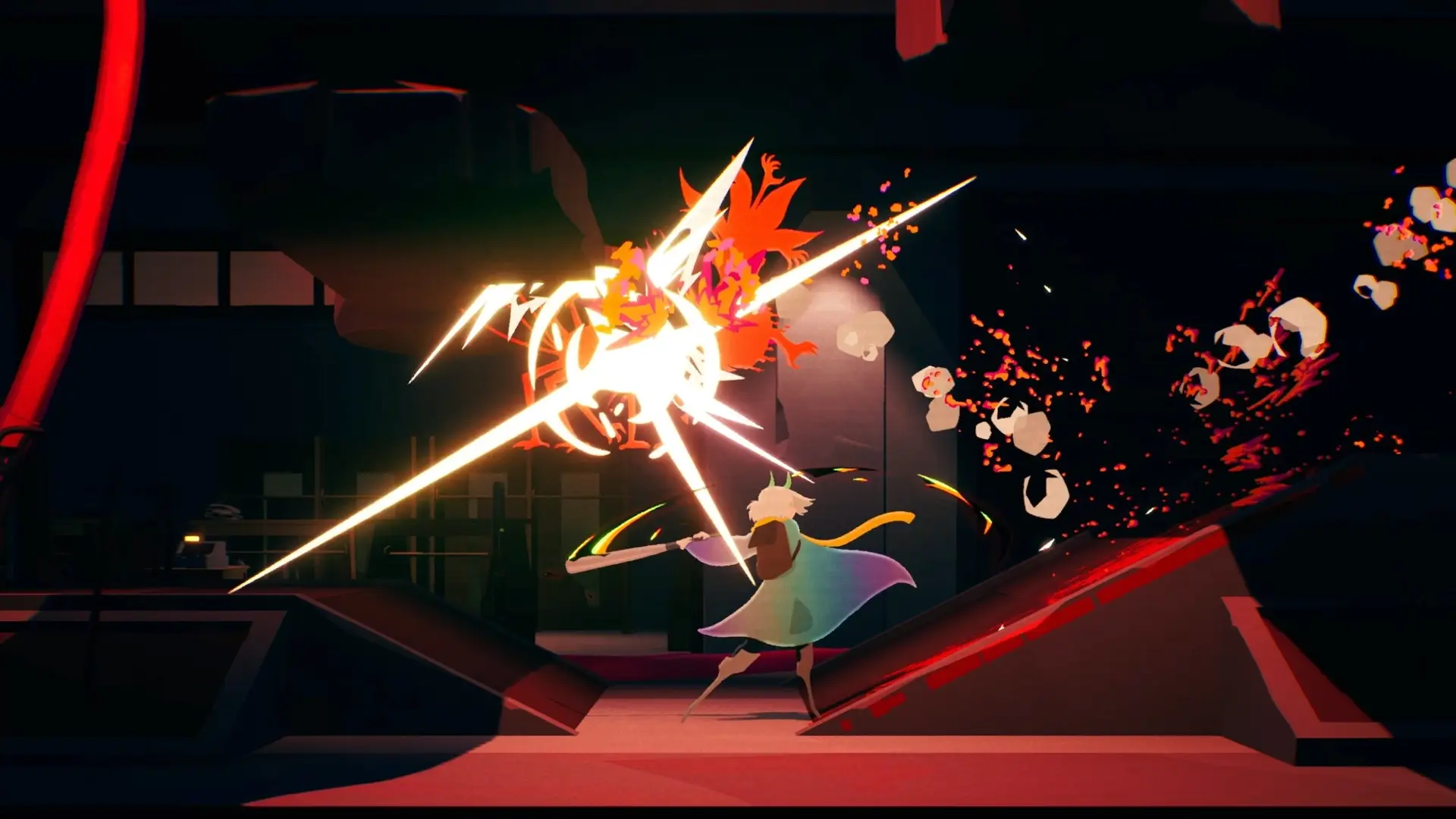
In the ruins of a broken city, a teenager and a demon share one body, fighting for survival in a world swallowed by chaos. Possessor(s) isn’t just another fast-paced side-scroller—it’s a sharp, stylish blend of precision platformer combat and deep Metroidvania exploration, with a story that digs into what it means to lose control and still keep going.
A high-speed platformer where every punch and jump counts
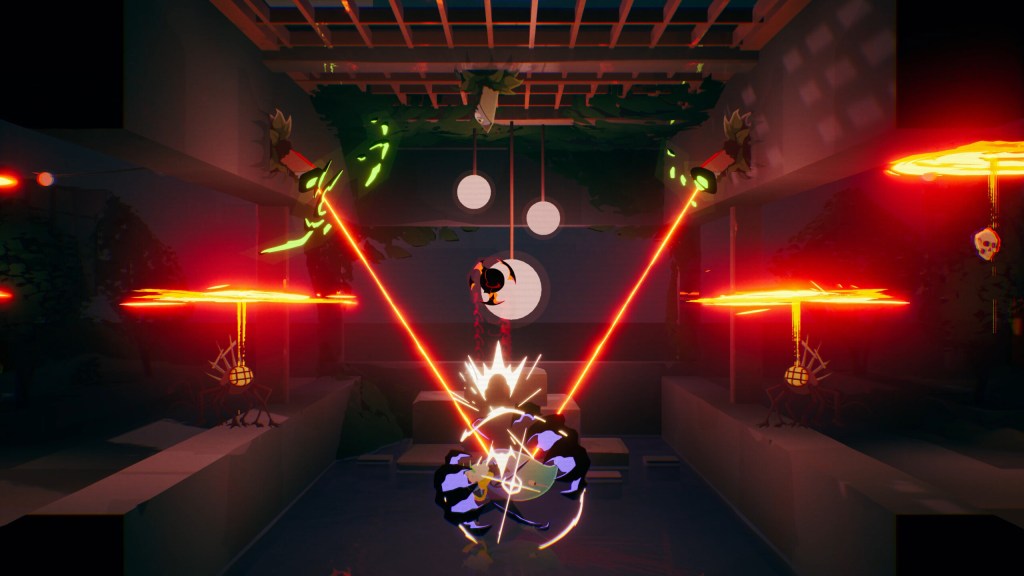
Possessor(s) delivers action with surgical precision. The game throws players into the shoes of Luca, a high schooler stuck in Sanzu City—a massive, crumbling metropolis that was once full of life but now stands as a playground for mutated horrors. After an interdimensional disaster and corporate cover-ups tear the city apart, only fragments remain: flooded subway stations, collapsed skyscrapers, and decaying labs with secrets buried in steel and shadows.
This isn’t just about running left to right. Combat in Possessor(s) is tight and rhythmic—each swing, parry, and jump matters. It takes the speed of classic side-scrollers but layers in the complexity of platform fighters. Players can juggle enemies mid-air or slam them into walls with ground attacks that feel snappy and satisfying. But there’s more than just fists flying. Exploration plays an equal role. Like all great Metroidvanias, progression comes from uncovering new powers that unlock fresh paths through the twisting city map.
One body, two souls: the bond between Luca and Rhem fuels the heart of Possessor(s)
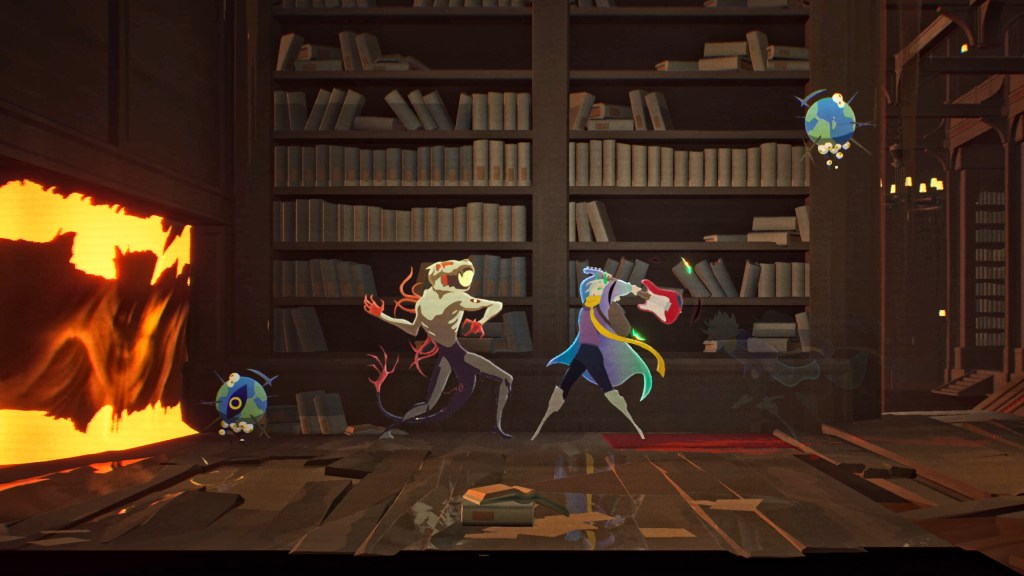
At the center of it all is the strange partnership between Luca and Rhem. Rhem is no guardian angel—he’s a demon who fuses with Luca to stay alive. The result is part alliance, part prison sentence. They need each other to survive, but neither one truly trusts the other. This duality plays out both in gameplay mechanics and narrative choices.
Luca handles physical combat and traversal while Rhem lends supernatural abilities like demonic dashes or energy whips to swing across gaps. It’s not just about swapping skills—this duo’s relationship changes how players approach fights and story decisions. As they explore Sanzu City together, they face moral dilemmas shaped by their uneasy bond. Some paths force them closer together; others push them apart.
The theme of codependency runs deep here. Each choice impacts not only combat loadouts or map access but also how this shared journey ends. The branching narrative pulls from harsh truths—survival comes at a cost, especially when your only ally lives inside your head.
Combat where creativity rules: kitchen knives meet katanas
The weapons system in Possessor(s) turns everyday junk into deadly tools. A frying pan might do as much damage as a katana if used right—and that’s part of the fun. Players craft combos using guitars, computer mice, old cellphones—even leather gloves that turn punches into blurs of speed.
This improvisational style gives combat its unique flavor. Attacks can be mapped across different buttons so players aren’t locked into set patterns—they build their own rhythm through trial and instinct. One moment might call for air juggling three mutants using light hits; another might demand charging through enemy lines with a heavy attack built around crowd control.
Customization goes deep without becoming overwhelming. Whether someone prefers quick flurries or brutal single strikes, Possessor(s) allows players to experiment until they find their perfect match-up between style and strategy.
Wallrunning through ruins: how movement opens up hidden secrets
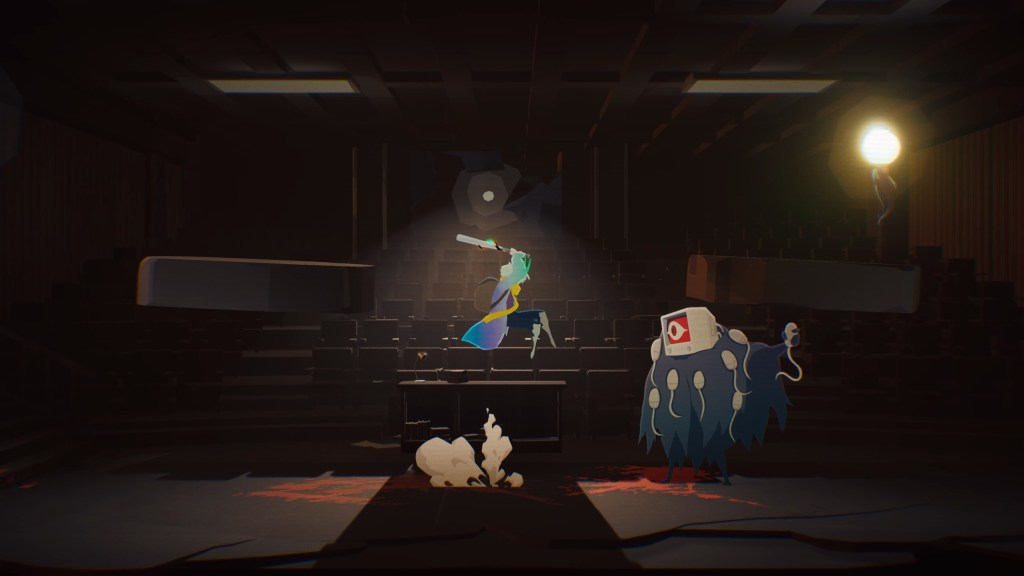
Sanzu City doesn’t hand over its secrets easily—but Luca’s agility helps pry them loose. Movement feels crisp yet layered; wallrunning lets players scale vertical shafts while smashing through weak floors reveals tunnels below street level.
The demonic whip adds even more depth to traversal—players can swing across large chasms or chain whip-jumps between buildings like parkour with supernatural flair. Each move opens new paths or shortcuts that reward players who pay attention to environmental clues or offbeat corners others might miss.
This kind of layered navigation calls back memories of late nights spent exploring hollow towers in classic Metroidvanias—not knowing where each hallway would lead but trusting instinct anyway because there was always something worth finding beyond the next doorframe or down that strange glowing vent.
A city that tells its story through broken glass and neon shadows
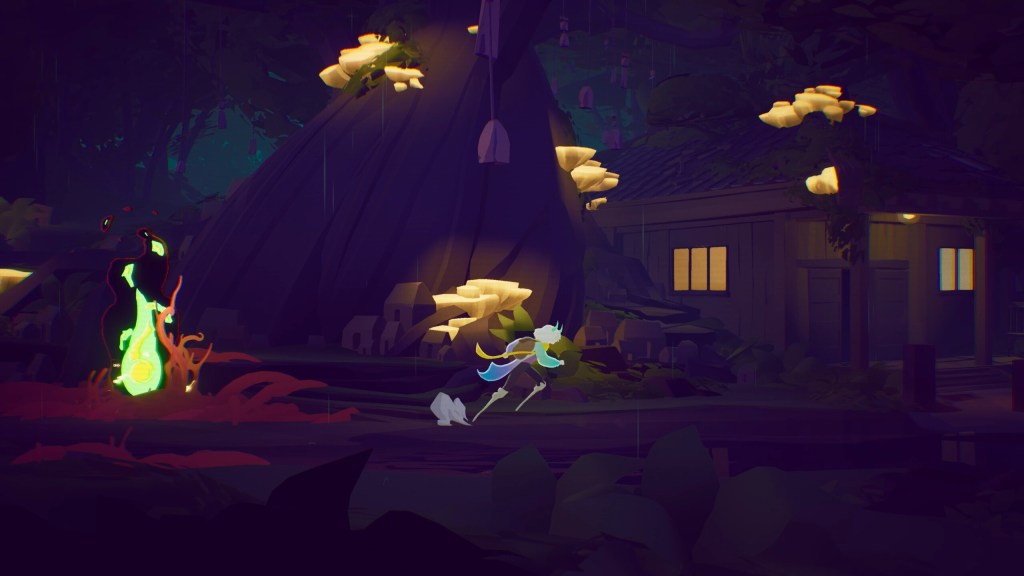
Sanzu City doesn’t just serve as a backdrop—it bleeds atmosphere with every step taken on cracked pavement or through flickering digital signs left behind by corporations long gone dark. Each district within the city tells its own tale: an aquarium filled with dried-out tanks becomes an echo chamber for lost experiments; toppled skyscrapers lean against each other like dying giants waiting for gravity to finish its job.
The design invites wandering without feeling aimless—there’s direction wrapped inside mystery here. Environmental storytelling ties directly into gameplay loops; power conduits spark near doors waiting to be unlocked by new tools found hours later across town.
It’s not hard to get lost—but it never feels punishing because discovery is baked into every room layout and skyline silhouette. Players who take time exploring are often rewarded with lore bits tucked away behind cracked monitors or graffiti scrawled on basement walls hinting at how things fell apart—and who was responsible.
A haunting art style where sci-fi horror meets hand-drawn beauty
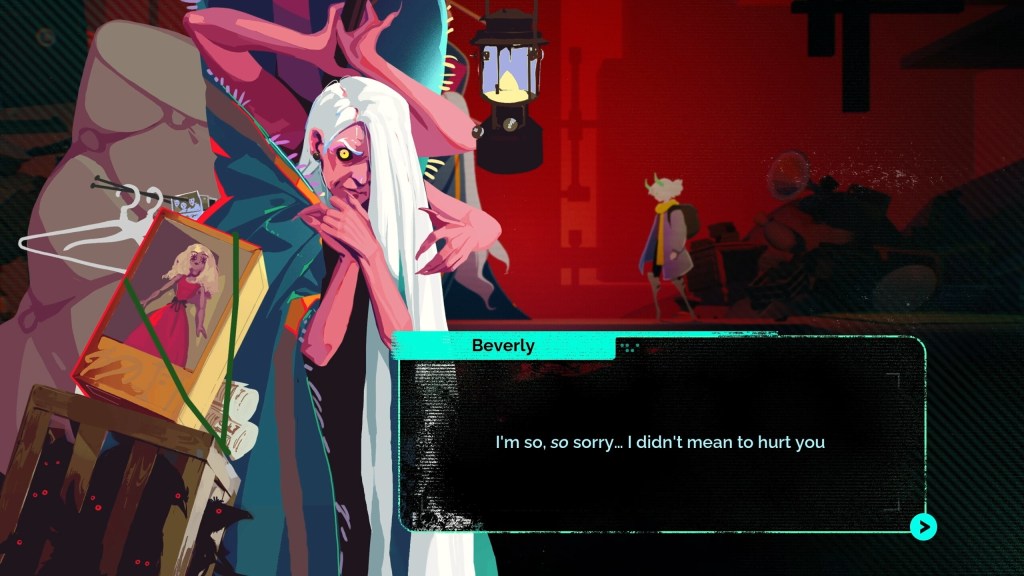
The visual style in Possessor(s) grabs attention immediately but holds it through detail rather than flashiness alone. Hand-drawn characters stand out against 3D environments soaked in grime and neon haze—creating a contrast that makes both pop without clashing.
The fusion works because it reflects the game’s core tension: human versus demon, order versus chaos. When characters move during cutscenes or fights, their animations flow like ink spilled across canvas—sometimes smooth, sometimes jagged depending on emotion or injury shown on screen.
Lighting does more than set mood—it guides exploration subtly by pulling eyes toward points of interest without shouting directions aloud. Players might follow light bouncing off puddles down alleyways instead of relying on waypoints because something about the glow feels right—and nine times out of ten, it leads somewhere worth visiting.
When does Possessor(s) come out?
Possessor(s) launches on November 11, 2025 for PC and PlayStation 5. Whether playing with mouse-and-keyboard precision or leaning back on console controls—the experience promises tension-filled action backed by rich storytelling no matter the platform choice.
An experience shaped by memory—and powered by potential
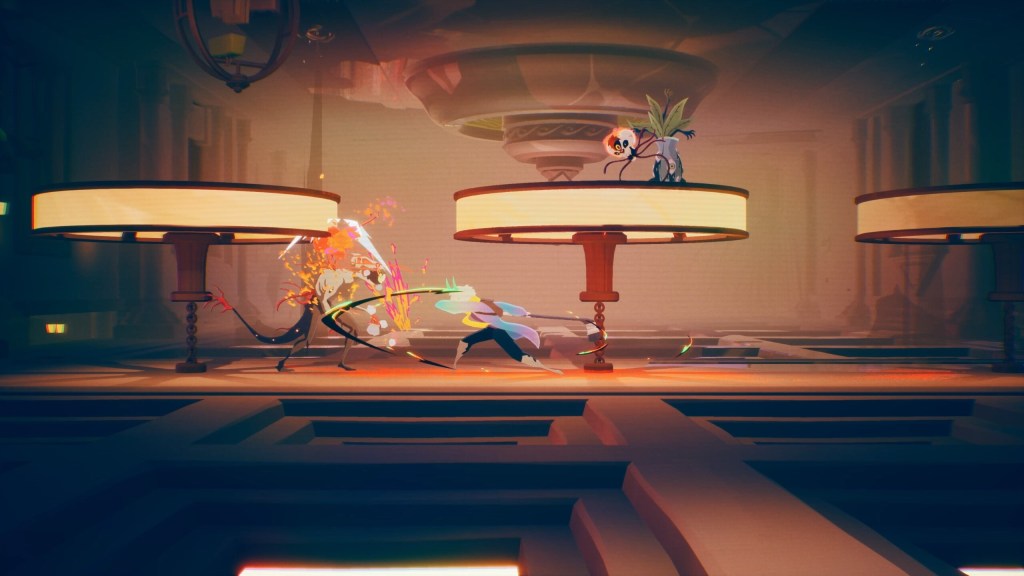
Possessor(s) echoes familiar feelings from long ago—the thrill of discovering secret rooms behind fake walls or testing new weapons against bosses twice your size without knowing if victory was even possible yet trying anyway because quitting wasn’t an option back then either.
The game doesn’t shy away from emotional weight either—offering moments where silence speaks louder than explosions as Luca watches flickers from his past play out through corrupted data files scattered around Sanzu City like digital ghosts refusing to fade away completely.
This isn’t just another stylish indie action-platformer chasing retro nostalgia—it’s something sharper. Smarter. A challenge forged not only through timing-based combat but also introspective story beats asking hard questions beneath layers of chaos-riddled gameplay brilliance.
If sharing your body with a demon meant saving your world… would you take the deal?
F.A.Q.
What is the main premise of Possessor(s)?
Possessor(s) is a fast-paced action side-scrolling platformer that combines platform-fighter precision combat with Metroidvania-style exploration. The game follows a teenager named Luca and a demon named Rhem sharing one body, navigating a post-apocalyptic world filled with chaos and mutated horrors.
What makes the combat system in Possessor(s) unique?
The combat system emphasizes fluid, fast, and precise melee fighting. Players can perform aerial combos and juggle enemies, using a variety of unconventional weapons like guitars and cellphones, alongside traditional weapons such as katanas. The combat is highly improvisational, offering a customizable loadout to suit different play styles.
How does the dual protagonist dynamic affect gameplay?
Players control Luca, who handles physical combat and traversal, while Rhem, the demon, provides supernatural abilities. This dynamic introduces narrative tension and gameplay variety, as each character’s strengths complement the other, affecting both combat and story decisions.
What type of exploration can players expect in the game?
The game features complex movement mechanics like wallrunning, floor-smashing, and swinging with a demonic energy whip. Players explore the interconnected world of Sanzu City, unlocking new areas through gained abilities, which is a hallmark of Metroidvania-style games.
What is the visual style of Possessor(s)?
The game blends hand-drawn characters with 3D environments, creating a contrast between the sci-fi horror elements and detailed animations. This artistic style enhances the game’s narrative and immersive atmosphere, inviting players to explore its richly detailed world.
When is Possessor(s) set to be released?
Possessor(s) is scheduled for release on November 11, 2025, and will be available on PC and PlayStation 5.
Who would enjoy playing Possessor(s)?
Players who enjoy precision platformer combat mixed with deep exploration, and those who appreciate unique narrative experiences will find Possessor(s) compelling. The game offers a rich, atmospheric world with multiple story paths, appealing to fans of action and adventure games.