What happens when the careful tension of Papers, Please crashes into the chaos of a zombie outbreak? That’s exactly what Brigada Games is exploring with their upcoming indie title, Quarantine Zone: The Last Check. This strategy and simulation game throws players into the boots of a checkpoint commander in a world where every cough could mean catastrophe. With medical tools in one hand and a stamp in the other, players must decide who lives, who waits—and who dies.
Brigada Games puts players at the frontline of survival
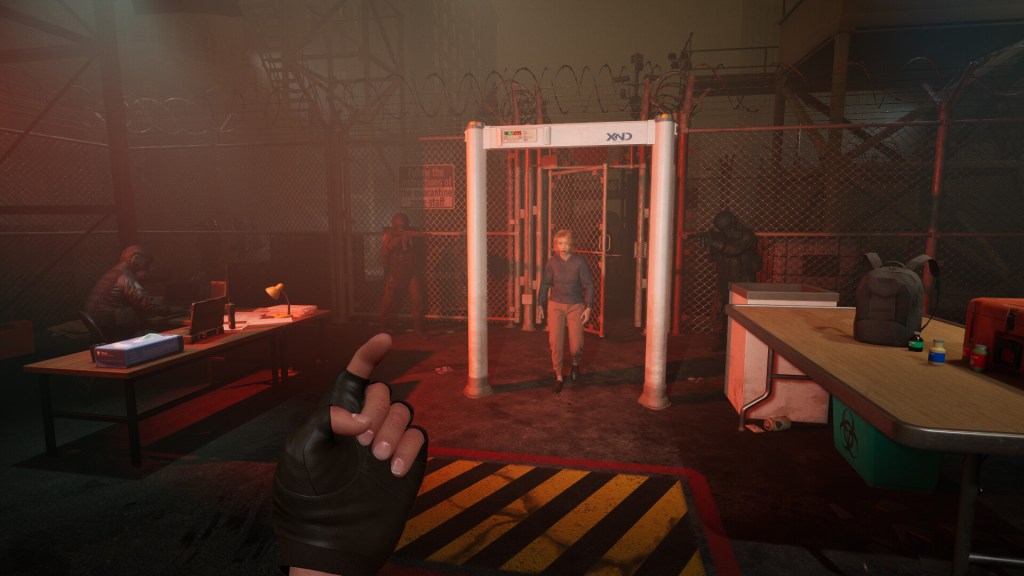
Set during a full-blown zombie apocalypse, Quarantine Zone: The Last Check hands players control over one of humanity’s last lines of defense: a government checkpoint. Survivors flood in daily, desperate for safety behind guarded walls. It’s up to the player to screen them for infection using logic puzzles disguised as medical tests, manage dwindling supplies, and hold off undead attacks when night falls.
This isn’t just about pointing guns and pulling triggers. It’s about making cold decisions under pressure. Stamp someone “Camp” too quickly, and the whole base could fall. Hesitate too long, and resources might run out before help arrives. It’s a mental chess match where every move could be fatal.
The medical mini-puzzles that decide life or death
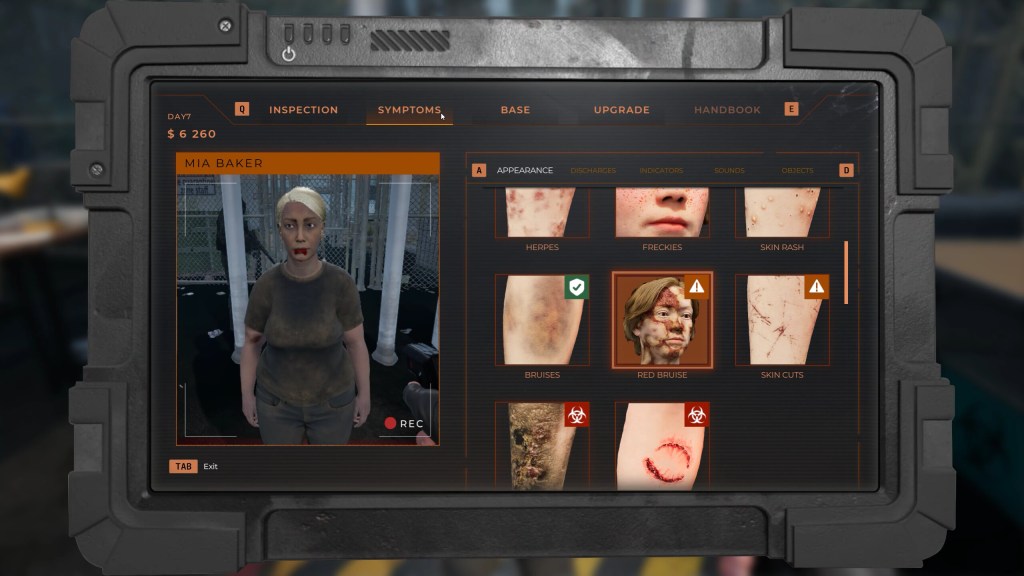
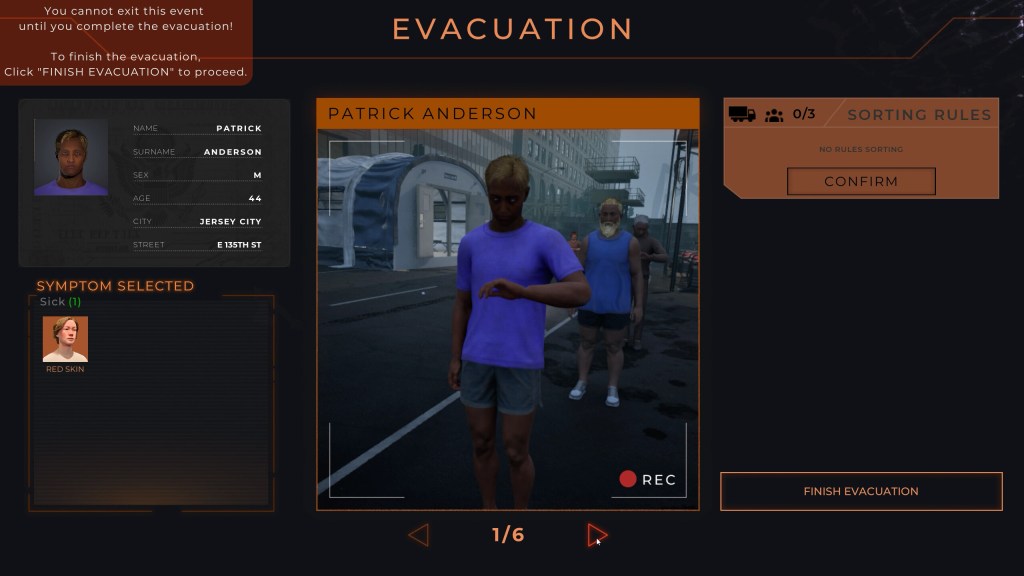
The heart of the game lies in its medical logic puzzles. Each survivor steps forward with their own mix of symptoms—or lack thereof. Players start by visually checking for wounds or signs of erratic behavior. From there, it’s time to break out the tools: an infrared thermometer for checking fevers, a UV lamp for spotting hidden infections, and even a stethoscope to catch abnormal breathing sounds.
These tools aren’t just window dressing. They feed critical data into the diagnosis process. After gathering information, players cross-reference everything with a color-coded manual that’s slick as a whistle but deadly if misread. It turns screening into something closer to solving a mini-mystery—except each wrong answer doesn’t just lose points; it risks unleashing infected chaos inside camp walls.
The final step is stamping each refugee with one of three labels: “Camp” if they’re healthy enough to join others inside, “Quarantine” if there are doubts, or “Liquidation” if they show signs of infection too far gone to risk. That last one isn’t just tough to write—it’s hard to live with.
Weighing ethics when survival hangs in the balance
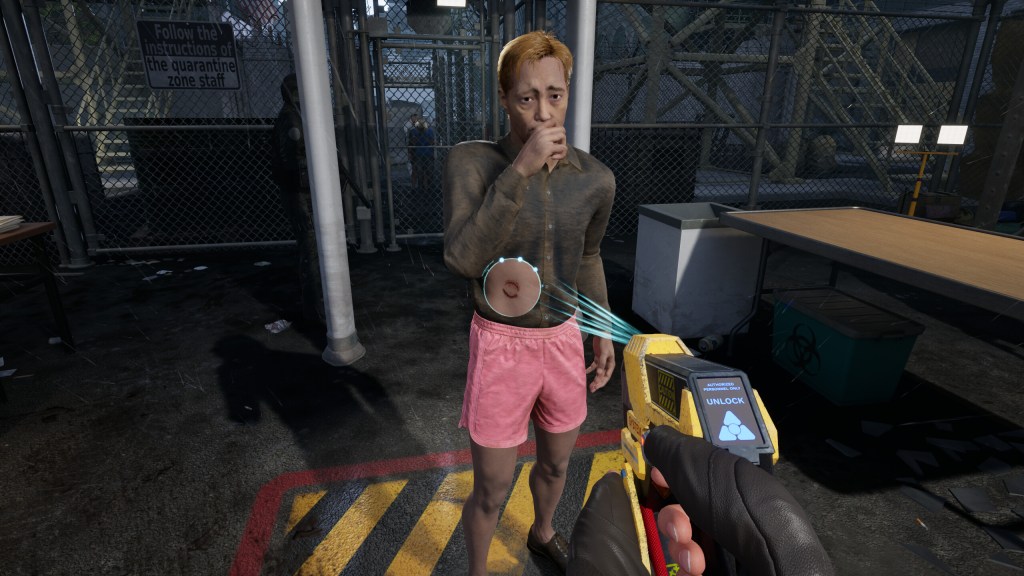
The game doesn’t shy away from making these decisions feel heavy. Every person at the gate has a name, a face, sometimes even family members begging at their side. Approving one might mean denying another later when food runs low. Sending someone to quarantine might keep others safe—but what if it was just heatstroke?
Quarantine Zone: The Last Check digs deep into these moral dilemmas. It asks players not only what they would do but how far they’d go to protect order over empathy. There are no perfect choices—only consequences that echo through every corner of base operations.
This reminded one strategy-minded player of her time spent agonizing over rationing medicine in survival sims like This War of Mine. In those games too, she often paused—not because she didn’t know the answer—but because she wasn’t sure she could live with it.
A base is only as strong as its weakest link
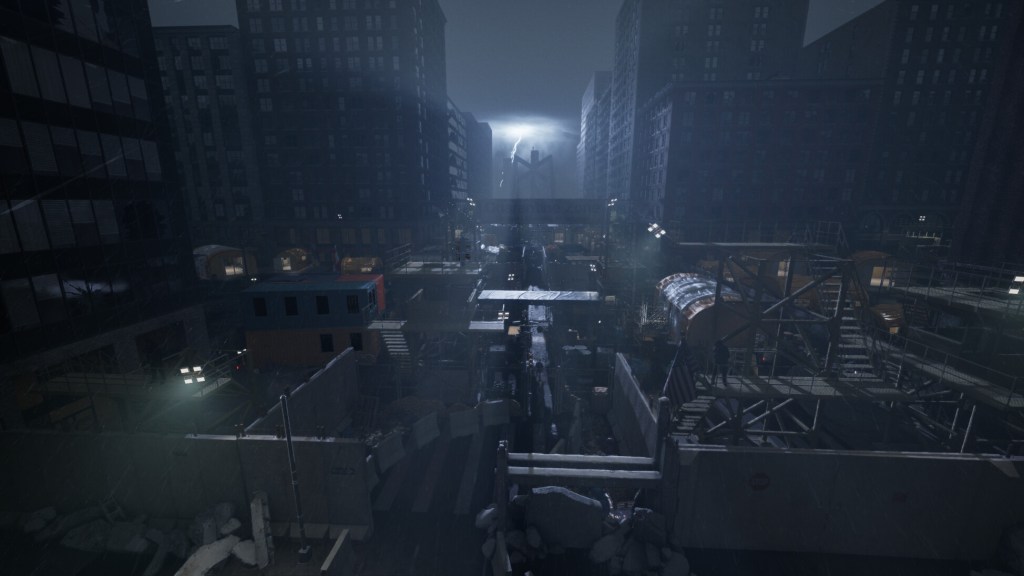
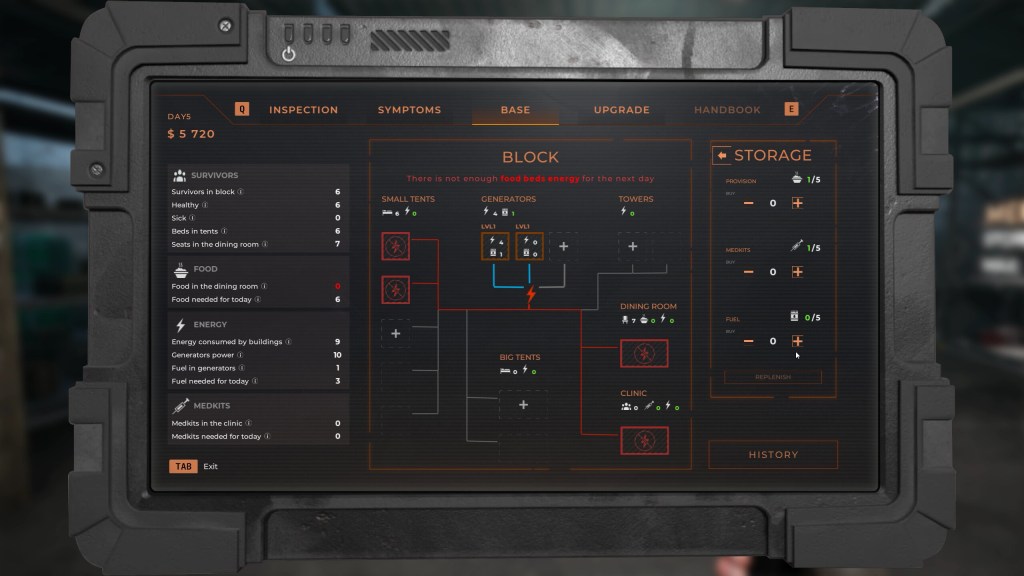
Once survivors are inside (or not), the next battle begins—keeping everyone alive with what little remains. Food needs dividing fairly or fights will break out. Fuel powers heaters and generators but runs dry fast during winter nights or power outages. Beds need assigning wisely or morale will collapse faster than defenses.
Players don’t just manage numbers on spreadsheets—they face ripple effects from earlier decisions at the gate. Letting too many sick people through means disease can spread; rejecting strong workers can slow down extraction efforts needed to rebuild infrastructure or find better shelter.
The longer things drag on, the worse it gets. Resources dwindle while stress piles high like bodies behind barbed wire fences.
Shooters meet strategy when night falls
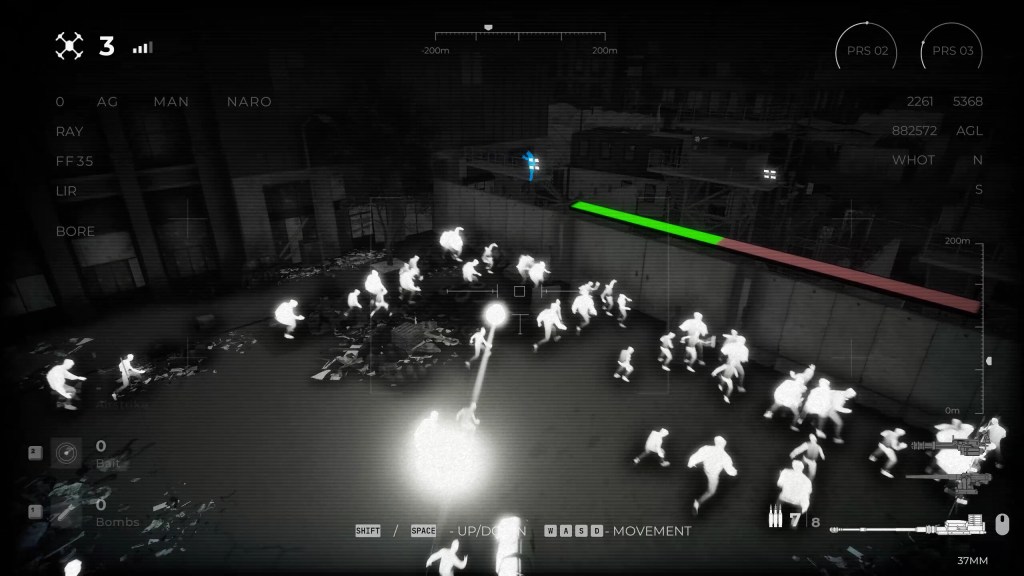
If daylight hours feel tense with paperwork and moral calculus, nighttime drops all pretense and kicks down the door—literally. Hordes descend under cover of darkness, testing how well players have prepared defenses around their fragile compound.
This is where first-person shooter elements leap onto center stage. Players must operate turrets themselves during sieges, aiming down scopes while undead claw toward barriers that were barely holding this morning. Turrets jam; walls crumble; alarms blare like banshees through static-filled radios.
The sudden shift from quiet paperwork to high-octane defense jolts players awake—and mirrors real-life crisis management where calm planning can give way to total panic within seconds.
A simulation that feels uncomfortably real
Quarantine Zone: The Last Check goes beyond zombies gnashing teeth—it simulates something far scarier: bureaucracy under pressure. Players aren’t action heroes mowing down monsters—they’re desk-bound agents trying to hold civilization together with clipboards and coffee-stained manuals.
This immersive style makes even small interactions feel loaded with meaning. Each stamp carries weight; each denied entry might save dozens—or doom them unjustly outside cold fences never meant for mercy.
The game captures psychological realism better than most survival horror titles by leaning into tension not created by monsters—but by rules that don’t bend when emotions beg them to.
Puzzle-solving meets panic in this genre-bending hybrid
If this sounds like juggling chainsaws while solving math problems—it kind of is. But somehow it works because each system feeds into another so naturally that switching gears from logic puzzles to base building feels smooth instead of scattered.
Puzzle fans get their fix diagnosing tricky cases under time crunches; management lovers dive deep into balancing rations versus morale; FPS fans flex reflexes against late-night raids from rotting hordes crashing through gate doors like battering rams made of meat.
The blend keeps things fresh across long play sessions without turning disjointed—a rare feat in games trying to be everything at once yet somehow pulling it off here like clockwork stitched together by duct tape and dread.
When does Quarantine Zone: The Last Check come out?
Quarantine Zone: The Last Check is set for release on PC sometime in November 2025 (though early rumors hinted at September). Developed by Brigada Games, it sits squarely within indie simulation/strategy territory while borrowing freely from survival horror and first-person shooter genres without losing its identity along the way.
A unique game for players hungry for more than action
If counting bullets isn’t enough anymore—and players crave games that count their conscience instead—this one hits different in all the right ways. Fans who loved Papers, Please, enjoyed tough choices in narrative-heavy indies like This War of Mine, or just want something new out of their zombie experiences will find plenty here worth sinking hours—and hearts—into.
No two days feel alike behind that checkpoint desk because no two survivors walk up exactly the same way—or leave with identical outcomes either… if they leave at all.
The question now is simple but terrifying: When push comes to shove… who gets stamped “Camp” on your watch?
F.A.Q.
What is the main gameplay focus of Quarantine Zone: The Last Check?
The primary gameplay revolves around managing a checkpoint during a zombie apocalypse. Players are tasked with screening survivors using medical logic puzzles, making critical decisions, and managing a base. The game combines elements of strategy, simulation, and first-person shooter mechanics.
How do the medical logic puzzles work in the game?
Players use tools such as an infrared thermometer, UV lamp, and stethoscope to assess survivors for signs of infection. The gathered data is cross-referenced with a color-coded manual to diagnose each survivor, who is then categorized as “Camp,” “Quarantine,” or “Liquidation” based on their health status.
What kind of moral dilemmas do players face?
The game presents players with tough ethical choices, such as deciding who gets shelter and who does not, balancing resources, and considering the consequences of each decision. These dilemmas highlight the tension between survival and empathy in crisis situations.
How does the game incorporate base management?
Beyond screening survivors, players must manage resources, assign lodging, and oversee extraction efforts to maintain the base’s operations. This involves strategic planning and resource allocation to ensure the survival of the community within the base.
What happens during the nighttime in the game?
At night, the base is attacked by zombie hordes. Players must defend the base using turrets and other defense mechanisms. This introduces a first-person shooter element, shifting the gameplay from strategy to action as players fend off the undead.
When is the expected release date for Quarantine Zone: The Last Check?
The game is set to be released on PC in November 2025, although early rumors had suggested a September release. It is developed by Brigada Games and offers a unique blend of simulation, strategy, and survival horror.
What makes Quarantine Zone: The Last Check different from other zombie games?
The game stands out due to its focus on bureaucratic tension and moral complexity rather than just action or survival. It combines medical diagnosis puzzles with base management and defense, offering a fresh perspective in the zombie genre by focusing on the role of a quarantine gatekeeper.