Time loops usually mean big battles or world-ending disasters. But Rue Valley takes a different route. This isometric RPG traps its main character in the same day again and again—not to save the world, but to face his own mind. Set in a quiet desert motel, the game uses memory, emotion, and identity as its weapons. It’s not about grinding levels or slaying dragons. It’s about understanding what broke a man, and whether he can be put back together.
The time loop isn’t just for mystery—it’s a mirror into the mind
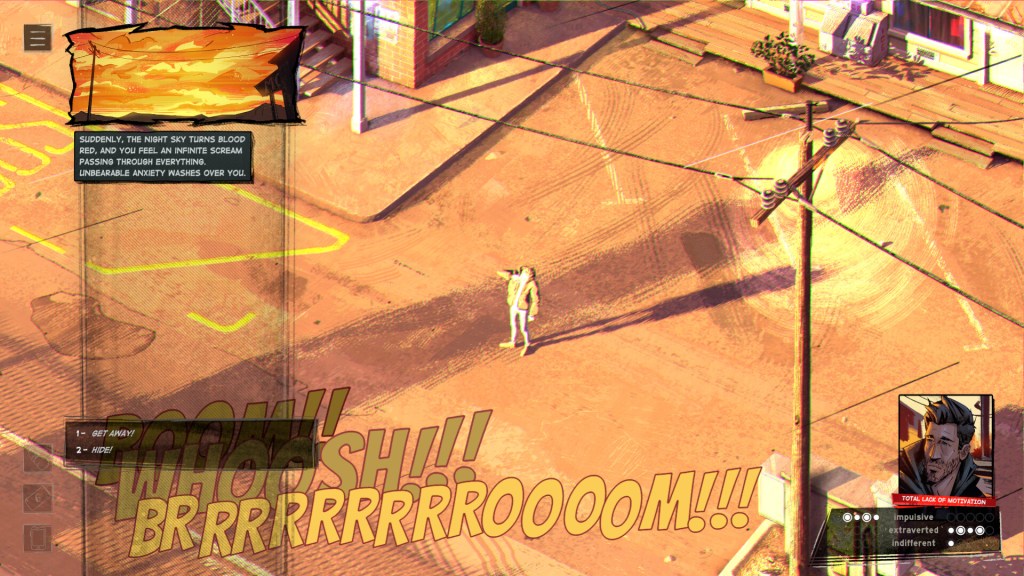
In Rue Valley, the time loop isn’t a puzzle to escape. It’s the tool that opens the door into the protagonist’s thoughts. Each day resets with small but important changes. These shifts aren’t random—they reflect the player’s choices and emotional state. The loop becomes less about what happened and more about why it keeps happening.
After each loop, players sleep. But this sleep doesn’t bring rest—it unlocks memories. These aren’t typical flashbacks either. They’re interactive spaces where players spend willpower to explore past traumas, intentions, and regrets. Instead of slaying monsters or collecting gear, players dive deeper into the character’s broken history.
This mechanic feels more like therapy than questing—and that’s by design. The game replaces traditional RPG goals with personal growth milestones. Every decision isn’t just about changing the story; it’s about reshaping who the protagonist becomes when he wakes up again.
Personality isn’t fixed—it bends with your choices
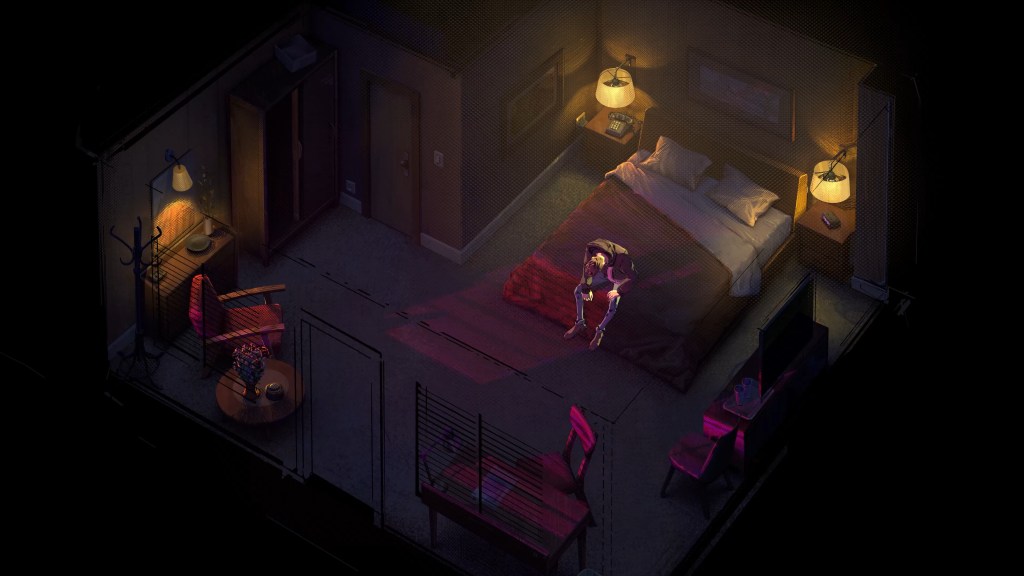
Most RPGs let players build a character with set traits—strong, smart, kind-hearted—and stick to them until the end. Rue Valley throws that idea out entirely. Here, personality is fluid. It changes based on actions, dialogue choices, and even internal thoughts.
The game tracks traits like honesty, empathy, confidence, and more subtle aspects like guilt or detachment. These aren’t stats for combat—they’re keys that open different parts of conversations and memories. One loop might see the protagonist as closed-off and bitter; another might reveal a gentler side shaped by player choices.
This makes every interaction feel layered and alive. A simple talk with another motel guest might go completely differently depending on whether the character is feeling desperate or hopeful that day.
Status effects don’t just change numbers—they change who you are

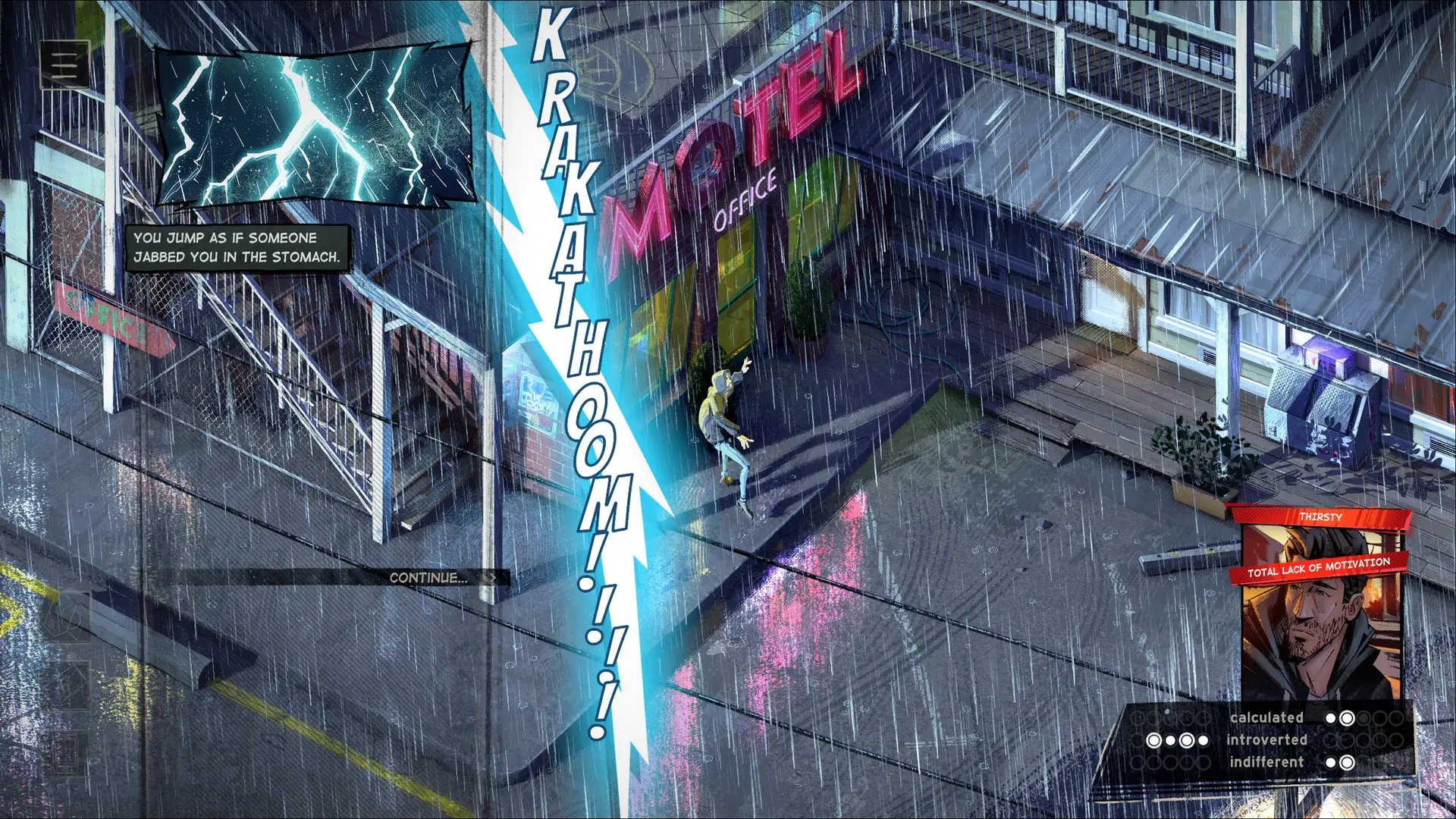
In Rue Valley, status effects aren’t things to cure—they’re pieces of identity to understand. Feeling anxious might close off certain dialogue options but open up others rooted in vulnerability or paranoia. Being drunk doesn’t just blur vision—it makes the protagonist more outgoing or reckless in social situations.
The game treats physical conditions like thirst or fatigue not as penalties but as lenses through which players view the world differently each loop. This leads to fascinating moments where gameplay aligns tightly with narrative tone.
There was one loop where the protagonist woke up hungover after choosing to drink himself numb in a previous iteration. His hands trembled during conversations, eyes darting away from people trying to connect with him—and suddenly an ordinary coffee cup felt heavier than any weapon in an action RPG ever has.
A hand-drawn comic book world steeped in quiet dread
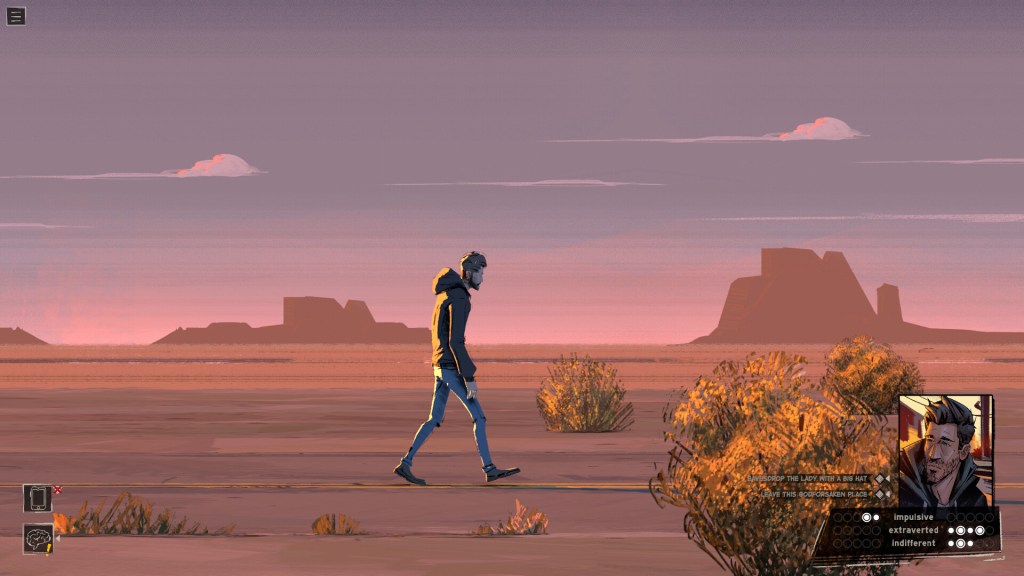
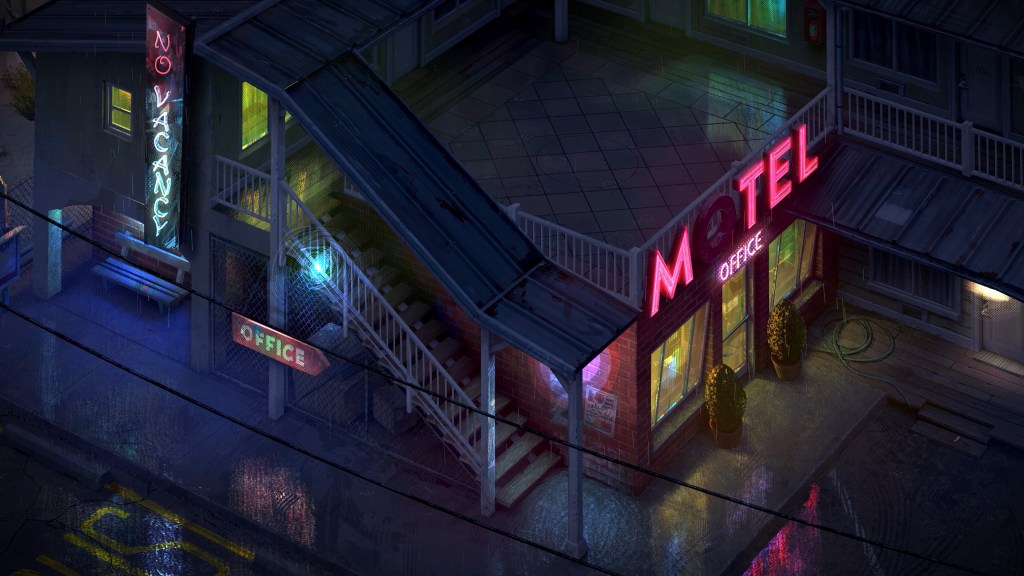
Visually, Rue Valley leans into its eerie motel setting with confidence and style. The isometric view gives it structure while its comic book art direction brings texture and emotion to every scene. Characters are drawn with expressive faces that shift depending on their mood—or yours.
The red glow of the motel sign bleeds into most scenes like a warning light stuck on forever, casting shadows that feel both warm and unnerving at once. The color palette shifts subtly between loops too—sometimes washed-out like faded memory, other times sharp like fresh pain returning after sleep.
The animations are smooth but restrained—no over-the-top gestures here—just people talking with tired eyes or sitting quietly in silence that says more than any line of text ever could.
A funky yet haunting soundtrack that fills empty spaces
The music in Rue Valley walks a strange line between catchy funk rhythms and unsettling background noise—and it works brilliantly. Tracks blend into ambient sounds like motel air conditioners humming or distant cars passing by on empty highways.
This mix creates tension without loud scares or sudden shifts—it lingers instead of striking fast. There’s an intentional discomfort in hearing upbeat tunes echo through lonely hallways lined with secrets no one wants to say out loud.
One track sticks out: a twangy guitar riff layered over slow drumbeats plays during memory dives—and it somehow makes trauma feel both surreal and real at once.
A layered mystery told through repetition and reflection
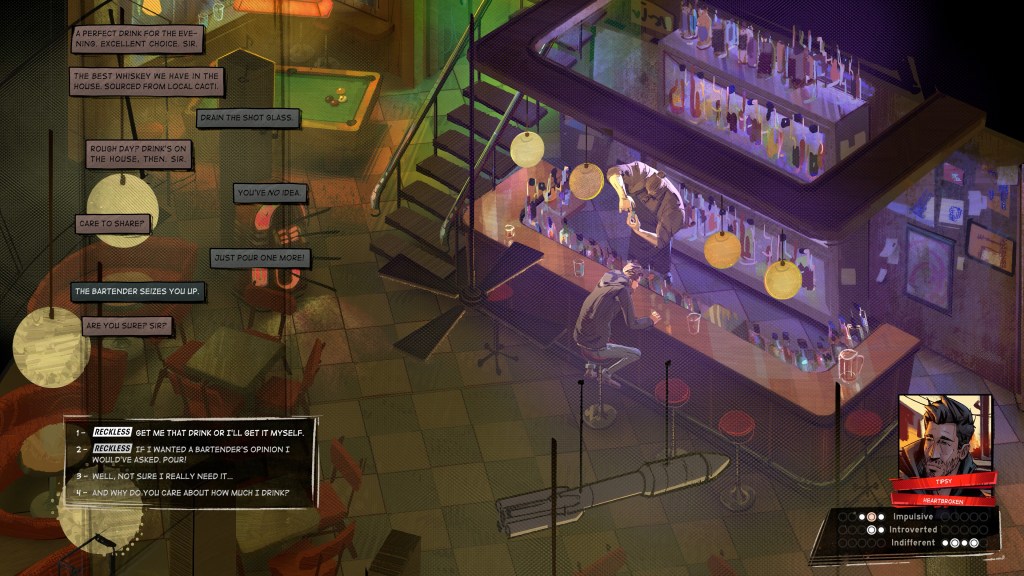
The core story of Rue Valley unfolds slowly across many loops—not because it’s hiding secrets behind locked doors but because understanding takes time here—real time measured in emotional effort instead of hours played.
The motel is filled with odd guests—each carrying pieces of truth wrapped inside lies or half-memories they refuse to share easily. Players must earn trust—or manipulate emotions—to learn more each loop cycle.
As truths unravel about who the protagonist was before this nightmare began—and what role he played in making it happen—the question shifts from “How do I break free?” to “Should I want to?”
Memories become quests where healing replaces heroism
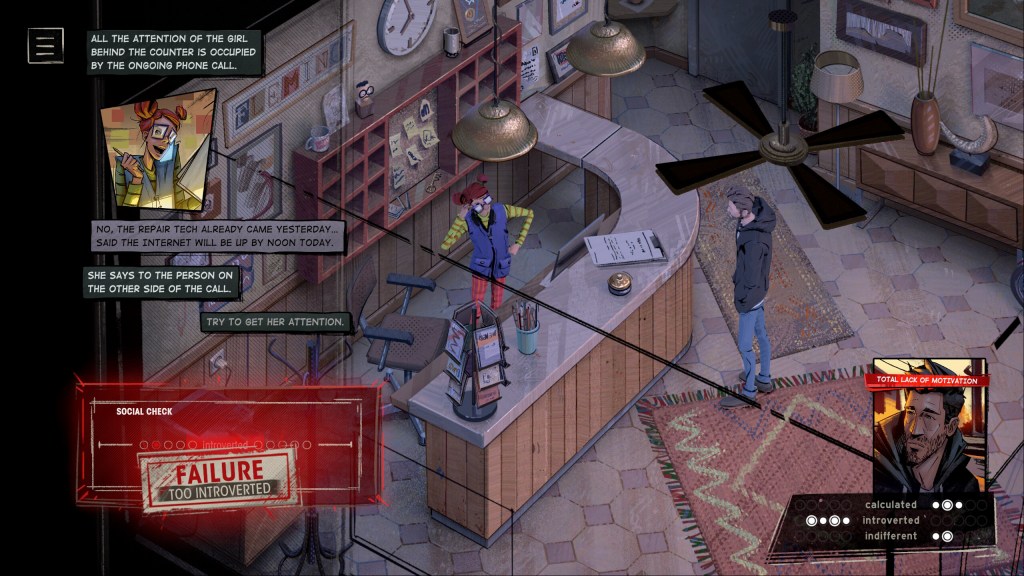
Instead of giving players tasks like “fetch this” or “kill that,” Rue Valley sends them into fragments of thought: blurry school hallways, tense family dinners, phone calls cut short by anger or fear.
These memory quests aren’t linear—they branch based on player input and emotional state at entry points within each loop cycle. A conversation may lead down one path if entered angry; another if approached calmly after facing earlier regrets head-on during prior loops.
This system demands engagement beyond button mashing—it asks for emotional honesty from both character and player alike—and rewards it not with loot but insight.
A modern setting makes supernatural elements hit harder

Setting Rue Valley in a present-day desert motel makes everything hit closer to home than fantasy worlds ever could. There are no dragons here—just dusty vending machines full of expired snacks and cracked bathroom mirrors reflecting someone barely holding on.
This realism anchors every strange thing that happens—the looping time structure feels less like magic than madness creeping around familiar corners of forgotten places.
The contrast between ordinary setting and unnatural repetition creates unease stronger than any horror jump-scare ever could—and adds weight when something finally breaks through normalcy enough to shake reality loose at its edges.
When does Rue Valley come out?
Rue Valley is set for release on November 11, 2025 for PC via Steam, inviting players who crave emotional depth over fast-paced action into its looping nightmare dressed as a sunlit motel stay gone wrong.
This is not just another indie RPG trying something new—it’s a carefully crafted descent into memory built around storytelling systems most games never dare touch—with mechanics tuned for introspection rather than power fantasy thrills.
If each loop held one new truth about yourself—would you keep going back?
F.A.Q.
What is the main theme of Rue Valley?
Rue Valley focuses on exploring the protagonist’s mental health and emotional struggles through a unique time loop mechanic. Unlike traditional RPGs, it emphasizes introspection, personal growth, and understanding over combat and fantasy quests.
How does the time loop mechanic work in Rue Valley?
The time loop in Rue Valley serves as a tool for the protagonist to delve into his psyche. Each loop resets the day with subtle changes based on the player’s choices and mental state, allowing the player to explore memories and emotional traumas.
What makes Rue Valley’s gameplay mechanics unique?
Rue Valley features a dynamic personality system where character traits like honesty, empathy, and confidence evolve based on player choices. Status effects such as anxiety or drunkenness influence dialogue options and narrative pathways, providing a personalized story experience.
How does Rue Valley address mental health themes?
The game tackles complex emotional themes by allowing players to explore the protagonist’s past traumas and regrets. It uses interactive memory spaces instead of traditional quests, encouraging emotional engagement and personal reflection.
What is the visual and audio style of Rue Valley?
Rue Valley uses a hand-drawn, comic book-inspired art style with expressive animations and a moody color palette. Its soundtrack blends funky rhythms with eerie ambient sounds, enhancing the game’s atmospheric and mysterious setting.
When is Rue Valley set to be released?
Rue Valley is scheduled for release on November 11, 2025, for PC via Steam. Players interested in emotional depth and narrative-driven gameplay can look forward to its unique take on the RPG genre.
What kind of player would enjoy Rue Valley?
Rue Valley is ideal for players who appreciate narrative-rich games with deep emotional and psychological themes. It’s suited for those who enjoy innovative storytelling devices, such as time loops, and prefer character-driven experiences over traditional fantasy RPG elements.