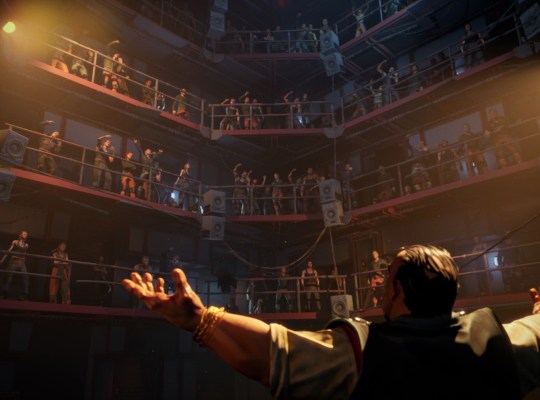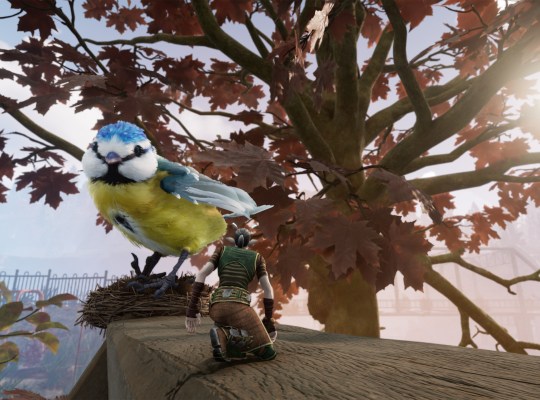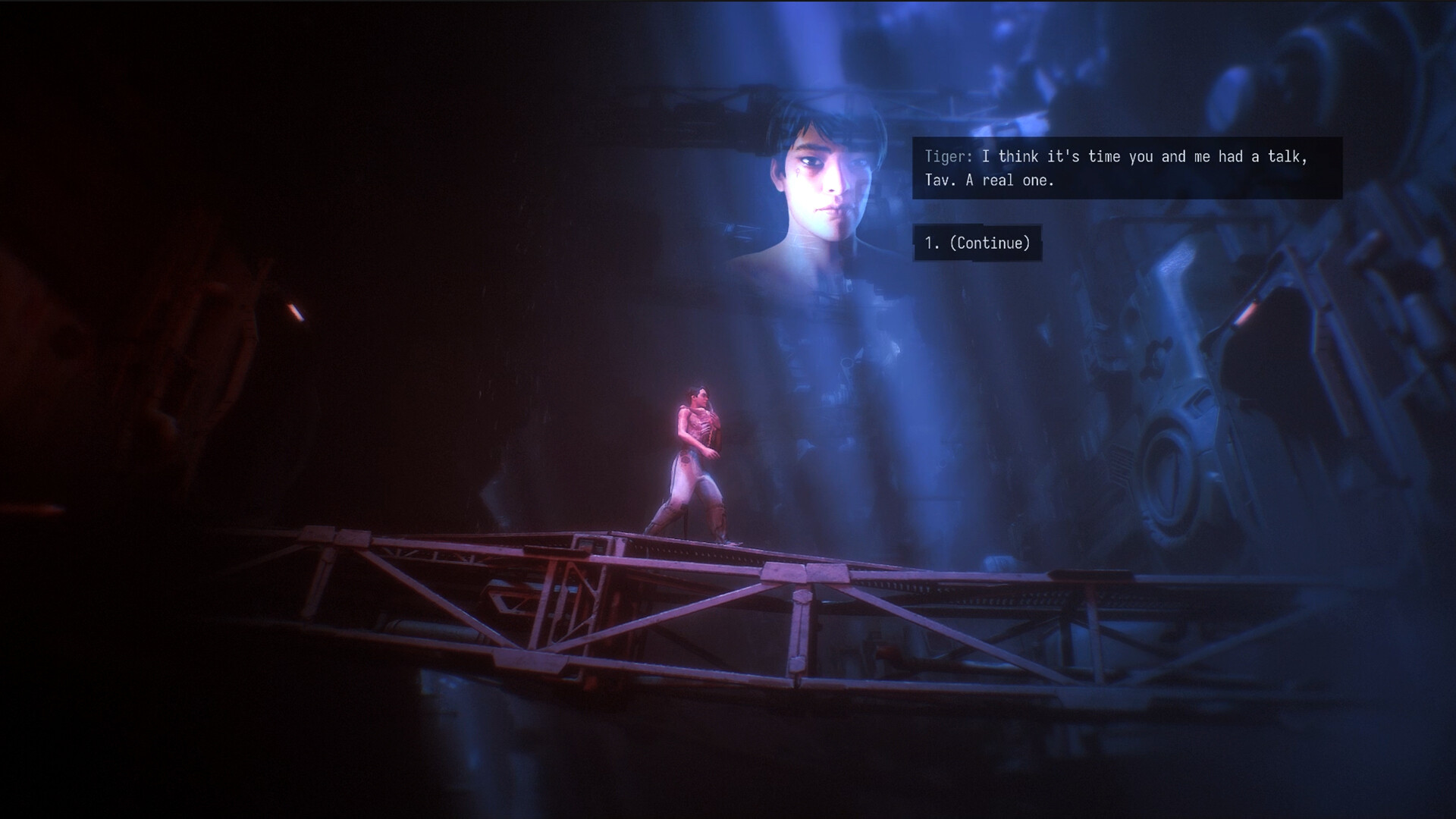
Imagine waking up with someone else’s arm stitched to your body—and their memories bleeding into your mind. That’s the grim promise of Graft, a post-cyberpunk survival horror RPG from Harebrained, the studio behind the Shadowrun trilogy and BattleTech. In this twisted world, players must harvest body parts from fallen enemies to stay alive, but each graft changes more than just combat stats—it chips away at who they are, or once were.
A decaying space station filled with nightmares and half-dead history
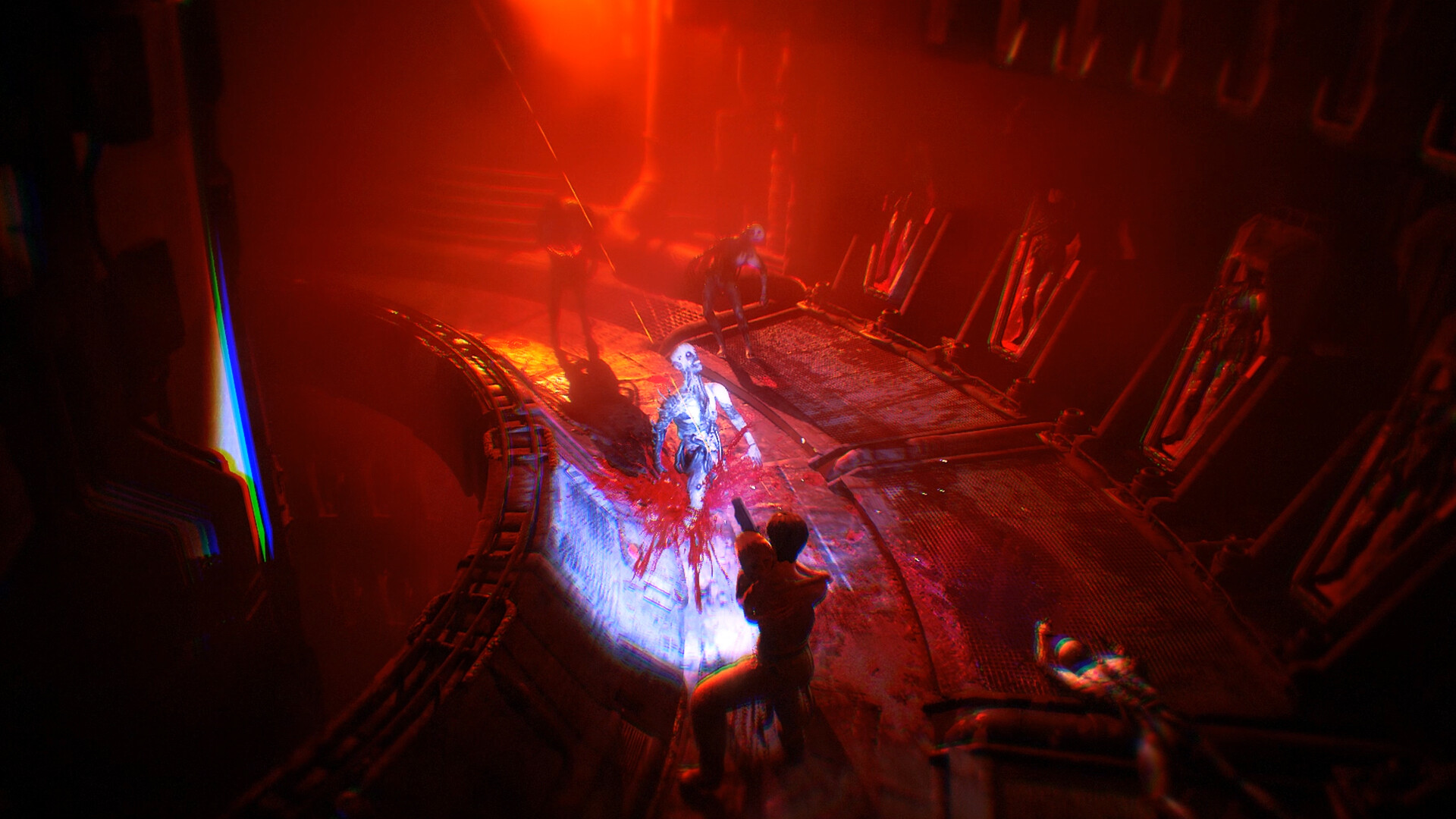
The Arc was once a marvel of human ambition. A continent-sized space station orbiting some distant star, it housed a society powered by biomechanical enhancements and relentless progress. But now it’s falling apart—literally and figuratively. The Arc is overrun by failed experiments, rogue AI, and monsters born from tech gone wrong. Hallways flicker with failing lights. Doors groan open to reveal rusted labs crawling with abominations.
This setting doesn’t just serve as background noise. It shapes every step of the journey. Players aren’t just fighting for survival—they’re picking through the ruins of a civilization that tried to merge flesh and machine and lost itself in the process. The Arc isn’t just dying; it’s remembering what it once was, and those memories echo through its darkest corners.
Combat is slow, tense, and always one mistake from disaster
Graft uses a top-down isometric view that fans of Harebrained’s earlier games will recognize right away. But this isn’t turn-based strategy—it’s raw survival horror filtered through tactical thinking. Ammo is limited. Weapons break down fast. Every fight risks permanent damage unless players come prepared—or improvise with tools ripped straight from their enemies’ bodies.
Resource management matters here. One wasted bullet can mean death later on. Deciding whether to fight or flee isn’t just smart—it’s survival instinct. But victory doesn’t come without cost, because every enemy killed opens the door to transformation through grafting.
The grafting system: power at the price of self

This is where Graft sets itself apart from almost anything else out there. Players can attach limbs, organs, or augmentations from defeated foes onto their own character—a mechanic that echoes Elden Ring’s grotesque Godrick, though here it digs far deeper into psychological horror.
Each graft changes how the player fights, explores, or even interacts with others. Some might give razor-sharp claws or extend vision across shadowed corridors. Others might unlock doors sealed by old biometric locks—or let players understand languages long lost to time.
But nothing comes free on the Arc. These grafts carry fragments of their previous owners: flickers of memory during sleep cycles, sudden cravings for things long forgotten, even emotional triggers tied to sights or sounds that make no sense—until they do.
This mechanic turns every upgrade into a moral dilemma. Add enough pieces from enemies and eventually the question becomes unavoidable: how much of “you” is left? When alliances start to falter because fellow survivors no longer recognize who—or what—you are becoming, it forces real decisions about how far to go for power…or for escape.
Relationships shaped by trust—and transformation
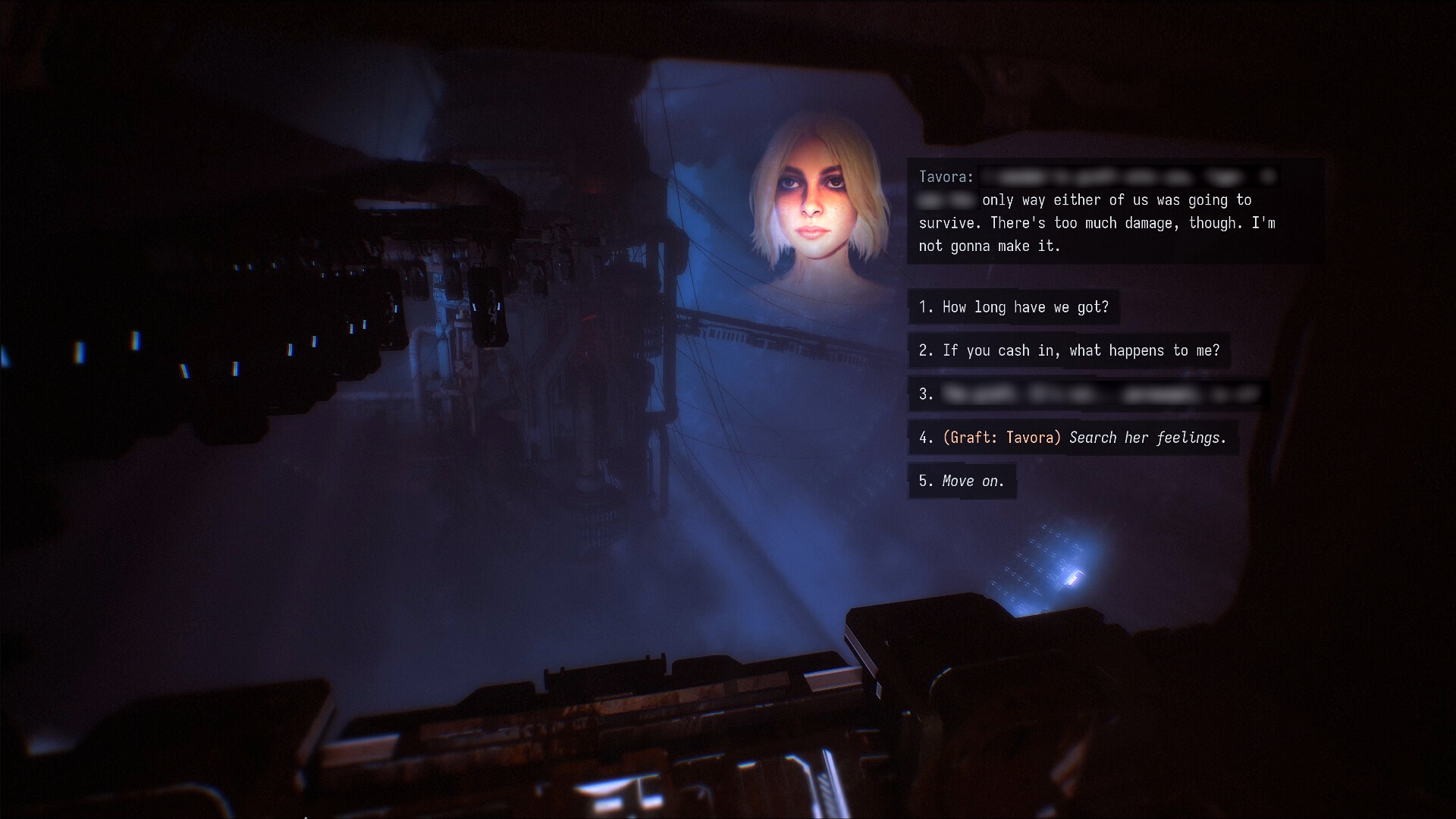
Graft leans hard into RPG territory when it comes to story choices and character development. Survivors scattered across the Arc offer help—or resistance—based on player actions and appearance. Building trust isn’t just about kind words; it might mean hiding certain grafts or proving loyalty through shared danger.
Choices ripple outward here: saving someone might lead to a fragile alliance later on…or paint a target on your back if other factions see weakness in mercy. NPCs remember what was said—and what was done—and those memories shape how they respond as the game progresses.
Character builds grow around graft combinations too, meaning multiple playthroughs can feel radically different depending on what parts are taken—or refused—and how those changes affect identity, relationships, and abilities alike.
A world built for dread-filled discovery
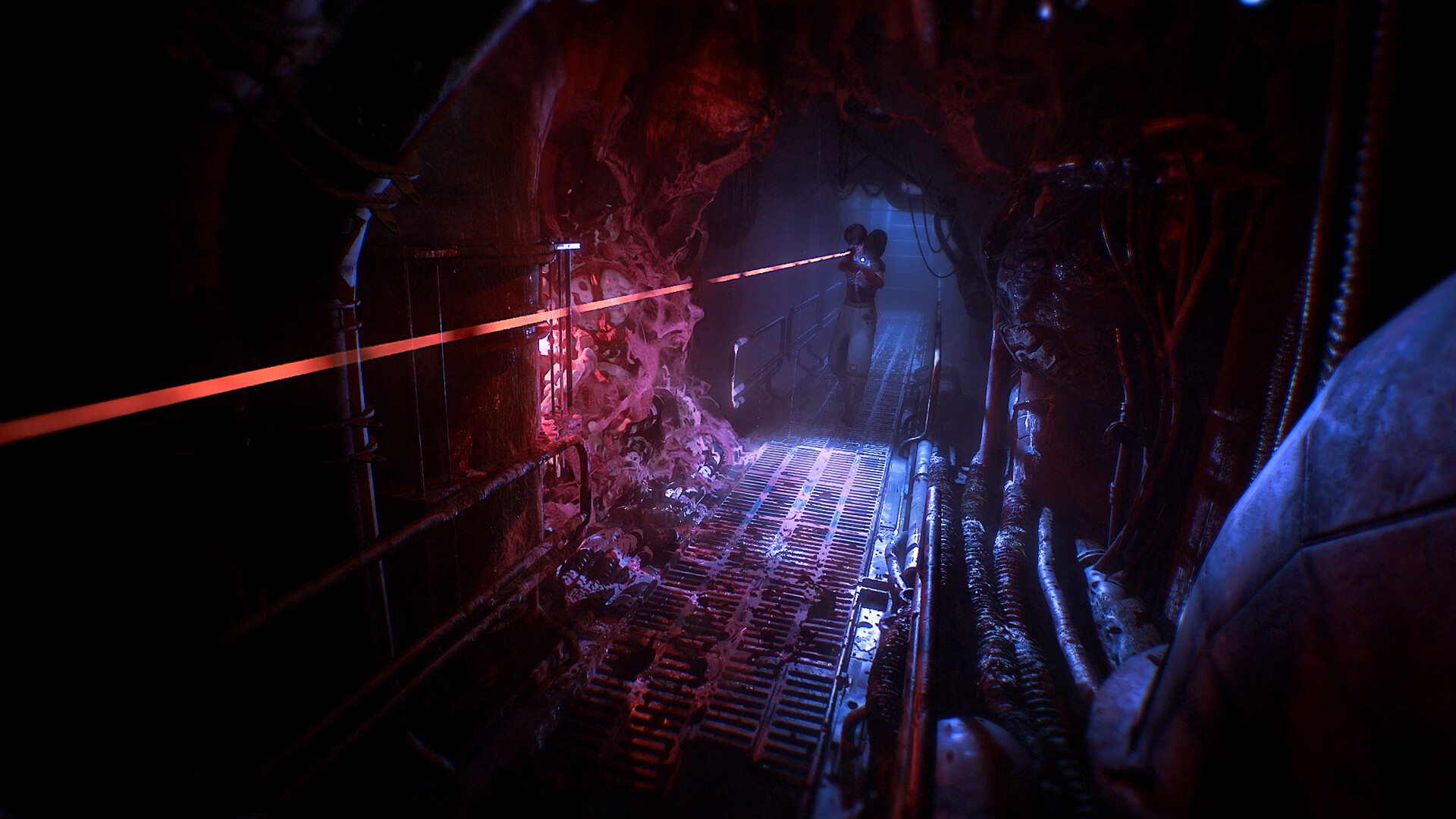
The Arc isn’t just big—it’s labyrinthine in design and mood alike. Players wander yawning chasms strung between broken towers where gravity warps at odd angles; they descend into techno-catacombs filled with tangled wires and forgotten machines still humming after centuries alone.
This world pulses with eerie energy: machinery fused with flesh; corridors that loop back on themselves like living mazes; voices whispering in dead languages across intercoms that should’ve gone silent long ago.
The post-cyberpunk aesthetic oozes despair but also wonder—a decaying marvel where beauty still clings like moss on ruins. And sometimes exploration means unlocking ancient tech that shifts how entire sectors behave—rewiring doors or lighting up zones otherwise lost in darkness forever.
A legacy of deep RPG design meets bold new horror mechanics
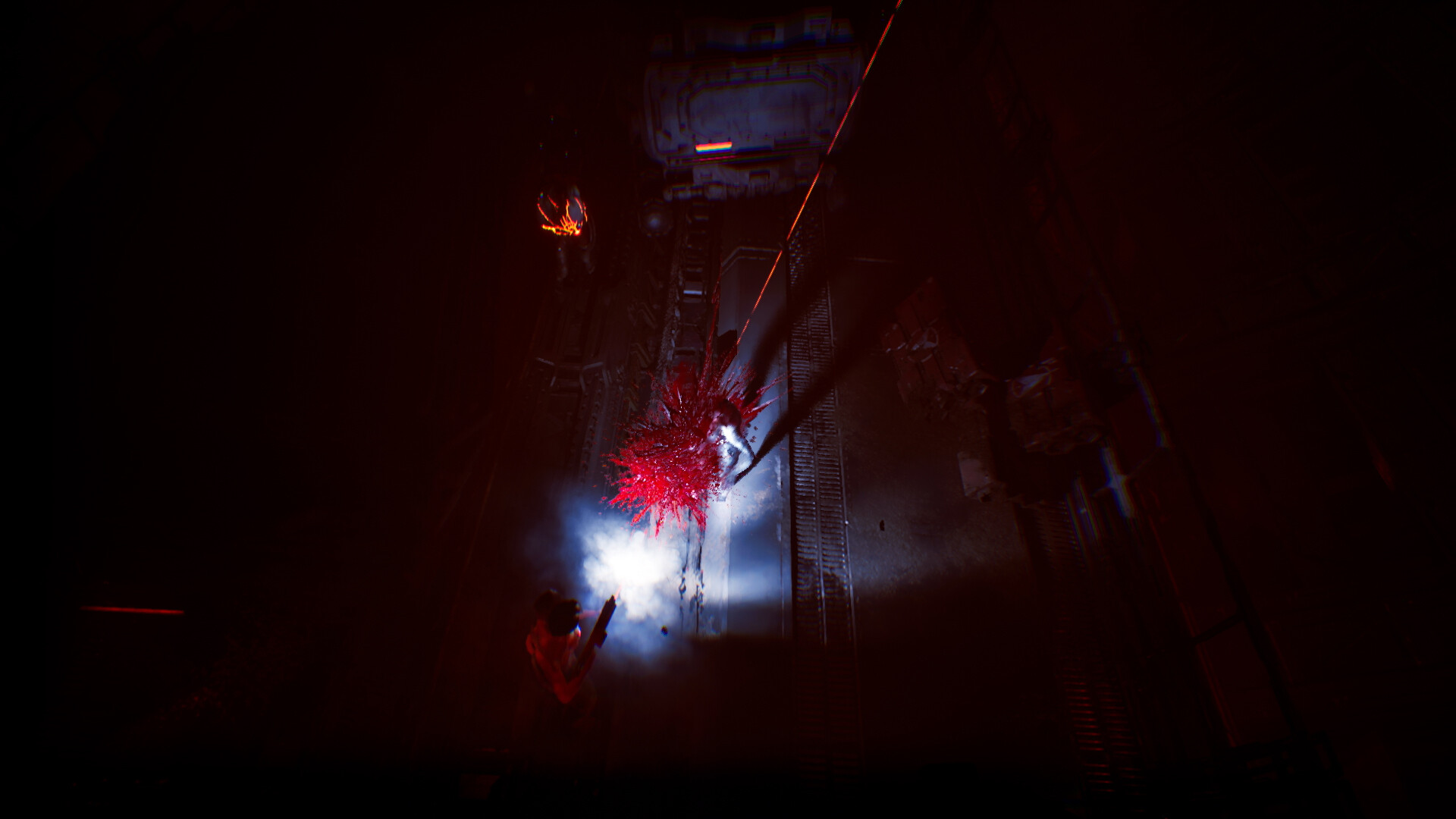
Harebrained has always delivered thoughtful systems wrapped in strong settings—from cyberpunk noir in Shadowrun Returns to gritty mech warfare in BattleTech—but Graft feels like its most daring experiment yet.
The studio’s comfort with isometric perspective allows them to focus more deeply on mechanics like tension-based combat and meaningful upgrades without bloating systems unnecessarily. And by tying gameplay progression directly into psychological storytelling—where every mechanical benefit adds emotional weight—they’ve built something rare: an RPG where choices don’t just change numbers—they alter identity itself.
The Ship of Theseus question (“If you replace every part of yourself piece by piece…are you still you?”) isn’t just academic here—it’s constant reality woven into mechanics, dialogue trees, exploration paths, even enemy encounters that react based on who players have become so far.
When does Graft come out?
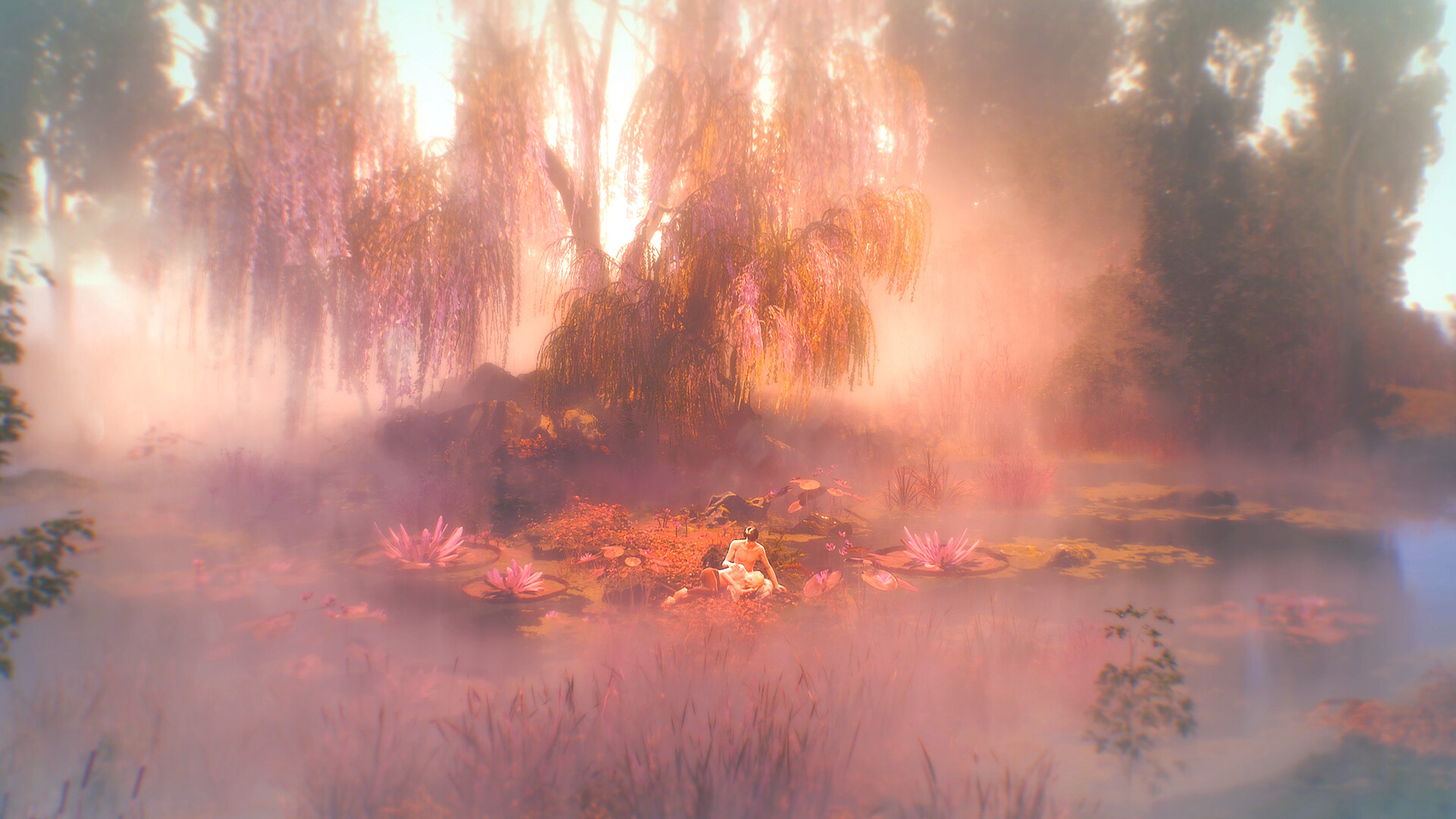
Graft currently has no set release date as of late 2024 but is available now to wishlist on PC via Steam and Epic Games Store platforms only—not to be confused with an unrelated card game sharing its name.
The studio remains quiet about launch timing but continues teasing new content via trailers and dev posts hinting at layered systems still under wraps—including possible multiplayer elements or expanded narrative trees tied to extreme body modifications not yet shown publicly.
A game asking what humanity looks like when there’s nothing human left
Back when Shadowrun first let players blend magic with machine in rain-soaked alleys filled with neon ghosts, Harebrained showed they understood both mood and mechanics working together in harmony. With Graft, they’re pushing further—into horror not just as monsters lurking in shadows but as questions clawing inside one’s mind after every transformation taken for survival’s sake.
The studio’s gamble rests not just on innovation but immersion—on making players feel unease not because something moved in the dark corner…but because their reflection doesn’t look quite right anymore either.
If survival means losing everything familiar—body parts included—is escaping even worth it?
F.A.Q.
What type of game is Graft?
Graft is a post-cyberpunk survival horror RPG developed by Harebrained, known for its unique mechanic of grafting enemy body parts onto your character to survive in a decaying space station called the Arc.
When does Graft come out?
Graft currently has no set release date as of late 2024 but is available to wishlist on PC via Steam and Epic Games Store.
What platforms will Graft be available on?
Graft will be available on PC through both Steam and the Epic Games Store upon its release.
Does Graft have a unique gameplay feature?
Yes, Graft features a unique grafting system where players can attach limbs, organs, and augmentations from defeated foes, affecting both gameplay and the character’s identity.
Is Graft worth playing for RPG fans?
Graft offers a fresh take on the survival horror genre with deep RPG elements, making it appealing for fans interested in psychological depth, identity transformation, and atmospheric storytelling.
What is the main setting of Graft?
The game is set on the Arc, a vast, decaying space station once powered by biomechanical enhancements, now overrun by rogue AI and experimental abominations.
Does Graft have multiplayer elements?
While the studio has teased possible multiplayer elements, there are no confirmed details about multiplayer features as of the latest updates.