Polish developer Sonka is pushing horror games into strange, thrilling new territory with Holstin, a survival horror set in a decaying 1990s town where reality breaks apart and madness seeps into every crack. Using a custom-built “2XD Rendering” system, the game switches between camera views—top-down, side-scrolling, third-person combat, even first-person driving—to match each moment of tension. The result is a deeply immersive, unpredictable experience that refuses to sit still.
A crumbling Polish town swallowed by slime and shadows
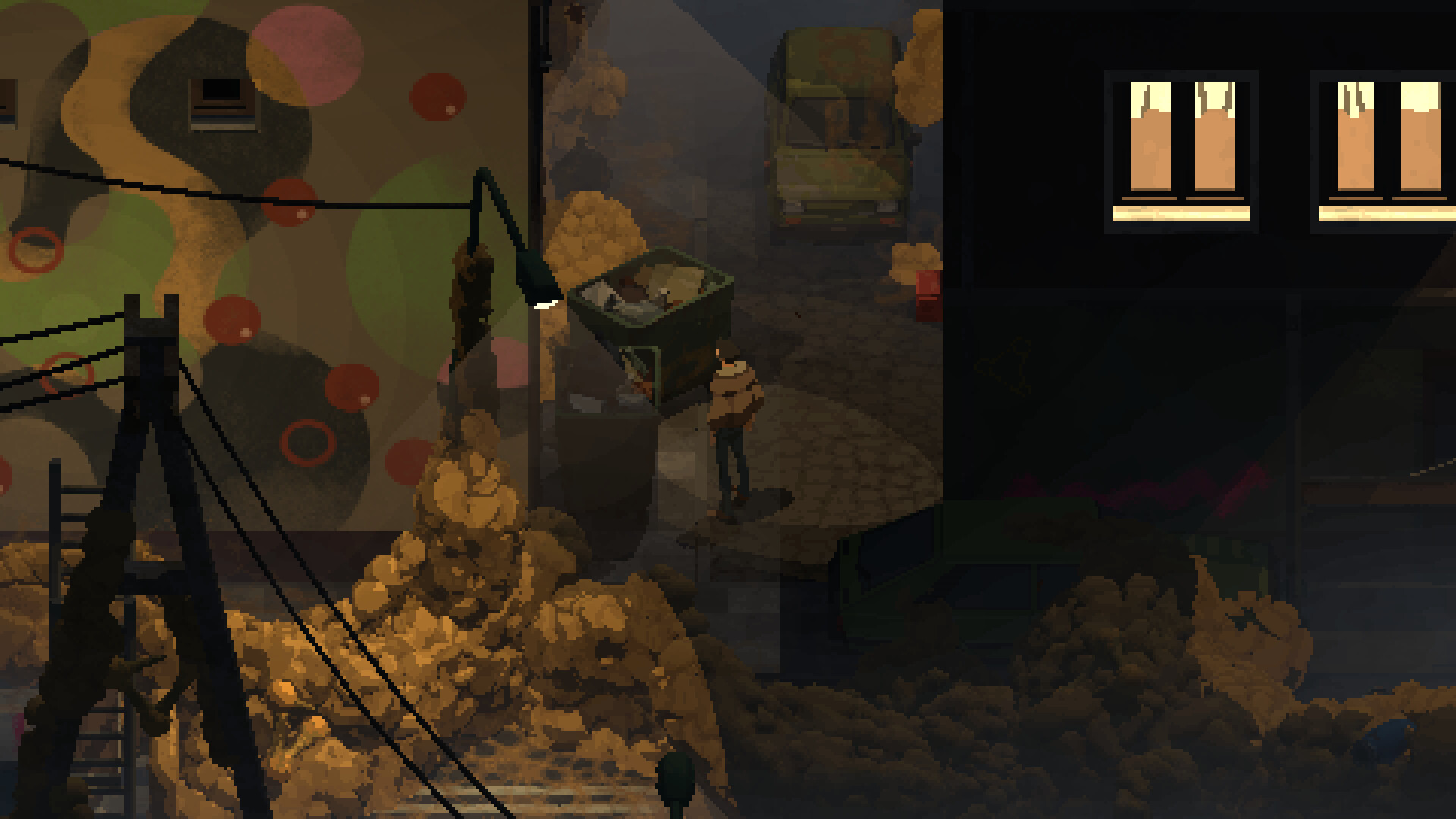
The story unfolds in Jeziorne-Kolonia, a small Polish town that feels like it’s been forgotten by time—and reality. Buildings rot from the inside out. Animals twist into unnatural shapes. People mutter things that don’t make sense and stare off into nothing. Something has infected the land, a creeping slime that spreads like mold on old bread but with far darker consequences.
There’s a haunting quiet to this place, like the silence after something terrible has happened—but before everyone realizes it. The atmosphere carries strong echoes of Silent Hill and early Resident Evil, but with a fresh Eastern European flavor. Think cracked sidewalks under flickering streetlamps, whispers drifting through broken windows, and the smell of rust and rain in every alleyway. It’s not just spooky; it’s deeply unsettling.
One early peek at gameplay showed a moment where the player walks past an empty playground swaying in the wind, only to spot a lone figure slowly rocking back and forth on a bench nearby—muttering nonsense in Polish. No jumpscare needed. Just pure dread.
How Holstin uses shifting perspectives to keep fear fresh
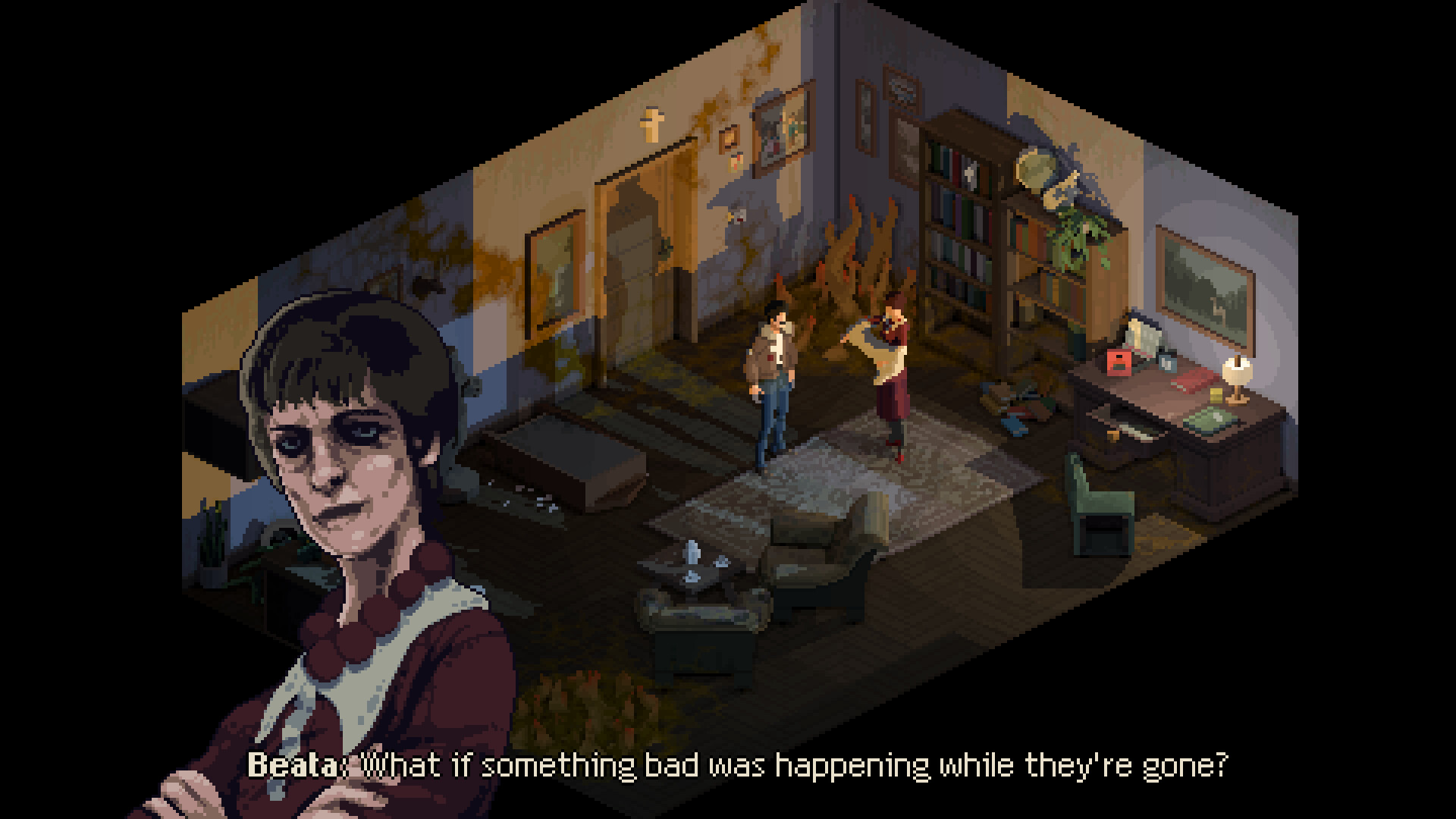
The most striking feature of Holstin isn’t just its setting—it’s how players see it. Sonka’s custom 2XD tech allows the game to switch camera angles depending on what’s happening. Exploring streets or buildings? The game takes on an isometric view like classic RPGs. Fighting off twisted creatures? The camera shifts behind the player for over-the-shoulder combat.
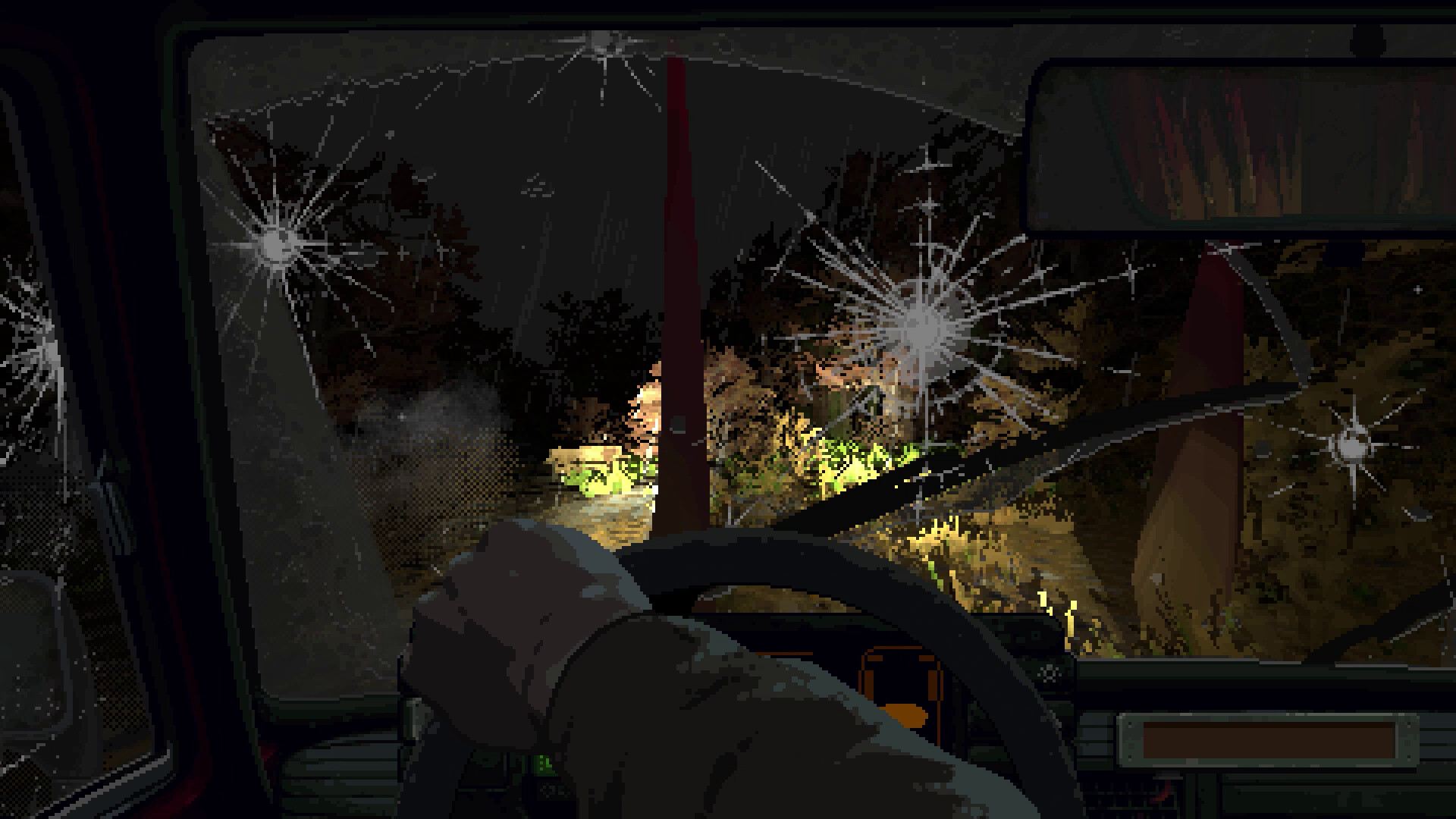
When it’s time to drive through slick roads coated in ooze or escape down narrow alleys, the view jumps into first-person mode. And during certain platforming moments—like crossing broken rooftops or crawling through vents—the camera shifts again into side-scrolling perspective.
This constant switching could have felt messy or gimmicky. But early looks suggest it flows smoothly, giving each part of the game its own mood without breaking immersion. It keeps players on their toes too—never quite sure what perspective they’ll face next or what lurks beyond the edge of vision.
It calls back memories of switching between top-down maps and over-the-shoulder gunfights in older horror games, but refined into something more seamless and focused on emotional impact over technical show-off.
The terror lives inside minds as much as monsters
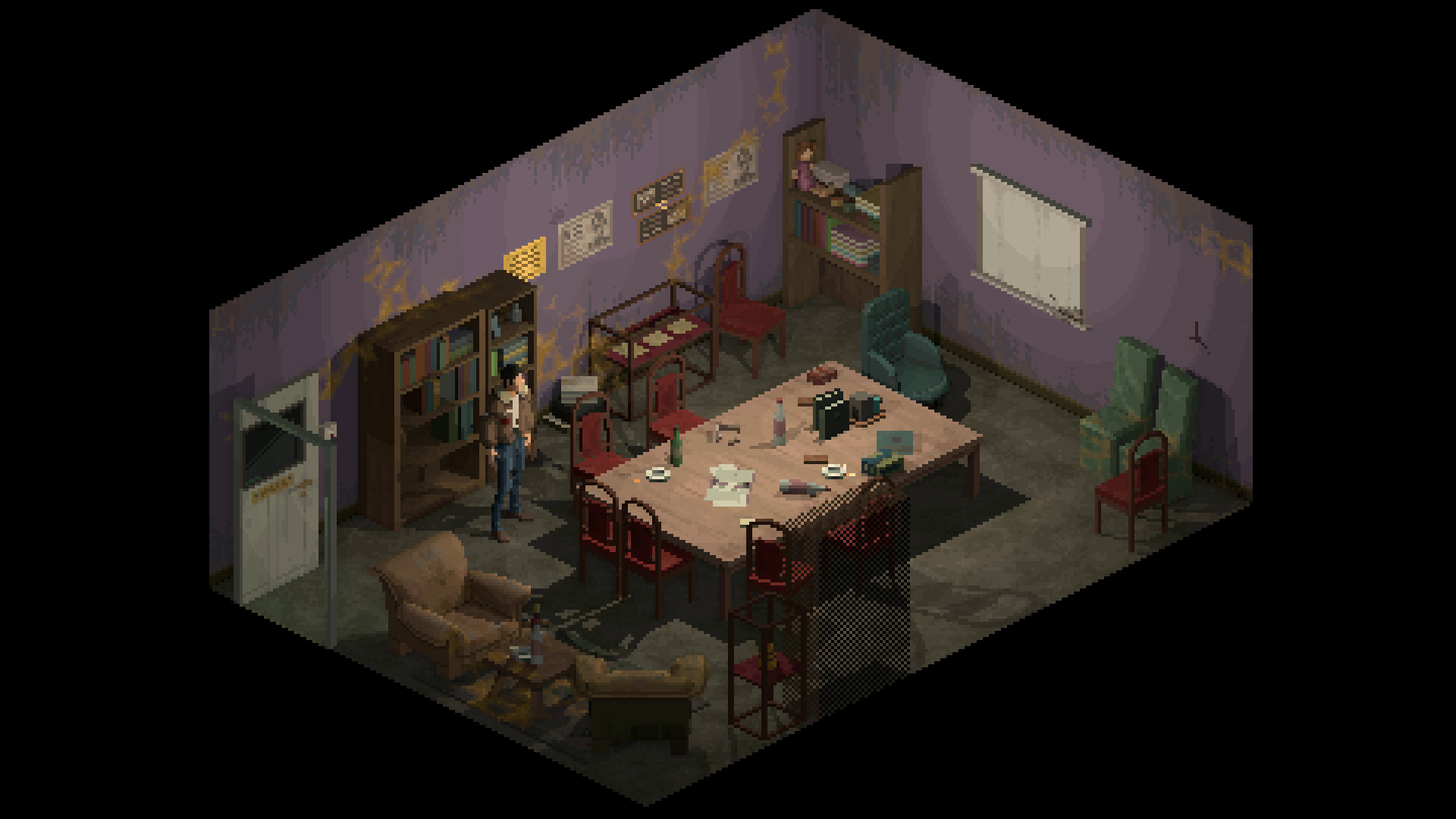
Holstin isn’t only about fighting monsters—it’s about unraveling what went wrong here while trying not to lose grip on sanity along the way. The player must interact with townspeople who’ve already started slipping into madness. Some might help if spoken to carefully; others may turn violent without warning.
Conversations twist between real facts and disturbing delusions. One character might talk about their missing daughter one moment… then insist she never existed the next. Players must pick apart truth from hallucination while dealing with limited supplies and solving complex puzzles—often under pressure.
The slime infecting Jeziorne-Kolonia doesn’t just warp bodies—it warps thoughts too. That makes every decision feel heavy: trust this person? Follow that lead? Or back away slowly?
Pax once recalled playing an early demo late at night with headphones on—and flinching when one voice actor suddenly switched from calm chat to screaming gibberish mid-sentence. It wasn’t scripted for shock—it just felt real in its unpredictability.
An Eastern European horror story told with chilling authenticity
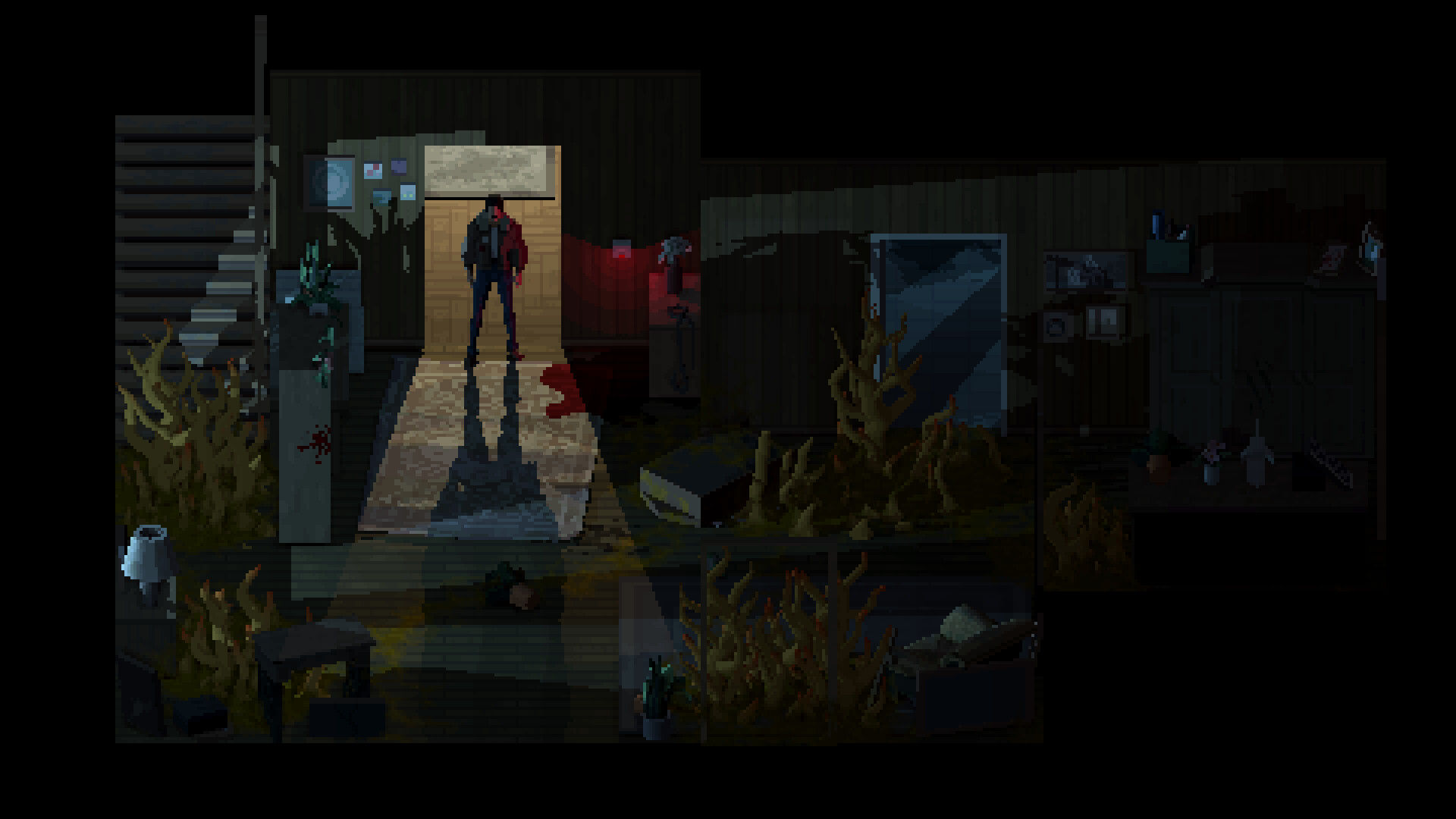
Sonka pours cultural detail into every corner of Holstin’s world—from old bus stops coated in graffiti to grocery stores filled with 1990s Polish packaging designs no longer seen outside faded family photos. It’s not just window dressing; this grounded realism makes the horror feel more believable—and far more eerie when things go wrong.
The game features full voice acting in both English and Polish—a rare move for indie titles—but one that adds weight to characters’ words (and screams). Hearing someone slip deeper into madness in their native tongue while subtitles lag behind only deepens the unease.
The publisher backing this unsettling journey is Team17—known for supporting unique indie games like Blasphemous and Dredge—which suggests Holstin will arrive polished despite its experimental design choices.
Why Holstin deserves attention from horror fans everywhere
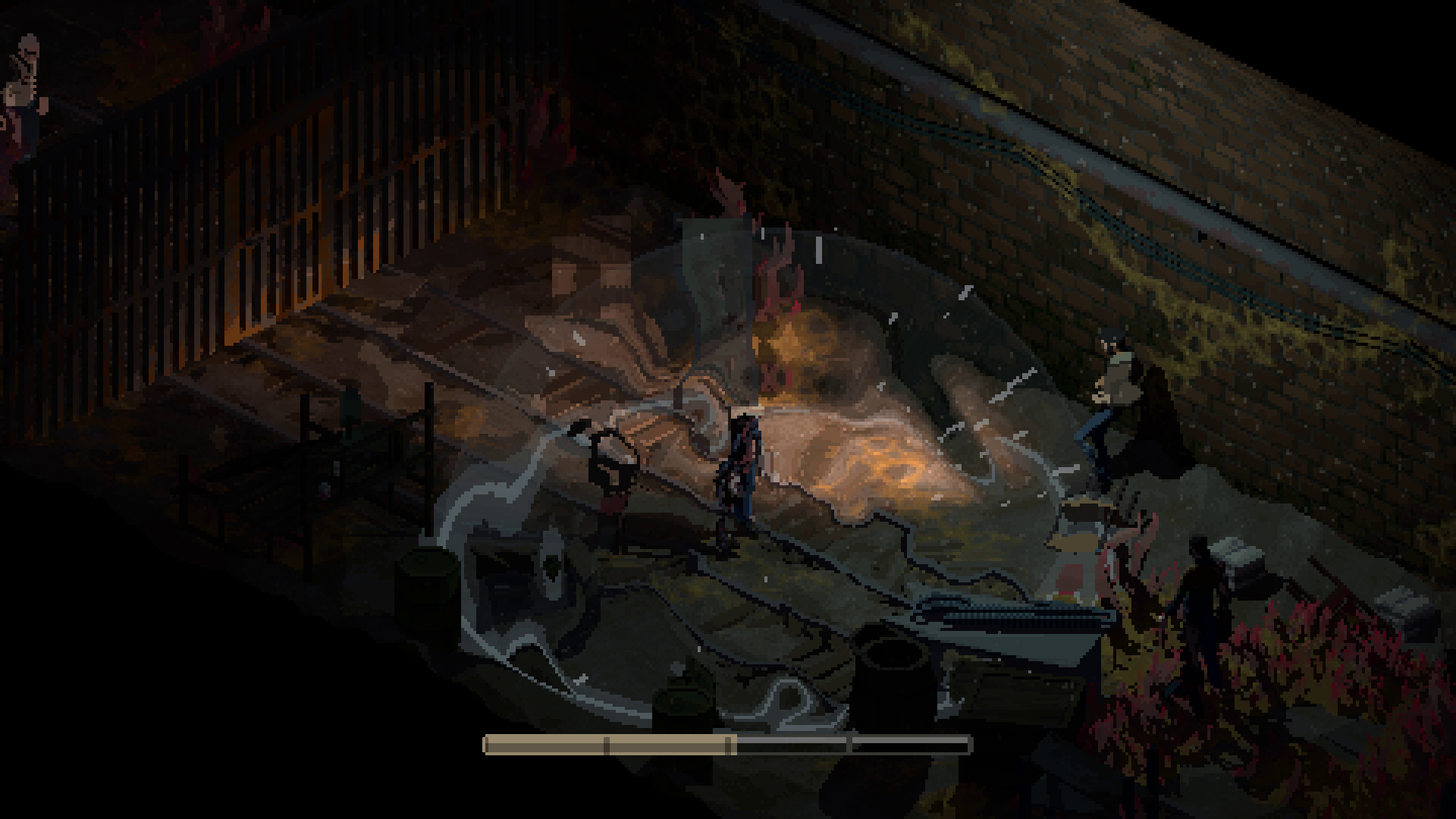
This isn’t another cookie-cutter jump-scare collection or zombie shooter dressed up as psychological drama. Holstin blends pixel-art nostalgia with modern lighting tricks and layered storytelling to create something truly different: a survival horror where perspective shifts mirror emotional breakdowns, where every corner hides either clues—or danger—and where talking feels as risky as shooting.
It stands out not only because of its bold visual style but also because it roots itself outside typical Western settings. There are no abandoned malls here—just lonely rural homes soaked in rain and silence, filled with fading family photos and empty soup cans.
For those tired of American suburbs haunted by ghosts wearing hoodies—or endless forests full of cultists—Holstin offers something rare: an unfamiliar place filled with familiar fears made fresh again by new eyes.
When does Holstin come out?
As of now, there’s no confirmed release date for Holstin. Developer Sonka and publisher Team17 have announced that it will launch on PC via Steam, PlayStation consoles, Xbox systems, and Nintendo Switch—but they haven’t shared exactly when players can descend into Jeziorne-Kolonia’s madness just yet.
But based on what’s been shown so far—from shifting perspectives to psychological tension—it may be worth waiting patiently for this descent into decay done right.
If reality starts slipping at the edges… will players notice before it’s too late?
F.A.Q.
What type of game is Holstin?
Holstin is a psychological survival horror game developed by Polish developer Sonka and published by Team17. It combines elements of classic survival horror with a unique Eastern European setting, offering a deeply immersive and unsettling experience.
What platforms is Holstin available on?
Holstin will be available on multiple platforms, including PC via Steam, PlayStation consoles, Xbox systems, and Nintendo Switch.
What makes Holstin unique compared to other horror games?
Holstin stands out due to its innovative use of a custom 2XD Rendering technology that allows for dynamic camera perspective shifts, enhancing the horror experience. It also features a rich narrative set in a decaying 1990s Polish town, offering players a unique cultural backdrop and psychological depth not commonly found in other games.
Does Holstin offer a good story?
Yes, Holstin offers a compelling and chilling narrative where players must unravel the mysteries of a deteriorating town while dealing with both physical and psychological horrors. The game includes interactions with mentally unstable characters, adding layers of narrative complexity and tension.
Is Holstin worth playing for horror fans?
For fans of psychological and survival horror games, Holstin is worth playing due to its unique blend of shifting perspectives, atmospheric setting, and deep narrative. It provides a fresh take on the genre by combining classic horror elements with modern gameplay techniques and an authentic Eastern European environment.
When is the release date for Holstin?
As of now, there is no confirmed release date for Holstin. However, it has been announced that the game will be launched on multiple platforms, and players are eagerly awaiting further updates from the developers.