Get ready to dive into a haunting realm with “Post Trauma,” an upcoming psychological horror game that promises to take you on a spine-chilling journey through a surreal alternate dimension. Drawing inspiration from classic survival horror games like “Silent Hill,” this title offers a modern twist that blends nostalgia with cutting-edge game design. Set to release on March 31, 2025, for PlayStation 5, Xbox Series X/S, and PC, “Post Trauma” is a game that horror enthusiasts won’t want to miss.
Exploring the Depths of Post Trauma’s Narrative
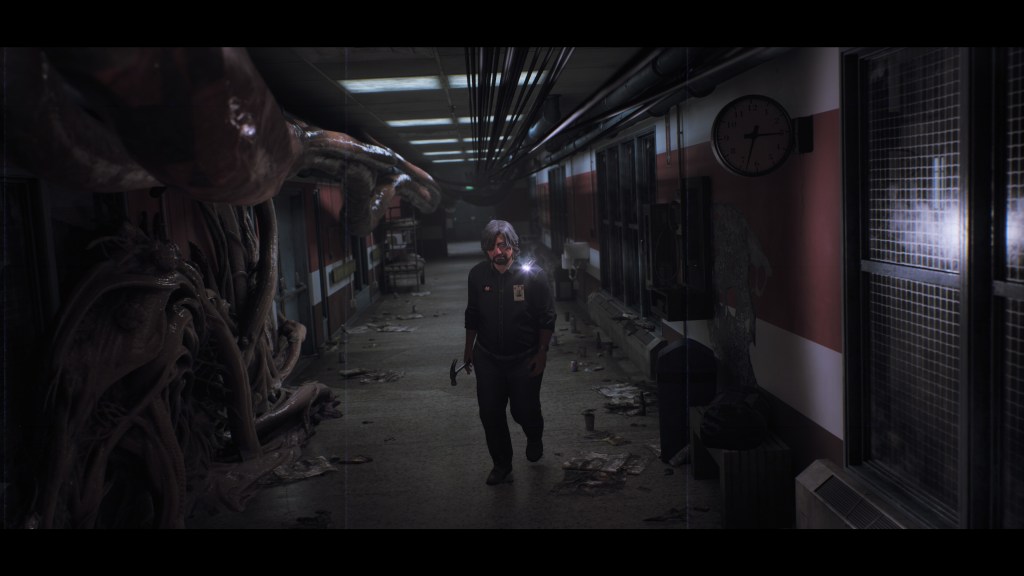
In “Post Trauma,” players step into the shoes of Roman, a middle-aged train conductor, voiced by the talented Togo Igawa. Roman’s journey begins when he finds himself trapped in a bizarre and unsettling alternate dimension. This character-driven narrative is deeply engaging, with Roman’s background as a train conductor adding layers to his personality and the story itself. The game’s narrative is crafted to be cryptic and open to interpretation, encouraging players to piece together the story and draw their own conclusions about the nightmarish world they’re exploring.
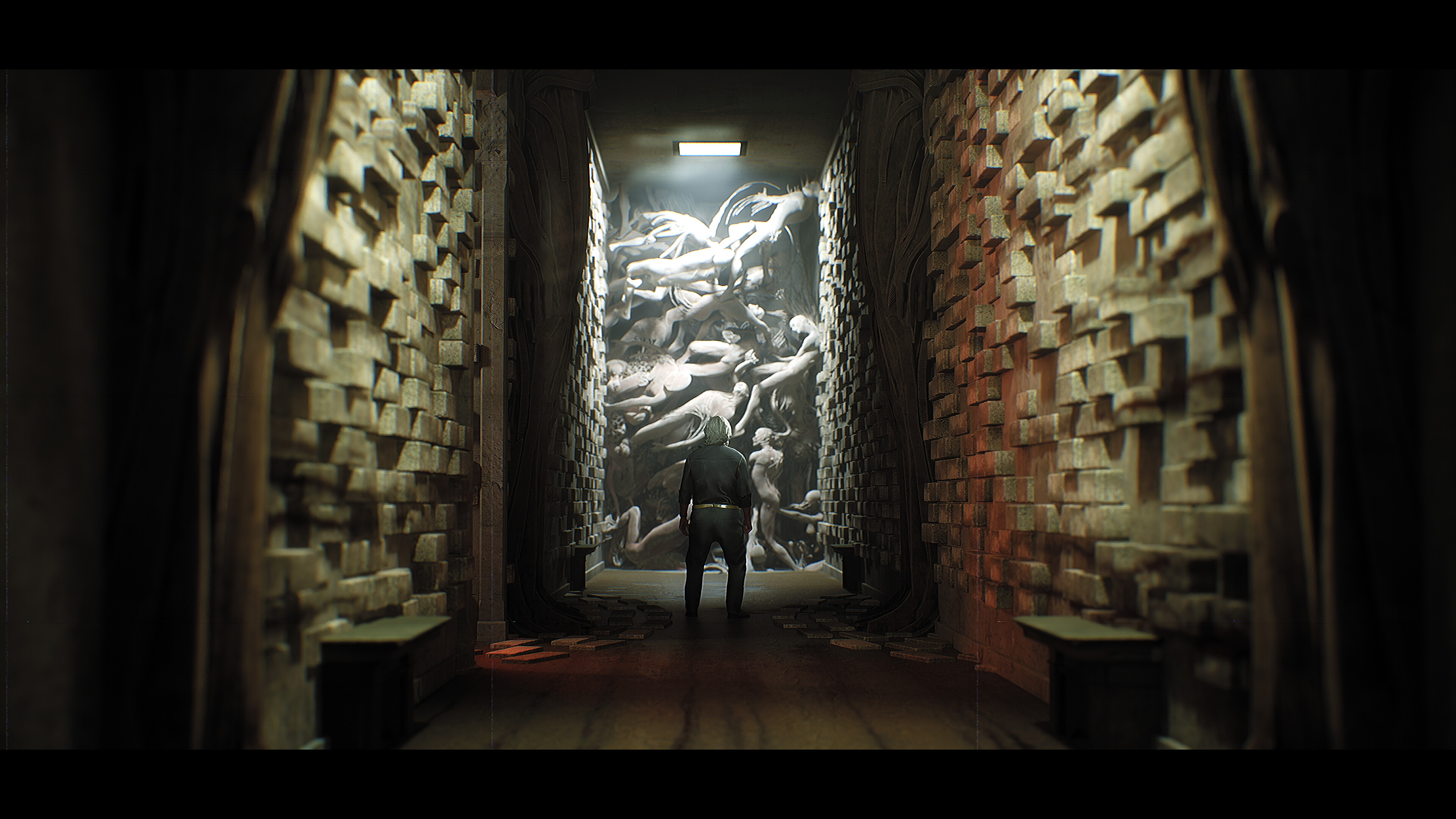
The setting of “Post Trauma” is a surreal alternate dimension filled with distorted environmental landscapes that evoke a sense of unease and dread. Imagine hospital wards overrun by fleshy vines, pulsating pipes, and mannequins placed in disturbing positions. These grotesque elements create an atmosphere that is both visually and psychologically unsettling. The game’s psychological storytelling approach is designed to keep players on edge, with narrative ambiguity playing a significant role in the experience.
Immersive Game World and Atmosphere
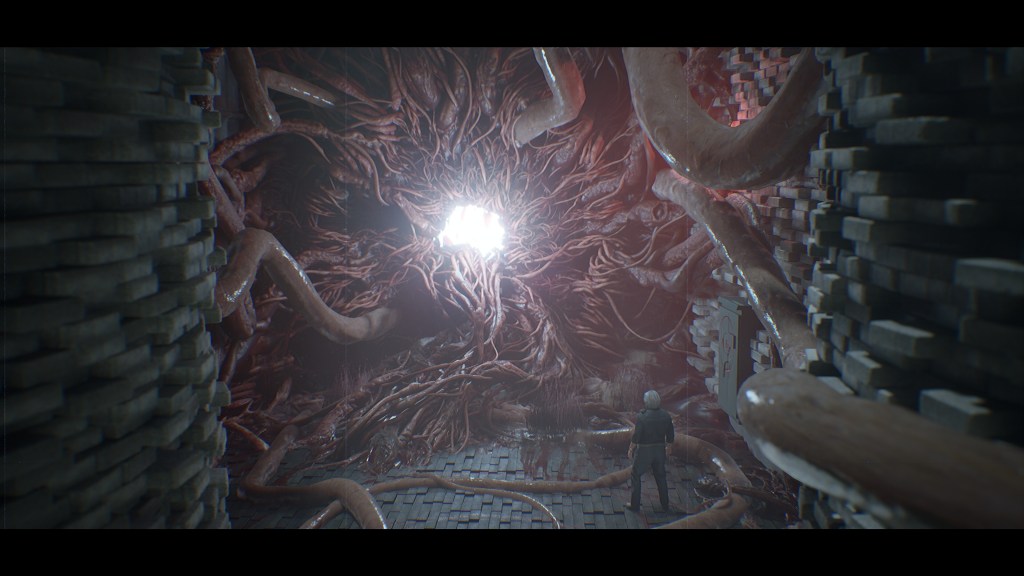
The game’s developers have meticulously crafted a world that is both eerie and captivating. Grotesque environmental elements, such as hospital wards with fleshy vines and pulsating pipes, contribute to the game’s unsettling atmosphere. These elements are not just for show; they play a crucial role in building tension and enhancing the psychological terror that permeates the game.
“Post Trauma” places a strong emphasis on psychological horror over traditional jump scares. The game’s tension-building environmental storytelling keeps players on their toes, constantly questioning what might be lurking around the next corner. This approach to horror is refreshing and offers a unique experience that is both intellectually engaging and genuinely terrifying.
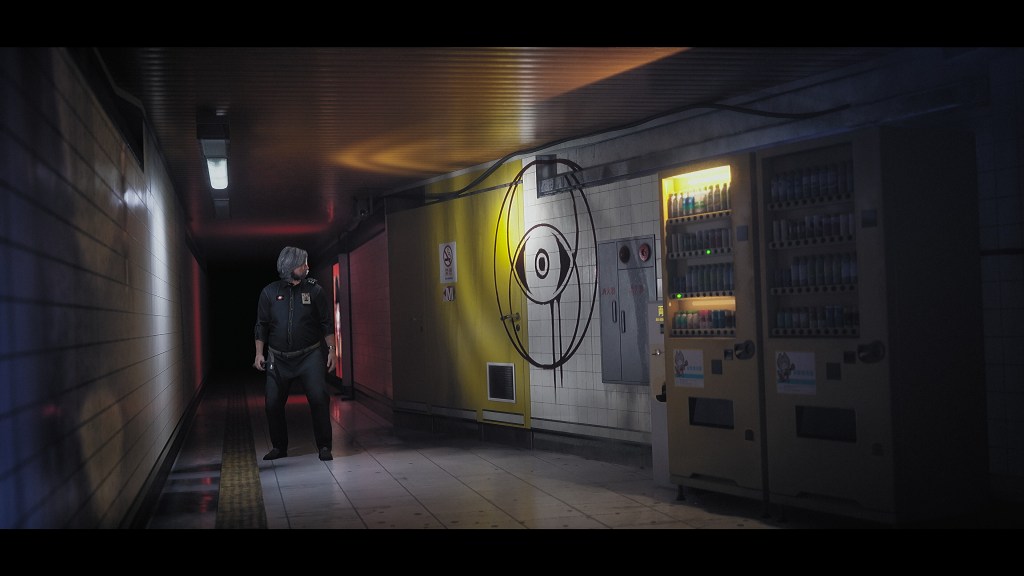
One of the standout features of “Post Trauma” is its puzzle-solving system. Players are encouraged to take notes as they navigate the game’s intricate puzzles, which require careful observation and deduction to solve. Clues are scattered throughout the environment, demanding players’ attention to detail and critical thinking skills. This focus on intellectual challenge over jump scares creates a horror experience that values patience and intelligence.
Combat in “Post Trauma” is deliberately clumsy, adding to the vulnerability of the protagonist. Players can defend themselves with found objects like hammers, but the emphasis is on survival rather than action. This design choice reinforces the game’s focus on atmosphere and psychological horror, making each encounter with the grotesque creatures all the more intense.
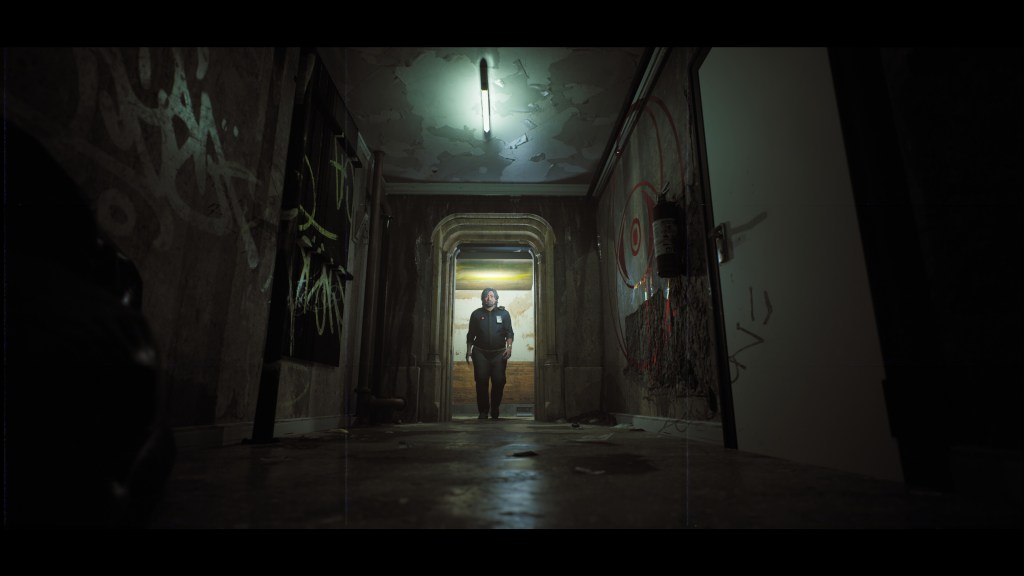
“Post Trauma” utilizes fixed camera angles to build tension and guide player attention. These carefully chosen perspectives not only enhance the cinematic quality of the game but also contribute to the overall sense of dread by limiting the player’s view and creating uncertainty about what lies ahead. This design choice is a nod to the PlayStation-era survival horror games, offering a nostalgic yet modern horror experience.
The game’s visual aesthetic is a notable feature, blending high-fidelity graphics with an aesthetic reminiscent of classic horror games. For those seeking an authentic retro experience, “Post Trauma” offers optional tank controls. These elements, combined with the fixed camera angles, create a horror experience that feels both familiar and fresh.
Audio design plays a crucial role in “Post Trauma,” with immersive soundscapes and atmospheric audio elements that enhance the game’s tension and horror. The sound design is meticulously crafted to draw players deeper into the unsettling world of “Post Trauma,” making every creak and whisper a potential source of terror.
The Player Experience: A Psychological Challenge

“Post Trauma” is not just about scares; it’s about engaging the player’s mind. The game’s psychological challenge requires players to think critically and exercise patience as they navigate the eerie environments and solve complex puzzles. This approach to horror game design integrates nostalgic elements with modern game design, creating a unique experience that stands out in the current horror game landscape.
For fans of classic survival horror games, “Post Trauma” offers a compelling blend of nostalgia and modern game design. Its focus on psychological terror, intricate puzzles, and a mysterious narrative make it a must-play for horror enthusiasts.
When Does Post Trauma Come Out?
Mark your calendars for March 31, 2025, when “Post Trauma” is set to launch on PlayStation 5, Xbox Series X/S, and PC. This highly anticipated release is sure to captivate horror fans and gamers alike. Additionally, a demo is available as part of Steam Nextfest, allowing players to get a taste of the haunting experience that awaits them.
Frequently Asked Questions (FAQ)
1. What is “Post Trauma” about?
“Post Trauma” is a psychological horror game where players take on the role of Roman, a middle-aged train conductor who finds himself trapped in a surreal alternate dimension. The game focuses on psychological terror, intricate puzzles, and a cryptic, open-ended narrative.
2. When is the release date for “Post Trauma”?
“Post Trauma” is set to release on March 31, 2025, for PlayStation 5, Xbox Series X/S, and PC. A demo is also available as part of Steam Nextfest.
3. What type of gameplay can players expect?
Players can expect a mix of puzzle-solving, exploration, and survival horror mechanics. The game features fixed camera angles, intricate environmental puzzles, and clumsy combat where players must rely on found objects like hammers for defense.
4. Does “Post Trauma” have jump scares?
While “Post Trauma” does not rely heavily on traditional jump scares, it builds tension through psychological horror, environmental storytelling, and a disturbing atmosphere that keeps players on edge.
5. How do the game’s puzzles work?
The puzzles in “Post Trauma” require careful observation and critical thinking. Clues are scattered throughout the environment, and players are encouraged to take notes to solve intricate challenges.
6. What influences does “Post Trauma” take from classic horror games?
“Post Trauma” draws inspiration from classic survival horror games like “Silent Hill.” It features fixed camera angles, a cryptic narrative, eerie sound design, and an optional tank control scheme for those seeking a retro experience.
7. What kind of horror experience does “Post Trauma” offer?
The game prioritizes psychological terror and immersive atmosphere over action-heavy gameplay. With unsettling environments, grotesque creatures, and an ambiguous story, it provides a horror experience that feels both nostalgic and fresh.