Picture the fog-choked alleys of 1940s London, jazz drifting through the air like a ghost’s lullaby. In The Last Case of John Morley, players step into the gumshoes of a haunted detective digging into a murder buried under two decades of silence. It’s not just about solving a case — it’s about peeling back layers of truth that might be better left untouched.
A dark mystery from the minds behind Charon’s Staircase and Portrait of a Torn

Indigo Studios, the Spanish developer known for eerie indie tales like Charon’s Staircase and Portrait of a Torn, is bringing its latest mystery to life with help from publisher JanduSoft S.L. This time, they’re diving headfirst into first-person narrative adventure territory. Think moody lighting, smoky jazz, and secrets clinging to every corner like cobwebs.
Players take on the role of John Morley, a seasoned detective with more questions than answers. The game doesn’t stretch over dozens of hours — instead, it delivers a tight three-hour story packed with tension, twists, and enough atmosphere to fog up your screen.
An eerie London soaked in jazz and shadows
The setting is straight out of a noir film reel. Set in post-war London during the 1940s, the game paints its world with dim streetlights, creaky floorboards, and cigarette smoke curling through every frame. The murder at the heart of it all? Elody Fordside — daughter of the mysterious Lady Margaret Fordside — found dead twenty years ago. No killer caught. No closure delivered.
Now Morley is pulled back in to unearth what really happened. But this isn’t just another dusty file from cold storage. Whispers suggest something stranger at play — hints of psychological trauma and possibly even paranormal forces. It’s not just about who did it anymore… it’s about what’s been lurking beneath everyone’s noses all this time.
From mansions to sanatoriums: exploring haunted history
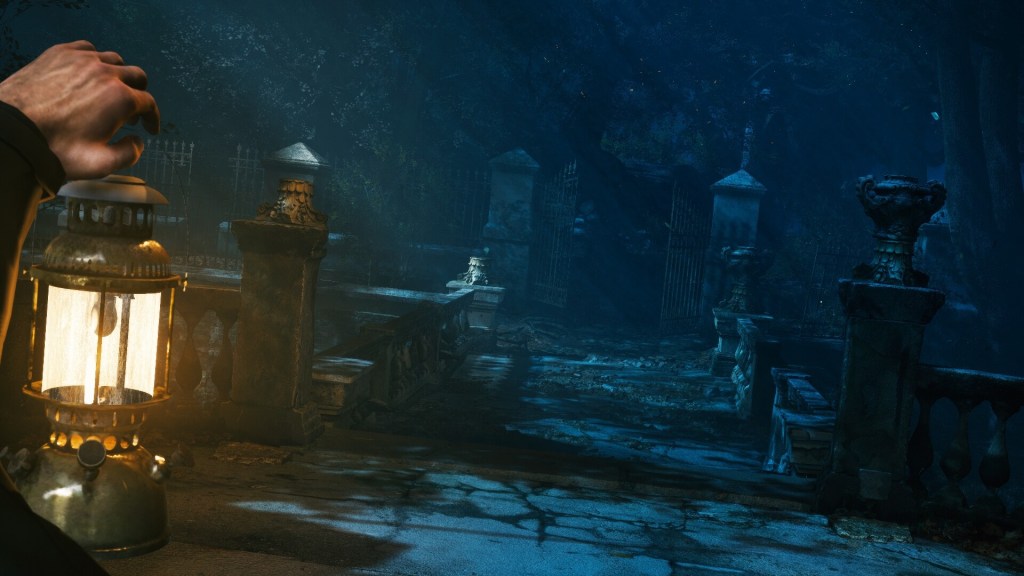
Forget your typical police stations and filing cabinets. The places Morley investigates are as disturbed as the case itself. Eerie mansions loom with hollow hallways and locked rooms that seem too quiet for comfort. One location — an abandoned sanatorium — feels less like a clue-hunting spot and more like walking through someone else’s nightmare.
The environments do more than look good — they tell their own stories. Cracked portraits hang at crooked angles. Dusty pianos sit silently in corners as if waiting for someone long gone to return. Each place adds another layer to the mystery and keeps players looking over their shoulder.
Investigating in first-person turns every detail into a clue
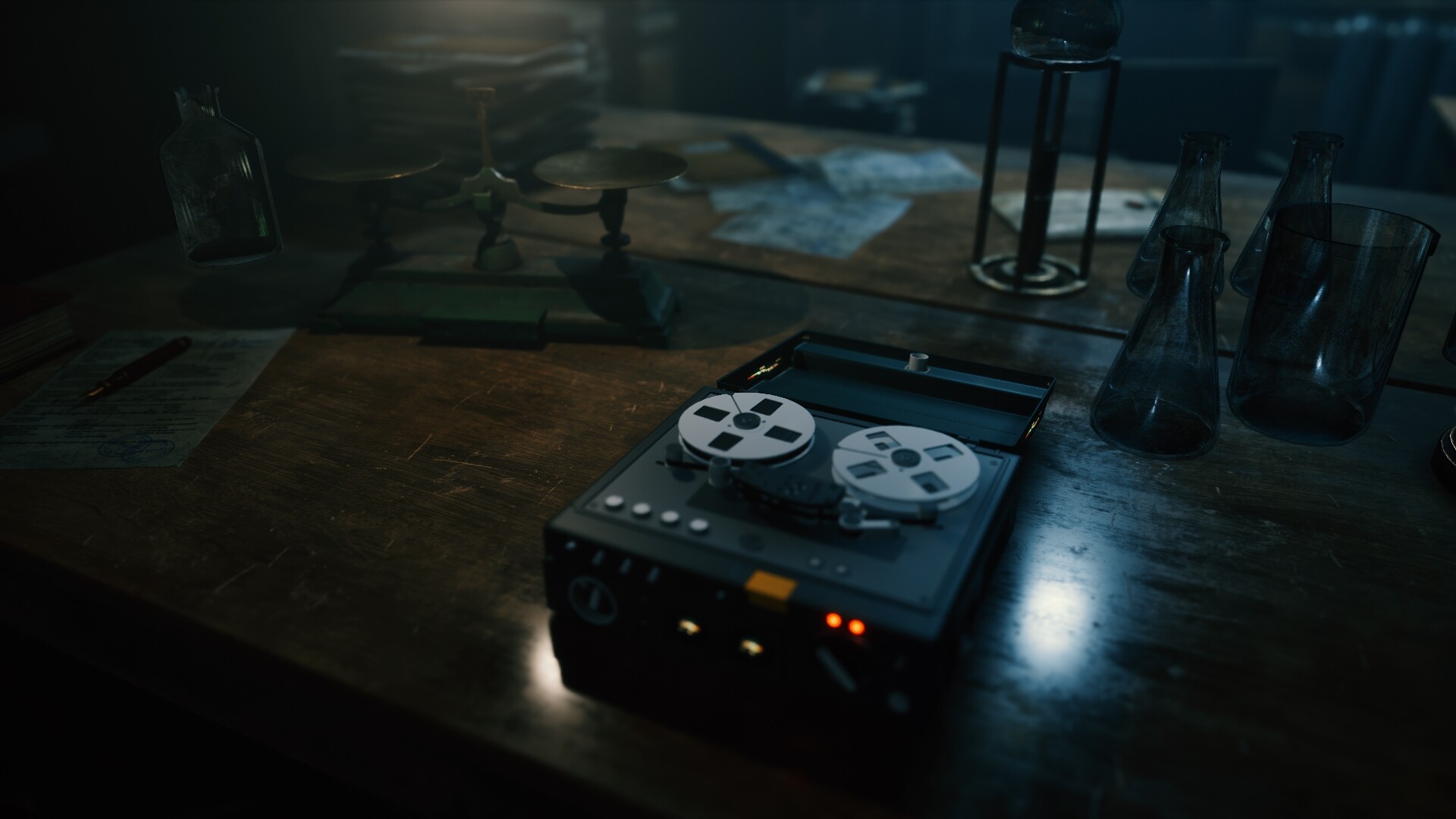
This isn’t a game where players just click through dialogue boxes and call it a day. The Last Case of John Morley puts them smack in Morley’s shoes from start to finish, asking them to move slowly through each room, study each scene carefully, and find what others missed.
Evidence needs more than just observation; it demands analysis. Players reconstruct crime scenes piece by piece using physical clues found around them. One moment might involve picking up an old letter hidden behind a bookshelf; the next might mean matching strange burn marks on wallpaper with something seen earlier in a different room.
This kind of hands-on deduction calls back memories for some gamers — nights spent replaying old Sherlock Holmes games or L.A. Noire cases trying to catch liars in their tracks — but here it feels tighter and grittier, soaked in dread rather than just drama.
Talk fast or lose the trail: interrogations matter
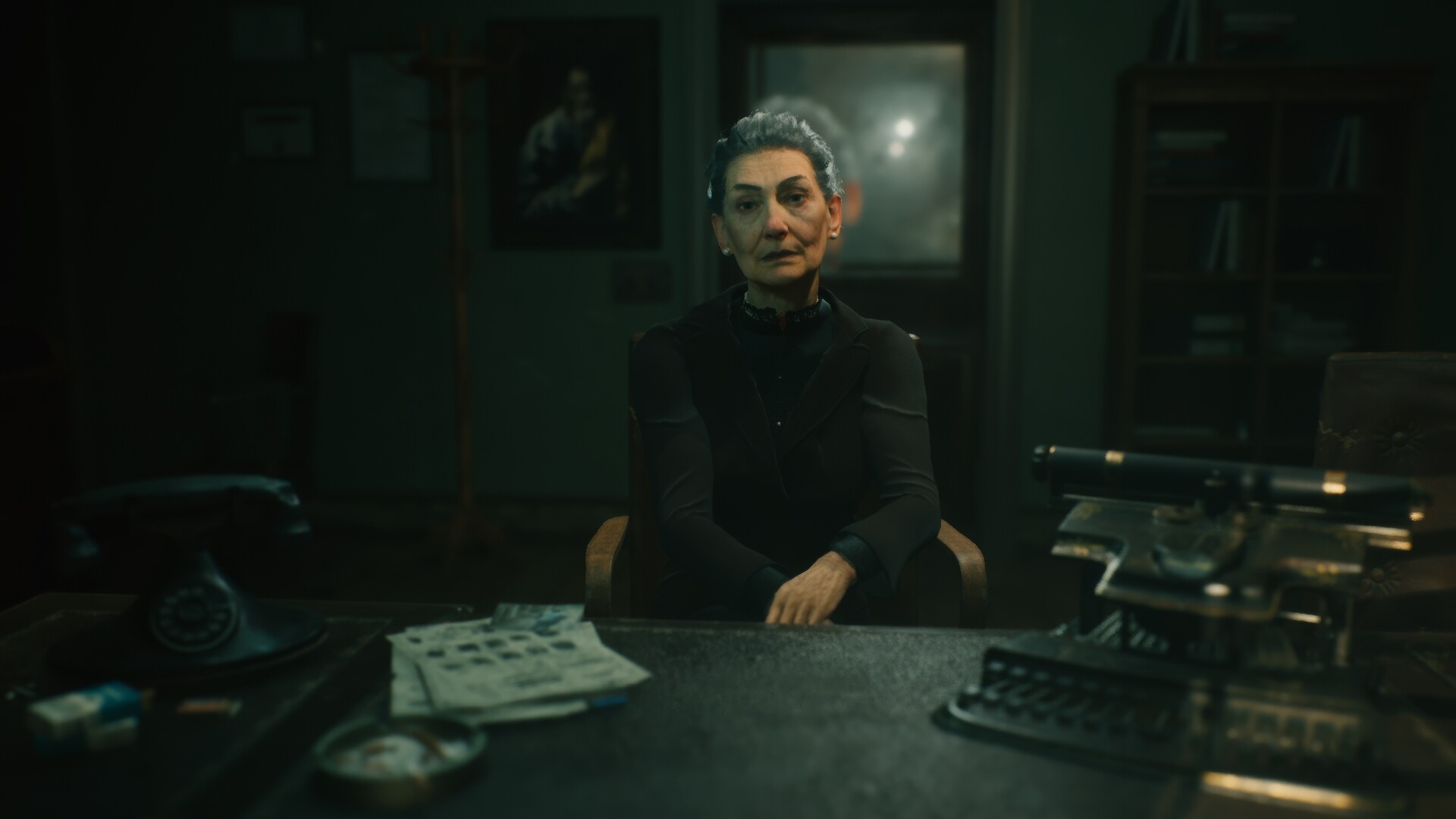
Piecing together evidence is only half the job — players also need to get people talking. And when they talk, they lie.
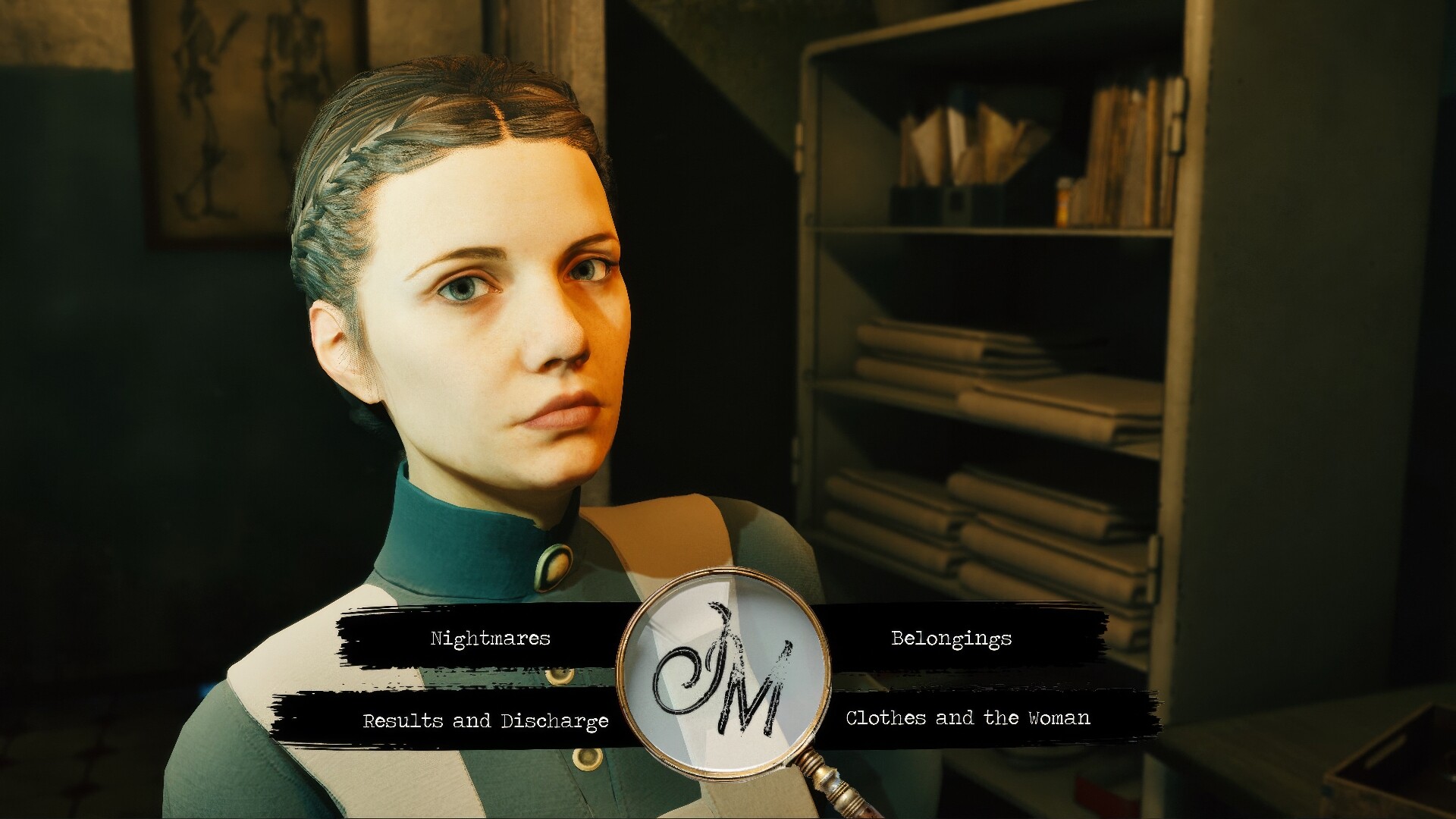
The game includes an interactive dialogue system where players can question multiple witnesses and suspects tied to Elody’s death. Some characters dodge questions or fumble details; others speak too smoothly for comfort. Spotting those cracks becomes key.
The lie detection system isn’t flashing neon signs pointing out fibbers either — it takes some reading between lines, catching mismatched facts across testimonies, and keeping sharp mental notes on who said what when things don’t add up anymore.
Puzzle solving forces logic over luck
If interrogations are verbal mind games, then puzzle solving is where brains go full throttle. The game doesn’t throw math problems or riddles pulled from nowhere; instead, puzzles grow naturally from what players see and hear during investigations.
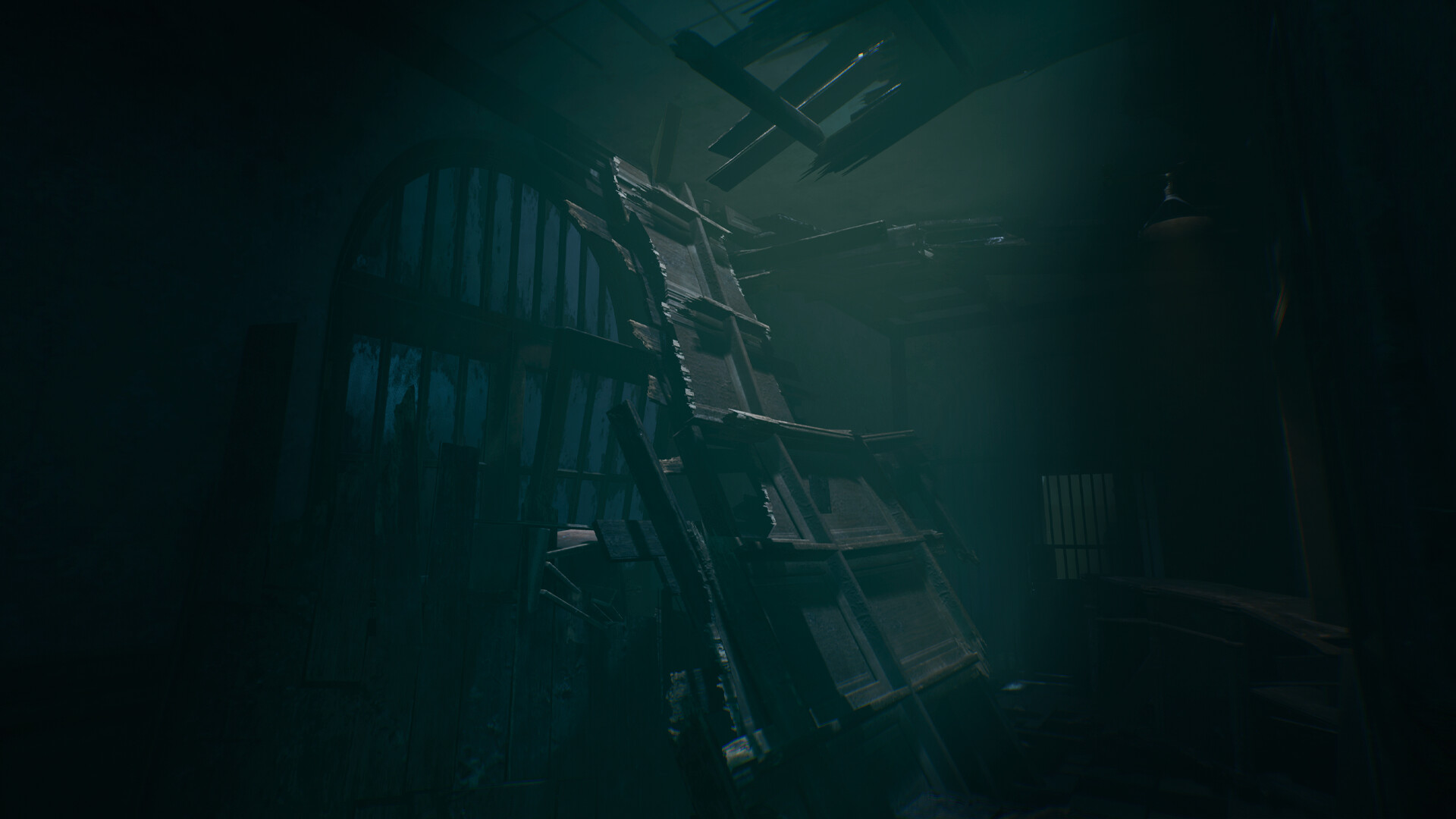
Reconstructing scenes may involve lining up clues that at first feel unrelated — like figuring out how a broken mirror connects with missing furniture or why bloodstains point toward an impossible escape route. It rewards patience without dragging things out unnecessarily.
For fans who’ve spent hours scribbling notes while playing older point-and-click adventures or mapping out murder boards across their desks (yes, that happened once after marathoning Sherlock Holmes: Crimes & Punishments), these puzzles hit that same sweet spot between logic and thrill without ever feeling unfair or random.
A stylish noir look powered by Unreal Engine 5
The Last Case of John Morley doesn’t just play well—it looks sharp enough to cut glass thanks to Unreal Engine 5 under its hood. Lighting pours through cracked windows like it’s trying to escape something itself, while RTX support cranks up reflections so real they might trick someone into checking their own room for shadows moving where they shouldn’t be.
The visuals don’t scream “modern” just for show—they serve the vibe completely. Every flickering light bulb or polished boot heel clicking down empty corridors adds texture to this haunting world that begs players not only to explore but also to be unsettled by what they find there.
A short but unforgettable dive into darkness
Unlike sprawling mysteries that drag on for dozens of hours until all tension fizzles out, this one keeps things tight with its three-hour structure — compact yet powerful like reading a grim novella before bed (not recommended if sleep is your priority).
The plot promises plenty of surprises along the way but saves its biggest punch for last: a shocking finale designed not only to twist everything players thought they knew but also stick with them long after credits roll.
When does The Last Case of John Morley come out?
The Last Case of John Morley launches November 27, 2025 for PC (Steam) and PlayStation 5 first, followed later by Xbox Series X|S versions down the road. For those holding handheld dreams close to heart: yes, it’ll run on Steam Deck too.
This makes it easy for mystery fans across platforms to dive deep into one unforgettable investigation—no trench coat required (but highly encouraged).
The Last Case of John Morley blends old-school noir vibes with modern gameplay in ways few detective games dare try—paranormal hints included—and wraps everything in style sharper than any fedora brim seen since Bogart lit his last cigarette on screen. Is this cold case finally ready for justice… or should some truths stay buried?
F.A.Q.
When does The Last Case of John Morley come out?
The Last Case of John Morley is set to release on November 27, 2025, for PC (Steam) and PlayStation 5, with versions for Xbox Series X|S to follow later.
What platforms is The Last Case of John Morley available on?
The game will be available on PC (Steam), PlayStation 5, and later on Xbox Series X|S. It is also compatible with the Steam Deck.
What type of game is The Last Case of John Morley?
The Last Case of John Morley is a first-person narrative detective adventure game set in the noir atmosphere of 1940s London. It combines mystery-solving with psychological and paranormal elements.
Does The Last Case of John Morley have a good story?
The game offers a deep narrative with unexpected twists and a shocking finale, set in a richly detailed noir environment. It focuses on a 20-year-old unsolved murder case with psychological and paranormal layers, promising a memorable experience.
Is The Last Case of John Morley worth it?
For fans of narrative-driven detective adventures, the game’s compact 3-hour story, along with its rich atmosphere and engaging investigative mechanics, makes it a compelling choice. Its unique blend of noir aesthetics and psychological depth offers a fresh take on the detective genre.
Does The Last Case of John Morley have interactive dialogue and interrogation features?
Yes, the game includes an interactive dialogue system where players can question witnesses and suspects. Detecting lies and piecing together conflicting testimonies are crucial elements of the gameplay.
What are the unique features of The Last Case of John Morley?
The game is notable for its immersive 1940s noir setting, first-person investigation mechanics, interactive dialogue and interrogation system, and logical puzzle-solving challenges. It also features modern graphics powered by Unreal Engine 5, enhancing its atmospheric presentation.