Picture this: You’re juggling the role of all-powerful deity in one realm, while also managing a devilishly complex bureaucracy in another. Sintopia daringly merges those two responsibilities into a single experience that demands cunning decisions, strategic oversight, and a dose of mischievous fun. It’s like a double simulator where you not only punish souls for their sins, but also actively shape the circumstances that land them in your domain. Such dual-layered gameplay ensures you’ll have to plan carefully at every turn to achieve your grand goals.
The Dual-World Concept: Bridging Divine Mischief and Bureaucratic Chaos
Sintopia features two distinct layers of gameplay that intermingle in fascinating ways. The first is the Overworld, filled with the whimsical “chickpea people” going about their daily lives. Close observation reveals their routines: they eat, talk, argue, and yes, occasionally break the rules. You’re free to tinker with their fates through spell-casting and subtle manipulation. Should you feel a need to push them toward temptation or encourage them to live purely virtuous lives, the choice is yours.
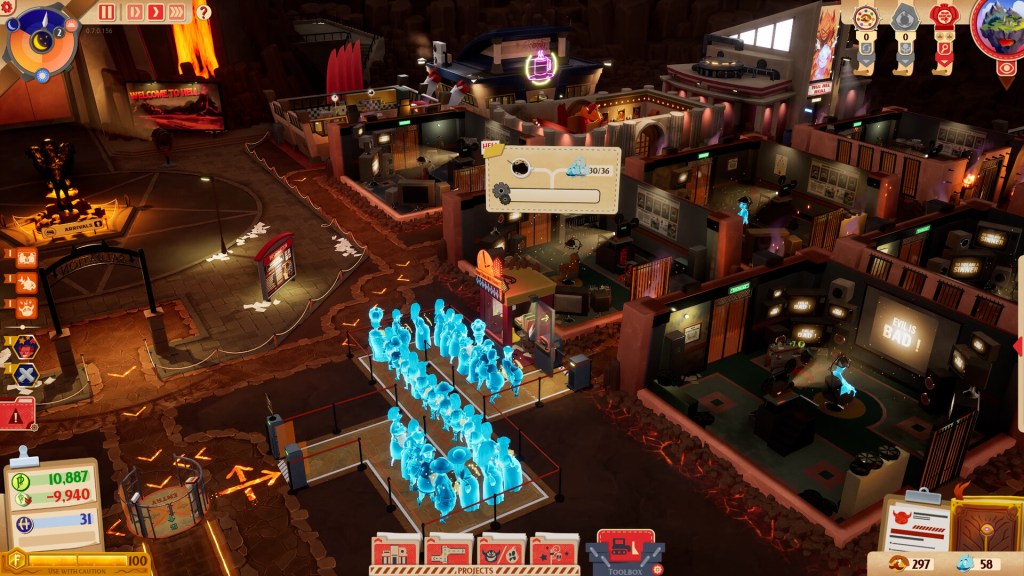
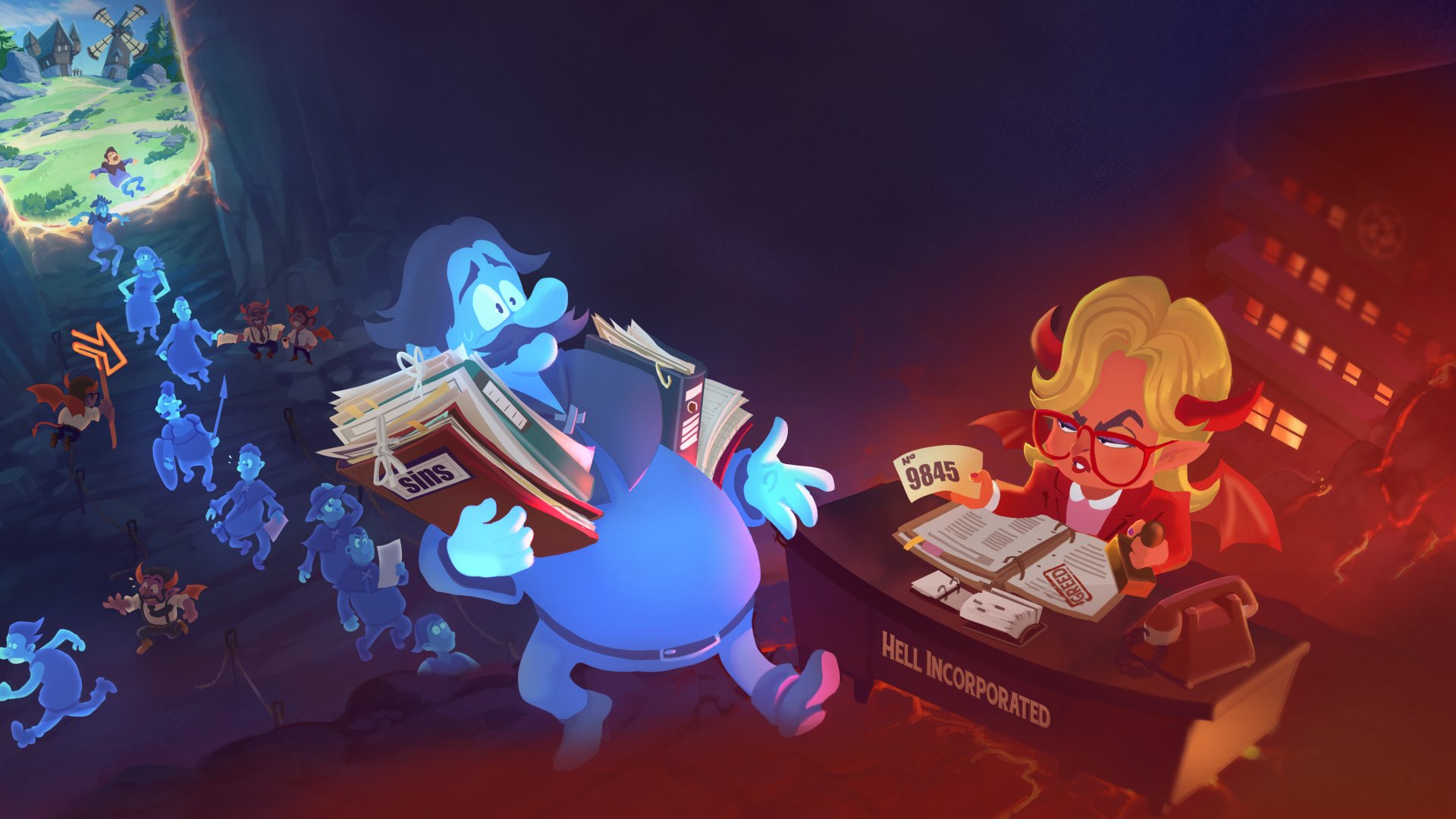
Meanwhile, in the depths below, you’ll find the Underworld. This Hell isn’t your standard pit of lava and sulfur. Rather, it’s an elaborate bureaucracy, complete with strict sorting protocols, specialized punishment chambers, and administrative tasks. Souls who wander here from the Overworld must be carefully processed, cleansed of their sins, and prepared for eventual reincarnation. It might sound tedious, but watching the interplay between temptation and punishment is surprisingly satisfying. One moment, you’ll drop a puny lightning bolt on an unsuspecting villager. Then, you realize that your newly arrived sinner needs a suitable punishment in Hell. From there, you’re back to refining that infernal workflow to ensure your afterlife enterprise remains profitable.
Influencing the Chickpea People: Playing God in a Curious Land
In Sintopia’s Overworld, you are the moral puppeteer, tasked with guiding or corrupting the behavior of these naïve citizens. They’re called “chickpea people” because of their small, round shape, but don’t be fooled by any cuteness—these individuals can sin just as fiercely as a full-grown knight if you push them in the right direction. Encouraging sinful behavior isn’t as simple as pointing a finger and commanding them to be evil. Instead, you must think like a strategist, figuring out when to apply pressure.
Unleashing Ingenious Spells for Creative Mischief

Magic in Sintopia is not merely for show. The dynamic spell system becomes a genuine instrument of strategy, allowing you to shape the Overworld in entertaining and very direct ways. Casting a lightning bolt is one possibility: you can destroy property or resurrect a fallen chickpea person. But the “Push” spell is another favorite, with all sorts of comedic uses. Perhaps you want to nudge a campfire closer to a shack, starting a chain reaction that leaves a cluster of peas cowering at the blazing flames. Or maybe you’d like to press unsuspecting peas off a ledge to spark their fear or frustration.
The best part is that spells can be combined into cunning gambits. You might first spread an illness among a robust population, then place subtle temptations for them to sin while under duress. Clearly, your divine toolkit rewards thinking outside the box.
Hell’s Administrator: A Master of Infernal Efficiency
While the Overworld may be your whimsical playground, the Underworld demands a more serious managerial approach. Sintopia’s Hell is a labyrinthine complex of compartments, corridors, and specialized rooms designed for punishing, rehabilitating, and eventually recycling souls. The objective transcends mere cruelty. Rather, you must keep your afterlife bureaucracy thriving and efficient. Managing staff is a core component, as the demons in your employ handle majority of the grunt work.
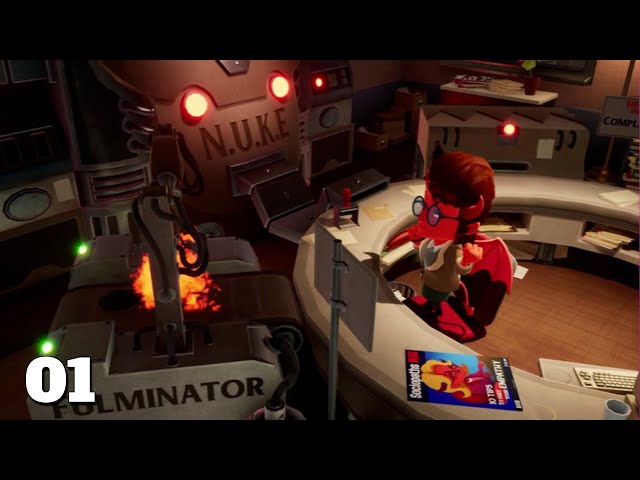
You’ll need minions to process intake paperwork, demons to torture or counsel the damned, and others to finalize cleansing rituals. The souls you collect carry different sins—be it greed, sloth, or the dreaded pride—and each sin demands distinct punishments. If you fail to organize your administrative flow, the system clogs, leading to delays and inefficiencies. Much like a real-world office, the path to success is a combination of correct staff distribution, resource allocation, and a bit of flexibility. Once you crack the code of Hell’s systems, watching the well-oiled machine run with sinful precision is a treat.
Building Your Very Own Hell
Sintopia grants a remarkable level of freedom when designing your Underworld. You don’t just place standard contraptions like a spiky table or a scorching furnace. Instead, you customize the architecture and layout, deciding where to station each piece of your administrative puzzle. Filter your sinners based on the transgressions they committed, and ship them off to the suitable punishment chamber. Perhaps you intend to funnel lustful souls toward a chilly place of deprivation. Or you might prefer subjecting the slothful to constant exercise in an unending labyrinth.
The layout you choose directly affects efficiency. A more sprawling design offers extra room for expansions, but the lengthy corridors can slow processing times. A compact approach can be tidier, though you risk overcrowding. The combination of comedic punishment rooms and rational logistical planning is delightfully ironic: even in the afterlife, you can’t escape organized chaos.
The Satirical Backbone of Hell’s Red Tape
Bureaucracies are rarely as entertaining as the one in Sintopia. Here, every step of soul management involves reams of paperwork, stamps, and official forms. It’s a playful jab at red-tape-laden institutions. There’s even a subtle comedic slant regarding things like employee morale, break rooms, and company memos about “appropriate demon–sinner interactions.” It’s an unabashed satire that pokes fun at administrative headaches we mortals face in reality.
The Interlocking Gameplay Loop: From Sinful Acts to Punishment
The synergy between Overworld and Underworld is essential. Whatever mischief you orchestrate above ultimately supplies your Hell with fresh sinners. In turn, your punishments cycle these lost souls back into the Overworld once cleansed, where they might partake in new virtues or commit fresh sins. It’s a revolving loop that demands a bird’s-eye perspective. Sometimes you might decide that you have fewer sinners than your underworld can handle, prompting you to create more chaos above. Other times, you may experience an overflow in Hell, needing to lower your Overworld interference until you can clear the backlog.
Admittedly, there’s immense satisfaction in carefully engineering a massive wave of sinful chickpea people, only to see them pour into Hell en masse. Then, after you’ve processed them into redeemed souls, you watch them reappear topside and wonder if their newly cleansed hearts will hold strong or buckle to your next faint temptation. Observing those cycles is like playing a macro-level strategy game, placing you firmly in the role of demonic mastermind and benevolent caretaker at once.
Profitable Punishment: Capitalizing on Sin
Managing Hell isn’t solely about torturing souls. The game frames it as a business, with resources to gather and profits to earn from the sin-cleansing process. Some punishment chambers generate currency or valuable items, while certain sin types might be more lucrative than others. For instance, punishing greed-laden souls in ruthless contraptions can yield a tidy sum. If you’re wise, you can route your resources back into Hell’s structure or funnel them into Overworld interventions that promote further sin. Balancing the budget keeps your entire operation afloat, letting you expand and adapt to the unpredictable ebb and flow of new arrivals.
Monitoring your economy demands vigilance. Perhaps you’ve overspent on advanced punishment machines and now face a shortage of funds for paying staff salaries. Or maybe you see an opportunity to specialize in certain sins for higher returns, which means focusing your Overworld manipulations exclusively on triggering that specific behavior. That synergy between moral meddling above and thoughtful budgeting below grants the game its clever strategic framework.
When Will Sintopia Arrive for Mortal Hands?
Sintopia is slated to enter Early Access in 2025, arriving on PC for those bold enough to rule both realms with unwavering confidence. The developers have teased a foundation of features that will expand over time, allowing players to test fresh punishment facilities, new spells, and an even broader variety of sins. While no official release schedule for expansions has been pinned down, the early access approach assures that we can expect ongoing refinements to methods of tempting mortals and optimizing afterlife cruelty.
Frequently Asked Questions (FAQ)
1. What type of game is Sintopia?
Sintopia is a hybrid simulation game that combines elements of a god game and a bureaucratic management sim. Players control both an Overworld, where they influence a population of quirky “chickpea people,” and an Underworld, where they manage the afterlife through a complex infernal bureaucracy.
2. How do the Overworld and Underworld gameplay systems connect?
The two realms are deeply intertwined. Actions in the Overworld—such as encouraging sins through magic or manipulation—create new sinners who are sent to the Underworld. Once processed and punished, these souls may be reincarnated, returning to the Overworld for another chance at virtue or vice.
3. What kind of gameplay can I expect in the Underworld?
In the Underworld, players act as administrators of Hell. You’ll build and customize your infernal layout, sort souls based on their sins, assign staff to punishment rooms, and manage resources. The goal is to maintain efficiency and profitability while navigating a humorous simulation of bureaucratic red tape.
4. What makes the game’s setting and aesthetic stand out?
Sintopia’s unique charm comes from its 1980s-inspired retro aesthetic. Think neon lights, synth music, and absurdly dressed demons. This playful visual style adds comedic flair and contrasts amusingly with the dark subject matter of sin and punishment.
5. Are there strategic elements in the spellcasting and Overworld gameplay?
Yes, spellcasting in the Overworld plays a major strategic role. Spells can be used creatively to influence behavior, trigger chaos, or set off chain reactions. Deciding when and how to use magic is essential for maximizing sinner output without overwhelming your Underworld systems.
6. Can I customize how Hell operates?
Absolutely. Players can build and arrange rooms, choose processing flows, specialize punishments by sin type, and fine-tune their operation’s efficiency. Whether you want a sprawling sinner-processing empire or a compact punishment hub, the tools are in your hands.
7. When will Sintopia be available?
Sintopia is expected to launch in Early Access in 2025 for PC. You can follow its progress or add it to your wishlist on its official Steam page.