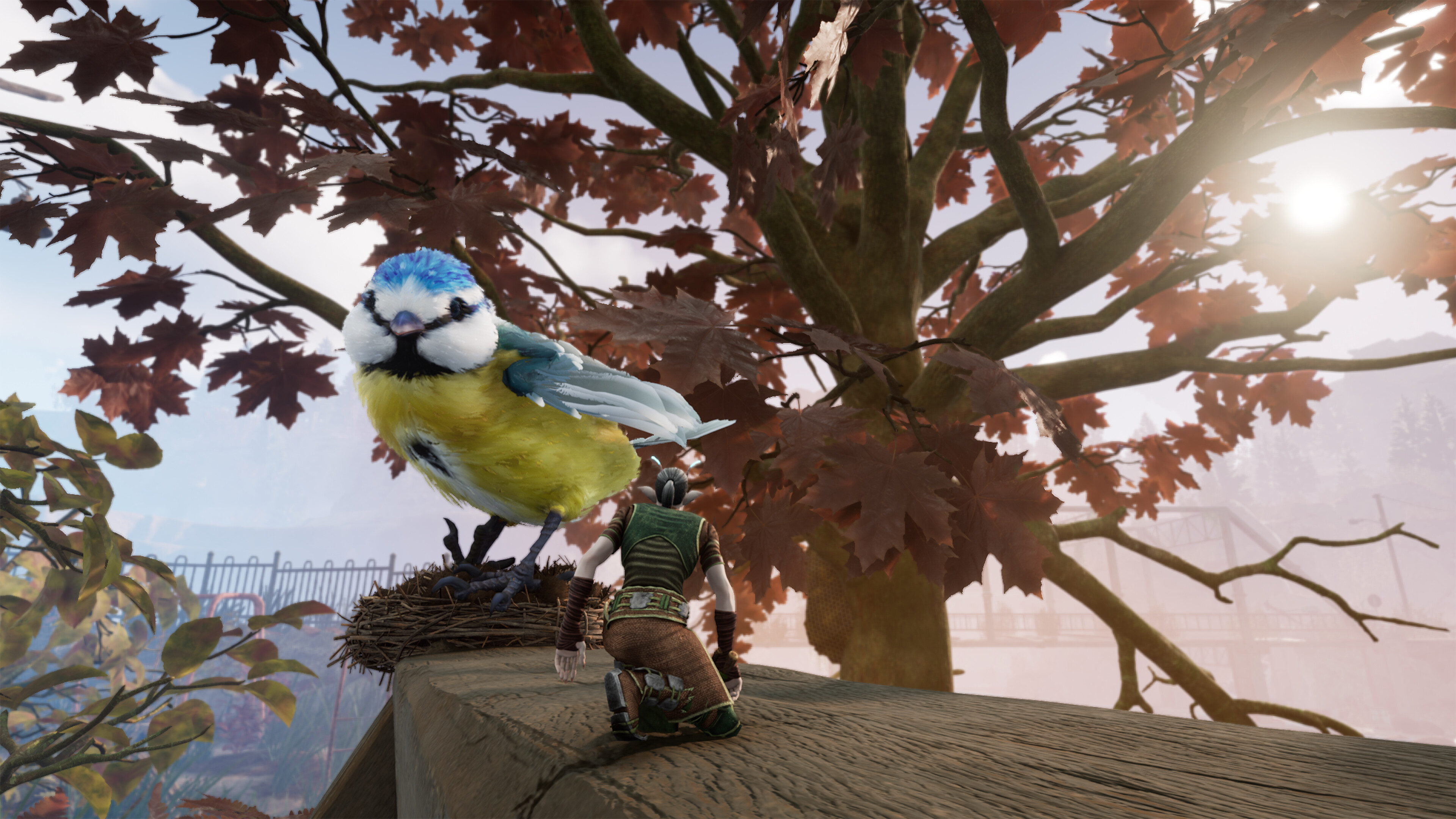
Imagine waking up one morning and discovering that the world around you has grown a hundred times larger—or maybe it’s you who has shrunk. That’s the magic behind Smalland: Survive the Wilds, a survival game where players become “smallfolk” trying to stay alive in an oversized wilderness filled with towering blades of grass, beetles the size of bears, and trees that stretch like skyscrapers. After almost a year in Early Access, Smalland finally reached its full 1.0 release on February 15, 2024, bringing its shrunken-world adventure to PC, PlayStation 5, and Xbox Series X|S.
Mobile Tree Houses That Actually Move
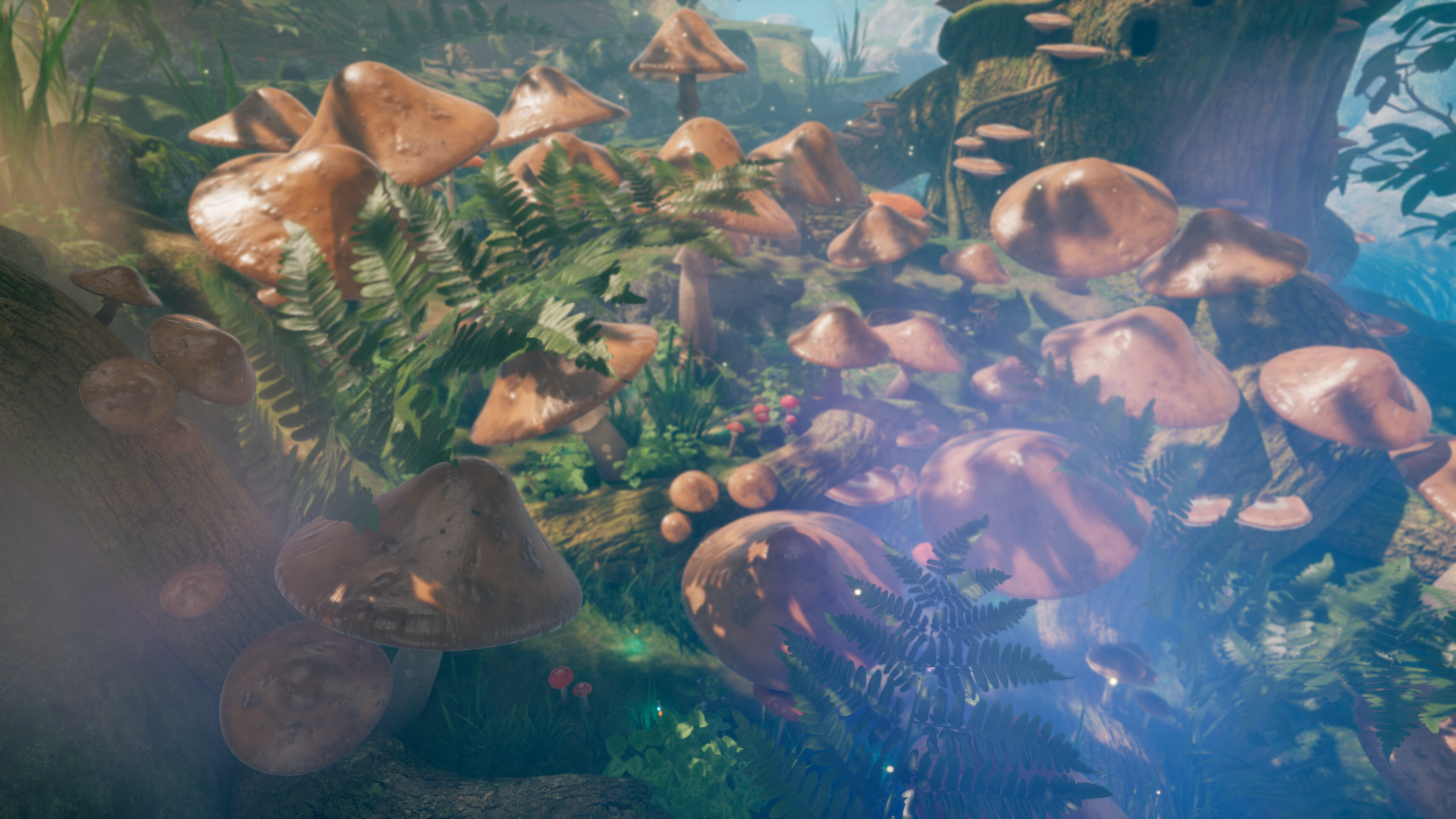
One of Smalland’s most clever features lies high above ground level—literally. In this world, shelter comes in the form of Great Trees: enormous, climbable titans that serve as home bases for players. These aren’t just static shelters either. Once claimed, a Great Tree becomes a safe haven where players can build their base without fear of being overrun by predators from below.
But what truly sets these trees apart is their mobility. When moving to a new Great Tree later in the game, everything built on the old one teleports over—structures and all. This mechanic solves one of the most common pain points in survival games: rebuilding from scratch every time relocation is needed. Instead of grinding through hours of reconstruction, Smalland lets players focus on expanding their creations and exploring further afield without losing progress or design work.
This portability feels like a natural evolution for the genre. It’s as if someone finally asked: why does survival always have to start over? Here, commitment to base building feels rewarding rather than punishing.
Built-in Exploration Tools
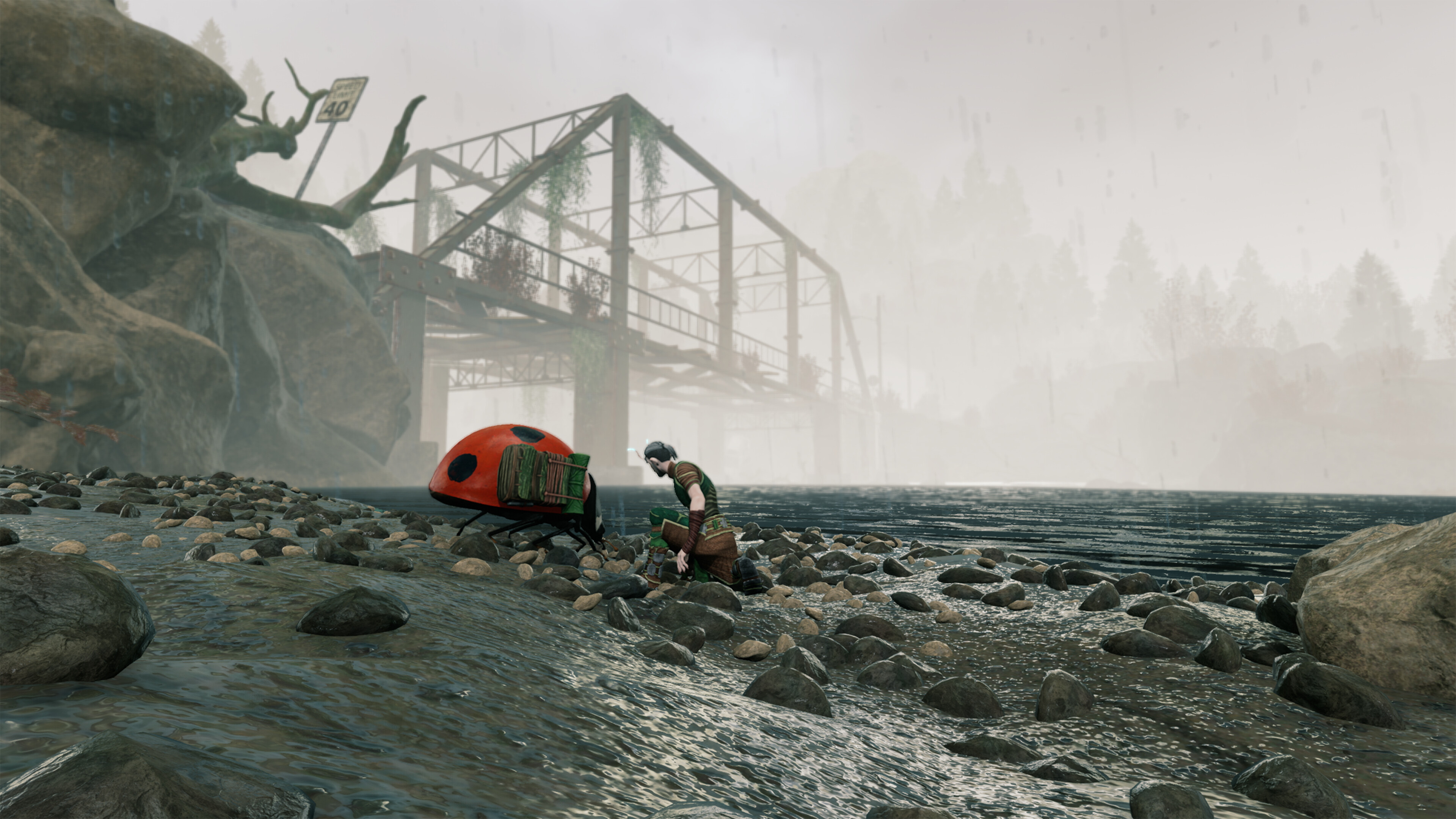
Exploration in Smalland isn’t about wandering aimlessly or checking every bush for supplies. Each smallfolk character comes equipped with antennae that act like natural sonar systems. This scanning ability reveals nearby collectibles, signals enemy strength levels before diving into combat, and even shows how valuable certain resources might be.
This feature makes exploration faster and more strategic. No more aimless scavenging or walking into impossible fights unprepared. The antennae system streamlines decision-making while keeping discovery exciting and full of surprises.
It also fits neatly into the game’s worldbuilding. These aren’t just tools—they’re part of who your character is, reinforcing the idea that smallfolk are uniquely adapted to survive in this oversized ecosystem.
Creative Combat and Traversal
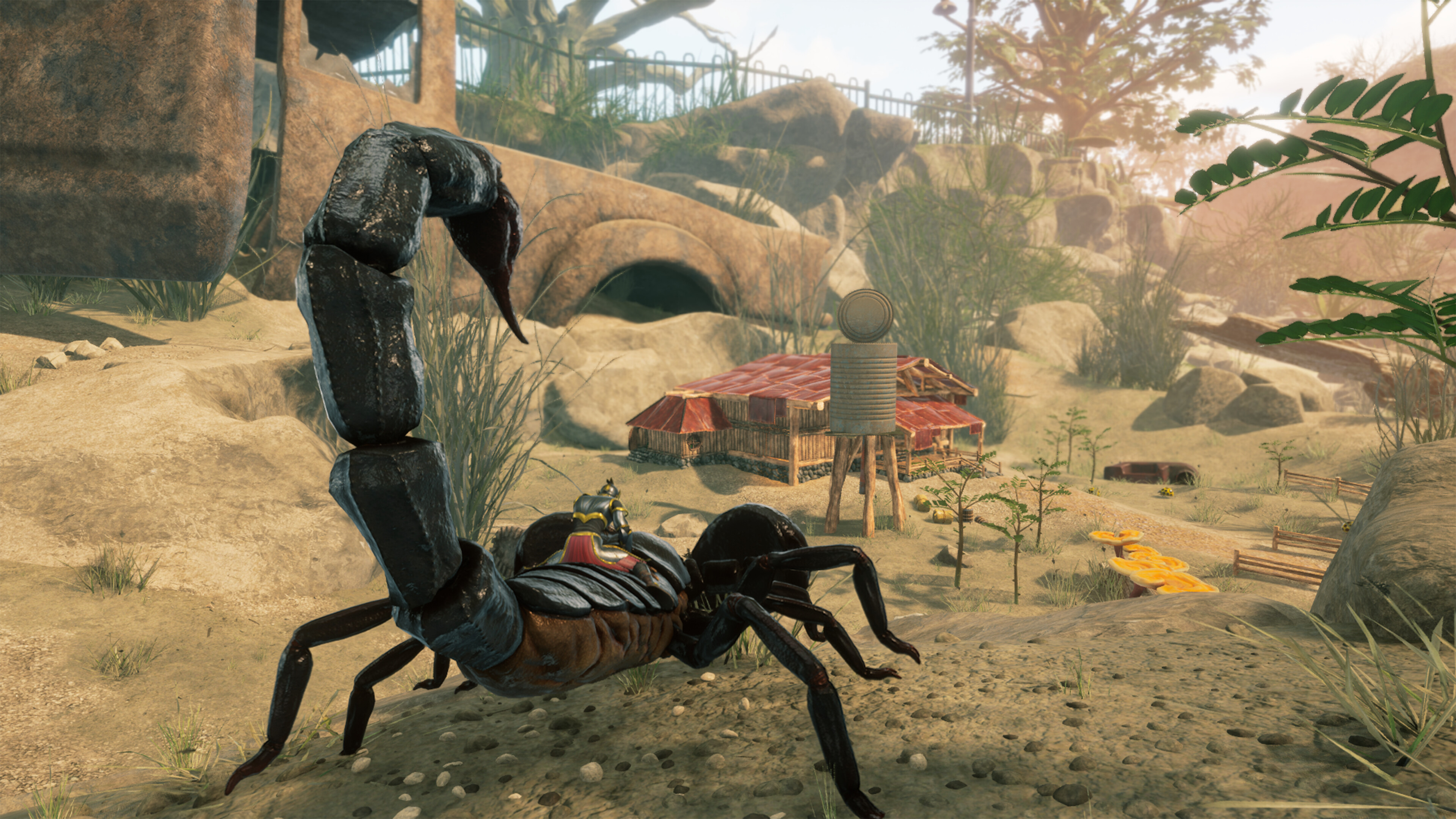
Combat and movement in Smalland thrive on creativity as much as survival instinct. Players can tame giant insects like scorpions or beetles and even ride flying creatures across massive distances. These mounts aren’t just cosmetic; they’re essential for navigating the verticality and dangers of the environment.
The taming system itself has grown since launch, now including deployable traps and multiple taming tiers that let players streamline creature capture while expanding their options for traversal and combat support.
Then there are tools like catapults—not just for defense but for launching items or even other players across huge areas. It creates moments that are both tactical and hilarious. A well-timed launch can skip an entire mountain trek or send a friend soaring into battle with cinematic flair.
Physics-based tools like these encourage experimentation rather than strict optimization. It’s not just about staying alive—it’s about having fun while doing it.
Cooperative Adventure Focus
Smalland leans heavily into cooperative gameplay without forcing it on everyone. While single-player is fully supported, online co-op allows up to 10 players per server, with settings that scale difficulty depending on group size or player preference.
This flexibility makes it ideal for groups looking for shared progression without PvP tension or griefing risks. Players can build bases together in tree canopies far from danger zones below or go on coordinated insect hunts through mushroom forests and underbrush jungles.
The game doesn’t lock progress behind multiplayer either—everything available solo is accessible with friends, too—but when played cooperatively, Smalland truly shines as a social sandbox full of shared victories (and comical missteps).
The Scale Factor Sets It Apart From Other Survival Games
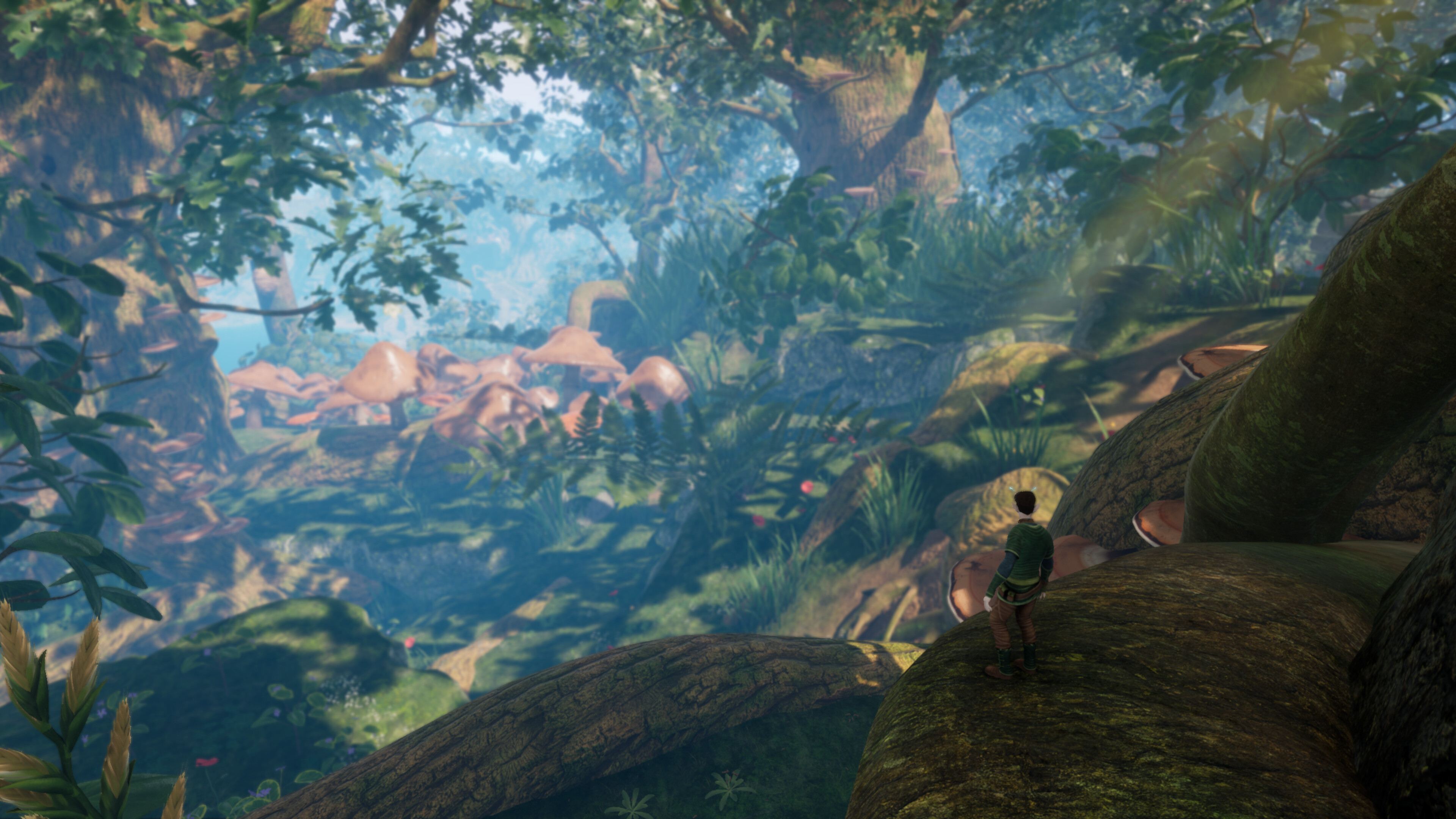
The idea of tiny heroes surviving in a giant world instantly draws comparisons to Grounded—but Smalland carves its own path by focusing more on vertical exploration and mechanical depth rather than comedy or household hazards.
Oversized enemies aren’t just annoyances; they’re legitimate threats requiring gear upgrades, mount support, or clever positioning atop leaves and vines high above ground level. Climbing flower stalks or mushroom towers becomes second nature as verticality becomes both challenge and opportunity.
The world design feels handcrafted around this perspective shift—from puddles becoming lakes to fallen acorns serving as shelter points—and it consistently encourages creative thinking about traversal paths that would be irrelevant at human scale.
A Mix of RPG Progression Inside Survival Systems
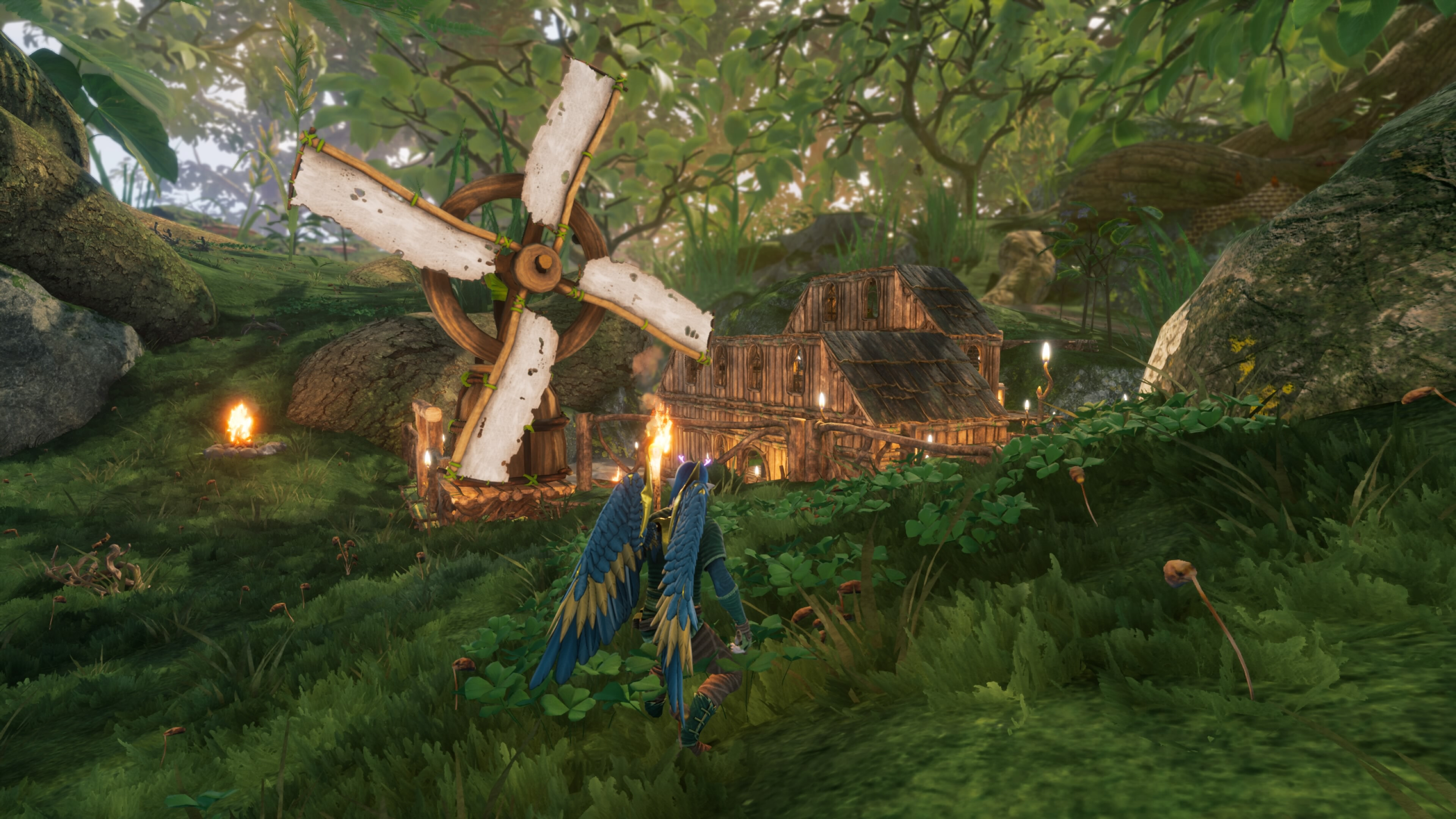
Beneath its crunchy outer shell of survival mechanics beats an RPG heart fueled by faction systems, story quests, crafting progression tiers, and boss battles that elevate it beyond simple “stay alive” objectives.
NPC Vanguards scattered across the map offer missions tied to different factions—each unlocking new recipes or bonuses tied directly to how much reputation players earn with them through quests or deeds. These characters don’t just hand out tasks; they guide player growth by weaving narrative threads through gameplay systems.
Battling named bosses also adds stakes beyond simple survival needs. Each major foe represents not just a test of combat readiness but also serves as key progression gates tied to deeper crafting unlocks or story reveals—something rarely handled so cleanly in open-world survival titles where narrative often takes a backseat.
When does Smalland come out?
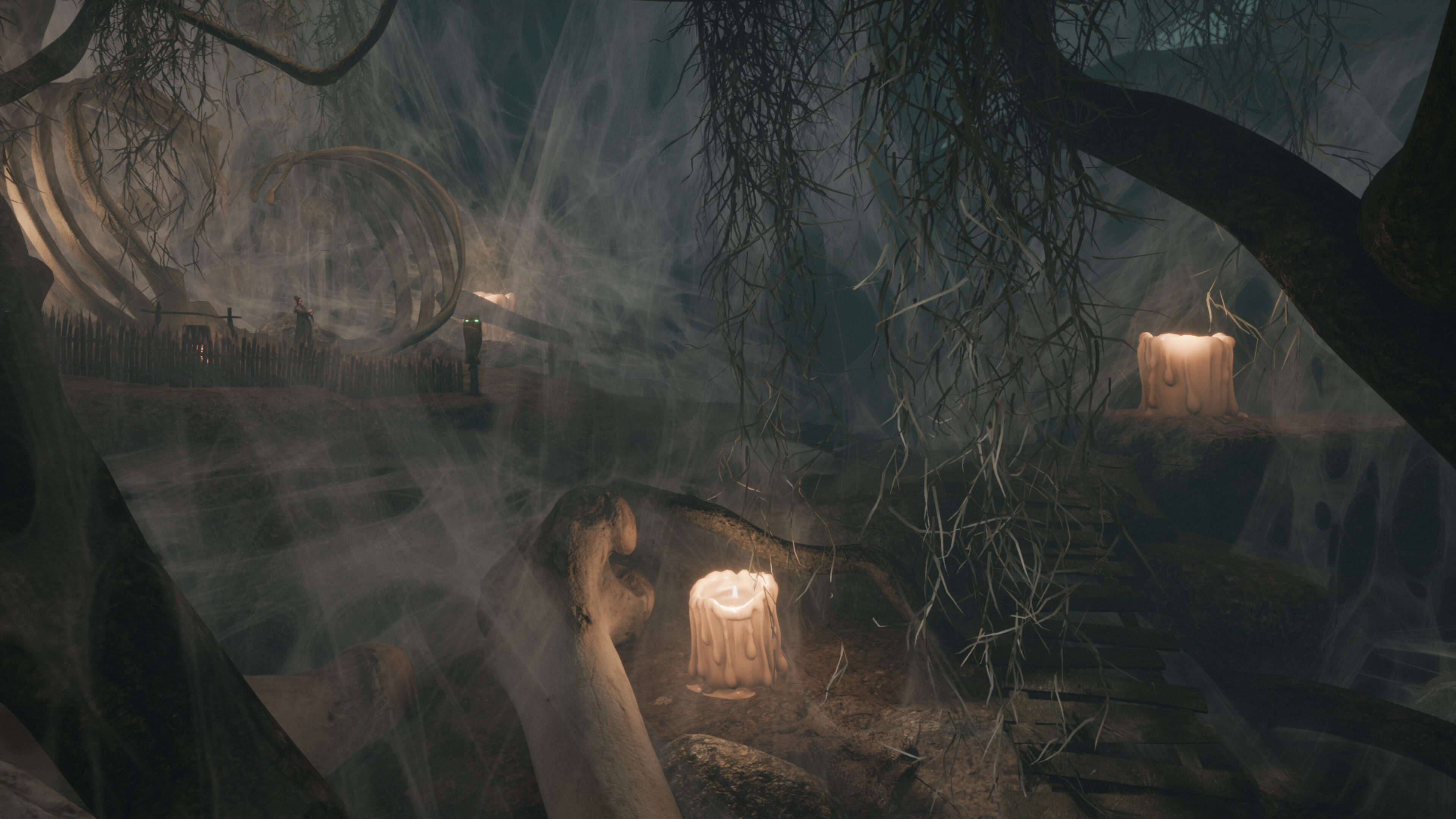
Smalland: Survive the Wilds launched its full version on February 15, 2024 after nearly a year in Early Access since March 2023. It’s now available across PC via Steam, PlayStation 5, Xbox Series X|S—and even supports VR play since May 2024 for those who want an even closer look at life from two inches tall.
A Childhood Classic Reimagined Through Gameplay
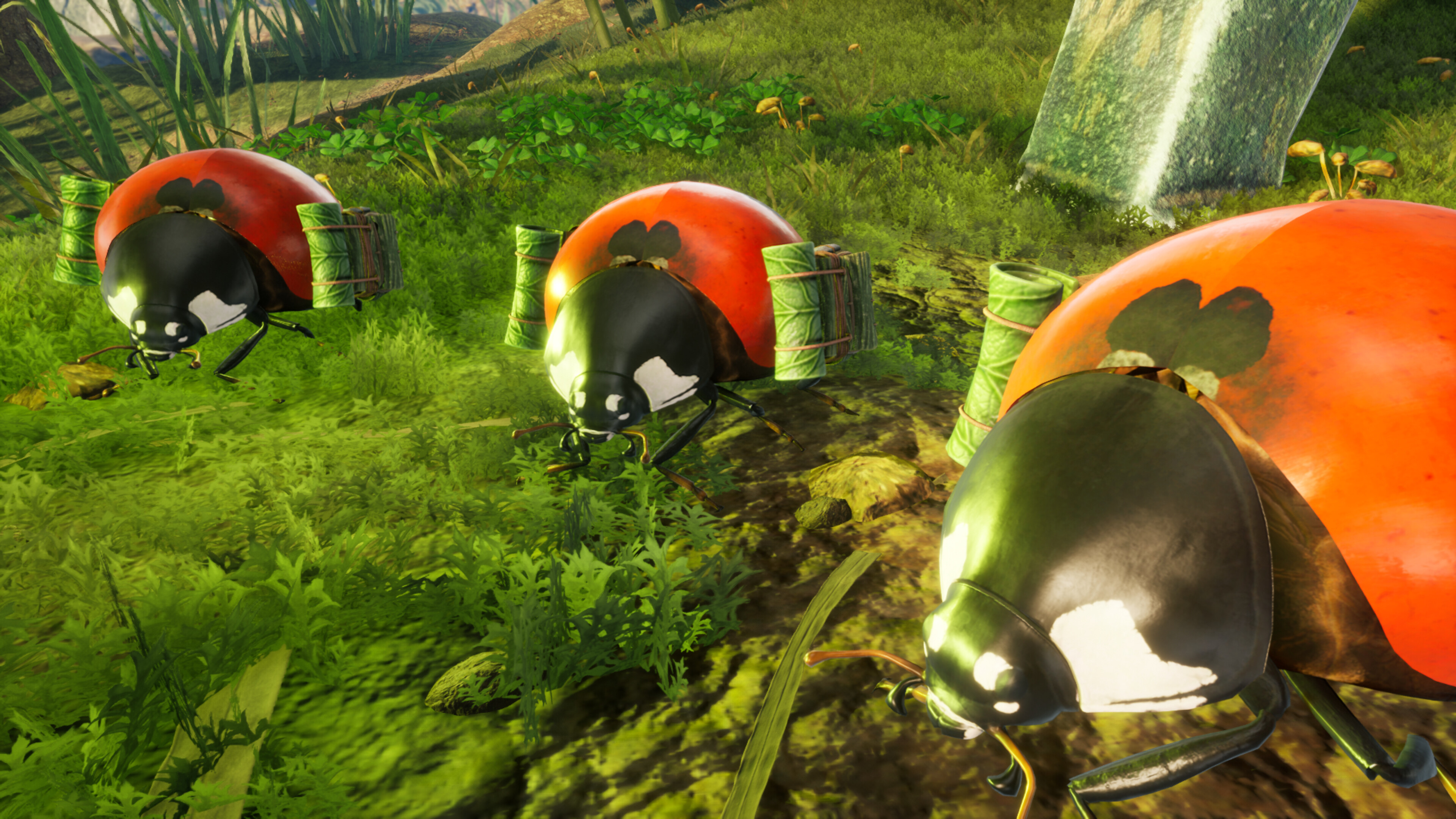
For many players growing up during VHS afternoons filled with backyard adventures like Honey I Shrunk The Kids, stepping into Smalland feels strangely nostalgic—like being pulled back into those childhood fantasies but handed real agency this time around.
The wild scale difference creates wonder at every corner: seeing dandelion tufts tower above like trees or watching raindrops fall like meteor showers brings back memories laced with awe. One early moment—with a swarm of ants crawling toward camp under golden sunlight—felt less like game mechanics unfolding and more like reliving those Christmas morning dreams wrapped up inside pixelated leaves and bark walls.
A Survival Game Where Creativity Feels Just As Important As Caution
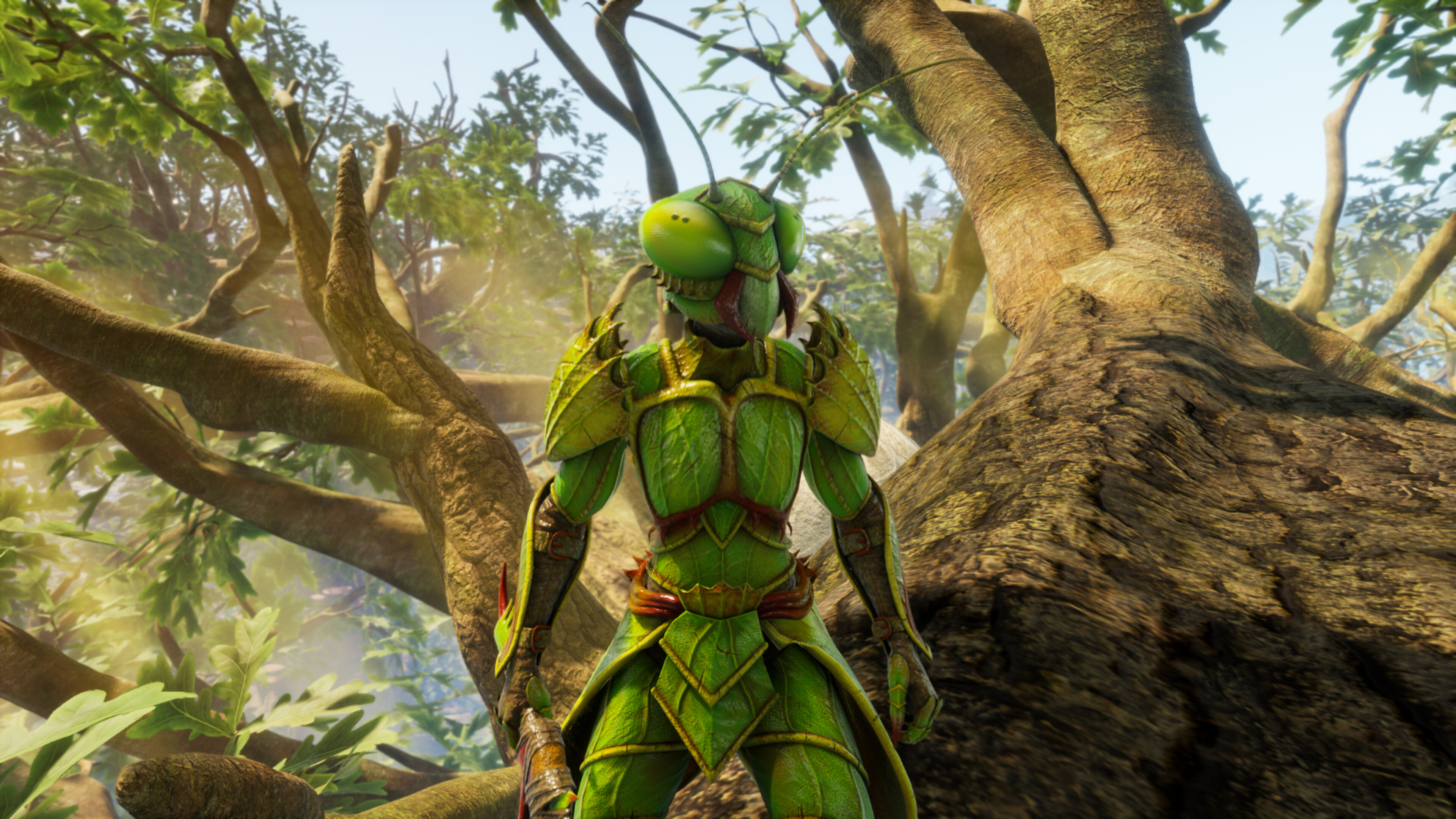
With its blend of unique traversal systems, scalable co-op design choices, mobile base-building innovations through Great Trees, and solid RPG undercurrents beneath its survival shell—Smalland isn’t trying to reinvent every wheel but rather reshape them to fit a smaller yet bolder vehicle for exploration-driven storytelling and group adventure alike.
The question now is simple: How will players choose to leave their mark on this giant world built for tiny legends?
F.A.Q.
When does Smalland: Survive the Wilds come out?
Smalland: Survive the Wilds launched its full version on February 15, 2024, after nearly a year in Early Access since March 2023. It is now available on PC, PlayStation 5, and Xbox Series X|S.
What platforms is Smalland: Survive the Wilds available on?
The game is available on PC via Steam, PlayStation 5, and Xbox Series X|S. It also supports VR play since May 2024 for an immersive experience.
What type of game is Smalland: Survive the Wilds?
Smalland: Survive the Wilds is a third-person survival-crafting game. Players control “smallfolk” characters in a shrunken world where they must build bases, tame creatures, and survive against oversized insects and beasts.
Does Smalland: Survive the Wilds have co-op gameplay?
Yes, Smalland supports online co-op gameplay, allowing up to 10 players per server. The game scales difficulty based on group size or player preference, making it ideal for shared adventures without PvP tension.
Does Smalland: Survive the Wilds have base building?
Yes, base building is a key feature in Smalland. Players can build on Great Trees, which serve as mobile home bases. Structures built on a Great Tree can be moved to another Great Tree, eliminating the need to rebuild from scratch when relocating.
Is Smalland: Survive the Wilds worth it?
If you’re interested in a fresh take on survival games with a unique shrunken-world setting, creative base-building mechanics, and cooperative gameplay, Smalland: Survive the Wilds offers a rewarding and innovative experience.
Does Smalland: Survive the Wilds have crafting?
Yes, crafting is a significant part of the game. Players can progress through crafting tiers, create various tools and devices, and unlock new recipes through NPC missions and faction systems.