Imagine stepping into a story already in motion—one where the bridges are broken, the townsfolk wary, and supplies scarce, all because of someone else’s choices. In Tides of Tomorrow, those consequences aren’t just window dressing. They’re real obstacles, created by another player’s path through the world. And now it’s up to the next explorer to pick up the pieces—or break even more of them.
This multiplayer twist makes storytelling feel personal and unpredictable
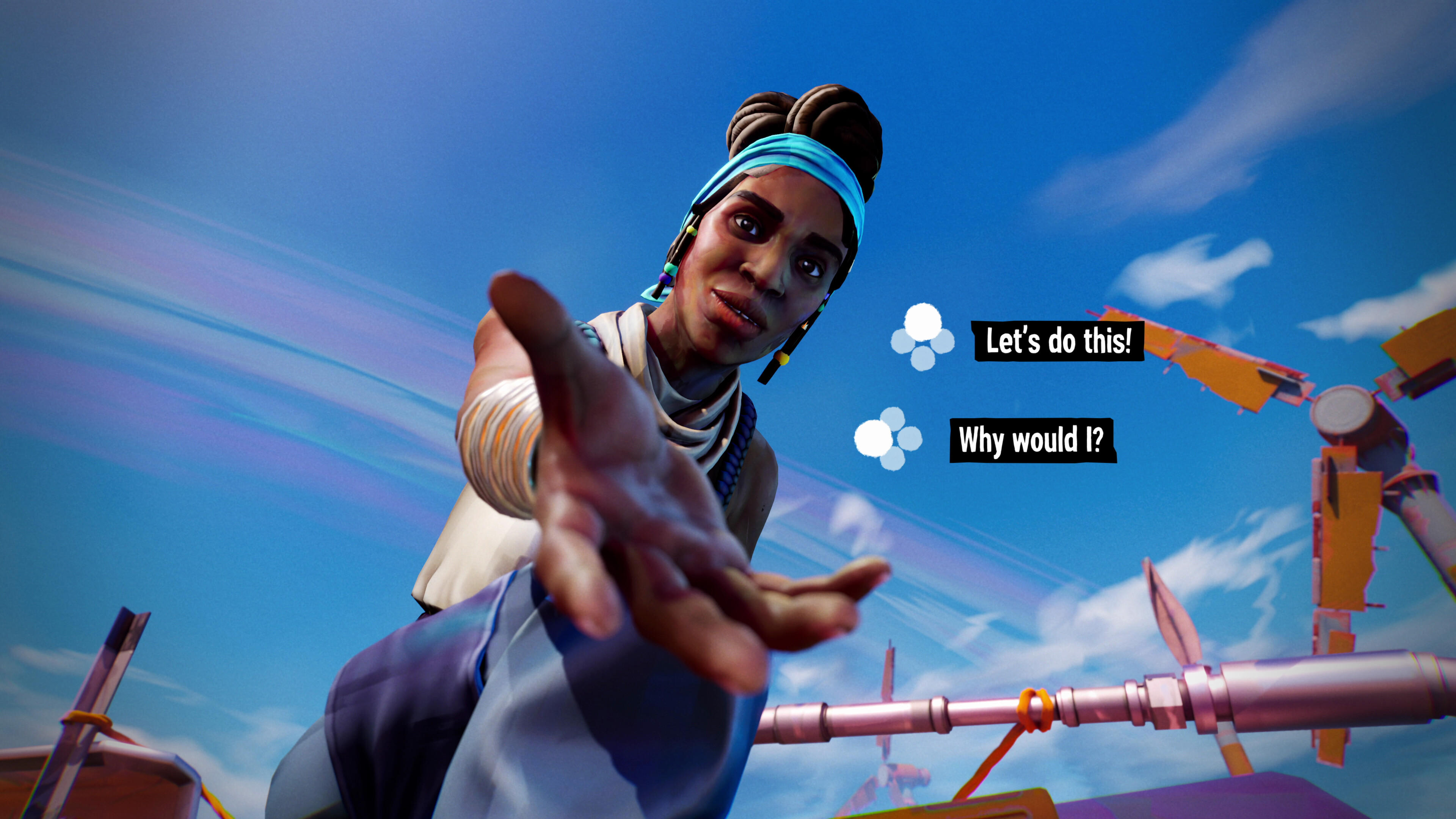
Most games with choices lock them inside your own save file. Tides of Tomorrow flips that idea on its head. Every run is shaped by another player who came before. This isn’t just watching their decisions on a summary screen. Their actions ripple across your story in ways that can’t be ignored. That bridge they torched to stop an enemy? It’s gone for you too. The NPC they betrayed might now hate anyone from your faction—even if you had nothing to do with it.
The system works through what the developers call “asynchronous co-op.” Instead of playing live with someone else, players follow a Tidewalker—a previous player whose decisions now shape their session. It could be a friend, a favorite streamer, or just someone random chosen by the game. Either way, their mark is everywhere. Their story becomes part of yours.
That unpredictability turns each playthrough into something new. One player might find a peaceful trader town thriving thanks to diplomacy; another might stumble upon a ghost port littered with corpses and closed gates, after someone else chose violence over mercy.
A different kind of multiplayer built on stories instead of stats
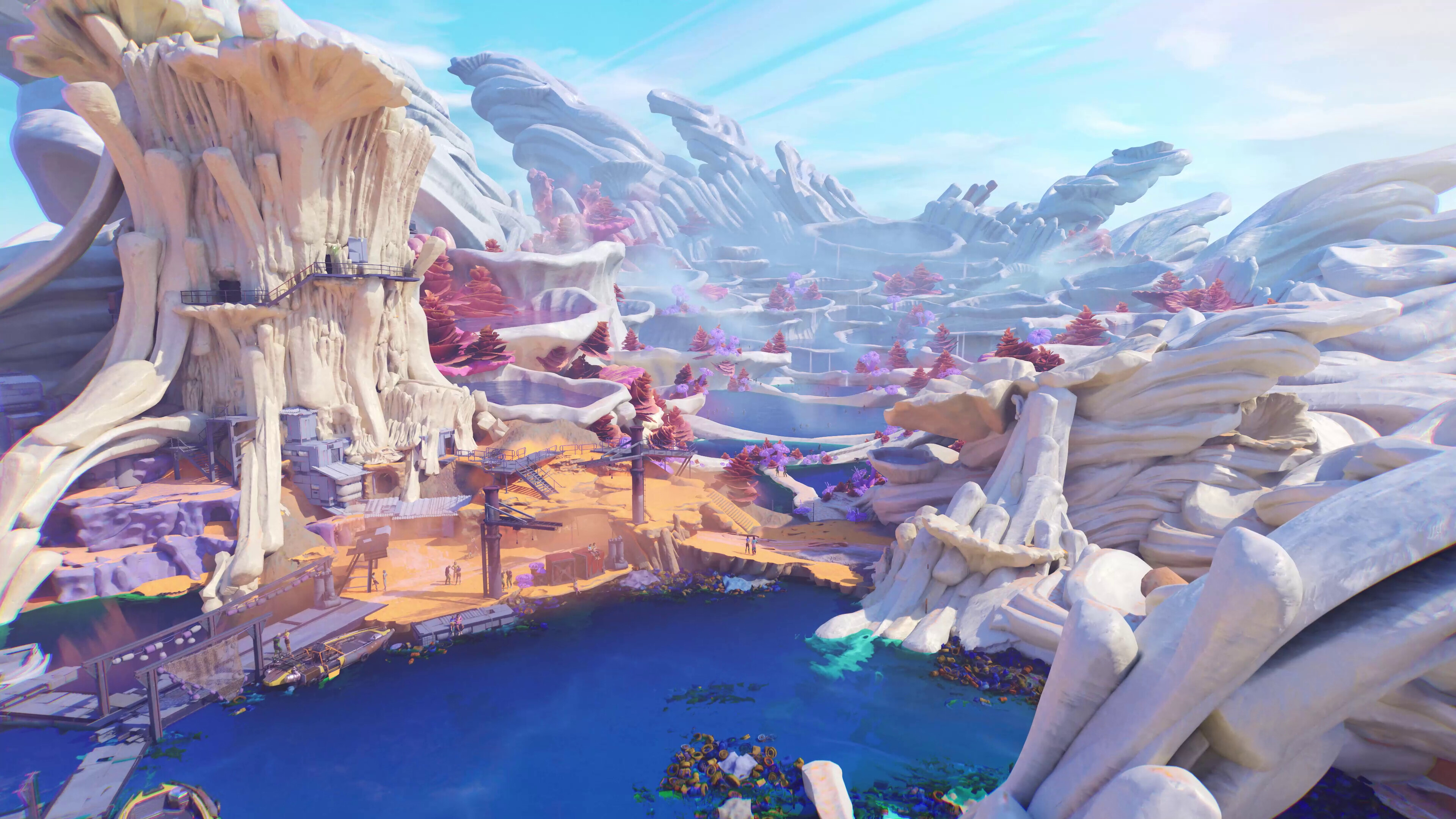
What sets this game apart isn’t just its mechanics—it’s what those mechanics mean for storytelling. In Tides of Tomorrow, every choice echoes forward. When one player decides to reroute trade routes or sacrifice an NPC companion for survival, those effects aren’t isolated to their playthrough. They become part of the world itself.
That means players don’t just create stories—they inherit them too. Following someone else becomes more than curiosity; it’s strategy, risk management, and storytelling all in one. Players must adapt not only to environmental dangers but also to human ones—mistakes or gambles made by others weeks before.
Yet there’s power in being followed too. The game records each decision and passes them on to future players who choose that path. A Tidewalker isn’t just some random soul—they’re part ghost, part guide, part saboteur depending on how they played the game.
This shared narrative web doesn’t need voice chat or shared lobbies to feel alive. Each run is threaded into a larger tapestry where social consequence matters more than leaderboard scores ever could.
A drowned world full of danger and detail
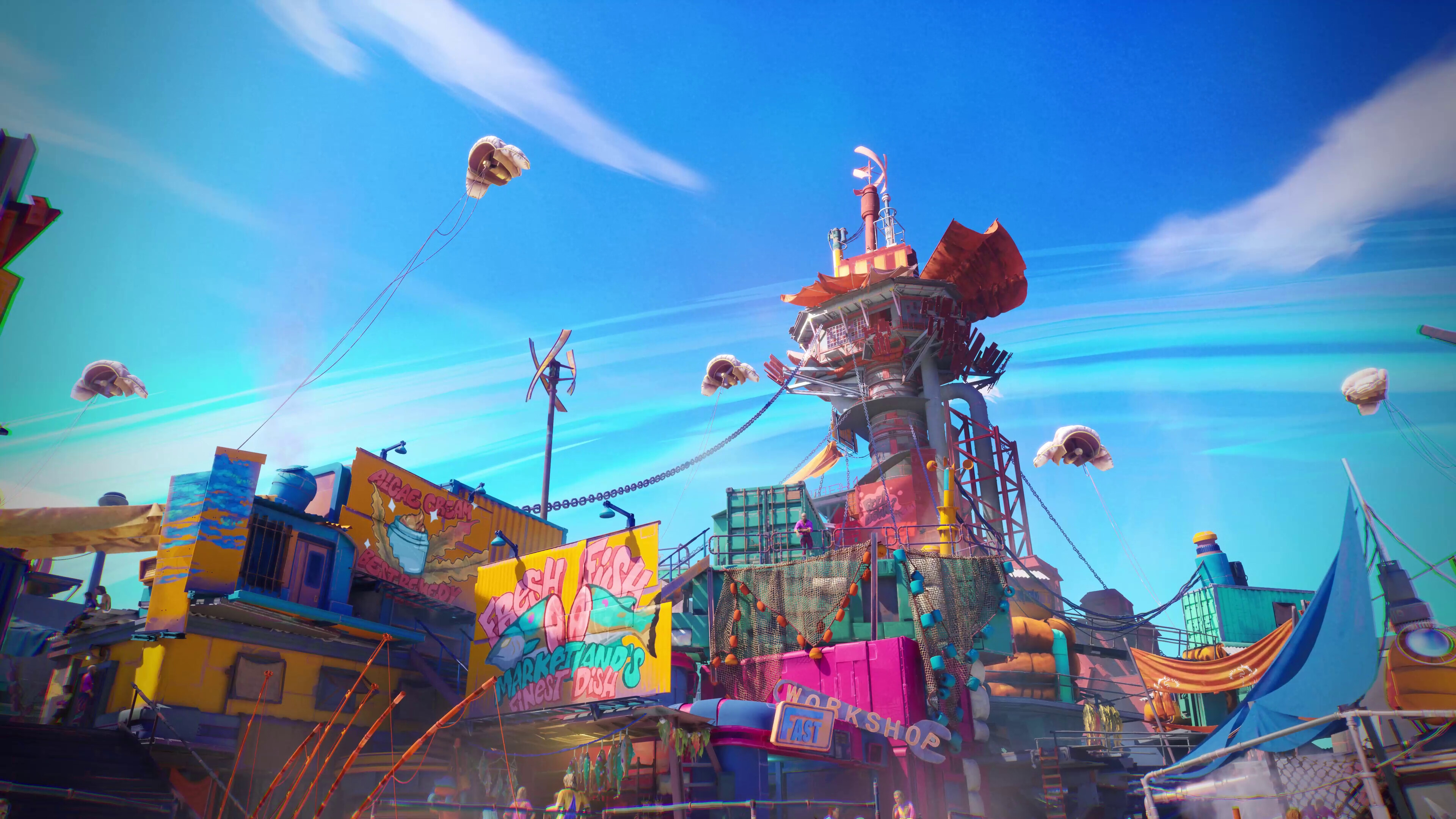
The setting pulls everything together: Elynd is a planet swallowed by water after a massive flood reshaped its surface forever. Now survival depends on floating platforms scattered across endless seas—each one home to unique communities struggling against time and decay.
The floodwaters didn’t just destroy land—they brought disease with them too: plastemia, a sickness caused by microscopic plastic pollution embedded in everything from food supplies to bloodstreams. Players must scavenge or trade for Ozen, a rare resource used both as currency and medicine, making every interaction with traders or factions potentially life-saving—or deadly if mismanaged.
Exploration happens between these floating towns via small boats or makeshift craft, each voyage exposing players to new people and problems shaped by past stories. Some towns are welcoming havens; others are warzones held together by shaky alliances ruined long ago by another Tidewalker’s betrayal.
The platform-based structure breaks away from traditional open-world sprawl and instead focuses on tight-knit hubs filled with dynamic conditions—some lifted straight from the aftermath of another player’s hand.
How following other players actually changes your adventure
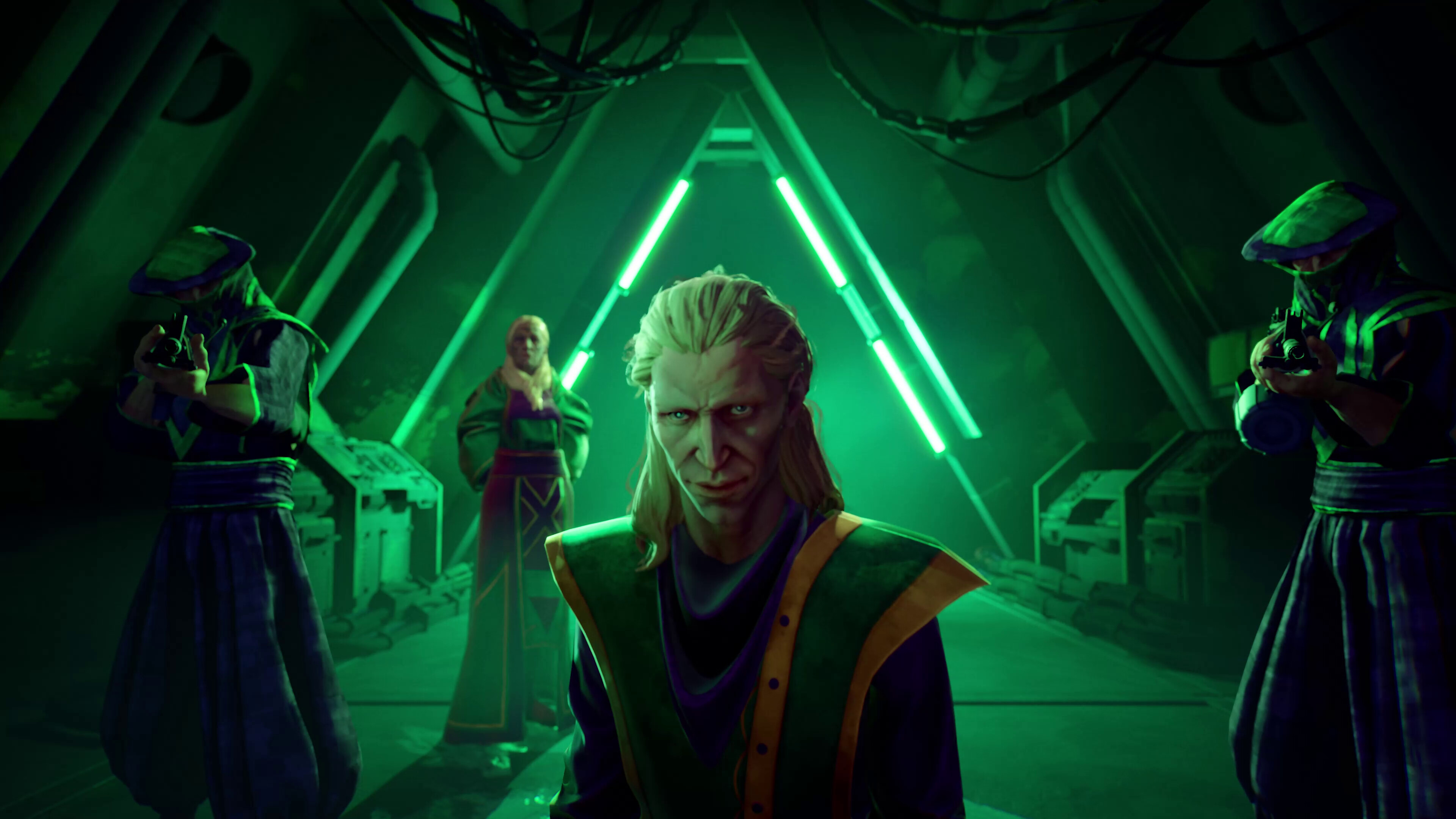
Tides of Tomorrow begins with a question: Whose path will you walk? Picking a Tidewalker is more than cosmetic—it defines how your run starts and what challenges you’ll face first. Maybe they opened up shortcuts by allying with pirates—or maybe they angered key traders who now refuse you entry altogether.
From there, each moment builds atop that foundation. An encounter at sea might play differently if your predecessor spared an NPC who now returns as an ally—or worse if they let someone live who now leads a raiding party against you.
This system creates moments that feel deeply personal even when shared across many sessions. During one preview demo, an early explorer avoided helping an injured scientist at sea—thinking it was too risky—and later players found her corpse drifting near shore along with half-finished research notes that could have cured plastemia for entire regions.
That blend of guilt, discovery, and agency sets Tides apart from other narrative games where replays only change minor dialogue trees or quest orderings. Here, every action carries actual weight—for someone else down the line as much as for yourself now.
Why this matters for fans of story-heavy games
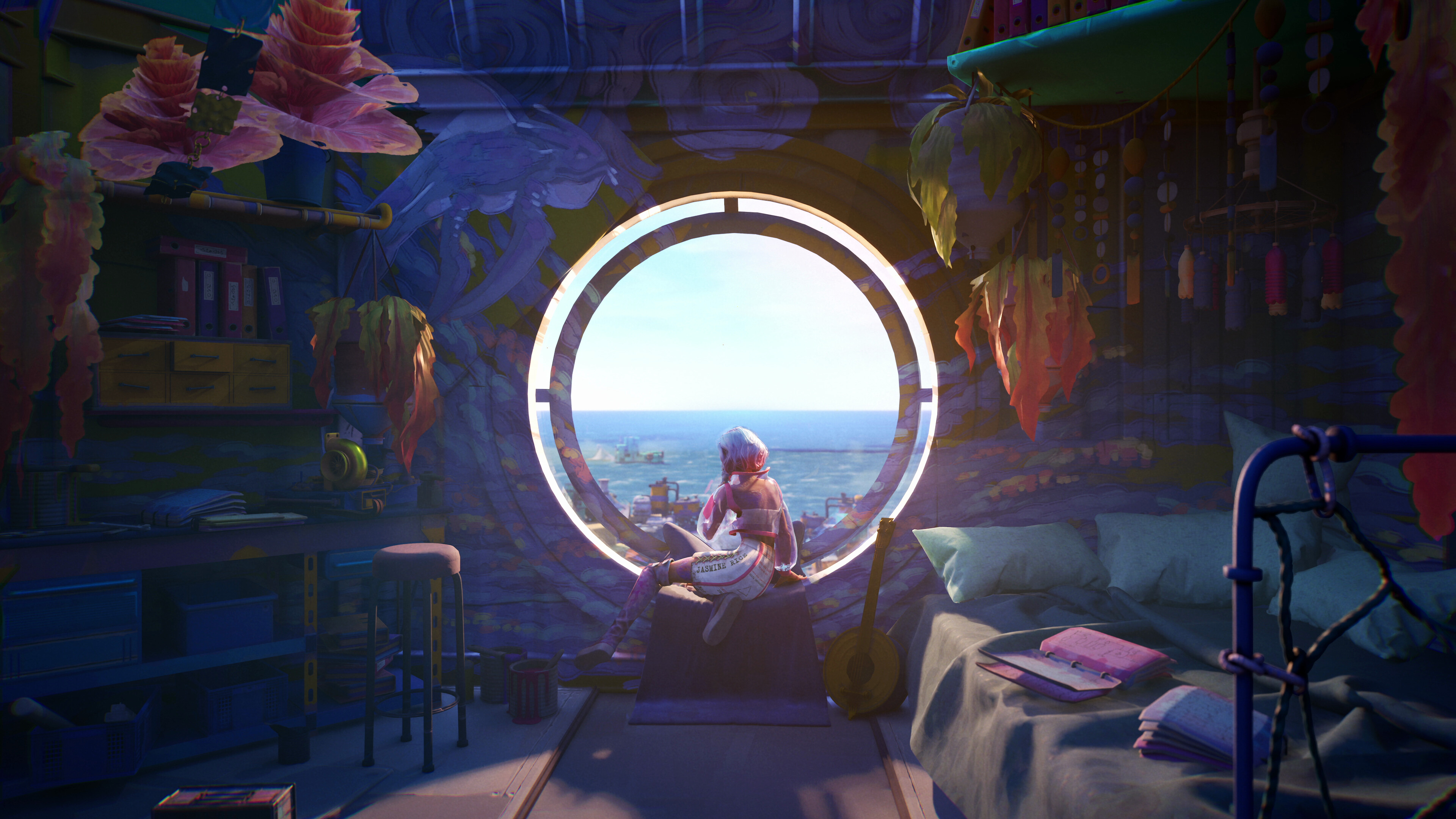
This kind of design isn’t just clever—it reshapes how people connect through games without needing real-time coordination or matchmaking pressure. For players tired of hollow choices or disconnected co-op sessions, Tides offers something deeper: meaningful connections built from silent collaboration (or sabotage) across time zones and days apart.
It also opens new doors for content creators and their followers—not only watching decisions unfold live but jumping into worlds shaped directly by those streams later on. Imagine watching a streamer let an entire village starve during their campaign… then loading into that same world afterward to see the consequences firsthand—and deciding whether to try fixing their mistakes or doubling down on cruelty yourself.
The result is massive replay potential layered with emotional investment—not just in what happens next but in who made it happen before you arrived.
When does Tides of Tomorrow come out?
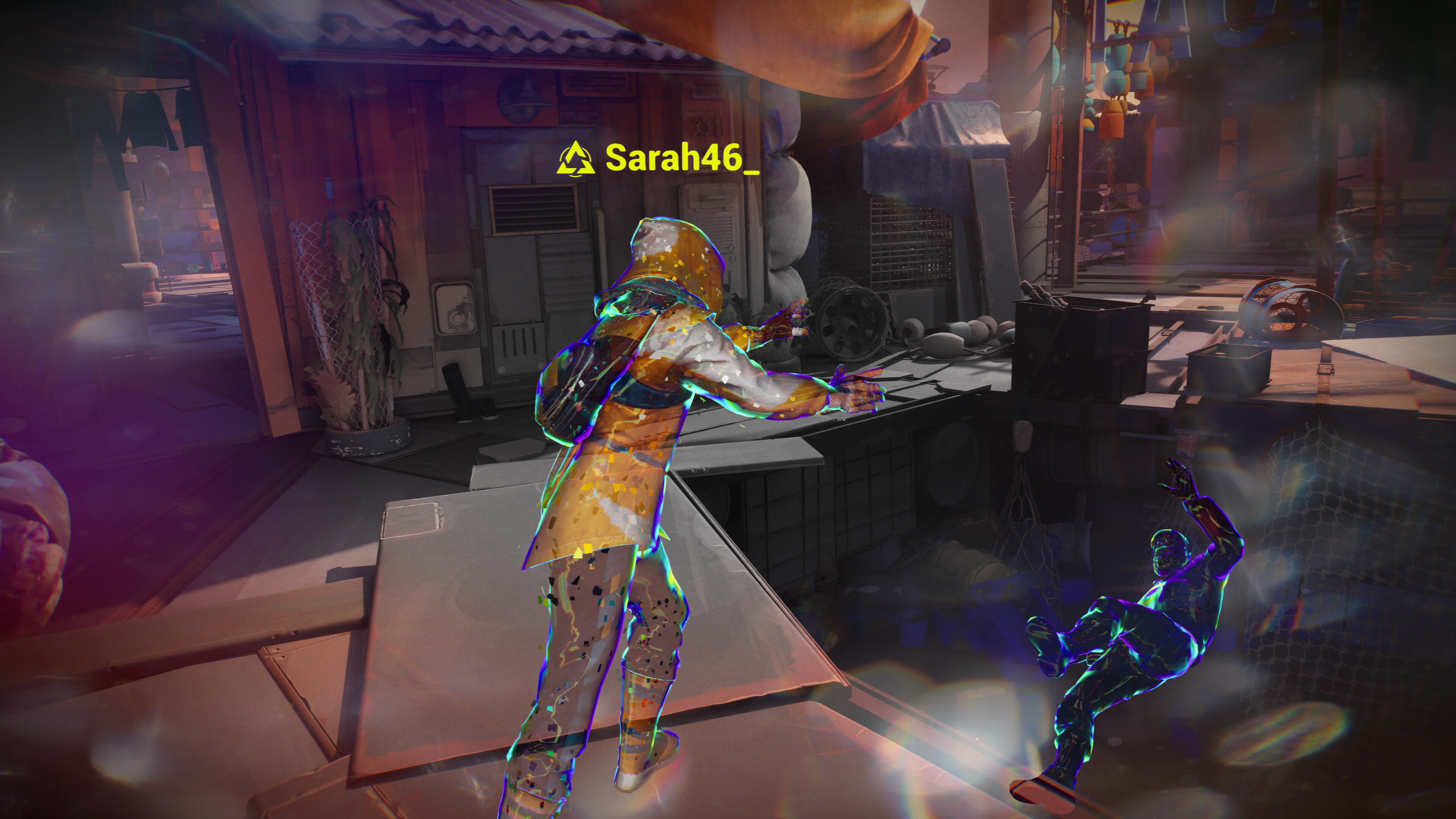
Tides of Tomorrow launches on February 24, 2026, arriving simultaneously for both PC (Steam) and PlayStation 5. Developed by Digixart—the studio behind emotionally rich games like Road 96—the title continues their focus on branching narratives while pushing into uncharted multiplayer waters this time around.
Big ideas need strong execution—will this one deliver?
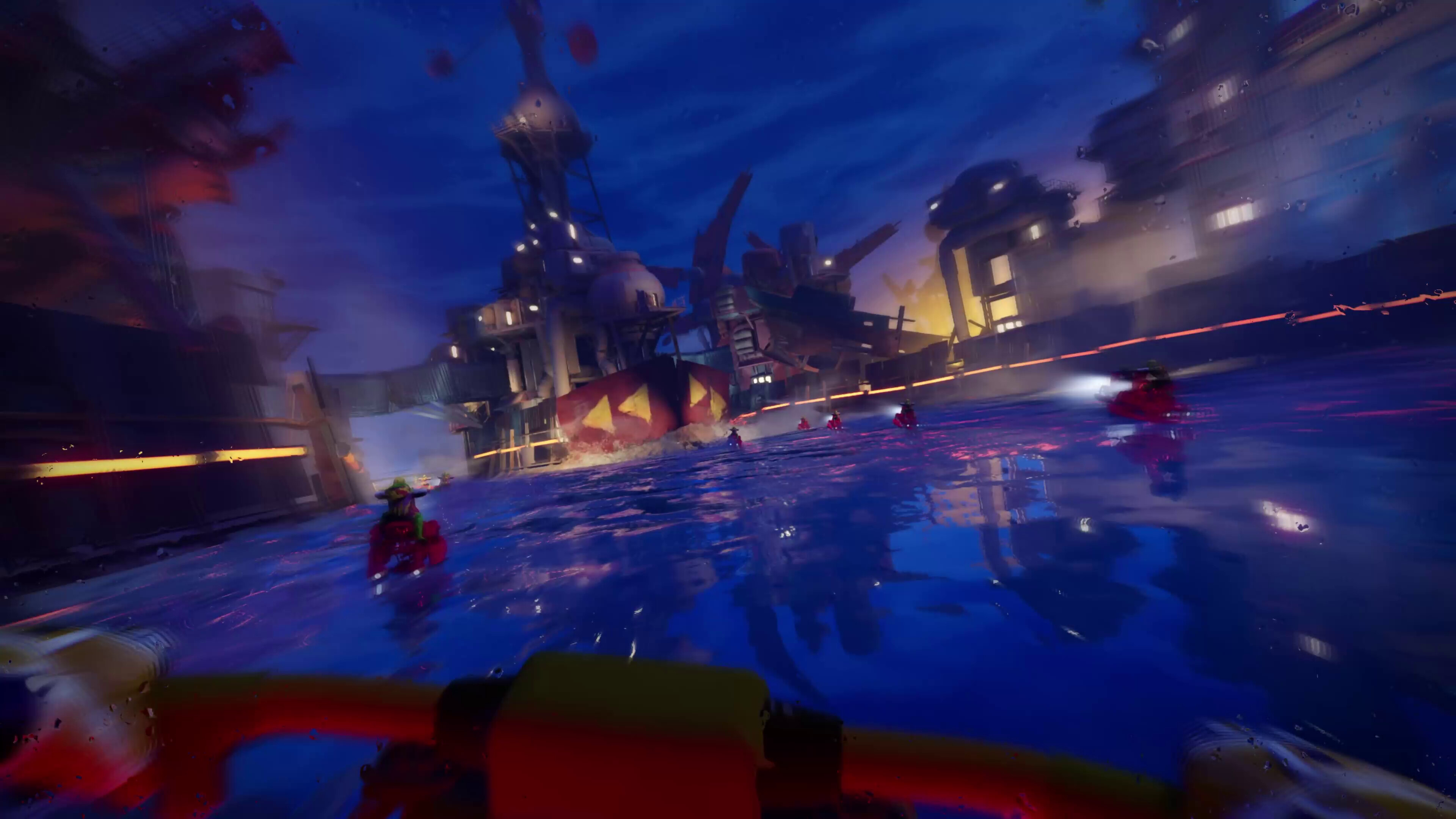
Tides aims high with its asynchronous storytelling structure—but questions still linger about how well all these systems will hold up over time. Will players feel truly connected after multiple runs? Can emergent narratives stay fresh once patterns emerge? And how balanced will the impact system feel if some Tidewalkers leave chaos that borders on unplayable?
If Digixart nails those elements—especially keeping community creativity at the forefront—Tides could mark a bold shift in how people think about shared game worlds without shared screens.
The concept is bold: trust strangers not just with cooperation but with storytelling itself—and let every decision ripple forward like waves across Elynd’s endless sea. The question is simple: when it’s your turn to walk the tide… what kind of world will you leave behind?
F.A.Q.
When does Tides of Tomorrow come out?
Tides of Tomorrow is set to release on February 24, 2026. It will be available on both PC (Steam) and PlayStation 5. For more details, you can visit the game’s Steam page.
What platforms is Tides of Tomorrow available on?
Tides of Tomorrow will be available on PC and PlayStation 5. The game aims to provide a seamless experience on both platforms with its innovative multiplayer storytelling.
What type of game is Tides of Tomorrow?
Tides of Tomorrow is a narrative-driven, multiplayer “asynchronous co-op” adventure game. It emphasizes player decisions that create persistent world effects, thereby affecting the experiences of other players who follow.
Does Tides of Tomorrow have multiplayer?
Yes, Tides of Tomorrow features an asynchronous multiplayer experience. Players follow the path of a previous player, known as a Tidewalker, whose choices affect their own gameplay session, creating a unique and interconnected storytelling experience.
Is Tides of Tomorrow worth it?
If you enjoy narrative games where choices have a significant impact, and you’re interested in social multiplayer experiences without real-time coordination, Tides of Tomorrow offers a fresh take with its unique storytelling and exploration mechanics. The game is set in a rich, ocean-world environment with dynamic player-driven narratives.
Does Tides of Tomorrow have a good story?
Tides of Tomorrow is designed to provide a deeply personal storytelling experience, where each player’s choices, as well as the choices of the Tidewalker they follow, significantly impact the narrative. This creates a rich, immersive story that evolves with each playthrough.