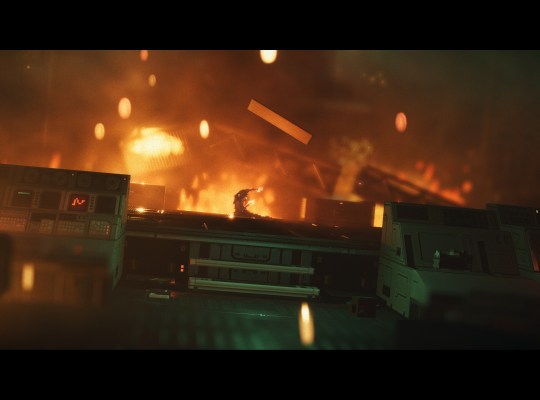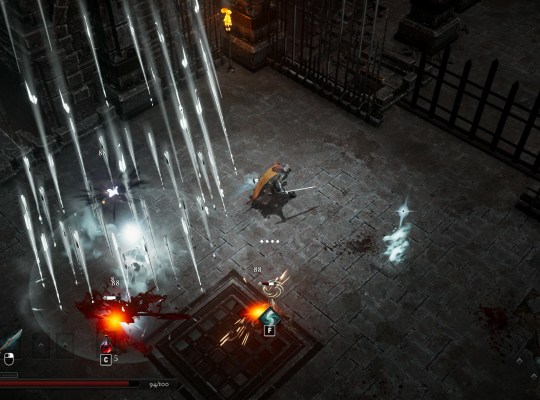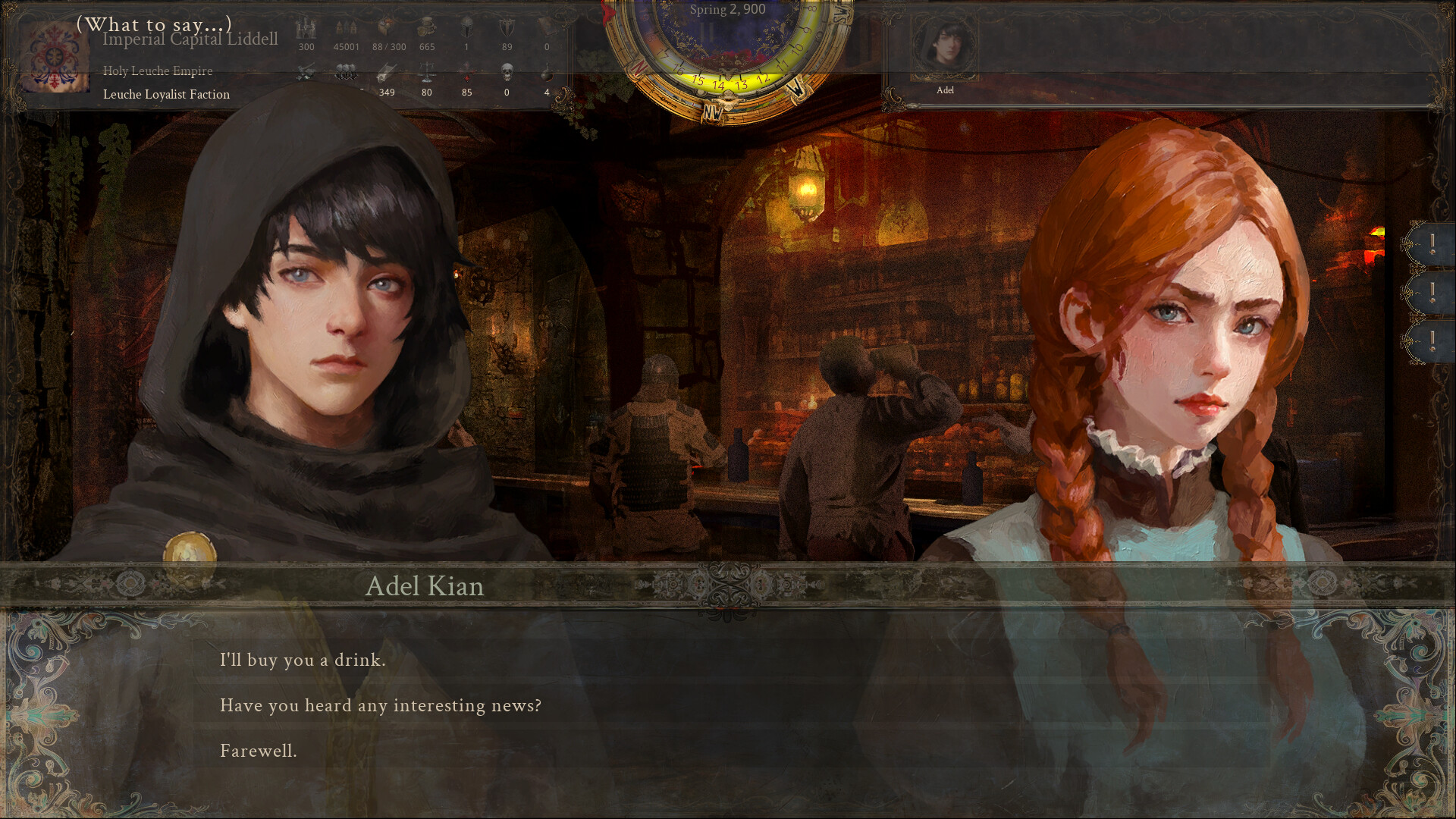
The medieval world is falling apart, and no one’s coming to save it—except maybe the blacksmith-turned-bandit who just stole a royal decree. In The End of History, launching in Early Access this December, players don’t follow a hero’s journey—they carve their own path through a crumbling world. Whether that means ruling as a fair king or bribing your way to power as a shady merchant, this sandbox strategy RPG gives you full control over how the story unfolds.
NPCs that actually think for themselves change the way stories are told
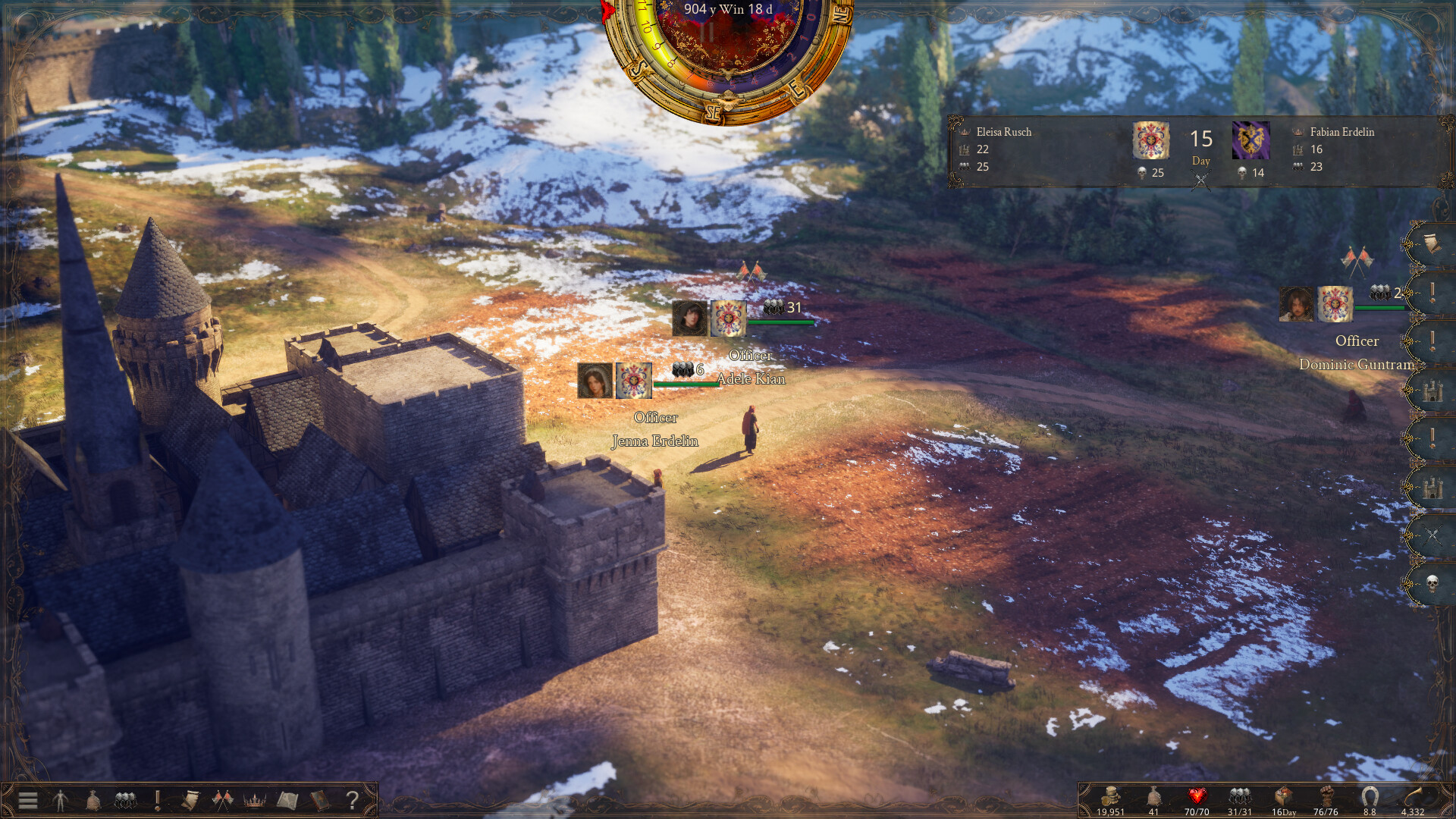
Here’s the lowdown: most games say choices matter, but few deliver on that promise. The End of History throws out the old rulebook. Instead of static characters waiting to dish out quests, every NPC in the game has their own goals, fears, and ambitions. They act based on what they want—not what players expect.
This means no two playthroughs will ever feel the same. Helping a wandering knight avoid battle might lead him to build his own town down the road. Betray a merchant guild today, and don’t be surprised when they sabotage your supply lines next week. The game uses procedural storytelling to make sure these ripple effects happen organically.
During one session, a traveling bard exposed a noble’s secret affair completely by accident while performing in town—just because he’d picked up gossip from another player’s encounter hours earlier. That small moment snowballed into political unrest and an unexpected war between rival lords. None of it was scripted—it all came from how NPCs acted on their own desires and how players stirred the pot.
Choose any life path—from starving peasant to crowned ruler
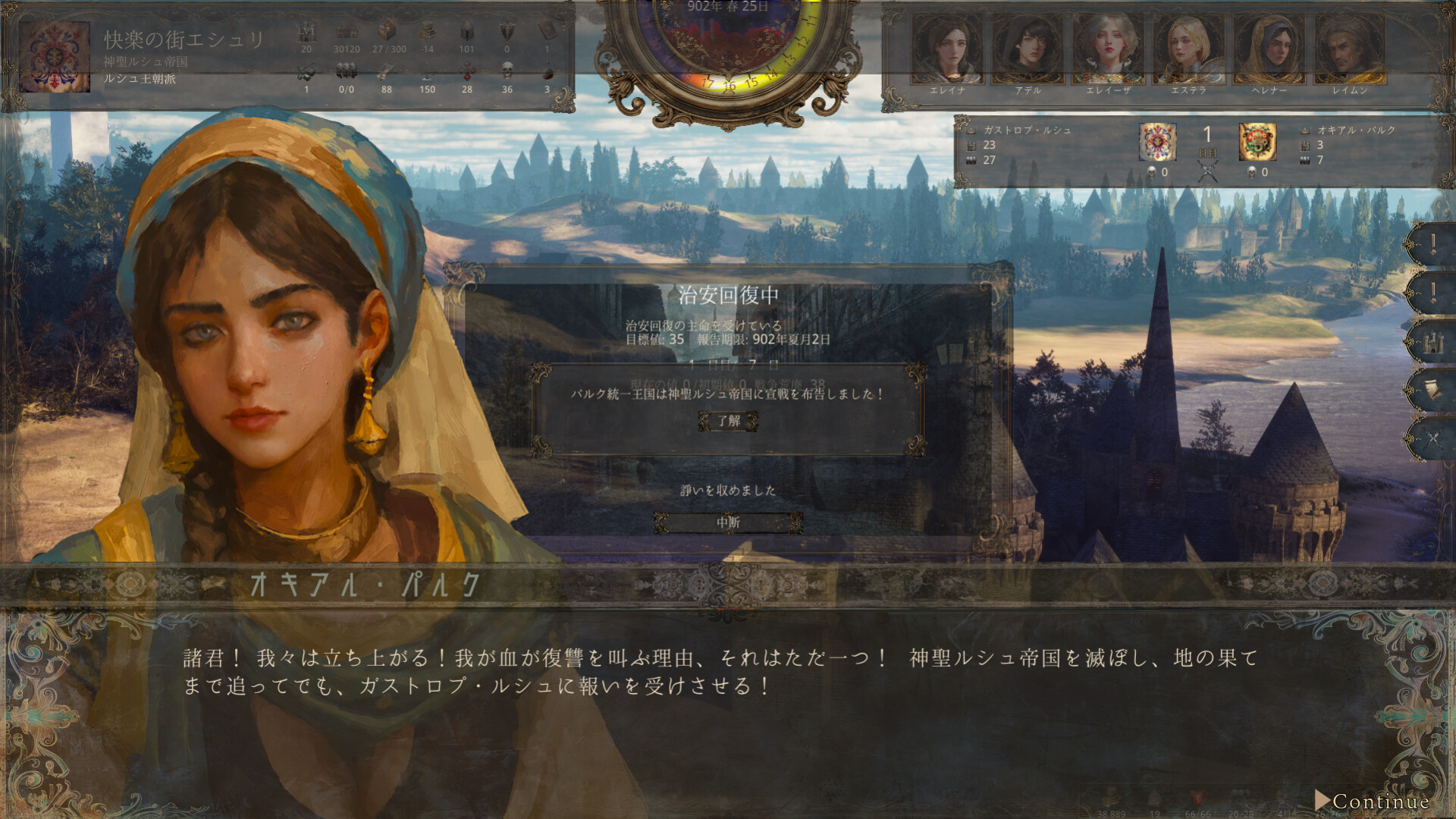
Forget picking between warrior, mage, or rogue at character creation. In The End of History, players begin as a nameless nobody leaving their foster home behind—and that’s where things get interesting. Want to rob caravans and live like an outlaw? Go for it. Feel like becoming a respected trader with routes spanning half the continent? That works too.
The beauty lies in total freedom. No questline forces you into heroics unless that’s what yo

u want. You could rise to power through diplomacy or simply stab enough backs until there’s no one left to oppose you. Every choice impacts not just your reputation but also the fate of entire regions.
Even moral choices carry weight without falling into good-or-evil simplicity. Should you hoard wealth while peasants starve or redistribute food at the risk of angering landlords? Choose peace and risk betrayal—or strike first and become the villain in someone else’s story?
In one memorable run-through, forming an uneasy alliance with an ambitious noble seemed smart at first—until he used that trust to conquer half the map under his banner while blaming his crimes on his “ally.” That taught a valuable lesson: keep your friends close, and your scheming nobles even closer.
The scale is massive but personal strategy still matters
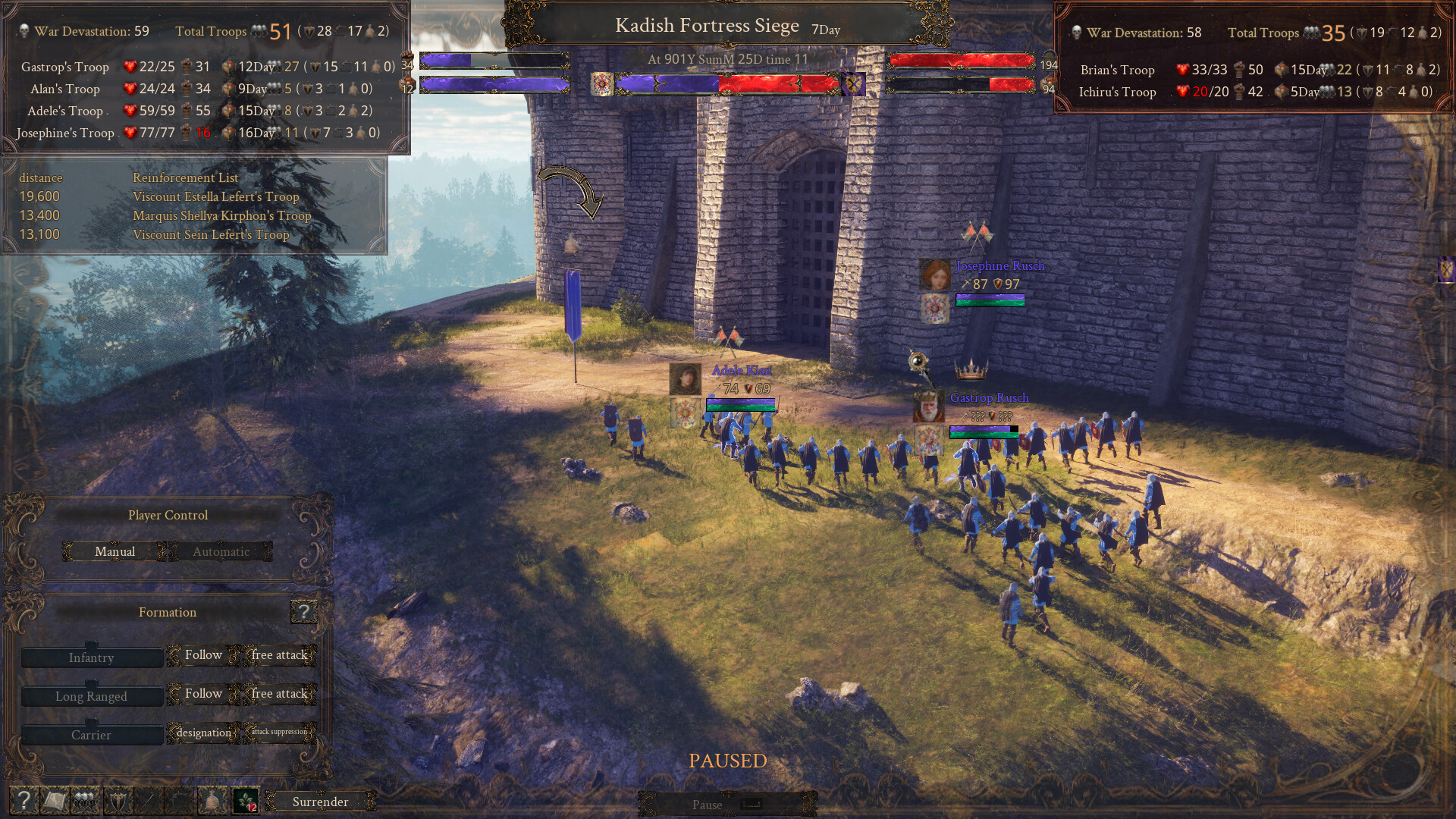
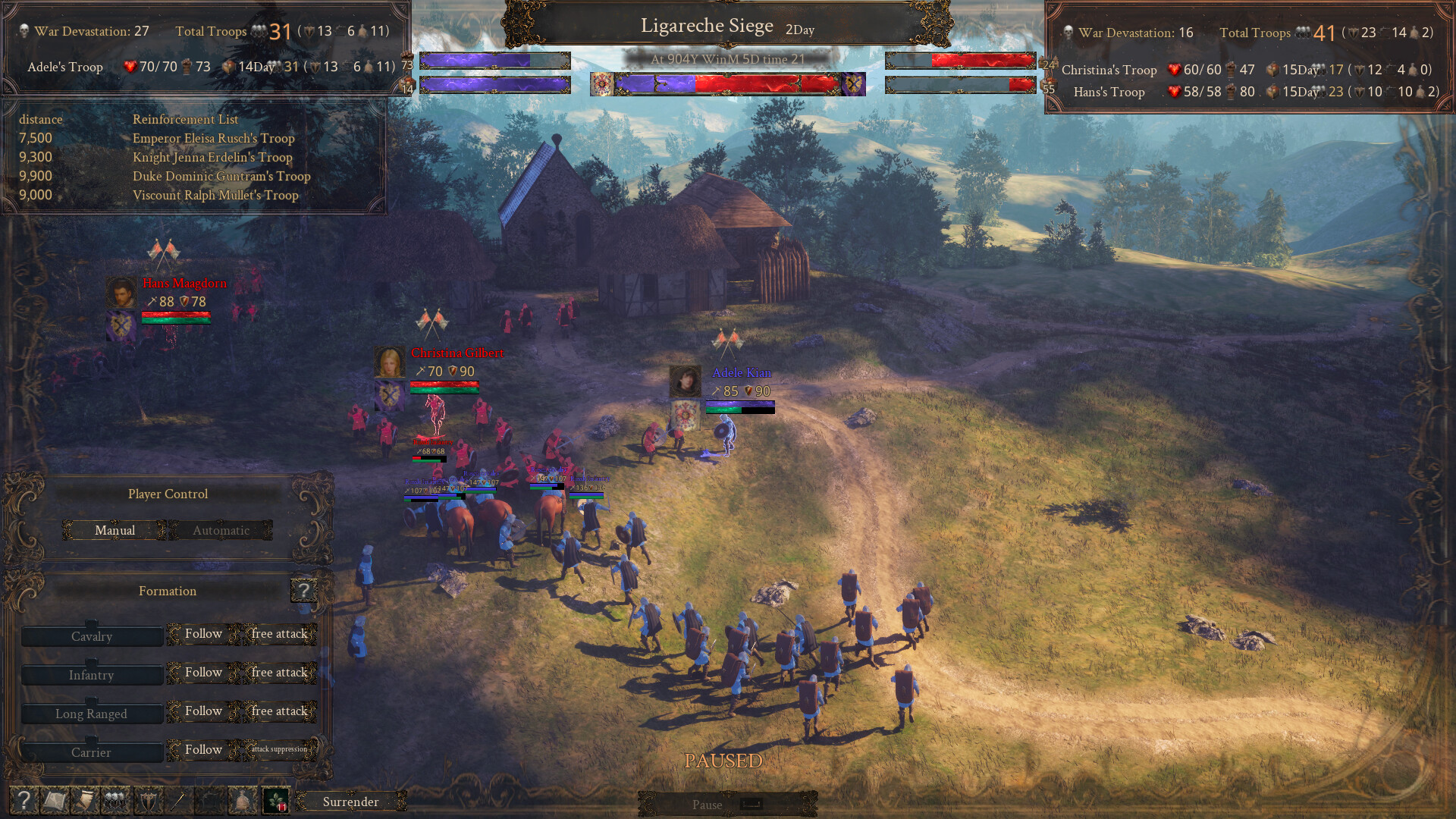
The End of History brings big strategy energy without losing its RPG soul. Players can command armies in real-time battles where hundreds clash on sprawling fields rendered in Unreal Engine 5. Castles crumble under siege engines while foot soldiers scream across muddy hillsides—and yet decisions made before battle often matter more than sheer numbers.
The combat feels slick as a whistle once you get used to its pace: formation control, terrain advantages, even weather can tip the tide of war. But don’t think brute force wins every time—sometimes diplomacy or sabotage saves more lives than swinging swords ever could.
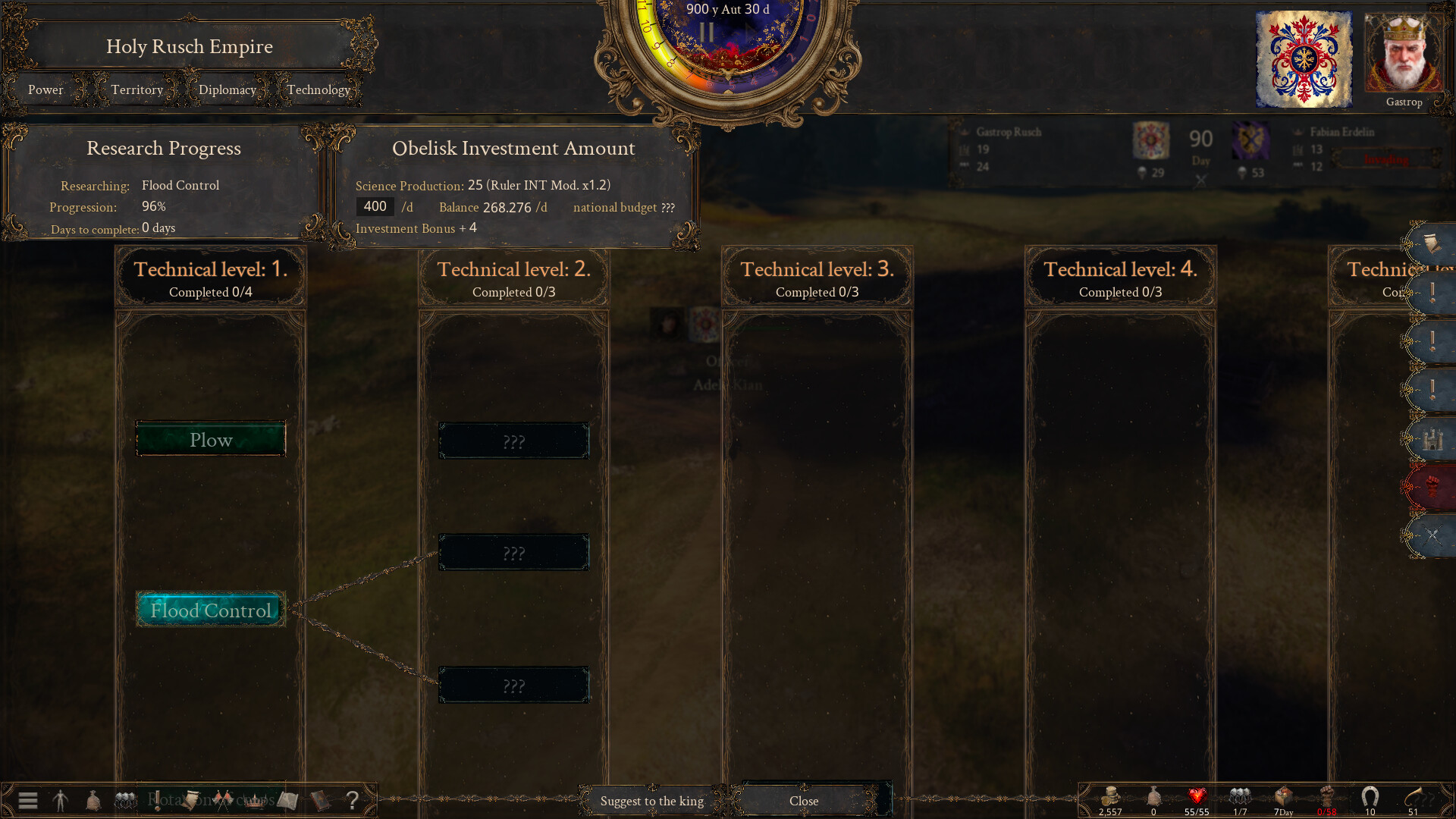
Beyond warfare, there’s plenty to explore across cities buzzing with political drama, quiet villages hiding secrets, and ancient ruins tied to something much stranger—the Obelisk fragments scattered throughout the land.
This mysterious
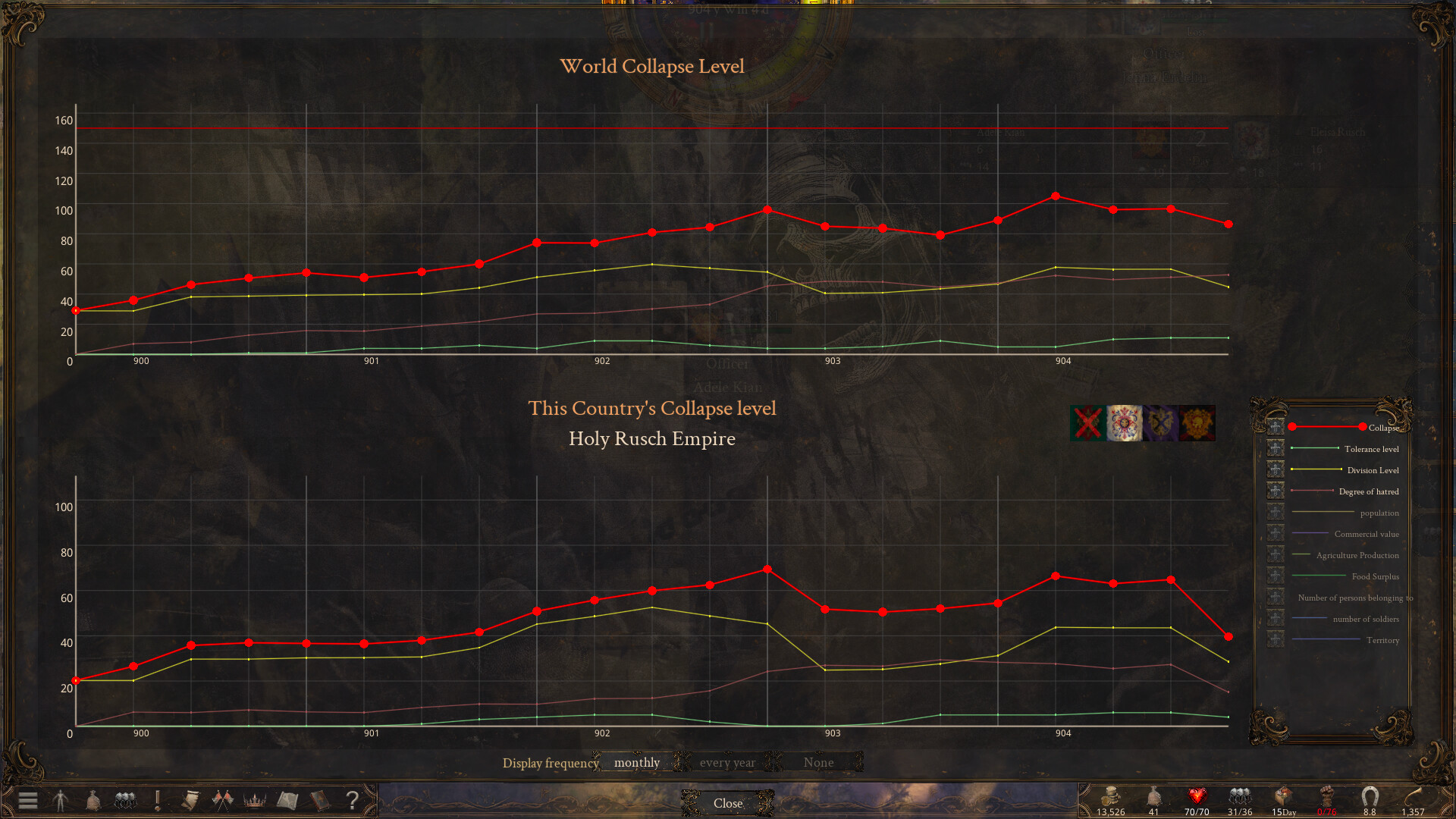
structure hints at forgotten wisdom buried beneath history itself. Finding its pieces isn’t just about lore; they unlock new paths that shift both power dynamics and how civilizations evolve around them.
When does The End of History come out?
The End of History launches in Early Access on December 10, 2025, for PC via Steam at an initial price point of $28. It’s developed by Tatamibeya and published by WorldMap.
A living sandbox fueled by meaningful relationships and political chaos
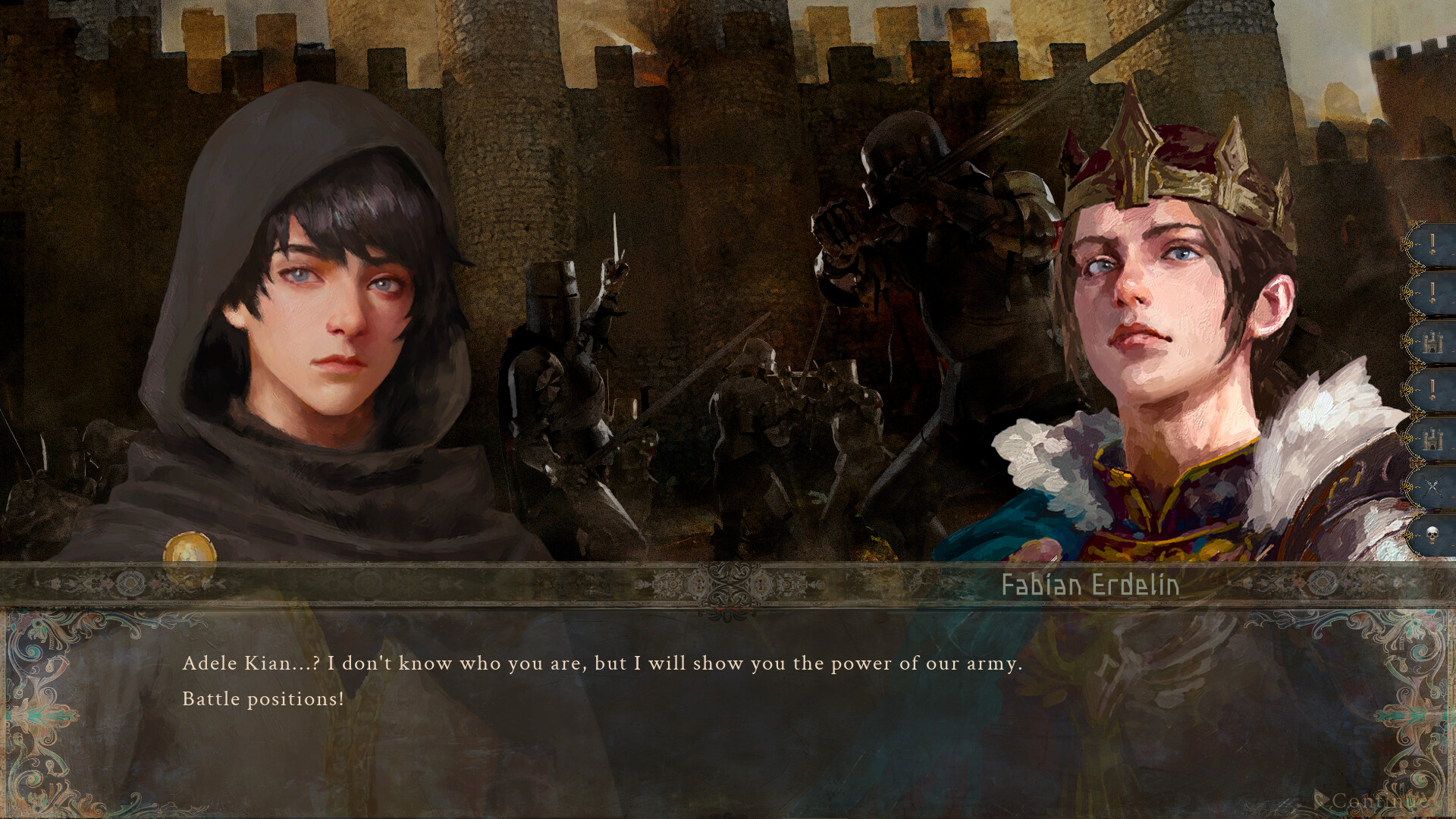
This isn’t just about swords and scrolls—it’s also about people. Relationships matter deeply here: romance options allow connections with NPCs who might be loyal allies…or dangerous distractions.
If you’re building alliances or founding an independent nation (yes—that’s possible from Day One), relationships add layers beyond battlefield tactics or economic strategy. Winning hearts can mean gaining political favors or preventing betrayal during tense negotiations.
Add in complex economic systems where trade routes shift due to bandit raids or changing alliances, and suddenly every action—from bartering grain to funding militia—feels like part of a much bigger puzzle.
A development team building alongside its community
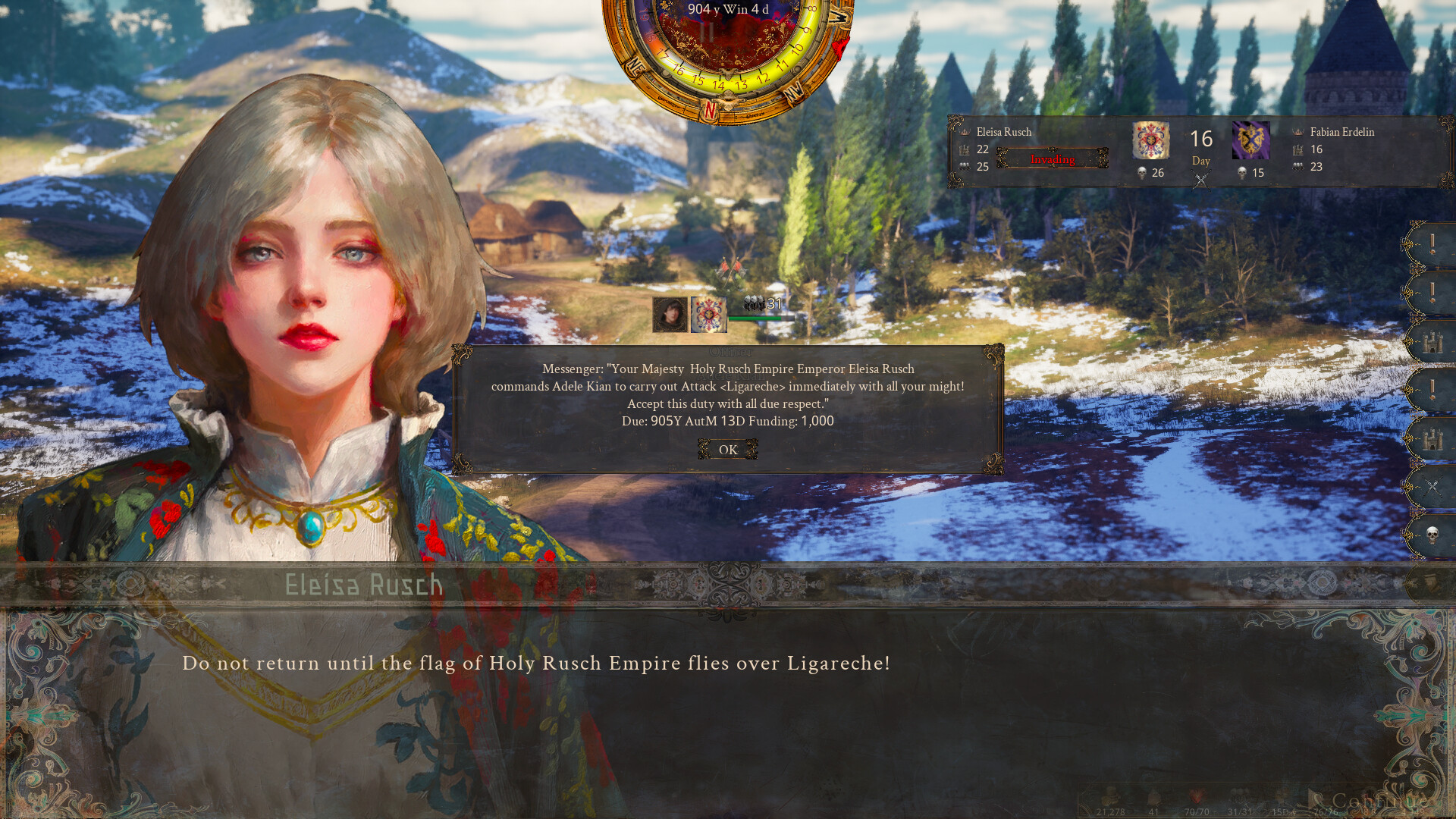
Tatamibeya isn’t launching Early Access just for hype—they’re listening closely to players’ feedback from earlier demos which pointed out clunky controls and UI confusion as key concerns.
In response, major redesigns are underway: better controller support post-launch and smoother user interfaces are already planned updates during Early Access, which is expected to last six months to a year depending on progress made together with the community.
From day one, Sandbox Mode will be fully available along with special features like founding independent nations—giving players immediate tools to shape their vision for this world without artificial gates slowing them down.
A rare mix of full control and high-stakes consequences
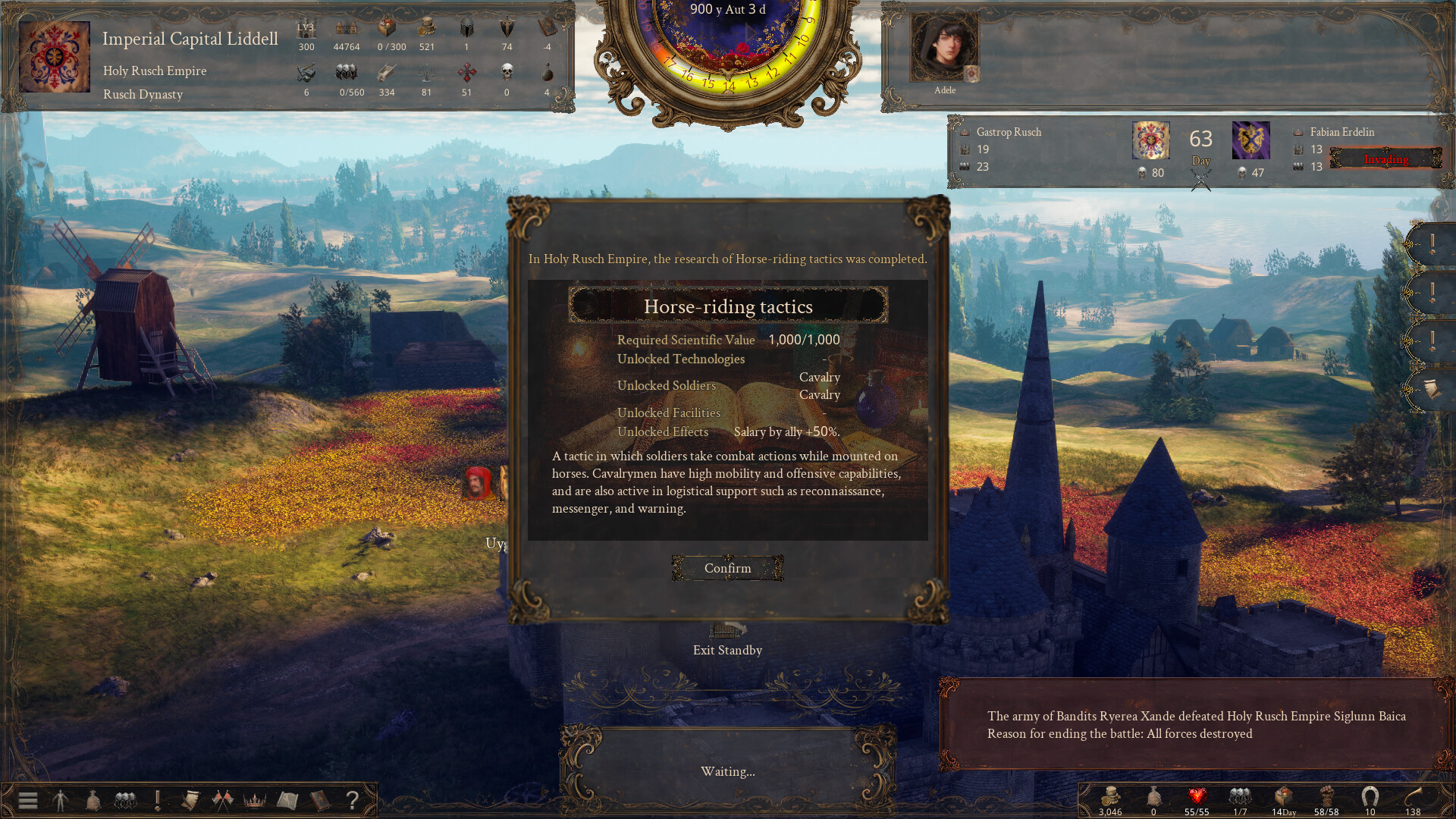
The End of History isn’t just another medieval RPG—it’s what happens when deep sandbox freedom meets grand-scale simulation gameplay. Trading salt between two feuding towns could spark peace…or ignite war if one side accuses you of favoritism.
Your mere presence changes how characters act—not because they’re written that way but because they’re watching, reacting, remembering. This reactive world makes every choice feel impactful—even ones that seem small at first glance.
If most games are books waiting to be read, this one feels more like spilling ink across parchment then watching kingdoms rise—or fall—based on those smudged lines.
The bottom line: chaos never felt this personal—or strategic
The End of History blends sharp tactical gameplay with role-playing depth rarely seen outside old-school classics or sprawling tabletop campaigns. It’s less about being “the hero” and more about surviving—and maybe steering—a world teetering on collapse through cleverness, grit, or sheer dumb luck.
The only question left is: when everyone has their own agenda…how will yours change history?
F.A.Q.
When does The End of History come out?
The End of History is set to launch in Early Access on December 10, 2025, for PC via Steam.
What type of game is The End of History?
The End of History is a sandbox-style strategy RPG set in a medieval-inspired world. It offers players the freedom to shape their own narrative within a complex, living environment.
Does The End of History have multiplayer?
The provided information does not specify whether The End of History includes multiplayer features. It focuses primarily on single-player experiences with deep procedural storytelling and NPC interactions.
Is The End of History worth it?
The End of History stands out due to its unique blend of sandbox freedom and grand-scale simulation gameplay. It offers unprecedented narrative control, complex NPC systems, and strategy-driven dilemmas, making it a compelling choice for players who enjoy dynamic and reactive game worlds.
What are the notable features of The End of History?
Notable features of The End of History include procedural storytelling with NPCs that have their own ambitions, a massive real-time combat system, and an expansive open world rendered in Unreal Engine 5. Players can explore diverse environments, make impactful choices, and uncover the mysteries of the Obelisk.
Does The End of History have a good story?
The End of History offers a dynamic and emergent storytelling experience driven by player choices and NPC interactions. Its procedural narrative ensures that each playthrough is unique, making the story deeply engaging and personal.