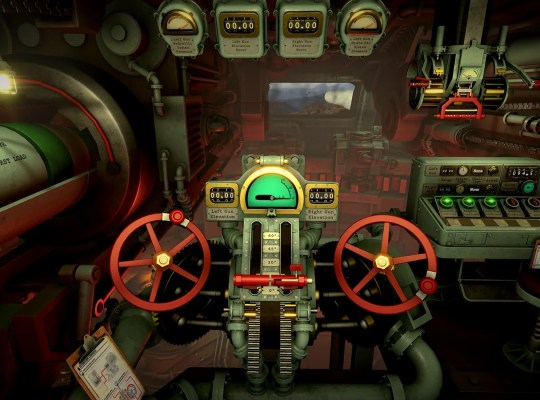
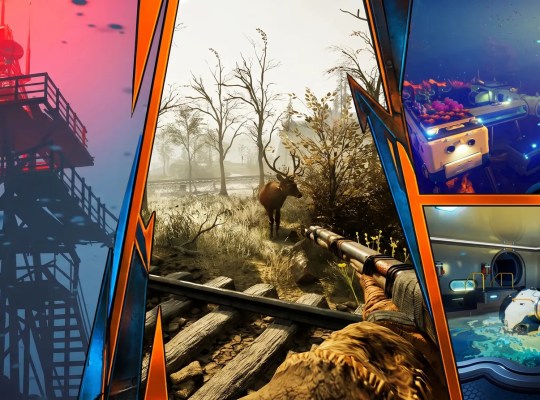
Crowns are cursed, kingdoms are crumbling, and something rotten is stirring beneath every throne room and dark forest in this batch of upcoming genre-benders. From scrappy indie passion projects over a decade in the making to genre-blending experiments that shouldn’t work but absolutely do, these six titles prove that dethroned monarchs and fallen realms still have plenty of fresh stories left to tell. Whether you’re chasing classless build freedom, co-op chaos, or nightmares hiding in familiar places, there’s a doomed kingdom here worth watching closely.
Cursed Knight — at a glance
Developer: GGS Studio Creation / Broke Studio
Store: Steam page
BFG tracking: ~45 copies sold (est. via Gamalytic)
#6 Raiders of Blackveil — A Roguelite Raid Unlike Any Other
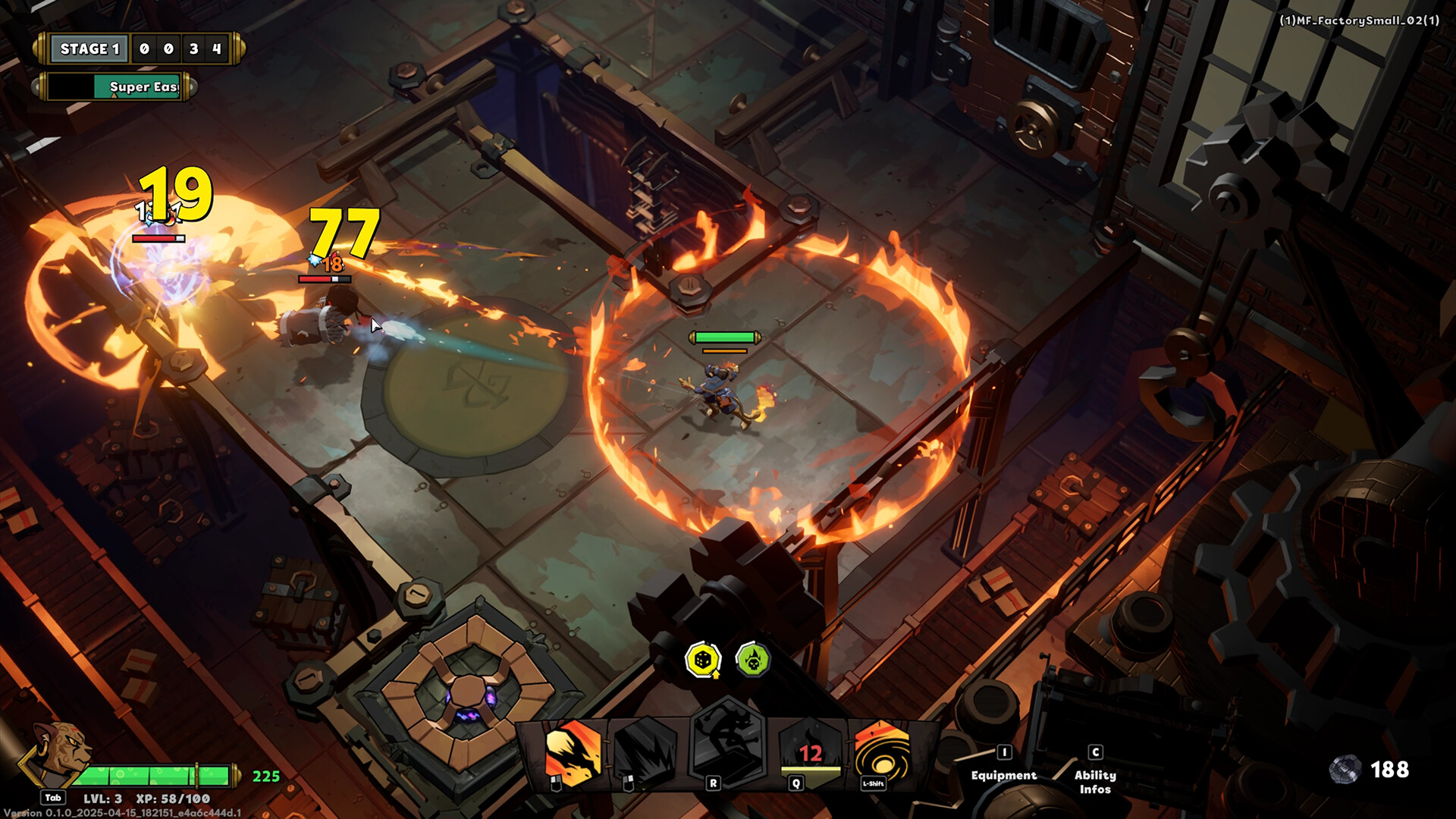
Built by a team stacked with Hitman, Deus Ex, and Tomb Raider veterans, Raiders of Blackveil is a top-down roguelite that steals the class fantasy of a MOBA, bolts on the tension of an extraction shooter, and sets the whole thing loose inside corporate factories run by machines. That’s this co-op raid game from Wombo Games in a nutshell, where players choose from eight distinct classes—ranging from spellslinging Mages to shadow-stepping Assassins—and dive into procedurally shifting facilities either solo or alongside two teammates. The goal is simple to explain but brutal to execute: fight through traps, enemies, and environmental hazards, grab the loot, and extract before everything falls apart. Die inside, and every scrap gathered on that run vanishes with you, which turns each raid into a nerve-wracking gamble rather than a casual stroll.
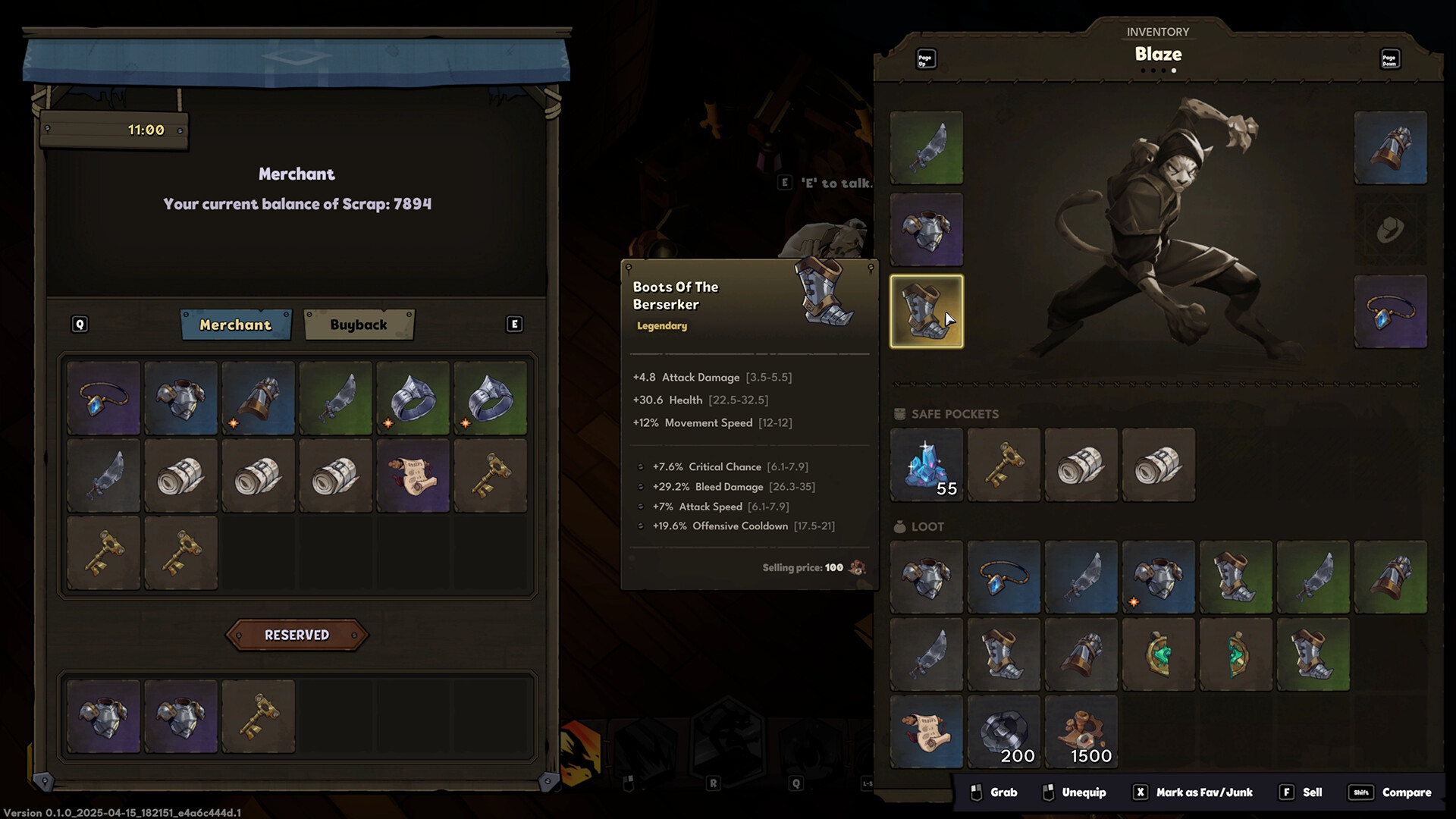
What separates this one from the roguelite pack is how many layers are stacked underneath that simple premise. With over 300 perks up for grabs across those eight classes, build variety becomes an obsession rather than an afterthought—a Warlock stacking curses to shred entire squads or a Monk twisting healing into burst damage are just the tip of the iceberg. Then there’s the setting itself, an industrial-fantasy world where anthropomorphic animals rise up against the resource-hungry Blackveil corporation, giving every extraction a rebellious edge that most grimdark loot-and-shoot games can’t touch. Add in a development team stacked with veterans from Hitman, Deus Ex, and Tomb Raider—led by IO Interactive co-founder Janos Flösser—and a studio culture built around player feedback rather than top-down mandates, and it’s clear why this Early Access launch, arriving December 15, 2025, has earned a spot on the radar of anyone craving something genuinely different in the crowded co-op space.
#5 NO LAW — A Lean, Reactive Cyberpunk Shooter

NO LAW is Neon Giant’s follow-up to The Ascent, and it swaps that game’s top-down view for a first-person shooter set in Port Desire, a gang-controlled city with no functioning laws to speak of. Rather than sprawling across an oversized map the way so many open-world shooters do, this one crams its cyberpunk grime into a tightly packed, vertical playground where danger can drop in from a rooftop or crawl up from a back alley just as easily as it walks around a corner. It’s a single-player-only affair, a rarity these days, which means every gunfight, every stealth kill, and every alliance formed belongs entirely to the player making the call. Think of it as a lean, mean answer to bloated genre giants, built by a team of just 24 people who clearly understand that density beats size when it comes to crafting a world worth exploring.
What really sets NO LAW apart is how seriously it treats player agency, refusing to spell out morality through dialogue trees or scripted speeches. Instead, the city itself remembers what players do, and those memories ripple outward in ways that feel genuinely unpredictable, whether that means earning unexpected allies or provoking retaliation from a faction someone barely noticed. Combat channels the gleeful chaos of Bulletstorm while still respecting quieter, stealth-driven playstyles, giving hardcore tacticians and trigger-happy anarchists equally satisfying paths through the same encounter. As players navigate Port Desire’s layered, reactive streets, they’re not just chasing objective markers, they’re writing a personal, consequence-laden story that echoes long after the smoke clears, making NO LAW one of the more thoughtful and refreshingly restrained cyberpunk shooters on the horizon.
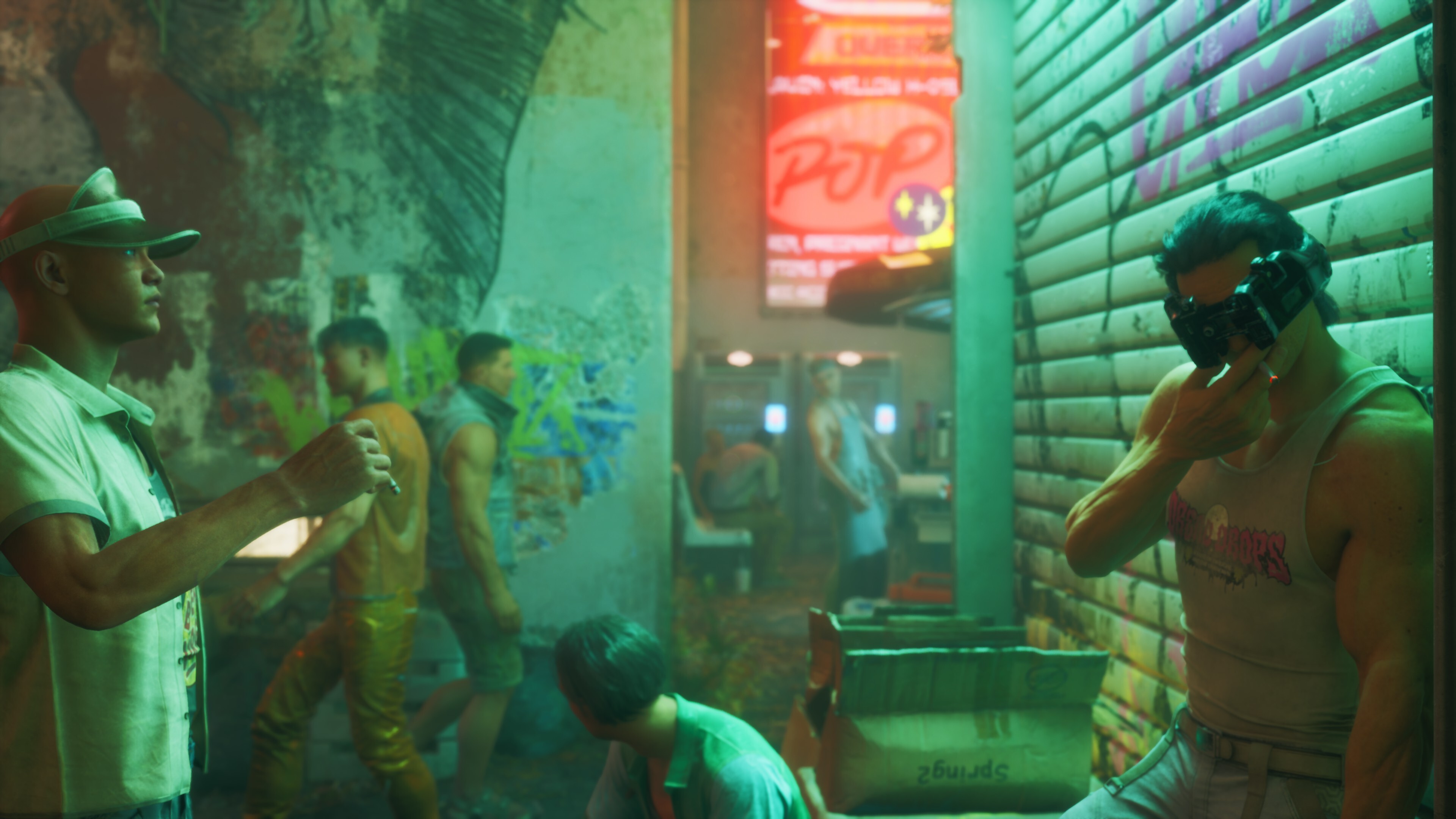
#4 Westlanders — Frontier Survival Meets Settlement Building
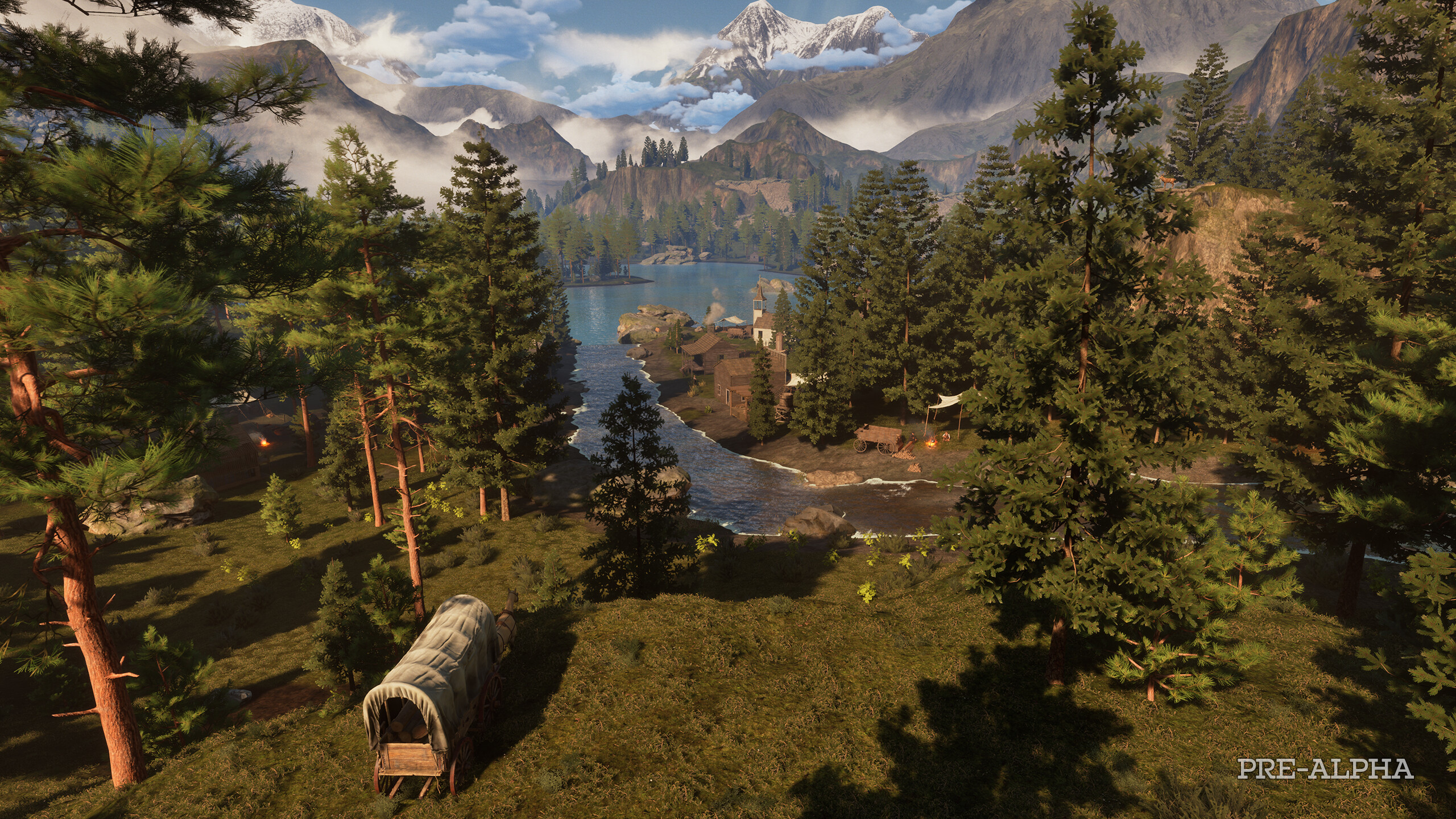
Westlanders is an upcoming survival game, still on the horizon rather than an imminent release, that trades gunslinger fantasy for something far more grounded: the daily grind of carving a life out of an unforgiving frontier. Set in a fictionalized 19th-century North America, the game tasks players with managing hunger, weather, and shelter while slowly building something bigger than a lone cabin in the woods. That “something bigger” is the real hook here—full-blown settlements complete with trade routes, researched technologies, and villagers assigned to specific jobs. Playable solo or in co-op, it invites players to specialize as hunters, traders, or builders, making every session feel like a small-scale nation-building exercise rather than a scripted shootout simulator.
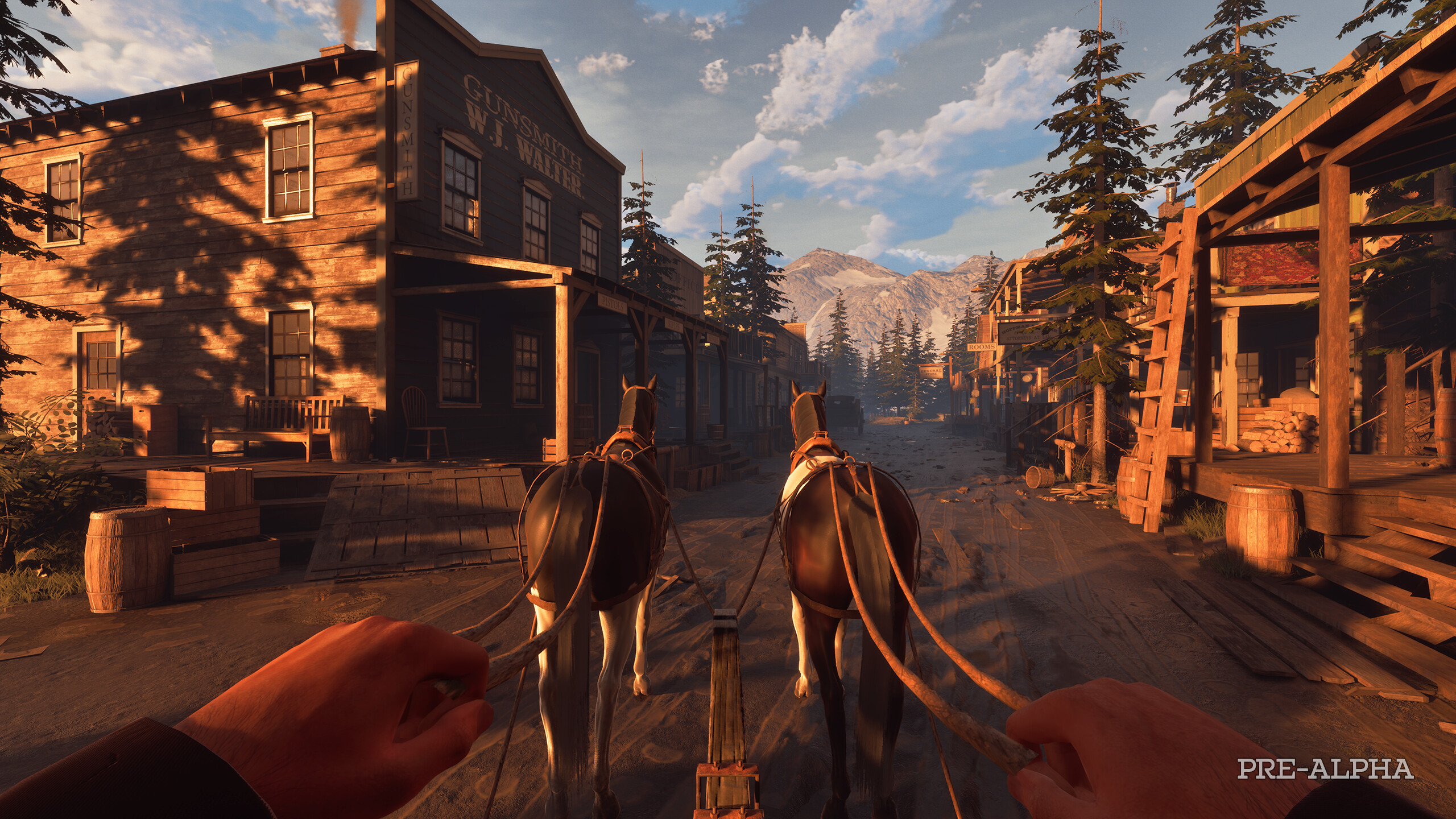
What sets Westlanders apart is its refusal to lean on the genre’s usual crutches. Instead of zombies or magic, the threats here are the kind that actually kept frontier settlers up at night—droughts, blizzards, river crossings, and predators that hunt in packs. It borrows the moody, sun-bleached atmosphere of Red Dead Redemption while grafting on the layered settlement management of something like Medieval Dynasty, resulting in a sandbox where player agency, not quest markers, drives every decision. Add in a Kickstarter launch planned for early 2026 and a community-driven Early Access rollout meant to shape the game through direct player feedback, and Westlanders starts to look less like a passing curiosity and more like a genuine attempt to prove the Wild West still has untapped stories worth building from the ground up.
#3 Forsaken Realms: Vahrin’s Call — A Classless Dark-Fantasy RPG

Forsaken Realms: Vahrin’s Call is a third-person dark-fantasy action RPG set in the war-torn world of Leyda, slated for release in 2026, and it’s the kind of game that wears its old-school heart on its sleeve. Rather than tossing players into a sprawling, procedurally-generated map, the developers at Titan Roc built a tighter, hub-based world by hand, one meant to feel authored and lived-in rather than mass-produced. The central hook is its fully classless progression system, meaning there’s no rigid warrior-mage-rogue box to check at character creation; instead, players are free to sculpt their build as they explore the story surrounding the embattled city of Vahrin. For fans craving a narrative-driven fantasy adventure with genuine build freedom, this one deserves a spot on the radar.
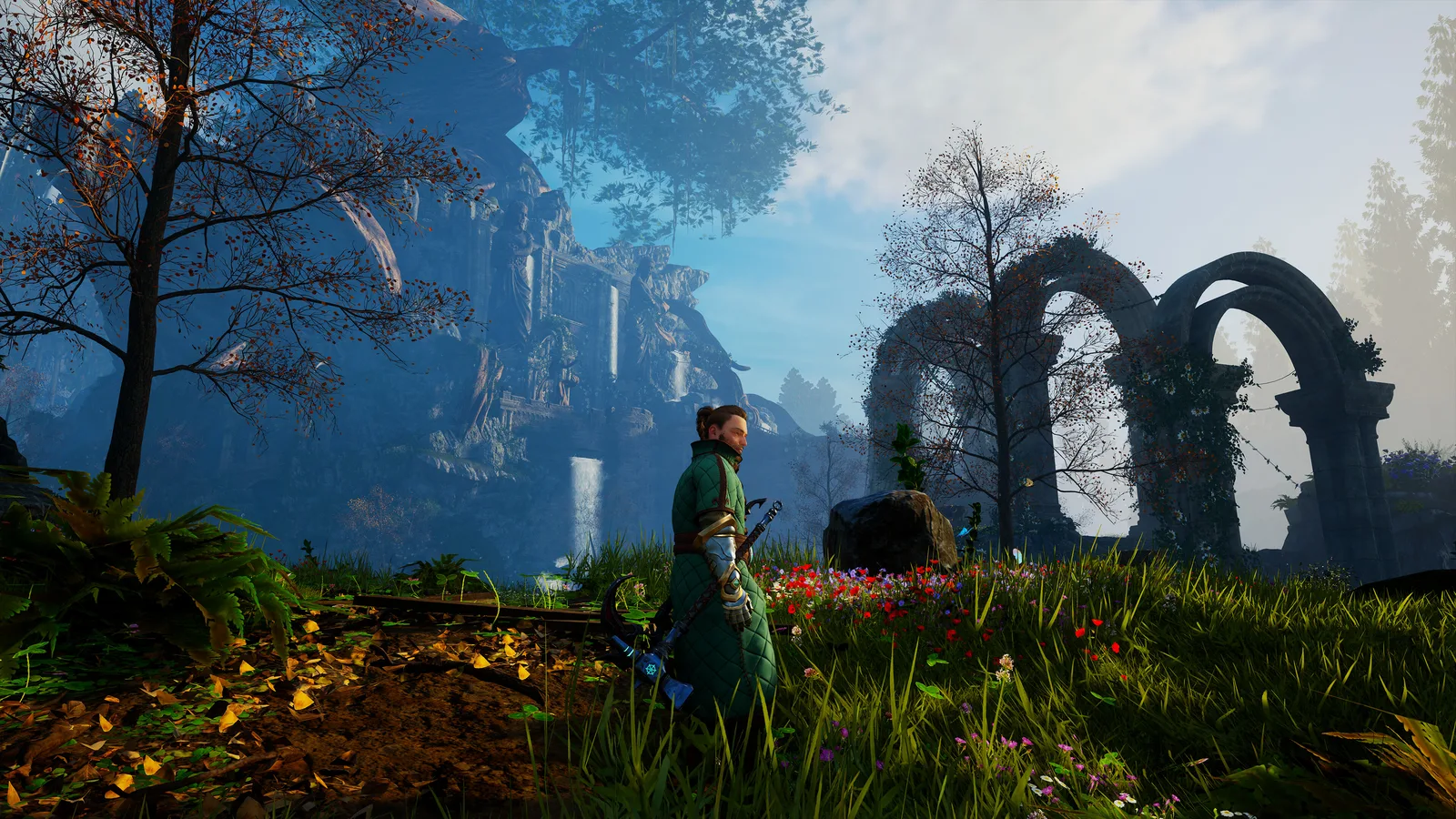
What truly sets this entry apart, though, is the story behind its creation. Titan Roc is a scrappy seven-person studio that poured over twelve years into this project without a publisher backing them, funding and releasing the game entirely on their own terms. That kind of independence is rare in an industry obsessed with quarterly deadlines and live-service treadmills, and it shows in the game’s deliberate, “Fable-esque” design philosophy, favoring revisitable areas, hidden secrets, and hand-placed content over sheer open-world scale. The project quietly amassed over 200,000 wishlists before launch — proof RPG fans are still hungry for handcrafted worlds built by people who genuinely cared. It’s this rare combination of mechanical freedom and authored intimacy that earns Forsaken Realms: Vahrin’s Call its place among the standout RPGs worth watching.
#2 Kingdom of Night — 80s Teen Horror With Real Consequences
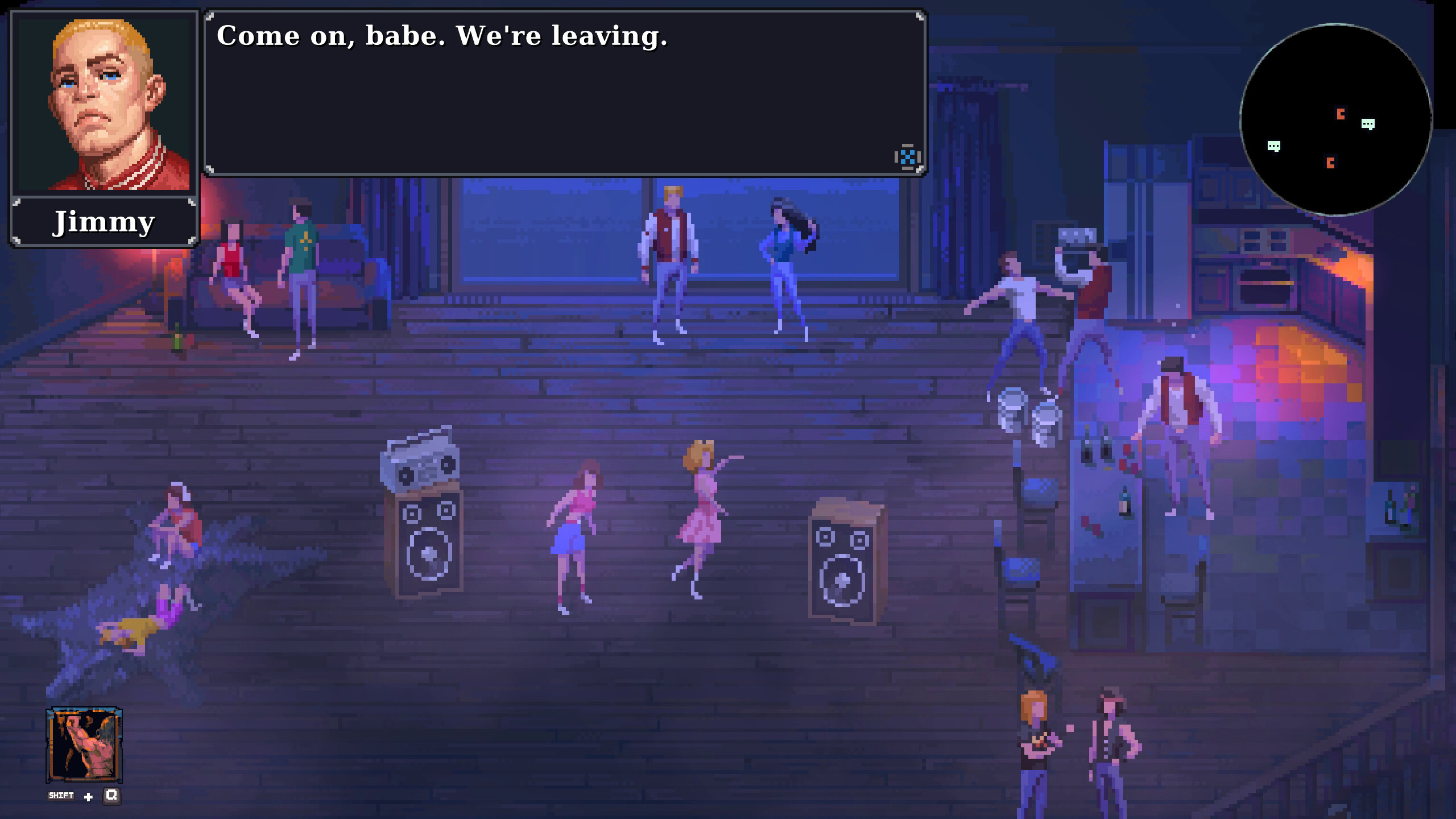
Picture an 80s teen movie that took a sharp, terrifying left turn into Lovecraftian nightmare territory, and there’s a good sketch of what Kingdom of Night is going for. This isometric action RPG from Friends of Safety drops players into Miami, Arizona, a fictional desert town that looks sleepy on the surface but hides an entire underworld of cults, demons, and cosmic horrors beneath its cracked sidewalks. The story follows John, an ordinary high schooler thrust into extraordinary danger after his neighbor gets snatched by supernatural forces, forcing him to trade skateboard rides for demon-slaying as he uncovers just how deep the town’s rot goes. It’s coming-of-age drama fused with dread, giving players a narrative that feels both personal and genuinely unsettling.
What sets this one apart from the sea of pixel-art RPGs is how thoroughly its systems reinforce that dual-layered world of surface-level suburbia and buried horror. Five classes—Barbarian, Knight, Rogue, Necromancer, and Sorcerer—each branch into three distinct skill paths, encouraging experimentation over rigid build optimization, while the Muscle, Guts, and Wits attribute system ties character growth directly into dialogue and quest outcomes rather than just combat stats. That’s a clever bit of narrative consistency: a high-Wits build might talk its way past a puzzle a Barbarian would simply smash through, and a well-timed Guts check can turn a terrified NPC into a lifelong ally. Add in full local co-op that rewards genuine class synergy, a loot system stuffed with secrets hidden behind unassuming doorways, and a synth-heavy soundtrack that sounds ripped from a VHS horror tape, and Kingdom of Night earns its spot as one of 2025’s most promising slices of retro dread.
#1 Mad King Redemption — A Brawler-Roguelite-Deckbuilder Hybrid

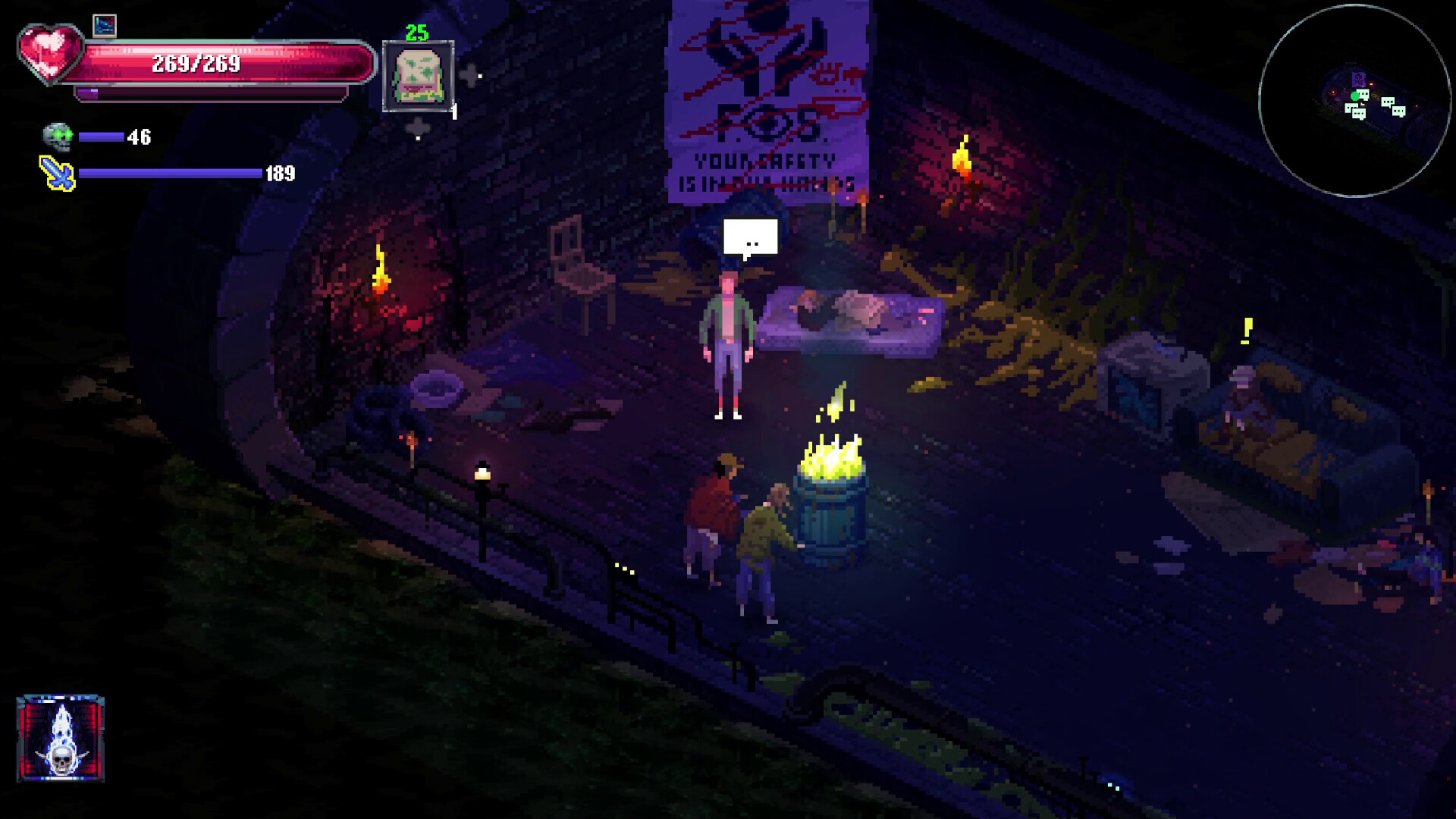
Picture a scrappy pixel-art brawler that stole the DNA of Streets of Rage, spliced it with the run-based chaos of a roguelite, and then, almost mischievously, tossed in a deckbuilding layer for good measure. That’s Mad King Redemption in a nutshell. Set in a dark fantasy kingdom ruled by a monarch who’s lost his mind, the game tasks up to four differently-skilled fighters with punching, kicking, and clawing their way through corrupted hordes in hopes of doing something more interesting than just killing the boss: actually redeeming him. Wrapped in a stylish 2.5D pixel presentation, it’s a beat ’em up that trades linear stages for procedurally shifting runs, meaning no two trips into the mad king’s realm play out quite the same.

What earns this one a spot on the list is how rarely these three genres share a bed. Belt-scroll brawlers tend to stay stubbornly old-school, roguelites usually live in top-down or platforming spaces, and deckbuilders are almost always turn-based affairs — yet here, all three mechanical philosophies coexist inside real-time, side-scrolling combat. The deckbuilding metagame in particular functions less like a card-slinging gimmick and more like a build-crafting toolkit, letting players shape their upgrades and playstyle the way a Slay the Spire deck shapes its runs, except now it’s fueling haymakers instead of turn-based spellcasting. Add in genuine co-op support, a narrative hook that flirts with mercy instead of pure vengeance, Steam Deck verification for on-the-go brawling, and an ambitious 17-language localization push for launch, and it’s clear SECRET MISSION isn’t just remixing nostalgia — they’re building something that wants to evolve loudly and publicly through Early Access, inviting players to help shape the mad king’s fate one run at a time.
What ties this whole batch together isn’t grim castles or cursed bloodlines so much as a shared willingness to bend genre expectations until something unfamiliar snaps into place, whether that’s a brawler moonlighting as a deckbuilder or a shooter that trades bombast for consequence. Fallen kingdoms and haunted thrones make for great backdrops, but it’s the mechanical risk-taking underneath that’s really worth keeping an eye on as these titles inch closer to release. Which of these unconventional twists on dark fantasy has you most curious to jump in first?
📬 Get The BF5 — Best F’ing 5 games you missed this week, every Saturday, plus key giveaways. Subscribe free →
BFG drafts articles with AI from our team’s research and verified store data — every piece is fact-checked and runs a multi-stage editorial review before publishing.