In a genre dominated by vampires in rain-soaked alleys and elves wandering medieval woods, Rakshasa offers something bold: a first-person RPG set in modern India, where ancient Tantrik magic lives beneath the surface and mythological demons prowl the shadows. Described by its developer as “Vampire: The Masquerade – Bloodlines, but set in India,” Rakshasa fuses tactical turn-based combat with deep role-playing choices, all wrapped in a world of secret wars, rogue ascetics, and flesh-eating spirits.
Modern India’s hidden war brews beneath temples and alleyways
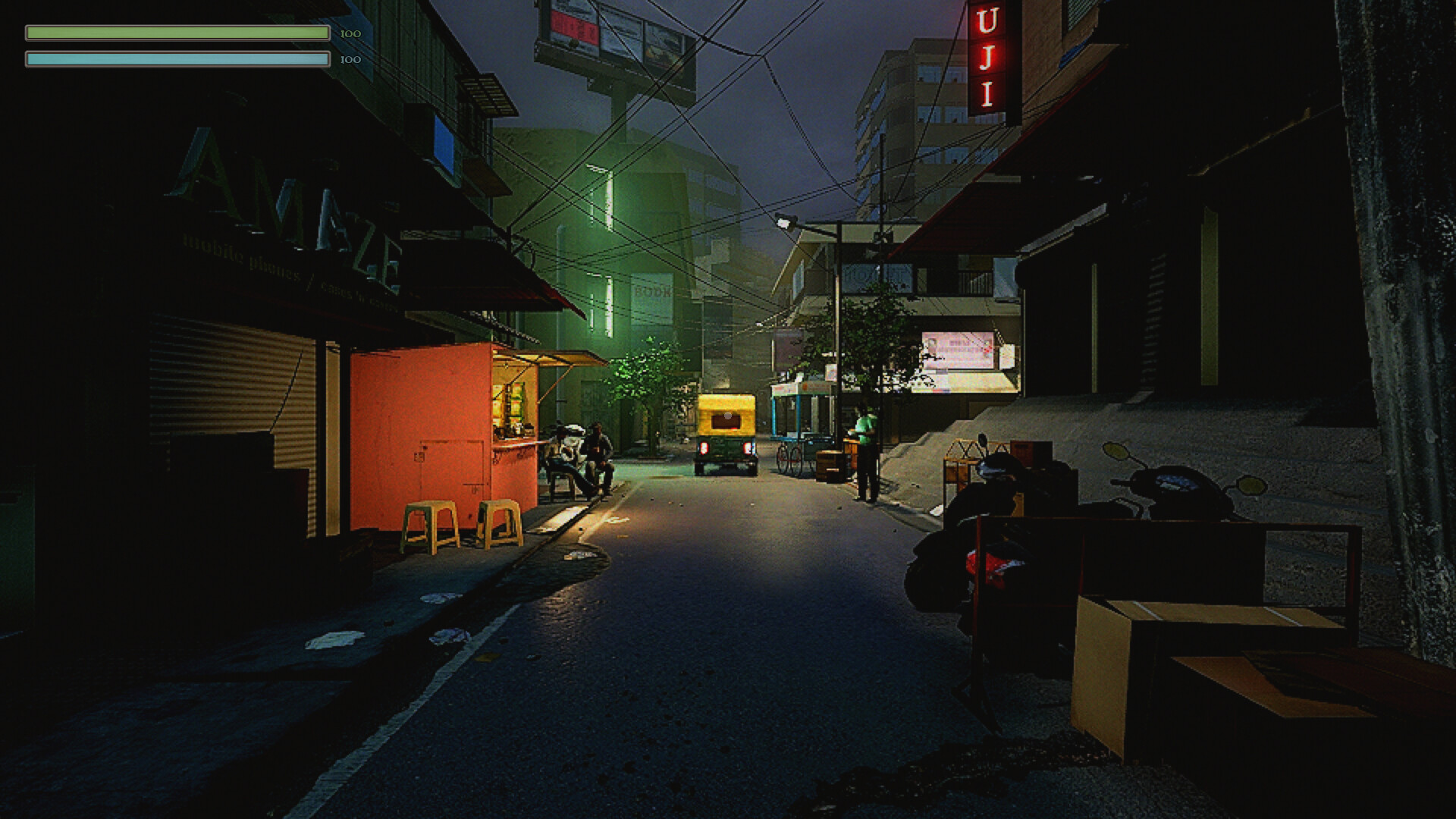
Rakshasa begins not in some distant land or fantasy kingdom, but in the dense streets of present-day India. It grounds its narrative in familiar urban life—until an illicit excavation at a ruined site awakens something ancient. The player’s character suddenly taps into dormant Tantrik powers, unlocking abilities that pull them into a conflict older than civilization itself.
This isn’t just about magic—it’s about power. Hidden among temples and train stations are rogue sadhus wielding spiritual might, scheming asuras manipulating events from the shadows, and monstrous entities with appetites for human flesh. These forces have existed for centuries, clashing out of view from ordinary eyes. Now they’re stirring again.
The story builds like a pressure cooker. A conspiracy simmers at its center—one that threatens not just the player’s life but the fabric of reality itself. It’s an occult thriller told through the lens of South Asian tradition, where ancient beliefs aren’t decoration but driving forces in the plot.
Combat that punishes mistakes and rewards ritual preparation
Unlike most first-person RPGs that lean on fast-paced shooting or flashy swordplay, Rakshasa slows things down with brutal turn-based battles. Each fight becomes a careful dance of movement, timing, and resource management. Enemies don’t go easy—one wrong move can end things quickly.
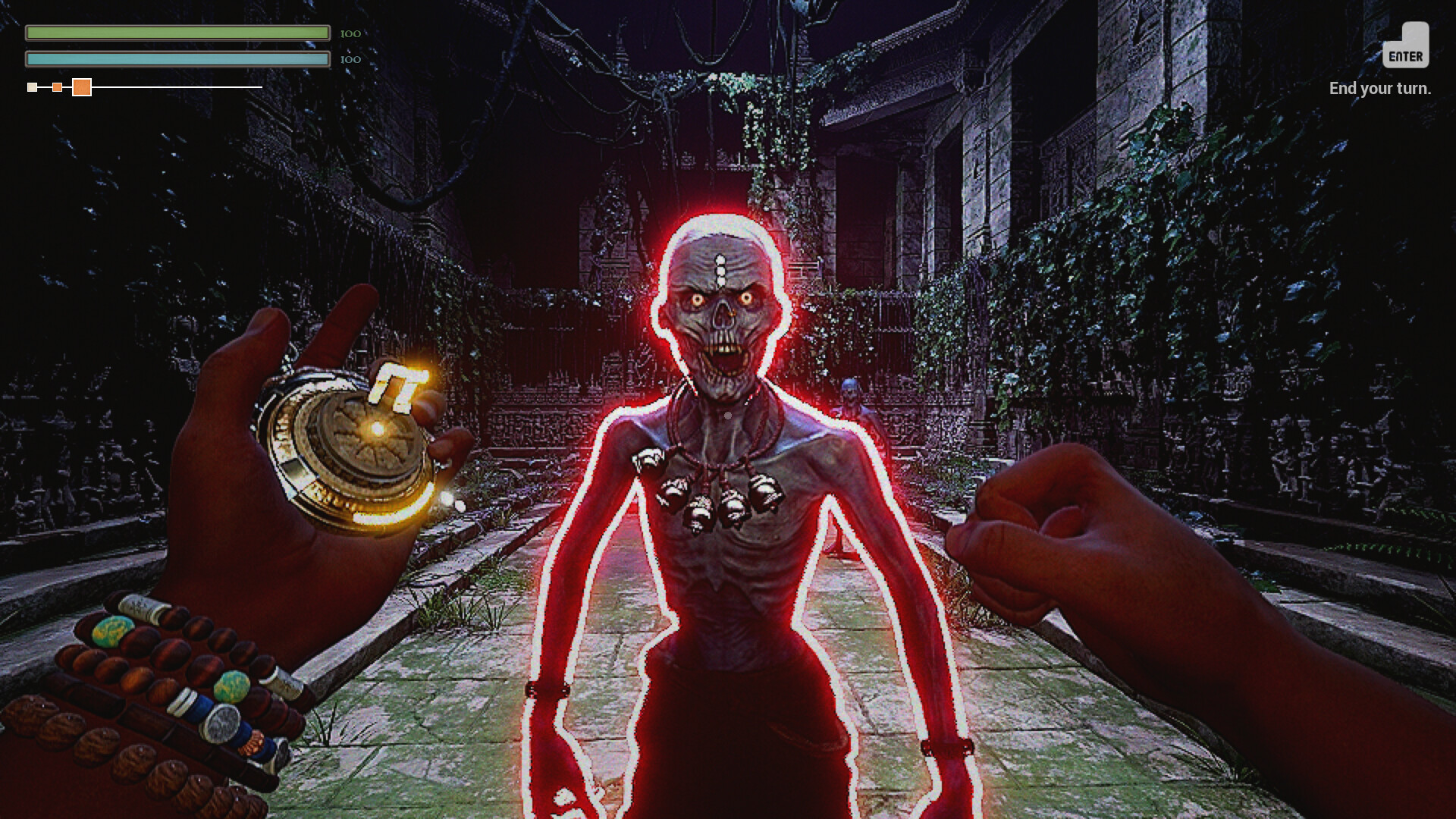
The combat system is built around Tantrik practices rather than flashy fireballs or lightning bolts. Players use mudras—ritual hand gestures—alongside talismans and chants to unleash powers drawn from deep spiritual roots. Before battle even begins, players may find themselves preparing with rituals or bindings to gain an edge against enemies shaped by myth and fear.
This focus on deliberate combat means encounters feel weighty and personal. Every action matters. It calls to mind older RPGs where battles weren’t random skirmishes but puzzles wrapped in danger. During one early session with an alpha build, a poorly timed ritual led directly to being possessed by a Vetala—a reminder that Rakshasa doesn’t forgive carelessness.
A world shaped by player choice and occult politics
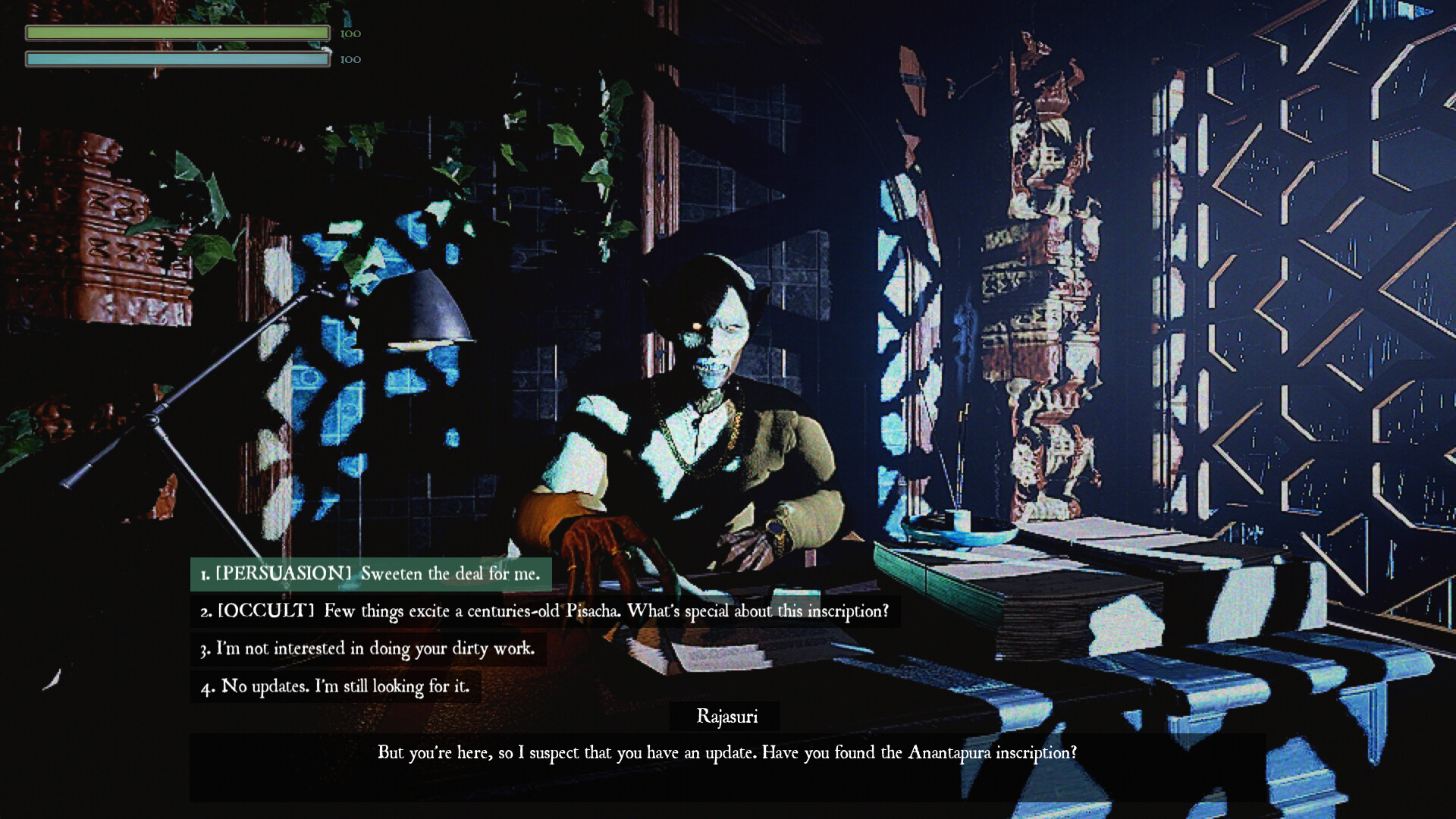
The game promises more than just fights—it promises consequences. Like Bloodlines before it, Rakshasa lets players dive into tangled relationships between factions, choose allegiances carefully, and shape outcomes through dialogue as much as action.
The choices aren’t just good versus evil; they’re soaked in moral tension and cultural nuance. One faction may offer power through forbidden rites while another insists on balance through suffering. The player must decide whom to trust—or whether to trust anyone at all.
These choices ripple through every corner of the story. Conversations affect how NPCs treat you later; alliances open or close entire questlines; betrayal might bring short-term gain but long-term pain. In one instance shown during a closed preview session, refusing to help an Asura cost access to a powerful artifact—but earned favor with a rival sadhu group who later saved the protagonist from death.
A magic system unlike anything found in Western fantasy
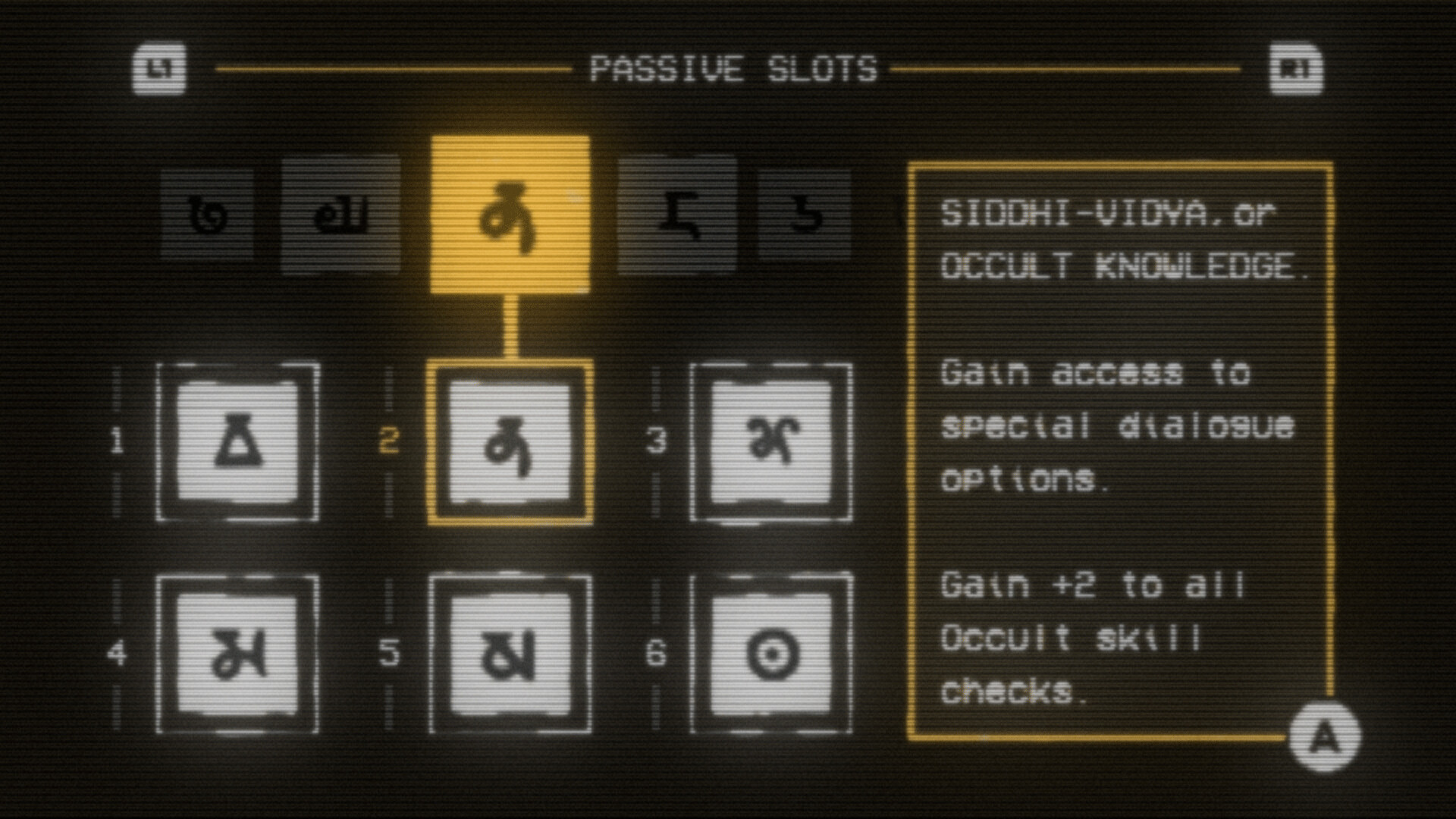
Rakshasa breaks away from standard spellcasting tropes entirely. Instead of mana bars and spellbooks, it leans into Tantrik rituals grounded in South Asian esoterica—mudras (hand gestures), yantras (mystic diagrams), mantras (chants), and offerings play key roles in how spells are cast and spirits are summoned or bound.
This symbolic logic changes how players interact with magic itself. Some abilities require pre-combat preparation: drawing symbols on sacred cloths or arranging items before facing off against specific enemies. Others hinge on aligning energies or appeasing spiritual forces rather than brute damage output.
This isn’t magic as fireworks—it’s ritual as gameplay mechanic. It forces players to think ahead instead of reacting wildly mid-fight. The depth feels reminiscent of preparing for dungeon raids in classic MMOs—not just gearing up but understanding each component of what lies ahead.
Demonic foes pulled straight from Indian mythology
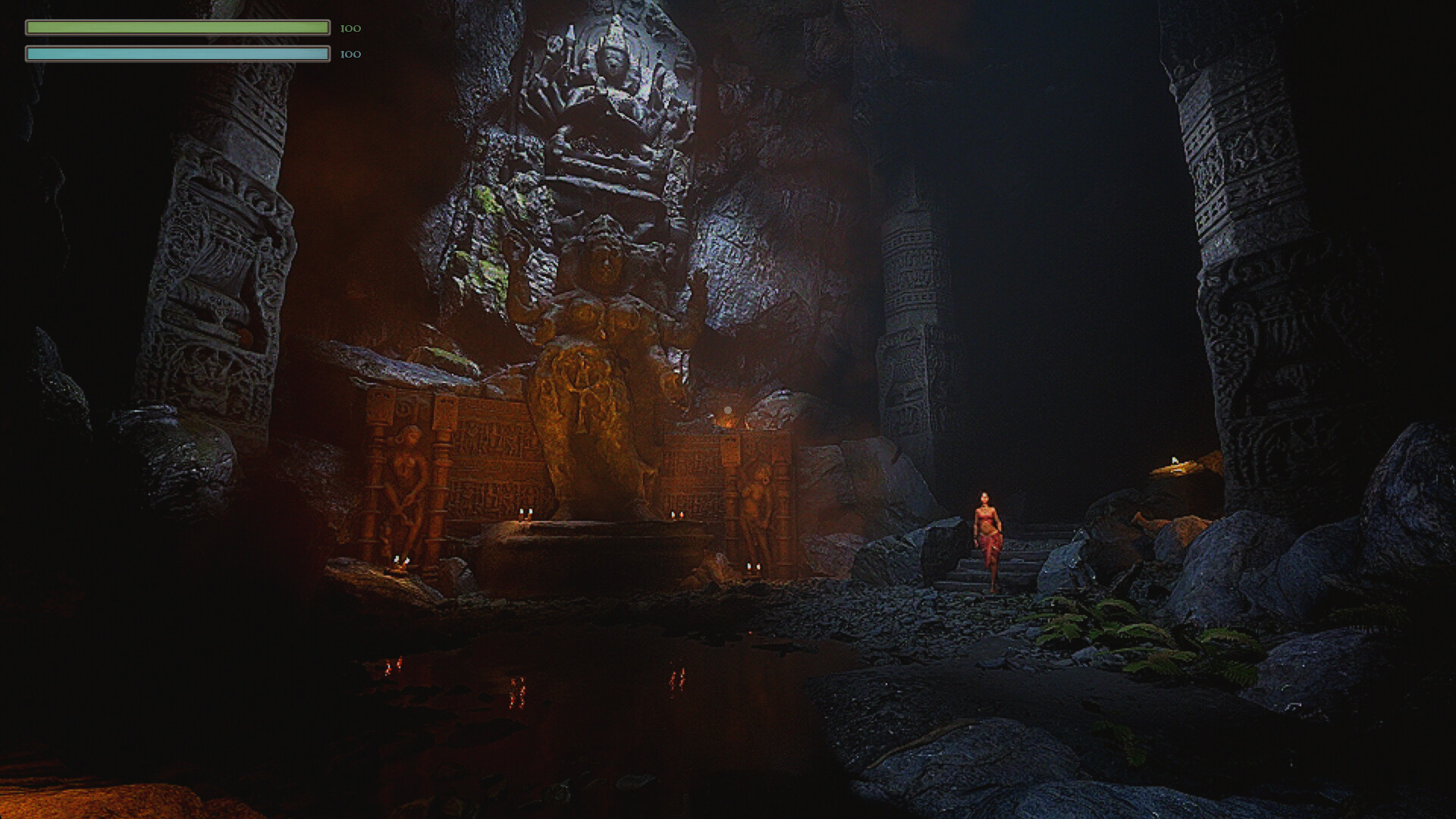
Instead of fighting tired zombies or generic demons, Rakshasa pits players against creatures pulled directly from Indian lore—and they come with stories deeper than mere hostility.
Rakshasas themselves are powerful demons known for trickery and shape-shifting; Vetalas dwell inside corpses and possess the living; Pisachas haunt cremation grounds feasting on decay; Yakshinis flirt between divine beauty and deadly wrath depending on their moods or treatment.
The bestiary isn’t just scary—it’s complex. Many of these beings aren’t pure evil—they’re misunderstood forces tied to nature or cosmic imbalance. That opens doors for alternative solutions: exorcising rather than killing, bargaining instead of burning down everything with fire spells.
During one test encounter with a Yakshini haunting an abandoned apartment block, choosing respectful dialogue combined with correct ritual offerings led to peaceful resolution—and valuable lore drops other approaches would’ve missed entirely.
A dark vision shaped by cultural specificity
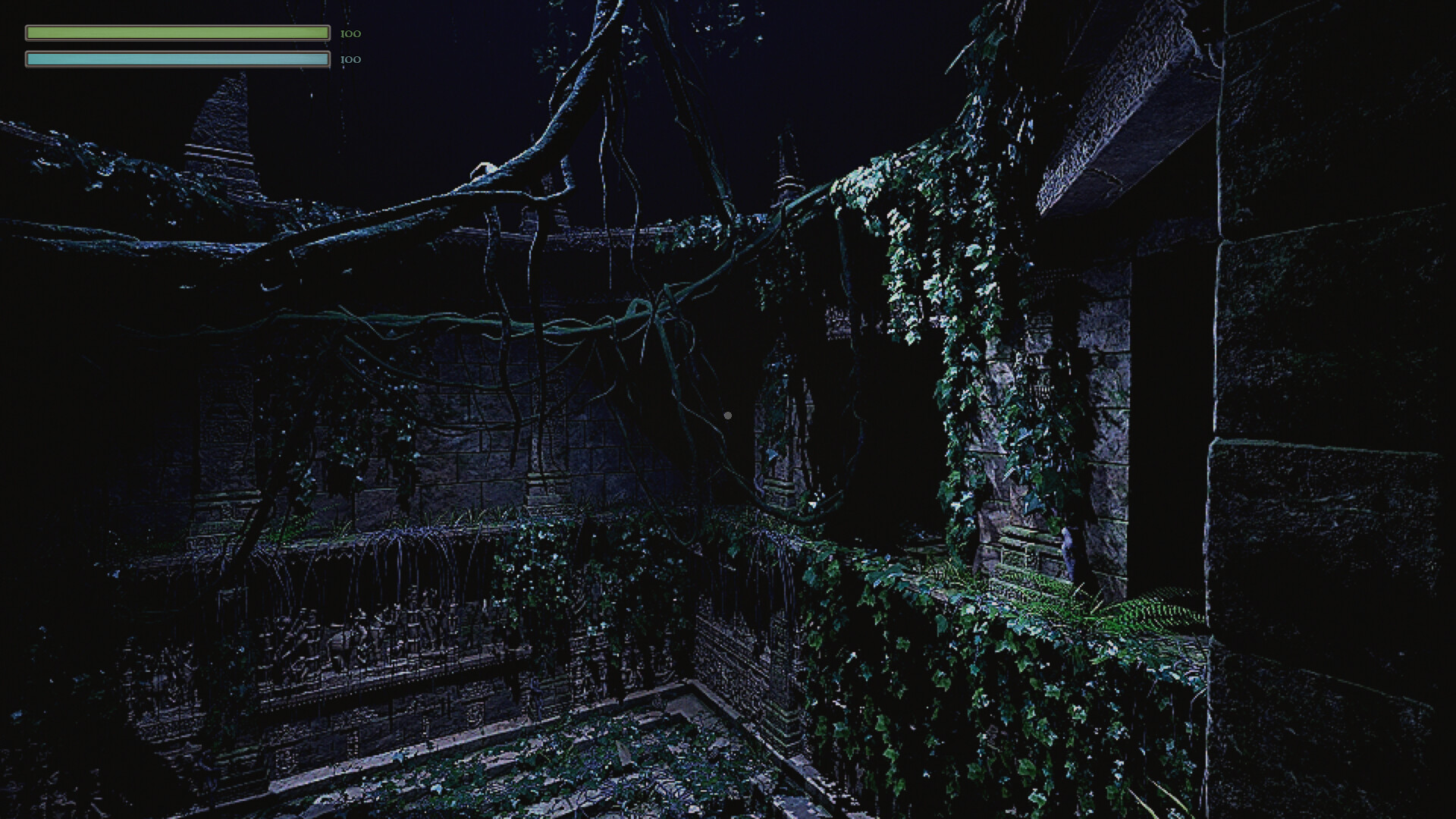
The aesthetic tone is unmistakable—urban occult horror grounded not in neon signs or foggy forests but crumbling shrines tucked behind city alleys and dim-lit rooms filled with incense smoke and whispering idols.
This is not generic fantasy reskinned—it’s unmistakably Indian both visually and spiritually. From street murals depicting forgotten gods to soundscapes mixing temple bells with city noise pollution, Rakshasa crafts mood through setting as much as music or lighting effects do elsewhere.
That cultural grounding gives weight to every symbol used—from colors worn during rituals to motifs etched into talismans found across locations both sacred and defiled.
When does Rakshasa come out?

Rakshasa is being developed by Odd Compass Studio as a solo project—a rare feat given its ambitious scope—but no official release date has been announced yet. The game is currently listed as “Coming Soon” on Steam without a confirmed launch window.
A fresh alternative for those tired of Western-centric urban fantasy
For those drawn to Vampire: Bloodlines’ depth but eager for something outside LA’s gothic club scene—or for fans of RPGs who prefer story-driven experiences layered atop meaningful mechanics—Rakshasa looks like an answer long overdue.
Its setting alone makes it stand out—a modern Indian world steeped in real traditions rarely seen outside textbooks or temples—and its commitment to meaningful choice gives it emotional bite alongside spiritual weight.
If exploring forgotten ruins while whispering mantras into blood-soaked soil sounds more appealing than slaying yet another Western dragon… then perhaps it’s time to ask:
What hidden wars lie waiting beneath your own city’s streets?
F.A.Q.
What type of game is Rakshasa?
Rakshasa is a first-person, narrative-driven RPG set in modern India. It blends brutal, turn-based combat with deep role-playing and meaningful choices, built around Indian Tantrik occultism and mythological demons. The game’s setting and mechanics are inspired by South Asian traditions and folklore.
When does Rakshasa come out?
No official release date has been announced for Rakshasa yet. The game is currently listed as “Coming Soon” on Steam, and it is being developed by Odd Compass Studio as a solo project.
Does Rakshasa have multiplayer features?
Rakshasa is a narrative-driven RPG focused on single-player experiences. There is no mention of multiplayer features in the available information, suggesting the game is designed predominantly for solo play.
What platforms will Rakshasa be available on?
Rakshasa is currently announced for release on PC via Steam. There is no information available about potential releases on other platforms at this time.
What is the combat system like in Rakshasa?
The combat system in Rakshasa is turn-based and tactical. It emphasizes positioning, resource management, and ability synergy, with mechanics rooted in Tantrik rituals and practices. Players use mudras, talismans, and chants instead of traditional spells, making preparation and strategy crucial for success.
What are some unique aspects of Rakshasa’s setting?
Rakshasa is set in modern India, featuring an occult underbelly with Tantrik spellcasters and ancient mythological horrors. The game uses Indian urban environments and Hindu/Buddhist/Tantrik mythologies as its primary lens, creating a culturally distinct world unlike typical Western fantasy settings.
Is Rakshasa inspired by any other games?
Yes, Rakshasa’s developer describes the game as “Vampire: The Masquerade – Bloodlines, but set in India.” This implies a focus on urban-occult intrigue, dense dialogue, and faction politics, all translated into an Indian cultural and mythological context.