Sometimes, the quietest stories can speak the loudest. Kinsfolk, a heartfelt narrative adventure created by solo developer Vinko Kodzoman, invites players into an emotional journey that’s all about memory, grief, and the quiet strength of fatherhood. With no monsters to fight or puzzles to crack, it gently unfolds like a family photo album—one filled with love, regret, and deeply personal moments that feel as real as sitting on the living room floor flipping through old keepsakes.
A father’s story told through memories and moments

Kinsfolk doesn’t follow epic battles or dramatic plot twists. Instead, it focuses on something far more tender: the everyday life of a father reflecting on his past. The game invites players into his mind as he revisits key memories—both joyful and painful—that shaped his relationship with his child. These aren’t grand cinematic flashbacks but small, human moments: a quiet conversation in a hallway, an argument over dinner, or the sound of footsteps in an empty house.
The heart of Kinsfolk lies in its quiet honesty. There are no fantasy elements or sci-fi distractions here—just real emotions set in familiar places. As players walk through memory-laced rooms and interact with objects from the past, they uncover a story about loss and love that feels deeply grounded. It’s not about saving the world; it’s about understanding one person’s world.
Why Kinsfolk stands apart from other story-based games

Many narrative games use family themes as part of bigger plots involving ghosts, mysteries, or time travel. But Kinsfolk steps away from those genre tropes to focus purely on what it means to be a parent—and how choices made over time leave lasting marks. The drama h


ere isn’t loud or exaggerated; it’s found in whispered regrets and lingering memories.
This tight focus on fatherhood gives Kinsfolk its unique charm. The environments players explore aren’t castles or haunted forests—they’re bedrooms filled with childhood toys and kitchens where conversations once unfolded over coffee mugs. One moment during preview footage shows the protagonist sitting alone at a kitchen table while rain taps softly against the window. It felt like watching someone relive an afternoon that meant everything and nothing all at once—a small moment made big by memory.
And rather than bombarding players with complicated mechanics or skill trees, Kinsfolk strips things down so each interaction carries emotional weight. There are no battles to win—only feelings to understand.
What playing Kinsfolk actually feels like

The gameplay is simple but meaningful. Players walk through realistically designed home spaces—hallways full of picture frames, cluttered desks with forgotten letters—and interact with objects that spark dialogue or inner thoughts from the father’s perspective. Sometimes it’s a photo that unlocks a memory; sometimes it’s just standing still long enough for emotions to rise to the surface.
During one early scene shown in previews, picking up an old drawing triggers gentle narration about a broken promise made years ago. The player doesn’t need to solve anything—the moment itself is enough to carry the scene forward.
Instead of branching paths or dozens of outcomes, choices in Kinsfolk shape tone rather than direction. Picking certain responses might show more vulnerability or hint at hidden guilt, but they won’t drastically change what happens next. This lets players focus less on “winning” and more on feeling their way through the story.
With almost no HUD cluttering the screen, every step through these memory spaces feels cinematic—like walking through someone else’s daydreams.
A cozy visual style that holds deep emotion

Kinsfolk uses warm lighting and soft colors to create its world—not flashy graphics meant to impress but thoughtful visuals meant to comfort and stir emotions gently. Think cozy browns, muted blues, and sunlight filtering through curtains rather than sharp neon lights or dramatic shadows.
The camera moves slowly and deliberately, often framing scenes so that players see what matters most: a quiet glance between characters or an empty chair across the room. These visual choices help underline feelings of solitude without ever becoming cold or distant.
Dialogue plays out fully onscreen with subtle character animations instead of static portraits or scrolling text boxes. This adds intimacy without pulling attention away from what’s being said—or left unsaid. A brief exchange between two characters can feel more powerful than an entire cutscene in other games simply because it’s so grounded in truth.
The music stays gentle throughout—more like soft piano notes drifting along than intense orchestral swells. Combined with ambient sounds like creaking floors or wind outside windows, it creates an atmosphere that’s both reflective and immersive.
For those who find meaning in life’s smaller stories
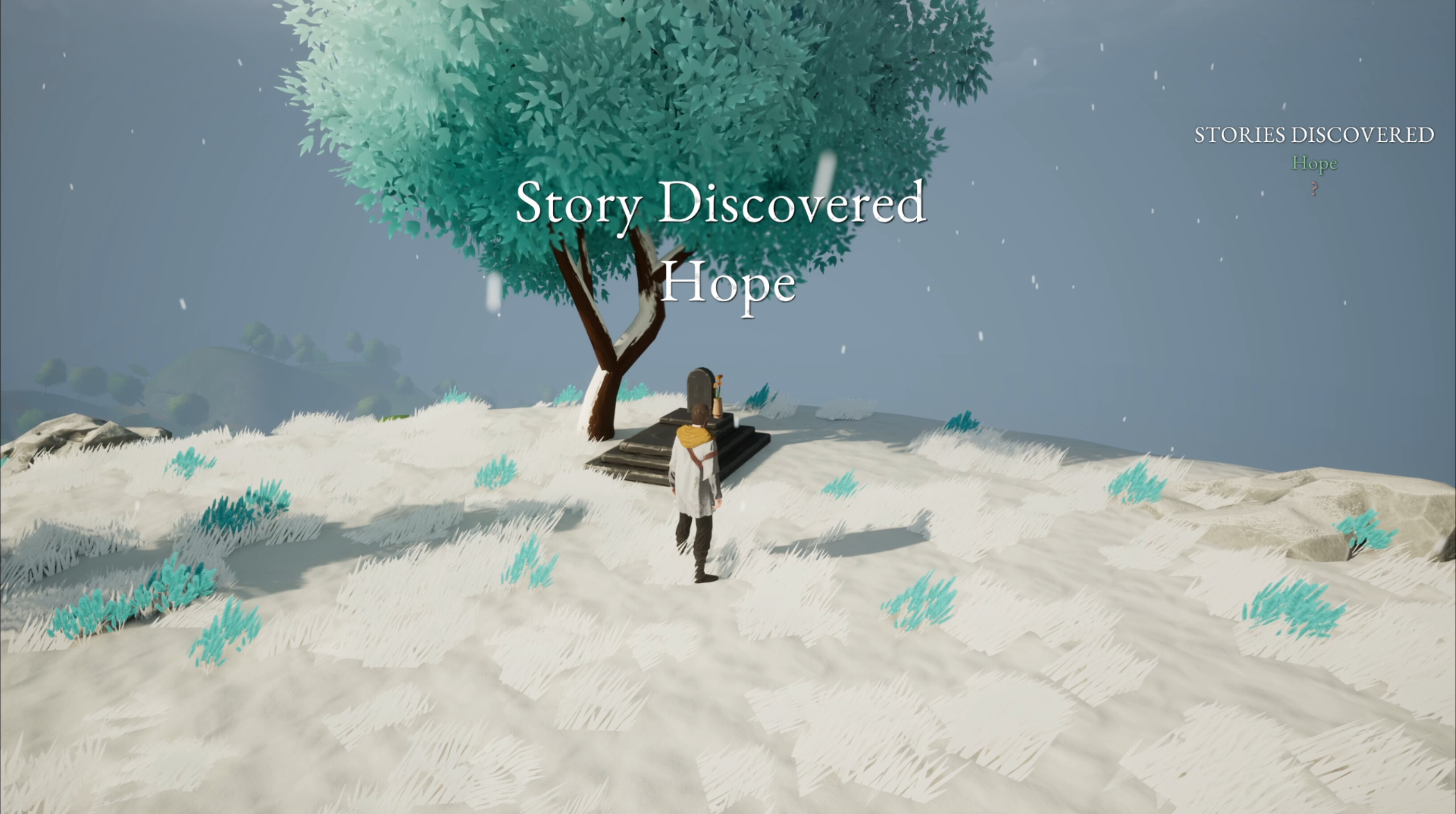
Kinsfolk will likely appeal most to players who enjoy slow-paced storytelling experiences where emotions take center stage over action. Fans of titles like What Remains of Edith Finch or To the Moon will find familiar comfort here—but with even more focus on domestic spaces and relationships that mirror everyday life.
This is also a game for those who appreciate short but impactful adventures—a complete story told over just a few hours that leaves something behind when it’s done. Like finishing a heartfelt letter from someone you haven’t heard from in years—it lingers quietly after you’ve walked away from it.
For anyone interested in supporting small indie projects fueled by passion rather than profit goals, Kinsfolk offers something rare: a deeply personal vision brought fully to life by one creator’s hand. Every room explored and line spoken reflects Vinko Kodzoman’s care—not just for game-making but for storytelling itself.
When did Kinsfolk come out?

Kinsfolk launched on January 8, 2026 for PC via Steam. Originally planned for late 2025, it’s now listed as an upcoming release on storefronts as development wraps up its final touches. Designed as a compact experience meant for one sitting—or maybe two if savored slowly—it looks ready to offer something special right at the start of the new year.
This isn’t just another game—it feels more like opening up someone else’s scrapbook and finding pieces of your own story inside it too. And really, isn’t there something beautiful about remembering things not for how they ended—but for how they once felt?
If given the chance to explore someone else’s memories… what might those reflections reveal about your own?
F.A.Q.
When did Kinsfolk come out?
Kinsfolk launched on January 8, 2026, for PC via Steam. Originally planned for late 2025, its release was pushed to early 2026 as development wraps up its final touches.
What platforms is Kinsfolk available on?
Kinsfolk is available on PC, specifically through the Steam platform.
What type of game is Kinsfolk?
Kinsfolk is a narrative-driven, emotional single-player adventure game that focuses on themes of memory, grief, and fatherhood. It emphasizes storytelling and emotional exploration over traditional gameplay mechanics like combat or puzzles.
Does Kinsfolk have multiplayer features?
No, Kinsfolk is designed as a single-player experience, focusing on an immersive narrative without multiplayer systems.
Is Kinsfolk worth it for fans of narrative games?
Kinsfolk is likely to appeal to players who enjoy slow-paced storytelling experiences where emotions take center stage over action. Fans of titles like What Remains of Edith Finch or To the Moon will find familiar comfort in its focus on domestic spaces and relationships.
What is the main storyline of Kinsfolk?
The game centers on a father’s introspective journey through his memories, exploring pivotal moments that shaped his relationship with his child. It is more about understanding one person’s world through everyday memories rather than epic battles or dramatic plot twists.
What makes Kinsfolk unique compared to other story-based games?
Kinsfolk distinguishes itself by focusing purely on the themes of fatherhood, memory, and the impact of parental choices. Unlike many narrative games that incorporate genre elements like fantasy or horror, Kinsfolk presents a grounded and intimate exploration of family dynamics in familiar settings.
BFG drafts articles with AI from our team’s own research, takes, and opinions — every piece is reviewed and edited by our staff.
📬 Get The F5 — Five F’ing Games you’ve never heard of, every Saturday, plus key giveaways. Subscribe free →