Reverse: 1999 isn’t just another mobile RPG ported to PC—it’s a full-bodied, time-traveling story machine now running natively on Steam. With cinematic storytelling, card-based tactical combat, and a world built from the fashion, music, and chaos of the 20th century, Reverse: 1999 carves out a distinct identity in the crowded free-to-play space. Its Steam release gives players a new way to experience this polished, narrative-heavy journey through time.
Reverse: 1999’s PC launch brings its time-travel mystery to a new audience
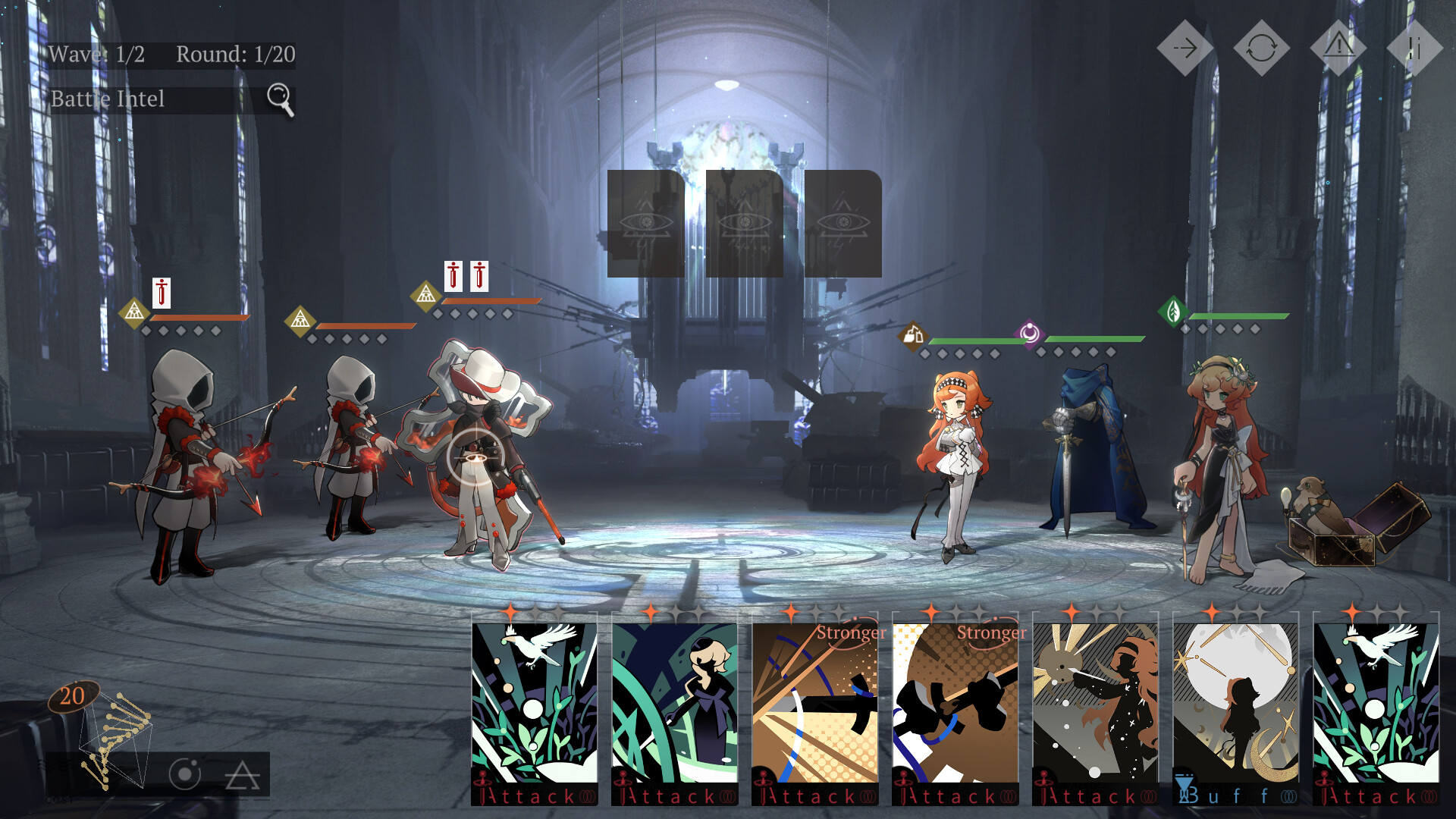
Originally released on mobile in late 2023, Reverse: 1999 officially landed on PC via Steam on October 8, 2024. This native PC version supports keyboard and mouse or controller play and offers full cross-play with its iOS and Android counterparts. Players can jump between devices without losing progress—a convenience that’s often promised but rarely executed this smoothly.
The game casts the player as Vertin, the Timekeeper, tasked with observing—and sometimes intervening in—the flow of history. Each chapter sends players to a different decade of the 20th century, from smoky speakeasies of the Roaring ’20s to fluorescent malls at the edge of Y2K. A strange force called “the Storm” threatens to erase these eras entirely. It’s up to Vertin and their allies at the Foundation to uncover why time itself is breaking apart.
What sets this game apart is how deeply it cares about its story. Instead of endless grinding or idle tapping, Reverse: 1999 invites players into rich dialogues, fully voiced scenes, and layered mysteries across decades. As one patch ends with answers about post-war Europe, another might drop players into disco-era America filled with new characters and challenges.
A strategy RPG where spell cards replace auto-combat
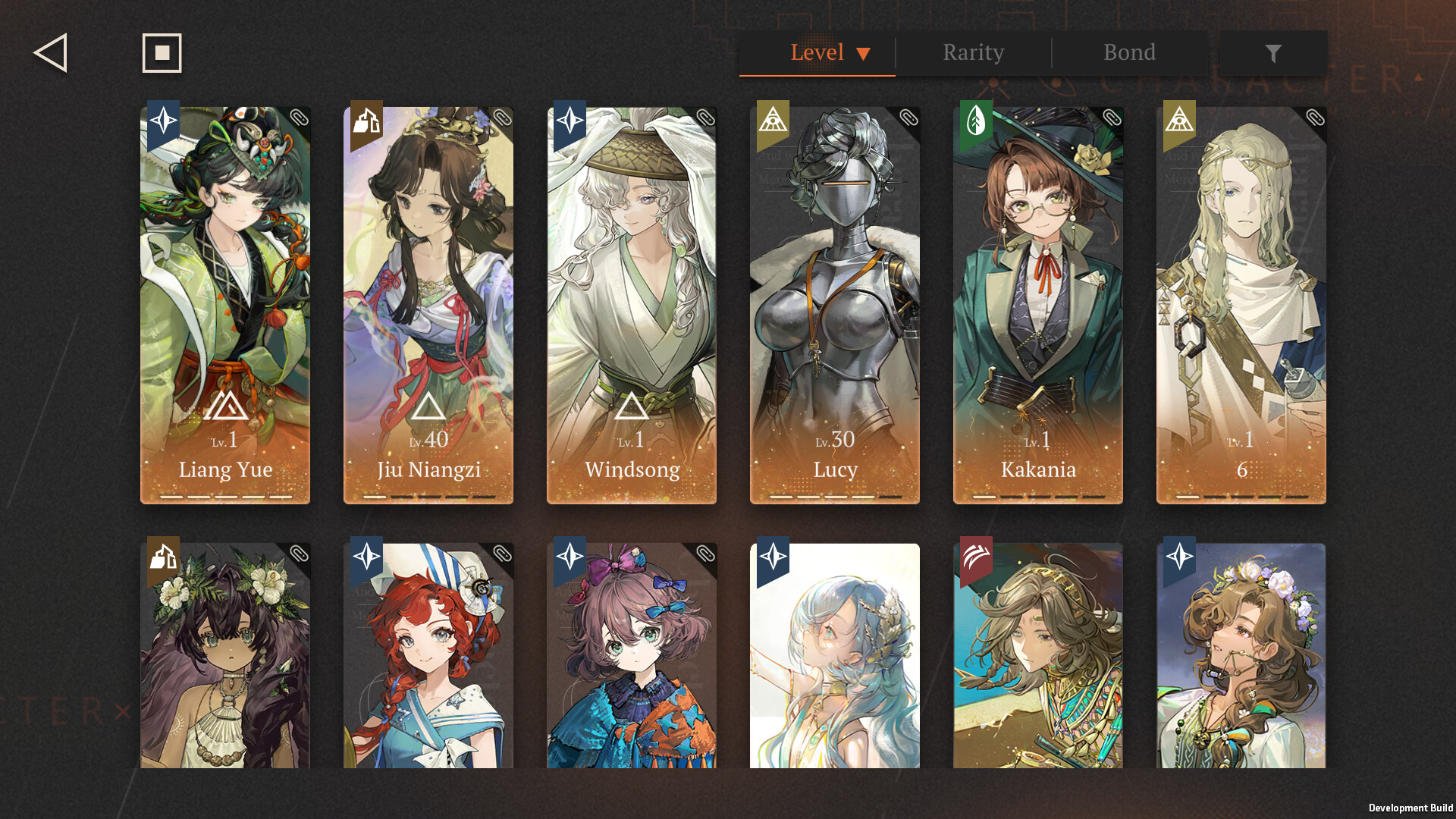
Many gacha games lean heavily on auto-battles and stat walls. Reverse: 1999 refuses that route. Combat here is turn-based and tactical. Players form small teams of “arcanists,” each with their own abilities drawn from spell cards tied to elemental affinities like Beast or Star. During each round, cards can be fused or upgraded for stronger effects—actions that demand attention rather than autopilot.
This system rewards thoughtful planning over raw power. Winning battles often means picking the right combination of units whose affinities counter enemy setups or chaining spells for perfect timing. It feels closer to a traditional JRPG than most mobile titles dare attempt.
One particularly memorable fight involved facing down a group of agents in Cold War Berlin under pouring rain. The team struggled until Sonetto’s affinity broke through an enemy barrier just in time for Regulus’ ultimate to finish them off—a satisfying payoff that came not from luck but from carefully reading the battle ahead.
Cinematic storytelling grounded in real-world decades
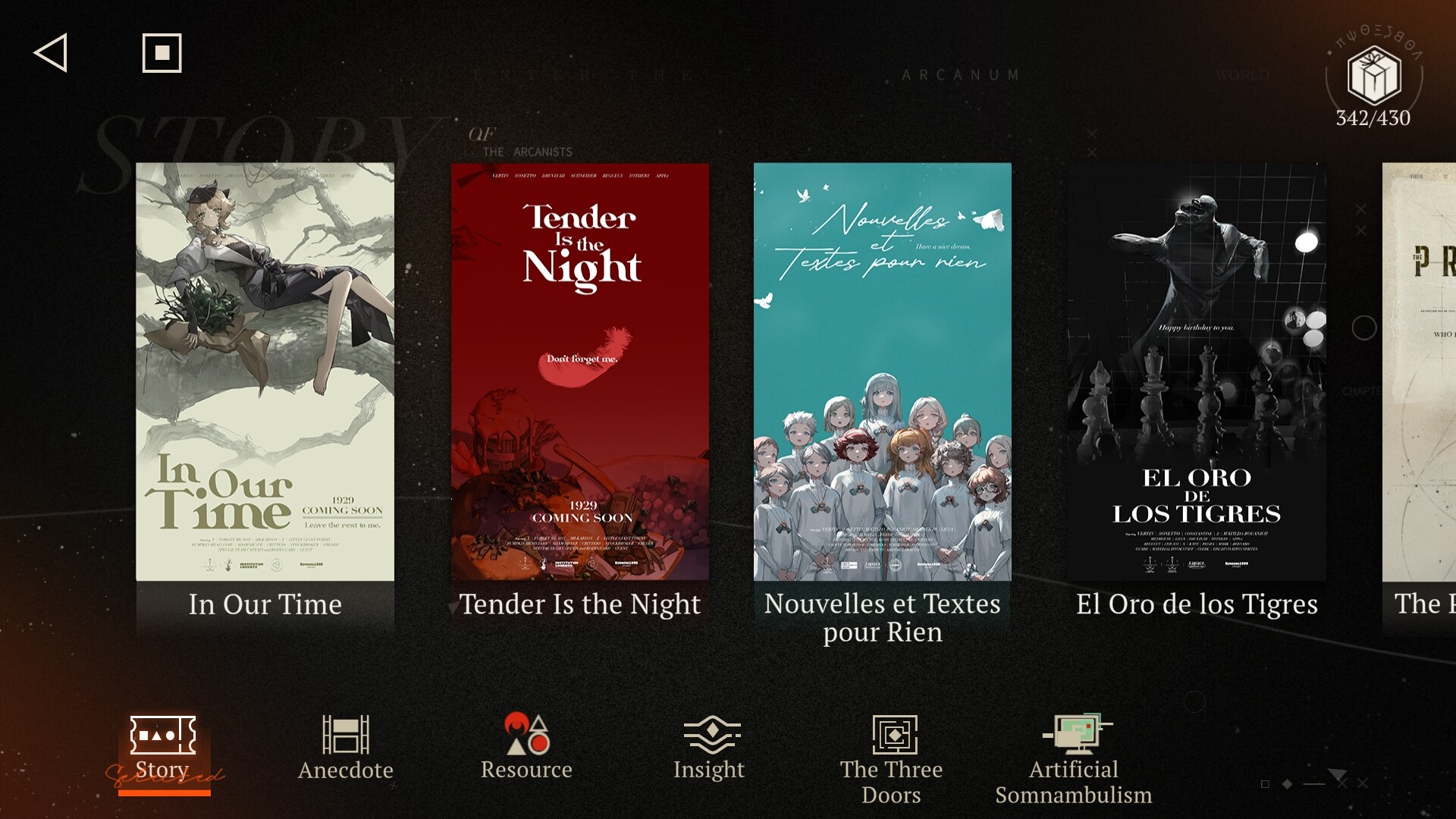
Each update drops players into different slices of the last century—not just visually but thematically. One arc might explore jazz culture in prohibition America; another may riff on ’70s psychedelia or late-90s digital anxiety. These aren’t just backdrops—they’re woven into every line of dialogue, every costume design, every choice of music playing behind cutscenes.
The game’s structure mirrors an episodic TV drama more than anything else. Stories often wrap up within one version patch while hinting at larger arcs that span several updates. Characters come and go like recurring cast members in a long-running show.
This design makes Reverse: 1999 stand out among gacha peers that often reduce narrative to flavor text around summons. Here, every arcanist has roots in their own culture and era—adding both depth and contrast when they collide across timelines.
Distinct visuals mix anime style with vintage flair
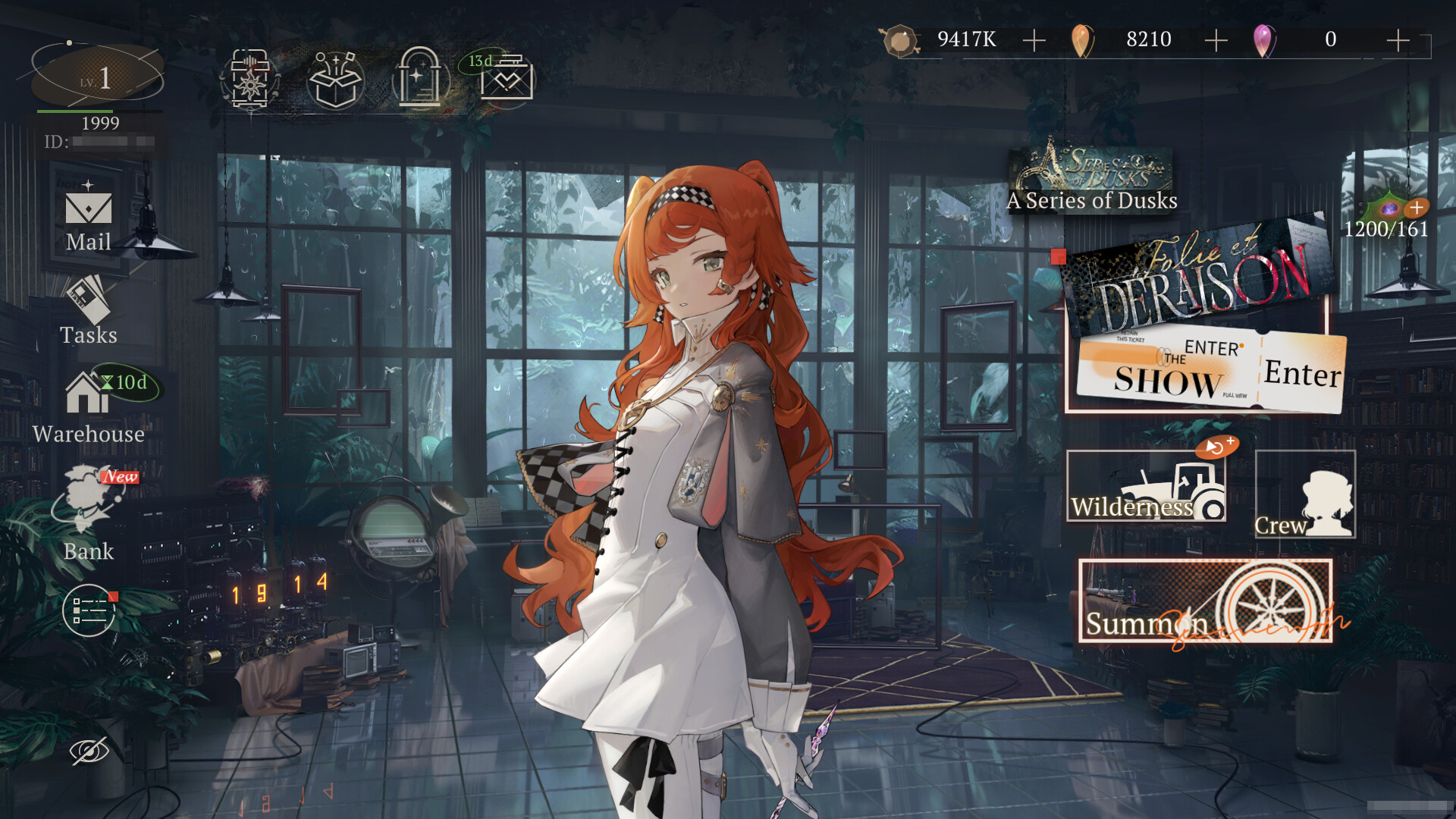
The art direction leans into painterly backgrounds, bold character portraits, and detailed UI elements that evoke typewriters, phonographs, or VHS screens depending on the era depicted. While clearly anime-inspired, it doesn’t look like any other game currently circulating in the gacha scene.
This attention to period detail isn’t surface-level either—it permeates how characters talk, dress, and even fight. In one arc set during mid-century England’s occult craze, enemies dressed like noir detectives wield tarot-based attacks under streetlamps flickering like gaslight magic.
Combined with top-tier voice acting across English audio tracks and dynamic cutscenes tailored for emotional beats rather than exposition dumps, Reverse: 1999 delivers something rare: an actual sense of place—and time—that evolves as you play forward (or backward).
An evolving cast that resists gacha throwaway syndrome
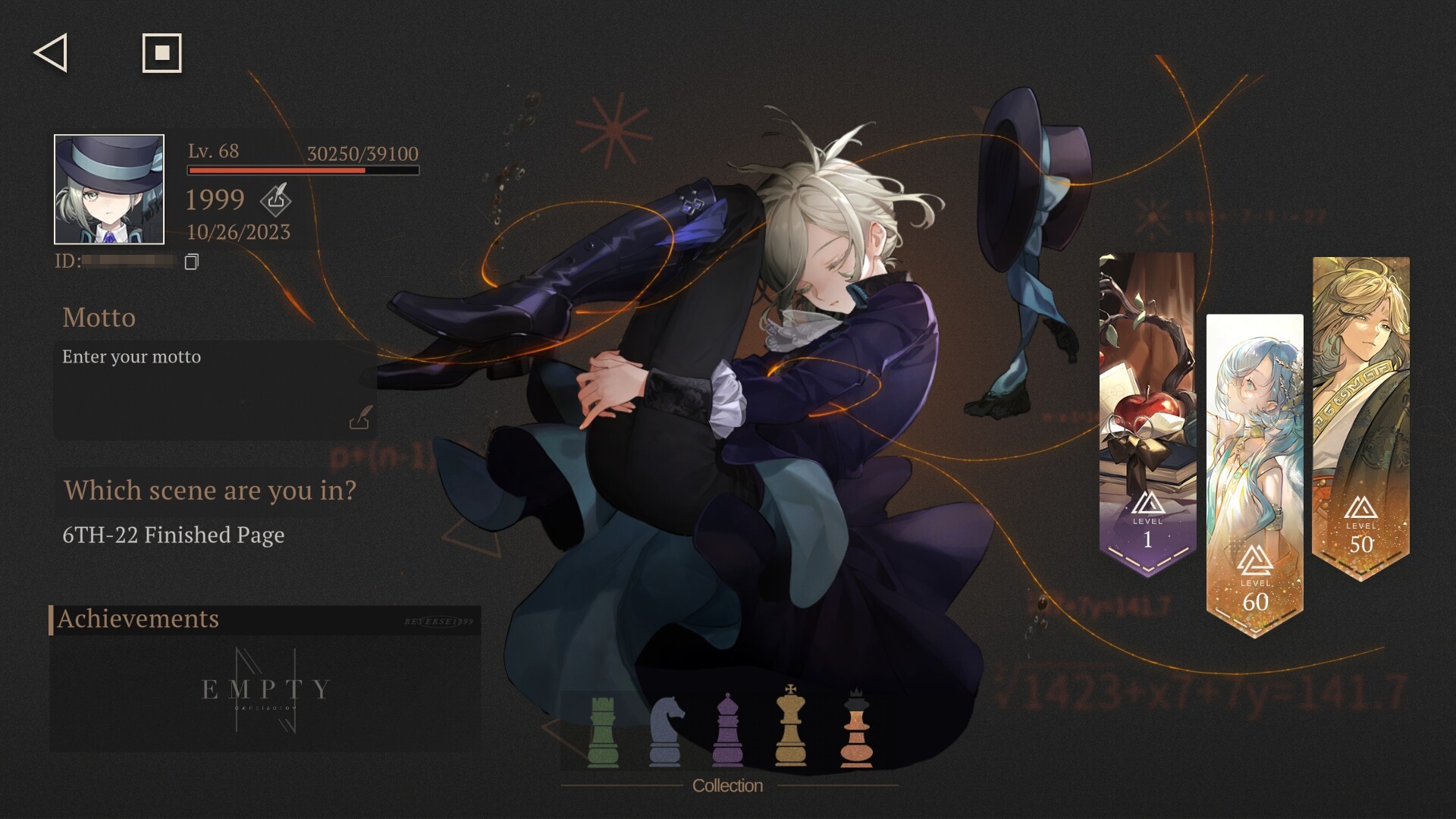
Reverse: 1999 doesn’t forget its characters once banners rotate out. Through systems like Euphoria upgrades introduced after its first anniversary update cycle in mid-2024, older arcanists stay competitive by gaining new skills or synergies for current meta content.
This makes early favorites remain relevant long past their debut patches—something few gacha systems manage gracefully. Instead of leaving beloved units behind as power creep sets in, Bluepoch finds ways to reintegrate them both narratively and mechanically.
That sense of continuity plays well with the game’s serialized structure. It feels less like chasing stats and more like growing alongside old friends who still have roles left to play in future stories yet untold.
A free-to-play model that respects player time

Despite being free on all platforms—with standard gacha monetization options—Reverse: 1999 doesn’t push aggressive paywalls early on. Players can earn enough premium currency through regular play to unlock core units without opening their wallets if they choose patience over speed.
The numbers back up its success too: over one million pre-registrations before global launch and $4.5 million earned within its first month show strong interest met with solid execution.
The Steam launch expands access even more by removing typical mobile constraints from what was already an ambitious RPG experience—now playable fullscreen with proper PC controls without compromise.
When did Reverse: 1999 come out?
Reverse: 1999 originally launched in China on May 31, 2023 before making its global debut on October 26 that same year for mobile platforms. Its native PC release followed nearly a year later on October 8, 2024 via Steam—bringing full cross-platform support between Windows PCs and Android/iOS devices for seamless account sharing across all versions.
A compelling reason to start playing now
The best time to try Reverse: 1999 may be right now—not at launch or when it first trended online—but today when it exists as a complete package built over more than a year of consistent updates. Newcomers get polished gameplay systems tuned by feedback loops; veterans get frequent lore expansions without hitting stale content walls; everyone gets a serious narrative adventure styled like no other title currently running live service RPGs today.
If you’re drawn more by deep stories than spreadsheets—or if you’re someone who enjoys thinking through battles instead of skipping them entirely—this game is worth your attention now more than ever before.
The only question left is: which era will pull you in first?
F.A.Q.
When did Reverse: 1999 release on PC?
Reverse: 1999 was released on PC via Steam on October 8, 2024. This version offers full cross-play with its iOS and Android versions, allowing players to switch devices without losing progress.
What platforms is Reverse: 1999 available on?
Reverse: 1999 is available on Windows PC via Steam, as well as on mobile platforms including iOS and Android. It supports cross-play across all these platforms.
What type of game is Reverse: 1999?
Reverse: 1999 is a free-to-play, story-driven, turn-based RPG with a focus on time-travel and strategic combat. Players engage in tactical battles using spell cards and explore a narrative-rich world spanning different eras of the 20th century.
Is Reverse: 1999 worth playing for story enthusiasts?
Yes, Reverse: 1999 is particularly appealing to story enthusiasts. The game emphasizes cinematic storytelling with rich dialogues, fully voiced scenes, and a deep narrative that explores different decades of the 20th century.
Does Reverse: 1999 have tactical combat?
Yes, Reverse: 1999 features turn-based tactical combat. Players use spell cards with elemental affinities to form strategies and counter enemy setups, offering a more traditional JRPG feel than typical mobile games.
Can I play Reverse: 1999 with a controller on PC?
Yes, the PC version of Reverse: 1999 supports controller play, along with keyboard and mouse options, providing a seamless gaming experience.
What makes Reverse: 1999 unique in the RPG genre?
Reverse: 1999 stands out for its strong narrative focus, time-travel theme, and unique combat system that relies on card-based tactics rather than auto-battling. The game also combines anime-inspired visuals with historical settings from the 20th century.
BFG drafts articles with AI from our team’s own research, takes, and opinions — every piece is reviewed and edited by our staff.
📬 Get The F5 — Five F’ing Games you’ve never heard of, every Saturday, plus key giveaways. Subscribe free →