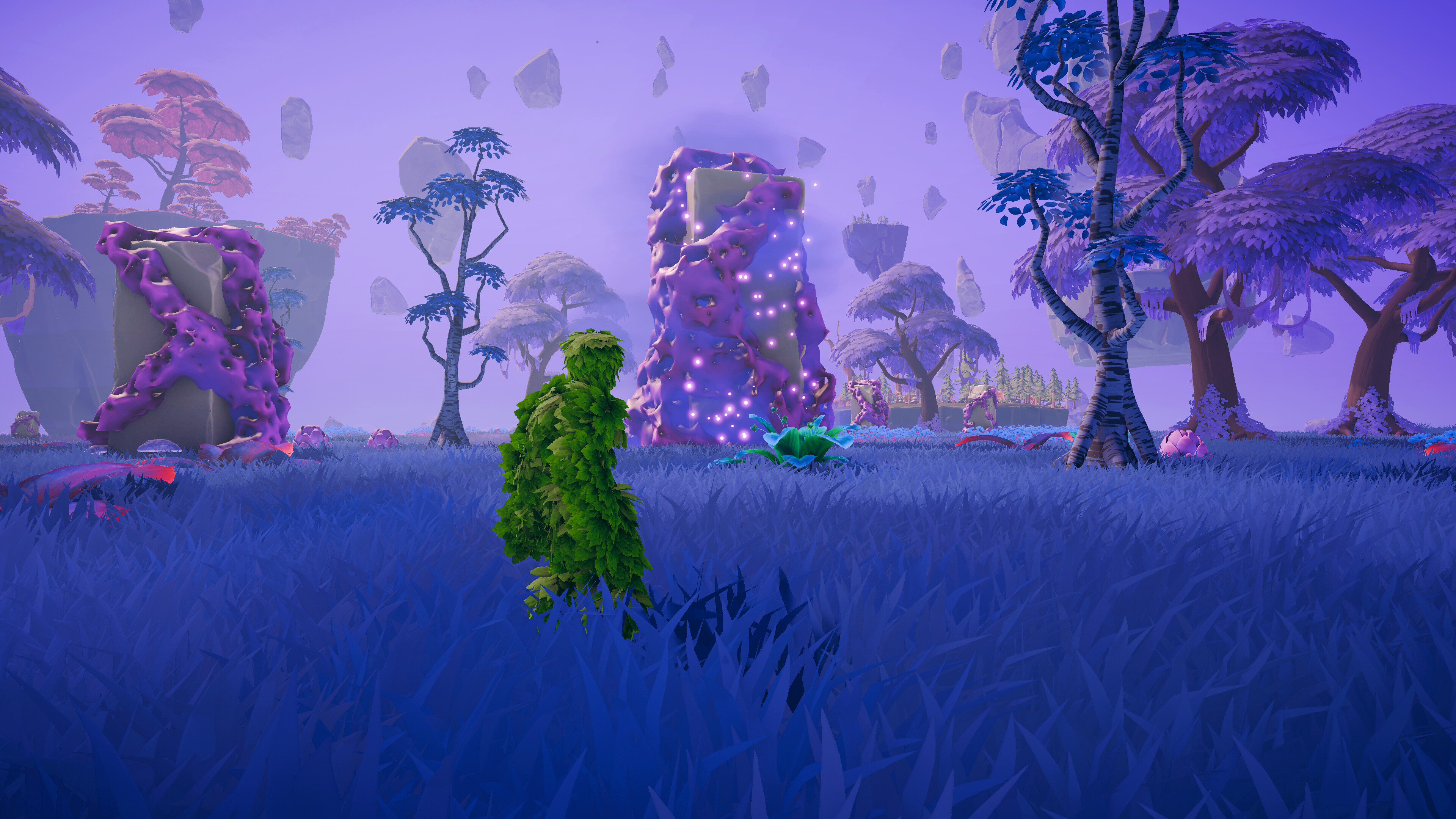
Solo developer Hasan Tarhan is crafting something genuinely special with Leafborn — a 3D roguelite action platformer where the hero isn’t a warrior carrying a sword or a mage casting spells, but a living storm of thousands of leaves that shifts shape mid-flight, mid-fight, and mid-everything, making movement and combat one and the same.
Leafborn’s Three Forms Are What Set It Apart From Every Other Roguelite Right Now
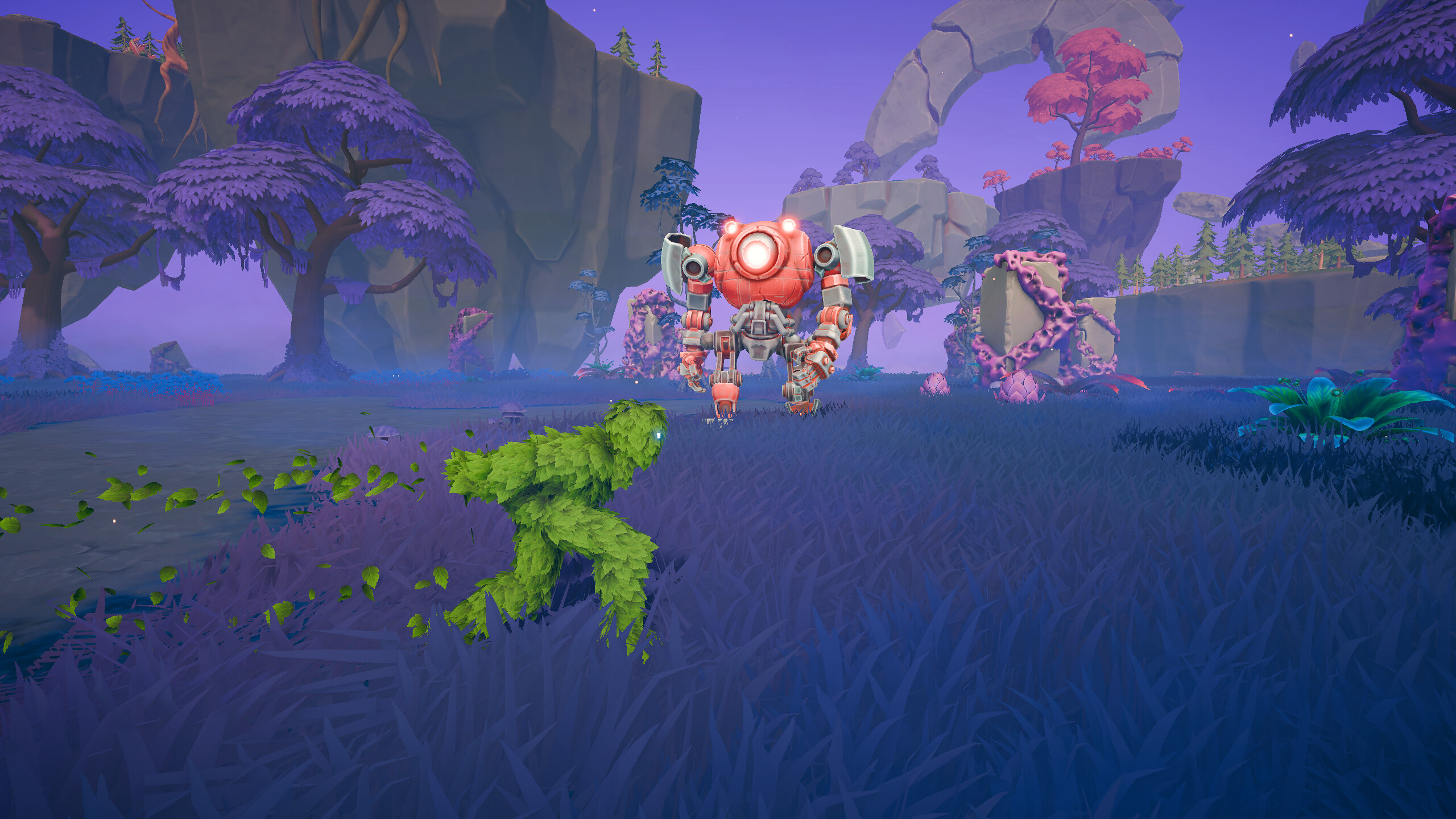
Most action games keep movement and combat in separate boxes. You run to the fight, then you fight. Leafborn throws that idea out entirely. The whole game is built around three distinct physical forms, and switching between them fluidly is how players survive, progress, and — if everything clicks — reach that satisfying groove where every action feels connected.
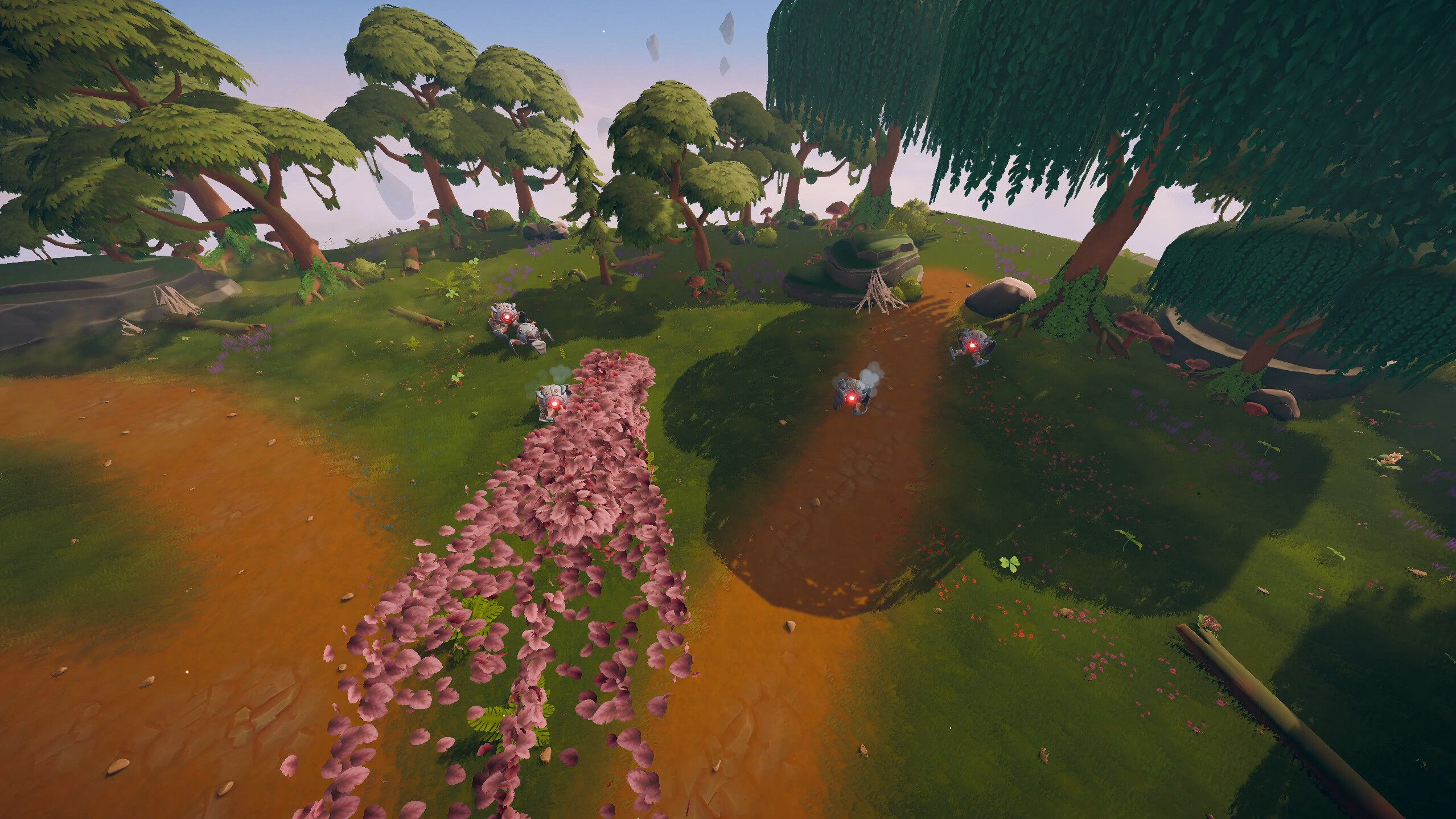
The leaf state is where speed lives. In this form, the character spreads into a flowing stream of leaves, gliding across floating sky islands with quick aerial combos and fast traversal. It feels light and free, like a warm breeze carrying something weightless across an open field. Then there is the sphere form, which is the opposite in almost every way — dense, heavy, built for crashing into enemies with powerful slams and absorbing punishment. Finally, the dispersed form lets the player phase through enemies entirely, slipping past groups or dodging attacks by simply coming apart and reforming on the other side.
What makes this system stand out is that none of these forms feel like separate modes bolted onto a basic game. Gliding in leaf state is also attacking. Phasing in dispersed form is also defending. The developer calls the rhythm of chaining these transitions together a “Flow State,” and that name fits well. Stringing a gliding aerial combo into a heavy sphere slam, then dispersing through a crowd to reposition — it reads less like a game system and more like a conversation the player is having with the level itself. That kind of integration is genuinely rare in the roguelite space.
LilyJoy once spent an afternoon watching a friend try an early prototype, and even from the outside, the moment the leaf state snapped into a sphere slam mid-air, there was an audible reaction. That split-second transformation just looked and felt satisfying in a way that is hard to explain until it happens.
How Each Run Actually Works — And Why Coming Back Feels Worth It
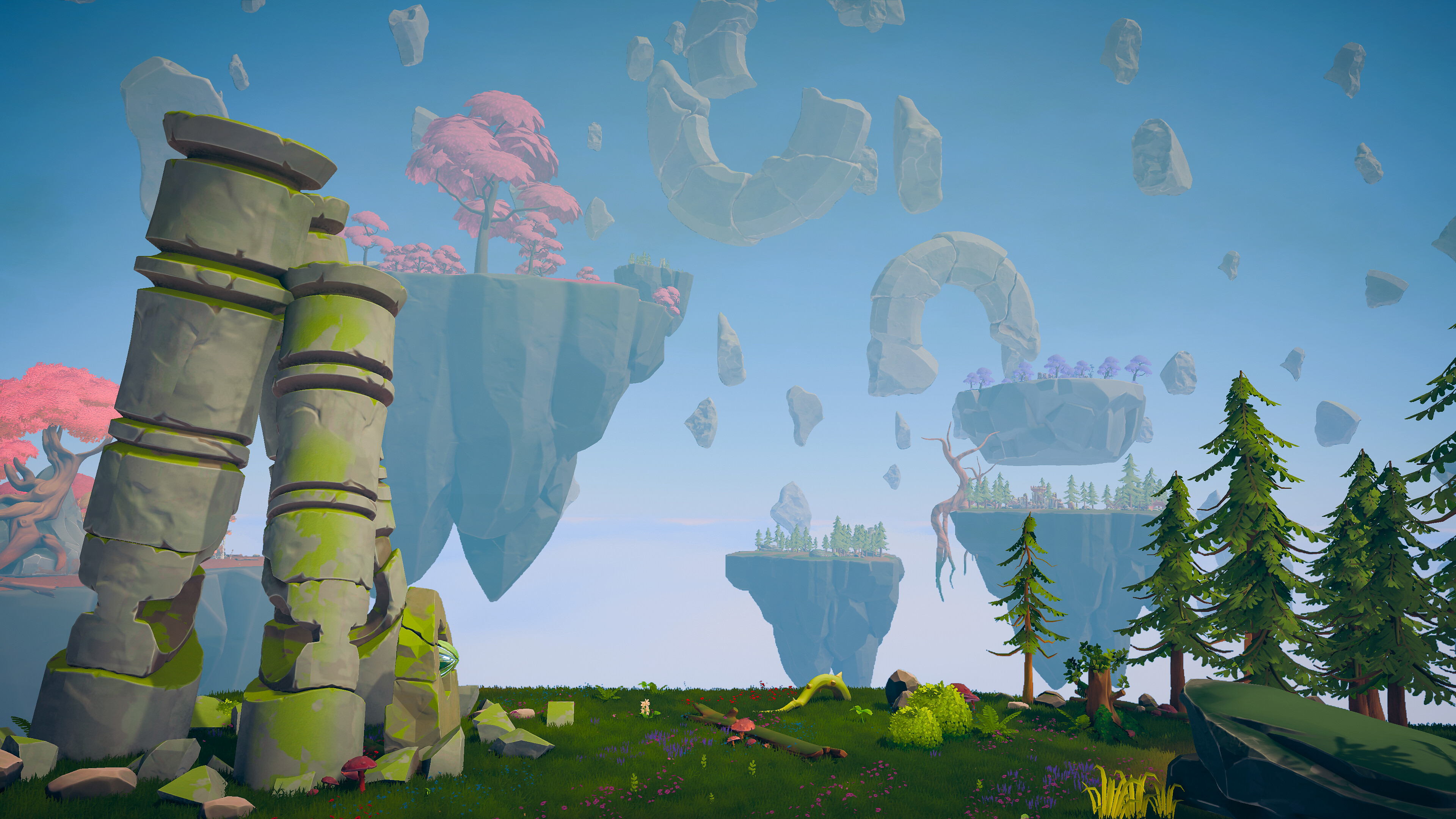
Leafborn uses procedural generation to build its floating sky islands, meaning no two runs will ever lay out exactly the same. Each run also unlocks new forms, abilities, and paths, so the meta-progression is built around opening up new ways to play rather than stacking numbers higher and higher. That is an important distinction. A lot of roguelites trap players in a grind where early runs feel weak and slow until enough stats are banked. Leafborn seems to be aiming for something closer to how Hades handles it — where the unlocks expand options rather than simply correct a feeling of being underpowered.
The singleplayer-only structure keeps the focus tight, and controller support is included for players who prefer that feel. The emphasis throughout is on skill-based mastery — learning when to glide, when to slam, when to phase — rather than leaning on a build that does the work for the player. For fans of action-platformers who want runs that reward sharp thinking and quick reflexes, that philosophy is a warm and welcoming one.
Because the three forms each move and fight so differently, players are naturally encouraged to experiment with different transformation strategies across runs. One attempt might lean heavily on sphere slams and defensive play. The next might chase aerial leaf combos across every island. The procedural layouts shift to match the chaos, and that variety keeps things feeling fresh without demanding hours of grinding to see something new.
The Leaf Particle System Is One of the Most Visually Interesting Things in Indie Development Right Now

Leafborn’s look deserves its own moment because it genuinely earns one. The character is composed of thousands of individual leaves at all times, rendered through a custom-built particle system that the developer highlights as a technical showcase. Watching the character soar across open sky as a swarm of leaves, or compress into a dense sphere before crashing down, carries a kind of quiet wonder that most games in dark dungeons or neon corridors simply cannot offer.
The 3D pixel physics add texture to every movement. Leaves scatter, reform, and surge with a life that feels organic rather than mechanical. The nature-inspired aesthetic sits in warm contrast to the heavy grays and blacks that dominate so much of the roguelite genre. It is the kind of color palette that feels like watching light filter through autumn trees — soft, vibrant, and genuinely calming even when the combat is at its most intense.
For readers looking for comparison points, the action depth draws comparisons to Hades, the platforming precision echoes Celeste, and the gliding movement carries a lightness reminiscent of Sonic — all brought together in a full 3D roguelite space. That is a bold combination, and the early prototype footage suggests it is coming together with real confidence.
It is also worth noting that Tarhan has been explicit: no generative AI was used in development. Every leaf, every particle, every physics interaction is handcrafted work. For players and fans who care about that distinction, it is a meaningful one.
One Person Is Building All of This — And That Changes How It Should Be Seen
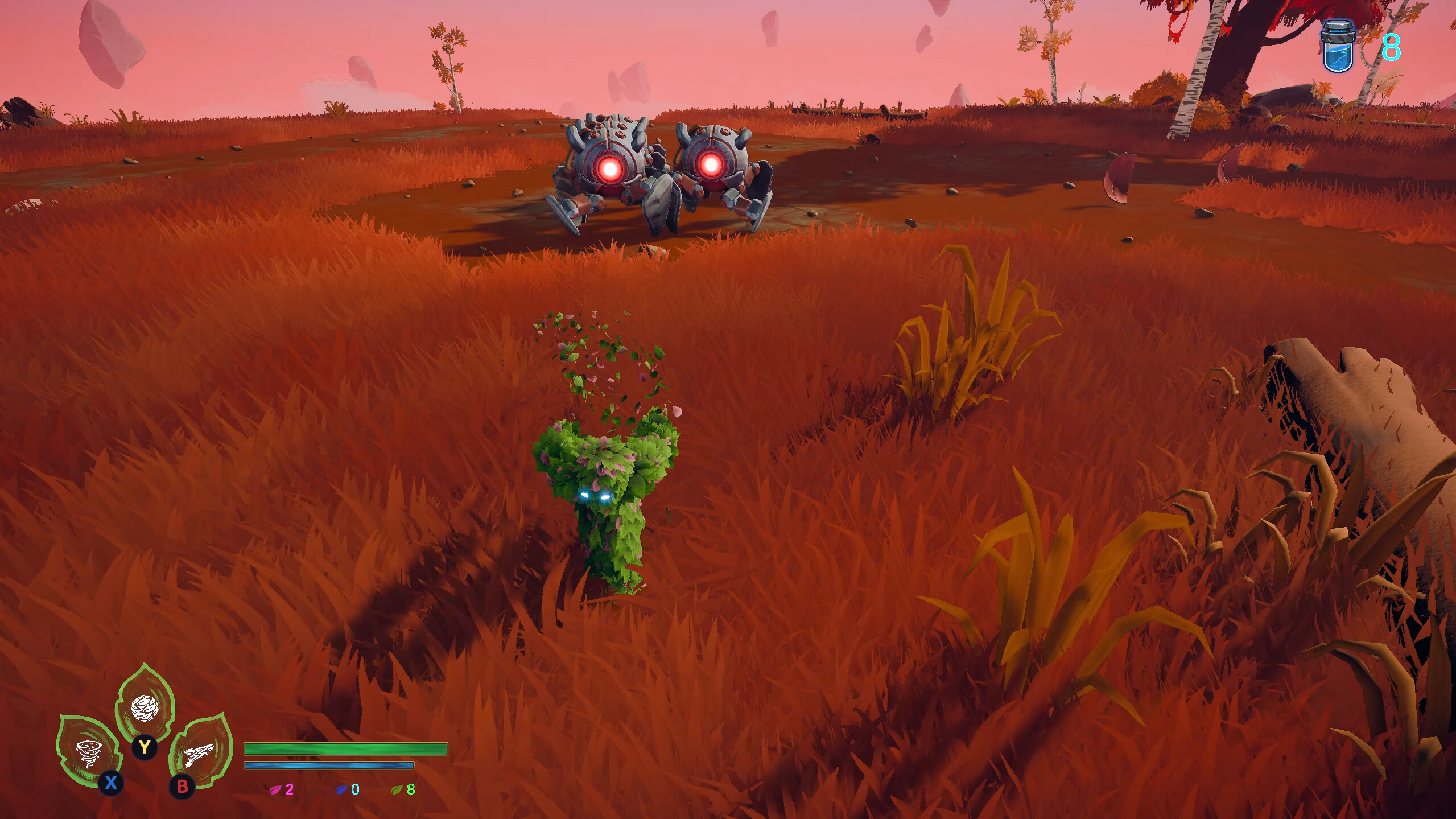
Hasan Tarhan is doing this alone. That single fact reframes everything about Leafborn’s scope. The polished prototype demos already available — featuring the gliding mechanics and the full leaf particle system — represent a level of visual and mechanical ambition that would be impressive from a small team. From one person, it is something else entirely.
The project first appeared on Steam on December 10, 2025, with the most recent update landing April 28, 2026. That timeline shows steady, active development, and the quality visible in early builds reflects a developer who is being careful and deliberate rather than rushing toward a launch. For readers who follow indie development closely, Leafborn is exactly the kind of project worth keeping an eye on — not just for what it promises, but for what it has already demonstrated is possible.
When Does Leafborn Come Out — And How Can Players Get Involved Now?
No release date or launch window has been announced for Leafborn as of the latest available information. The game remains in active pre-release development, and Tarhan has not confirmed a timeline for when it will be ready. That is worth knowing going in — this is a project to watch and support, not one to wait on with a specific date circled.
Right now, the Steam wishlist is live and available, which is the simplest way to follow development and make sure Leafborn shows up when it eventually launches. Prototype builds are also accessible on itch.io for players who want to get hands-on with the gliding mechanics and leaf particle system ahead of any full release. Both entry points are open and worth exploring for anyone drawn to what Tarhan is building.
Leafborn is a quiet but confident reminder that the most interesting ideas in gaming often come from the smallest teams — and sometimes from just one person with a clear vision and the patience to build it right. With a movement system this thoughtfully designed and a visual identity this distinct, it stands as one of the more exciting indie projects currently taking shape. The only real question left is what form it will take when it finally lands in players’ hands — and whether the full experience can match the remarkable promise of what has already been shown.
F.A.Q.
What type of game is Leafborn?
Leafborn is a 3D roguelite action platformer developed by solo developer Hasan Tarhan. Players control a mystical warrior made of thousands of leaves, transforming between three distinct forms to fight enemies and traverse procedurally generated floating sky islands. The game blends fluid third-person combat with skill-based platforming, drawing comparisons to Hades for its roguelite structure, Celeste for its platforming precision, and Sonic for its gliding movement — all in a full 3D environment.
When does Leafborn come out?
Leafborn does not have a confirmed release date or launch window as of the latest available information. The game first appeared on Steam on December 10, 2025, and remains in active pre-release development, with the most recent update landing April 28, 2026. Players who want to follow progress can add Leafborn to their Steam wishlist to stay notified, and prototype builds are already available on itch.io for those who want to try the game early.
What platforms is Leafborn on?
Leafborn is currently being developed for Windows PC and is available to wishlist on Steam. The game is built in Unity and includes controller support for players who prefer that over keyboard and mouse. No console versions have been announced at this time.
Is Leafborn a roguelike or roguelite?
Leafborn is a roguelite rather than a traditional roguelike. Each run features procedurally generated floating sky islands, meaning layouts change every time, but the meta-progression system unlocks new forms, abilities, and paths across runs. This approach is closer to how Hades handles progression — expanding player options and playstyles rather than simply stacking stats higher — so early runs do not feel underpowered compared to later ones. The focus is on skill-based mastery and experimentation rather than grinding for numbers.
Does Leafborn have multiplayer?
No, Leafborn is a singleplayer-only experience. The game’s design keeps its focus tight around solo runs, with the emphasis placed on personal skill development — learning when to glide, when to slam, and when to phase through enemies — rather than cooperative or competitive play.
How does the form-shifting system work in Leafborn?
Leafborn’s core mechanic revolves around three distinct forms that players chain together fluidly during both movement and combat. The leaf state spreads the character into a flowing stream of leaves for fast gliding, aerial traversal, and quick combos. The sphere form compresses the character into a dense, heavy shape built for powerful slams and absorbing damage. The dispersed form allows the player to phase directly through enemies for evasion and repositioning. What makes this system stand out is that movement and combat are the same action — gliding is also attacking, phasing is also defending. The developer calls the rhythm of chaining these transitions a “Flow State,” and mastering it is central to how the game is played.
Was AI used to make Leafborn?
No. Developer Hasan Tarhan has been explicit that no generative AI was used in the development of Leafborn. Every leaf, particle effect, and physics interaction in the game’s custom-built leaf particle system is entirely handcrafted. For players who care about that distinction, it is a meaningful commitment from a solo developer building an unusually ambitious project entirely on their own.
BFG drafts articles with AI from our team’s own research, takes, and opinions — every piece is reviewed and edited by our staff.
📬 Get The F5 — Five F’ing Games you’ve never heard of, every Saturday, plus key giveaways. Subscribe free →