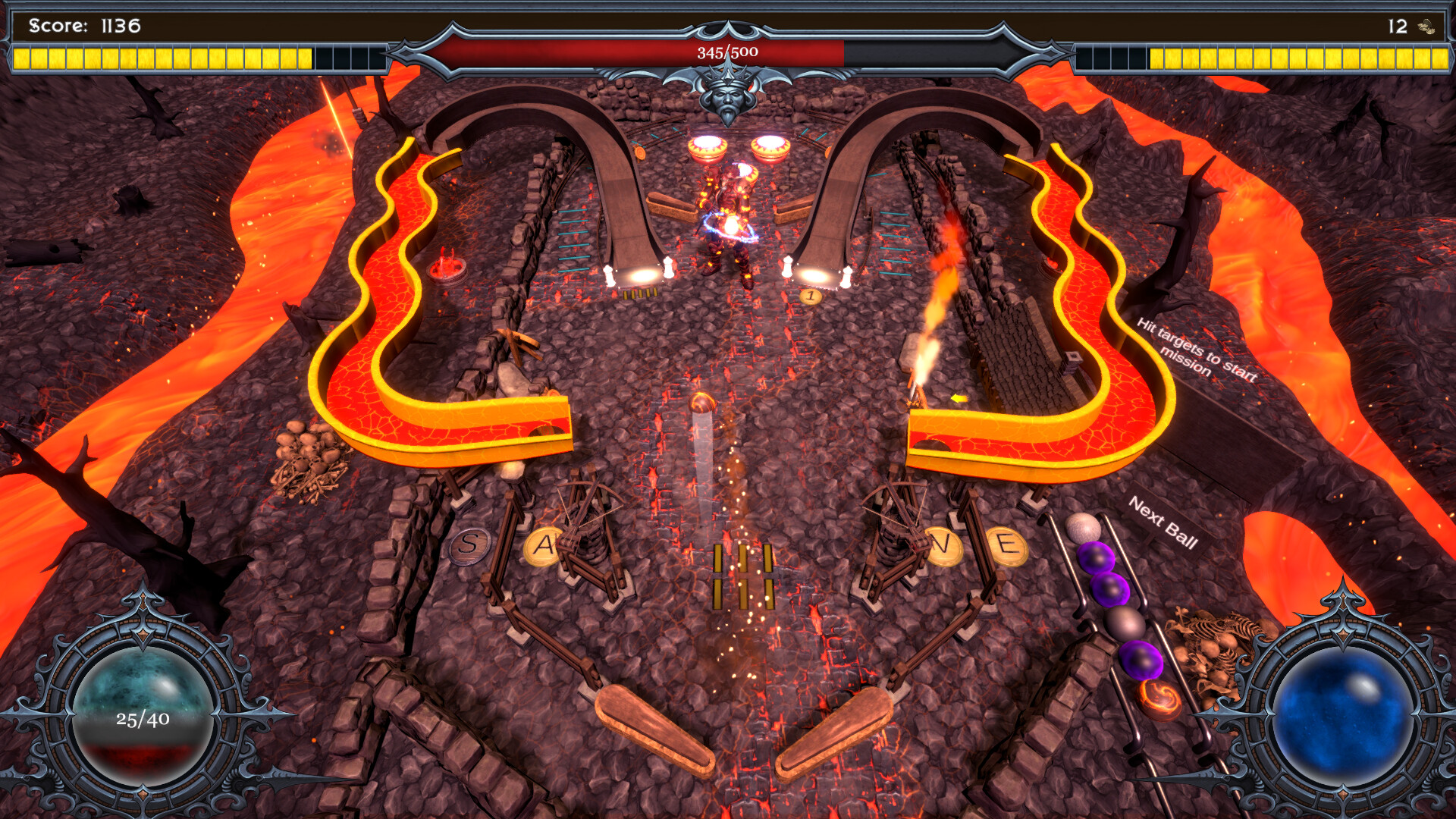
A ball rolls toward a bumper in Runix: Pinball Roguelike, and instead of the usual clack-and-bounce, it detonates into a spell that shreds an enemy’s health bar. That gap between expectation and result is what Runix is built around. Most “roguelike pinball” games bolt a run structure onto a table and call it a day. Runix, still unreleased and still being reworked a year into development, is trying something trickier: making the table itself the roguelike.
What Runix Actually Is

Strip away the marketing copy and Runix is a solo project from developer Meteor Forge, planned for a 2026 launch on Steam. The premise is simple on paper. Players control a mage tasked with restoring something called the “Pinball Order,” and they do it by building a “ball deck,” a collection of balls with different properties that get flung around a 3D table to fight monsters. Along the way, players collect artifacts described in the game’s own materials as creating “incredible synergies” that boost the mage’s powers, according to a press release distributed through GamesPress. The Steam and itch.io listings tag it as Casual, Indie, RPG, and Strategy, with a tagline that just says “roguelike 3D pinball,” according to both the itch.io page and the official Steam store listing. There are leaderboards to chase, runs to repeat, and a scoring structure familiar to anyone who has played pinball at a bar or in an arcade lobby.
None of that sounds unusual by itself. Deckbuilding, artifacts, mage lore — it reads like a checklist assembled from every roguelike that shipped in the last five years. The interesting part is buried in how those systems actually connect to the table, not in the words used to describe them.
The Flipper Changed Everything Once Already

Pinball has quietly rewritten its own rulebook before. The machine traces back to bagatelle, where players used a stick or plunger to send a ball across a sloped board dotted with pins and pockets, an early experiment in trajectory and table state rather than character stats or story beats, according to Wikipedia’s history of pinball. The real turning point reportedly came with the invention of the flipper, a single mechanical addition that is widely credited with pushing pinball from a game of pure chance toward a game of skill. Before flippers, a ball’s fate was mostly decided the moment it left the plunger. After flippers, players could redirect, aim, and extend a ball’s life through timing and angle alone.
That history matters for Runix because it reframes what pinball is at its core, one that has evolved by changing its own internal rules — plunger to flipper, static board to ramps and modes — rather than by importing systems from outside itself. Even in its earliest coin-operated days, the format already had a finite-resource run structure baked in: a fixed number of balls, a table that punished or rewarded based on where the last one landed, and a natural drive to try again.
Static Tables Versus Tables That Mutate

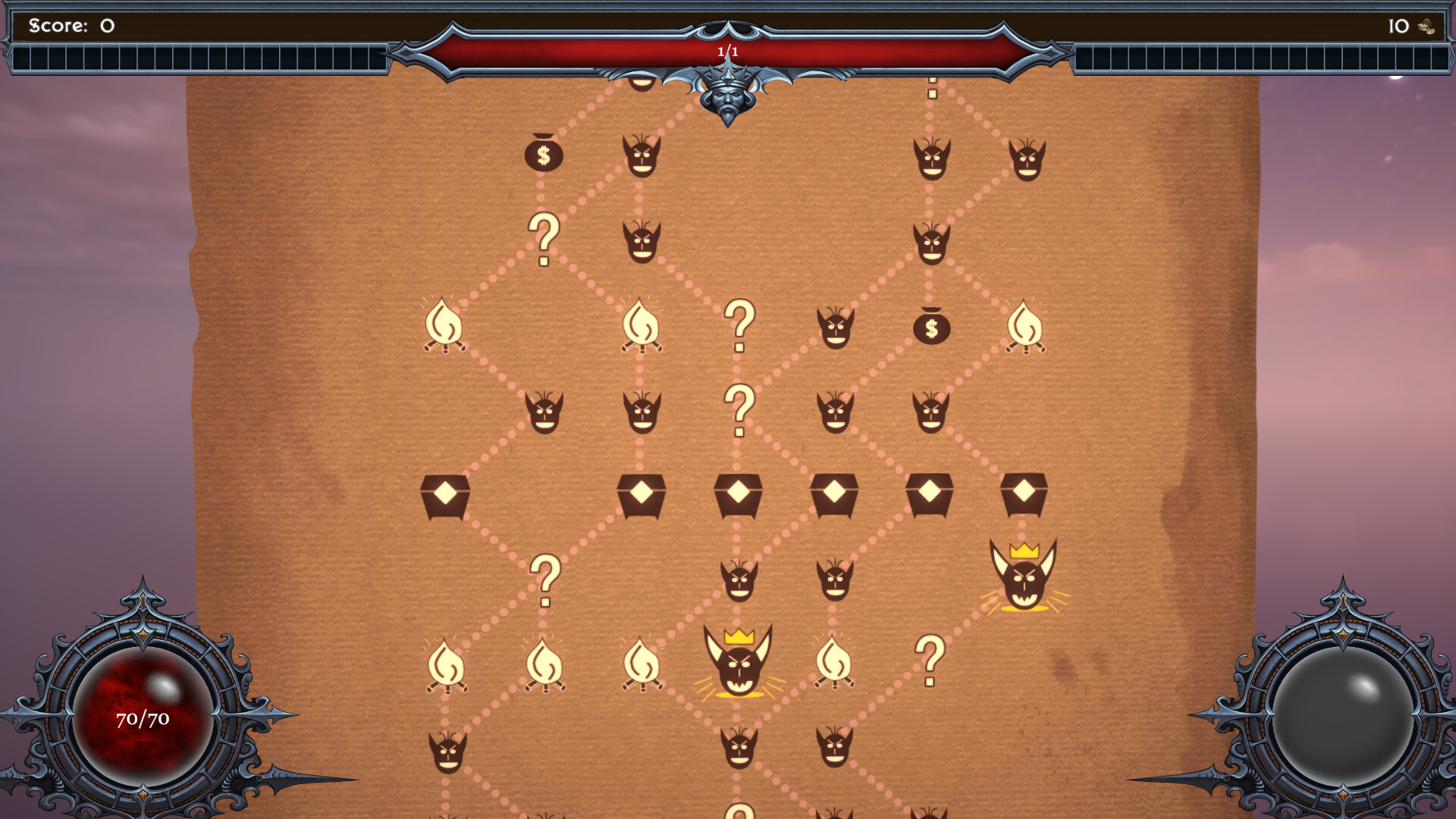

Most modern pinball hybrids keep that history at arm’s length. They treat the table as a fixed arena and hang the roguelike systems off to the side, in menus, card hands, or skill trees the player checks between shots. Recent coverage of the subgenre turns up plenty of that pattern, with other hybrids generally leaning on familiar RPG structure layered around pinball play rather than reshaping the table’s own physics.
Runix draws its identity from doing the opposite. Artifacts are described by the developer and early footage as altering how a ball bounces, what it triggers on contact, and how a table reshapes itself between fights. That is the difference between adding a system next to pinball and changing how the table itself behaves, the same grammar the flipper introduced decades ago, and Runix is betting that same feeling can carry an entire run, not just a single shot.
What the Demo Footage Actually Shows
Because Runix has not fully launched, most of what exists publicly comes from demo footage and early creator reactions rather than long feature interviews. One gameplay video labels the build as something close to a “new autobattler roguelike,” a description that suggests enemy responses and player effects resolve almost automatically once a ball is already in motion, based on a demo playthrough posted to YouTube. That label is telling. It means the moment of player agency is compressed into the shot itself, not spread across a menu players can pause and study.
One video breakdown highlights the one-on-one battles, noting that perks, abilities, and special balls change the approach to each fight in meaningful ways, according to a video covering the game. Another creator frames the whole experience as a “Pinball RPG,” walking through how shots can trigger spells and buffs and how players choose upgrades between encounters as a run progresses, in a video titled Runix Pinball Roguelike Is A Pinball RPG?! The recurring theme across all three reactions is that nobody describes tabbing away to a separate screen to make the real decisions, and the run’s identity keeps living inside the ball.
Development on the project has been public for at least a year. A developer post comparing footage from a single month against a full year of work shows visible improvements in physics, visual clarity, and combat readability, based on a progress comparison shared to r/pinball. SteamDB still lists the title as not yet released, confirming that the systems on display are being actively tuned rather than finalized, according to SteamDB’s tracking page.
The Harder Question Runix Is Asking

Strip away deckbuilders and skill trees, and a roguelike has to answer three questions honestly: what counts as difficulty, what counts as a build, and what counts as losing. Most genres answer those with numbers on a screen. Runix can only answer them through physics. Difficulty becomes a matter of restitution and table geometry. A build becomes a set of balls whose properties compound through actual collisions, not menu selections. Losing becomes a shot that misses by degrees, not a health bar draining in the background.
That constraint is what separates Runix from other pinball hybrids. Discussion in r/pinball suggests there is real curiosity about this exact question circulating among players, and the appeal of the combination seems to be reaching well beyond the hardcore roguelike crowd.
Runix has no release date more specific than 2026, no public promises beyond leaderboard chasing and a mage’s quest to restore an in-game order, and no guarantee it sticks the landing once full launch arrives. What it does have is a design premise: whether a roguelike can survive being translated entirely into timing, angle, and a table that keeps changing the rules on the player mid-run. If pinball earned its skill-game reputation by rewriting itself once before, the real question is whether Runix can pull off a second rewrite. Whether that design holds up under a full launch is the thing worth watching in 2026.
F.A.Q.
What is Runix Pinball Roguelike?
Runix: Pinball Roguelike is an upcoming indie game by Meteor Forge that combines pinball mechanics with roguelike elements. Players control a mage using a “ball deck” to battle monsters on a 3D pinball table. It features evolving tables and artifact synergies to enhance gameplay. Learn more on Steam.
When does Runix Pinball Roguelike come out?
Runix: Pinball Roguelike is planned for release in 2026 on Steam. The game is currently under development and aims to offer a unique pinball roguelike experience with evolving tables and strategic ball synergies. Check for updates on Steam.
Is Runix a roguelike?
Yes, Runix is a roguelike that integrates pinball mechanics as its core system. Players build a “ball deck” with unique properties, engaging in runs where tables and encounters evolve, offering strategic depth through artifacts and ball interactions. Find out more on Steam.
What platforms is Runix available on?
Runix: Pinball Roguelike is set to release on PC via Steam in 2026. There is currently no information on console availability, but the game is designed for a PC audience interested in pinball and roguelike mechanics. View the game on Steam.
What type of game is Runix?
Runix is a 3D pinball roguelike game that combines elements of strategy, RPG, and casual gameplay. Players use pinball mechanics to battle monsters, collect artifacts, and create powerful synergies while progressing through dynamically changing tables. Explore more on Steam.
Does Runix have permadeath?
While specific details on permadeath are not explicitly mentioned, Runix features a roguelike structure with runs and leaderboards, implying a high-stakes gameplay experience typical of the genre, where each run offers unique challenges and opportunities for strategic play. Learn more on Steam.
Is Runix worth it?
Runix offers a novel blend of pinball and roguelike mechanics, focusing on evolving table designs and strategic ball synergies. Its unique approach to gameplay makes it an intriguing option for fans of both genres looking for a fresh gaming experience. Read more on Steam.
BFG drafts articles with AI from our team’s own research, takes, and opinions — every piece is reviewed and edited by our staff.