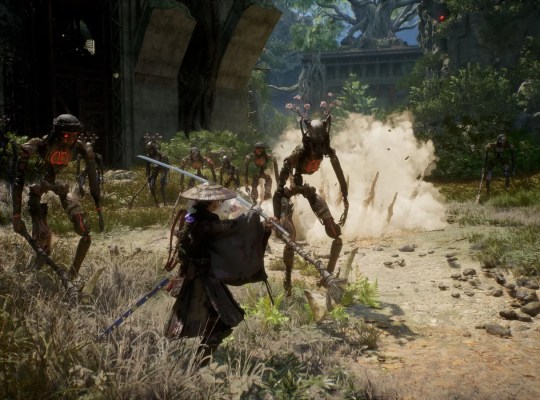
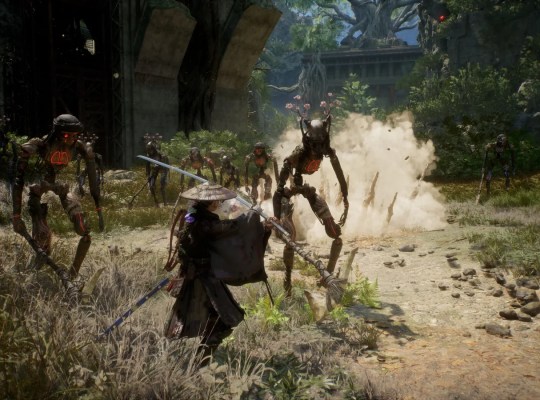
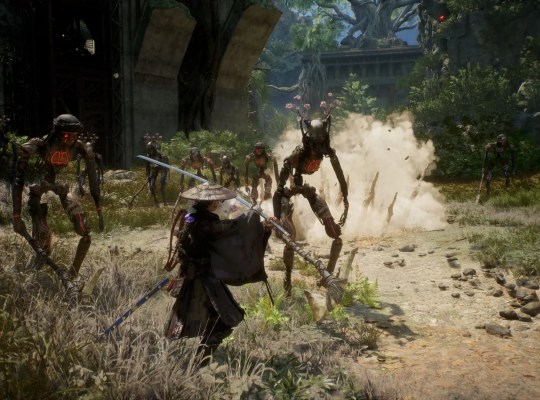
Three days after The Relic: First Guardian came out on July 30, 2026, a burned letter sits in a corner of Arsiltus that nothing on screen requires a player to read. No quest marker points to it. No objective updates when it’s picked up. It just sits there, waiting, and that silence is the entire pitch of the game.
The Relic: First Guardian — at a glance
Release date: July 30, 2026
Developer: Project Cloud Games / Perp Games
Store: Steam page
BFG tracking: Twitch peak 709 viewers · ~2,312 copies sold (est. via Gamalytic)
Project Cloud Games built its dark action RPG, rooted in Korean myth, around a simple, almost stubborn idea: the world of Arsiltus is not going to be handed over in a codex menu. It has to be dug up. Minute to minute, that means fast, punishing Soulslike combat against more than 70 Brutals, gear where every weapon and armor piece is a unique, one-of-a-kind item, and a relic system with over 70 passive effects that doubles as both a build calculator and a history book. None of these systems exist in isolation. Every fight, every drop, every shard of armor is quietly asking the player to pay attention to something bigger than the swing of a sword.
A Land of Death, Built From Whispers

The catastrophe that gives all that combat its weight is simple to summarize and hard to fully absorb. The Great Relic that once protected Arsiltus was shattered, tearing a hole in reality and pouring in a corrupting force known as the Void. What was once a prosperous continent became, in the game’s own framing, a land of death. That much is easy to state in a sentence. What is harder, and clearly intentional, is that the game refuses to state it in a cutscene. The backstory arrives in fragments, stitched together from wind-borne whispers, scattered diaries, and item flavor text that a player can walk past without a second glance. A player could clear a Brutal’s arena without ever reading the shield description that explains why that Brutal exists at all — the game simply lets that happen, for better or worse.
Brutals as Folktales, Not Loot Piñatas
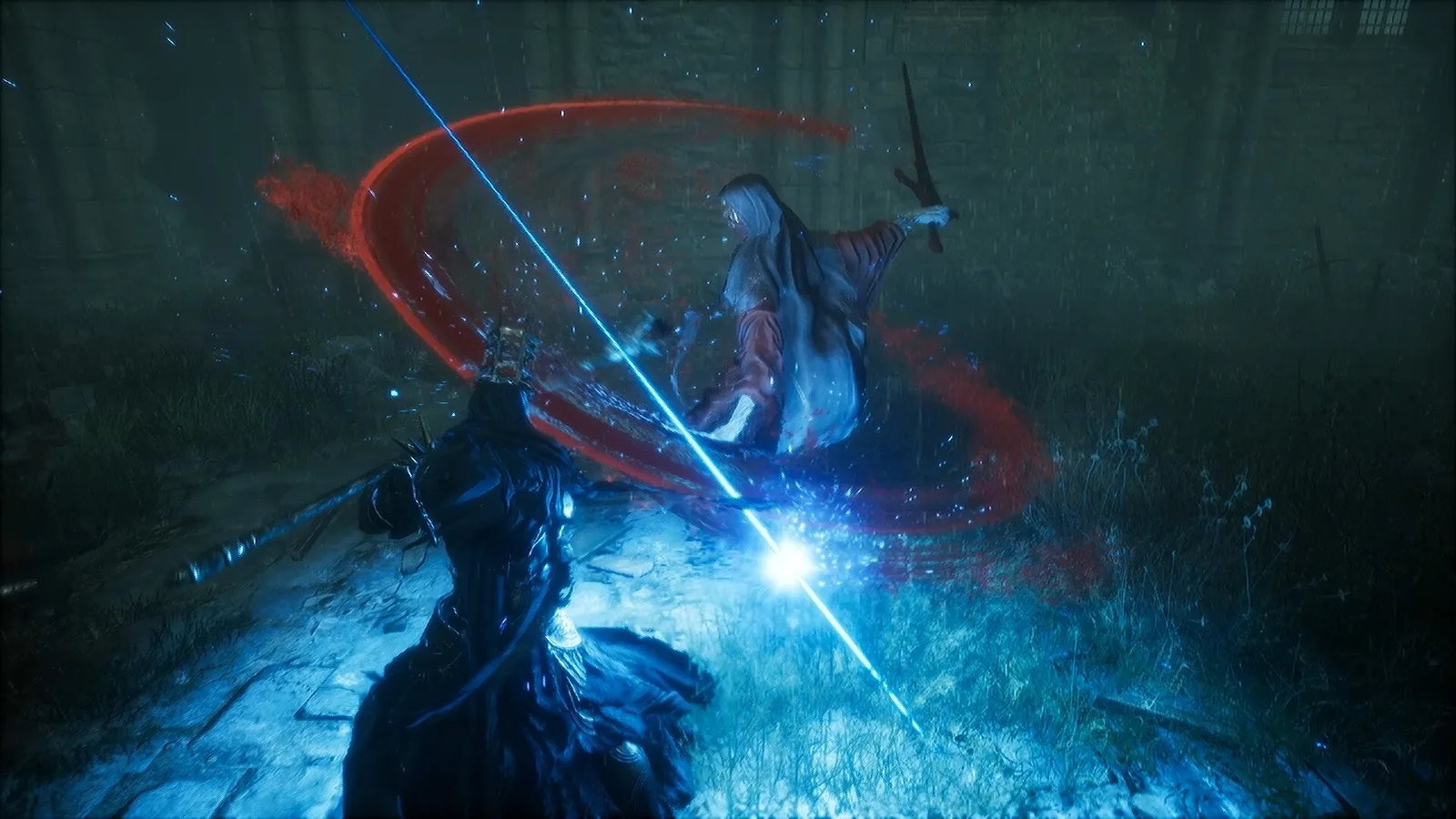
The clearest proof of this bet sits in the Brutals themselves. These are not reskinned punching bags waiting to drop a crafting material. Perp Games has described them as standalone folktales, each one a tragic figure shaped by the Void’s corruption, such as a father driven to madness by starvation. There is no pre-boss monologue explaining that grief. The game trusts the fight itself, and whatever scraps of context a player has gathered beforehand, to carry the emotional weight. Win or lose, the Brutal’s story only becomes legible if the player has bothered to look for it elsewhere first.
That trust extends to the relic system, which the developer frames less as a stat sheet and more as inherited memory. Relics are described as fragments carrying the emotions and wishes of people who lived in Arsiltus before its fall, and collecting them is how a Guardian grows stronger. Character progression and cultural archaeology become the same act, which is a clever bit of mechanical sleight of hand. A player chasing a better build is, whether they notice or not, also assembling a partial history of a dead world.
The Steam Page Admits the Bet
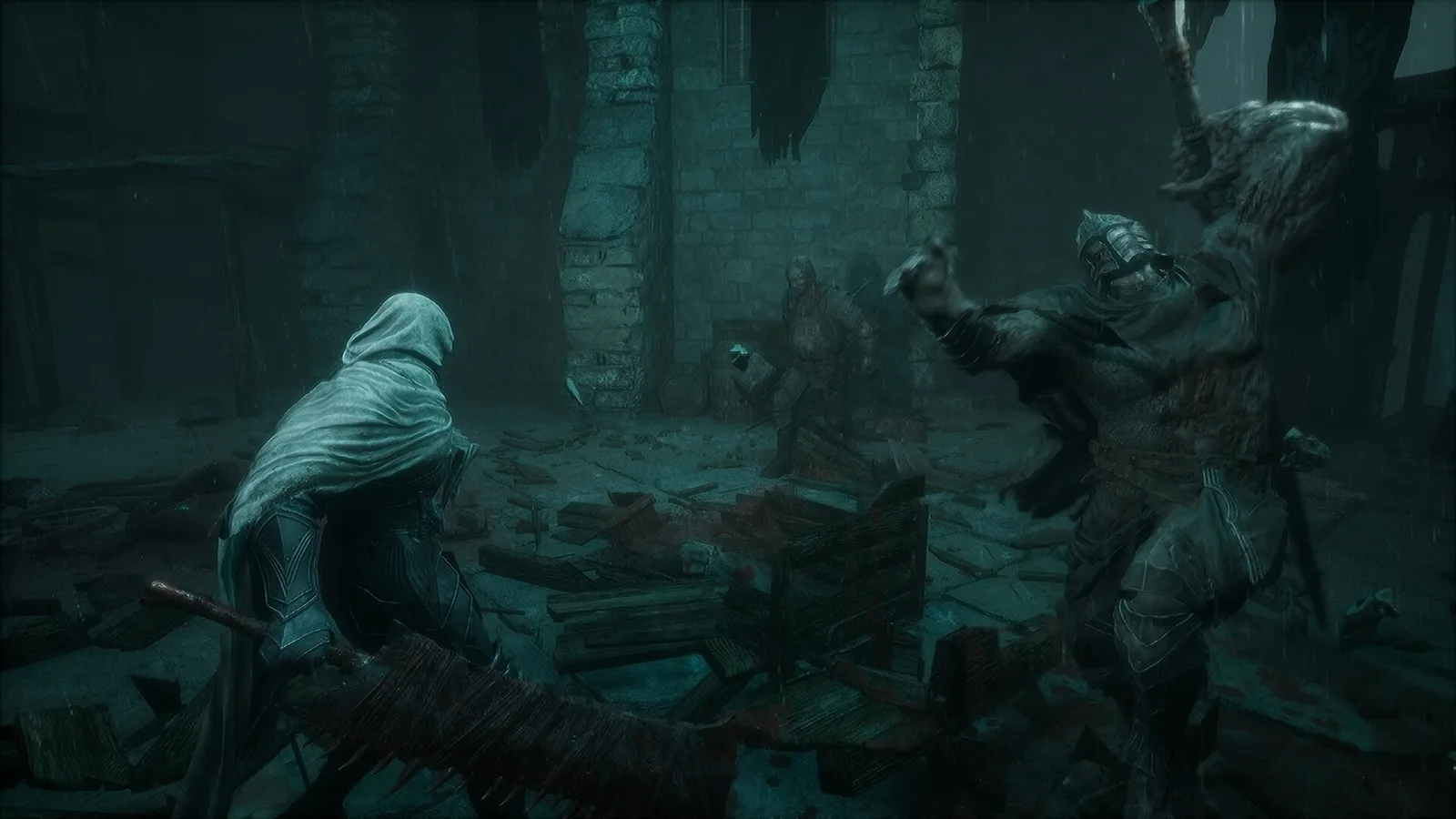
The game’s own marketing copy makes the design philosophy explicit in a way that few store pages bother to. Steam describes Arsiltus simply as the setting for “a dark action RPG rooted in Korean myth, with brutal, fast combat,” a short pitch that undersells just how much of the world’s history is left for players to piece together on their own. The main story, as delivered through direct narrative beats, is incomplete by design. The rest is legwork, and the developer seems to expect players to do it rather than hiding that fact. It’s worth noting how much of that legwork the relic system quietly absorbs. With more than 70 passive effects to find rather than unlock from a fixed tree, the game swaps the familiar ritual of spending points at a menu for something closer to scavenging: a build only comes together if a player has gone looking for the pieces of it scattered across the map. The world isn’t withholding information out of laziness. It is withholding information because finding it is supposed to be the reward.
Borrowing a Method, Not Inventing One


None of this is new territory, and Arsiltus does not pretend otherwise. The lineage runs straight through Dark Souls and Elden Ring, where item descriptions, ruined architecture, and cryptic NPC dialogue have long asked players to reconstruct a fallen world themselves rather than receive it pre-packaged. Hollow Knight did much the same with its scattered lore tablets and half-remembered kingdoms. What makes Arsiltus notable is not the method itself but the timing of the bet. Three days into launch, in an environment where clip culture and algorithm-friendly highlight reels tend to reward whatever can be explained in fifteen seconds, Project Cloud Games is wagering that a world worth digging through still has an audience.
That is a riskier proposition now than it was a decade ago. A codex would have been the safer choice, a tidy menu where curious players could look up the Great Relic’s destruction without hunting for a burned letter in a corner of the map. Arsiltus chose the harder path instead, betting that the players willing to read the letter, translate the whisper, and connect the diary entry to the boss they just fought are the ones who will still be discussing this game a year from now, long after a wiki has mapped out every secret for anyone who wants the shortcut.
That bet can really only be made once, at launch, before community wikis and guides do the excavation for everyone else. Whether Arsiltus rewards the players who chose to dig on their own, or simply gets flattened into a checklist the moment the internet finishes cataloguing it, remains an open question.
📬 Get The BF5 — Best F’ing 5 games you missed this week, every Saturday, plus key giveaways. Subscribe free →
F.A.Q.
When did The Relic: First Guardian come out?
The Relic: First Guardian came out on July 30, 2026. The game is available on both PC and PlayStation 5, and it offers a dark action RPG experience rooted in Korean myth, featuring fast-paced combat and immersive storytelling.
What platforms is The Relic: First Guardian on?
The Relic: First Guardian is available on PC and PlayStation 5. The game features full controller support, making it accessible for players who prefer using a gamepad while exploring the world of Arsiltus.
How much does The Relic: First Guardian cost?
The Relic: First Guardian is priced at $49.99. This pricing positions it as a mid-range indie action RPG, offering a unique gameplay experience for fans of the genre.
What type of game is The Relic: First Guardian?
The Relic: First Guardian is a dark action RPG rooted in Korean mythology. It features fast, tactical combat, a rich lore-driven narrative, and a boss-heavy gameplay structure that challenges players to uncover the tragic stories of the world.
Does The Relic: First Guardian have co-op?
No, The Relic: First Guardian is a single-player game. Players assume the role of the First Guardian, exploring the lore of Arsiltus and battling its tragic bosses, known as Brutals, without cooperative multiplayer options.
Is The Relic: First Guardian a souls-like game?
Yes, The Relic: First Guardian is considered a souls-like game. It features challenging combat, intricate boss fights, and a narrative style that encourages players to piece together the lore through exploration and item descriptions.
BFG drafts articles with AI from our team’s research and verified store data — every piece is fact-checked and runs a multi-stage editorial review before publishing.