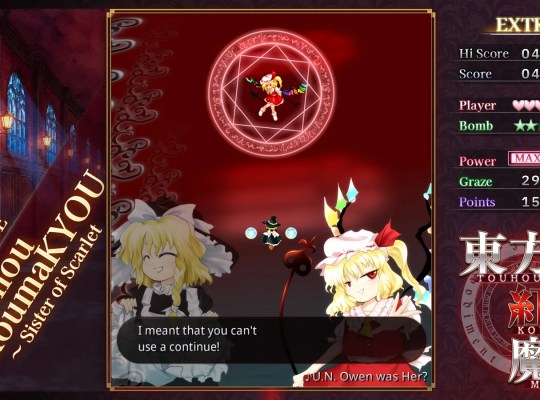
Scroll to the Touhou Koumakyou: New Classic – the Embodiment of Scarlet Devil Steam page and something looks off before a single price registers. The store is selling “New Classic.” It is also, somehow, handing over “Classic.” Two games, one purchase, and a naming scheme that reads like a riddle. That confusion is the perfect entry point, because the real story of this remaster isn’t whether it plays well. It’s what buyers are actually paying for when a game that fans have treated as free for two decades suddenly comes with a price tag and a deluxe tier.
Touhou Koumakyou: New Classic – the Embodiment of Scarlet Devil — at a glance
Release date: September 9, 2026
Developer: 上海アリス幻樂団 / Alliance Arts
Store: Steam page
BFG tracking: ~192,305 wishlists (est. via Gamalytic)
A Global Launch Fans Didn’t See Coming
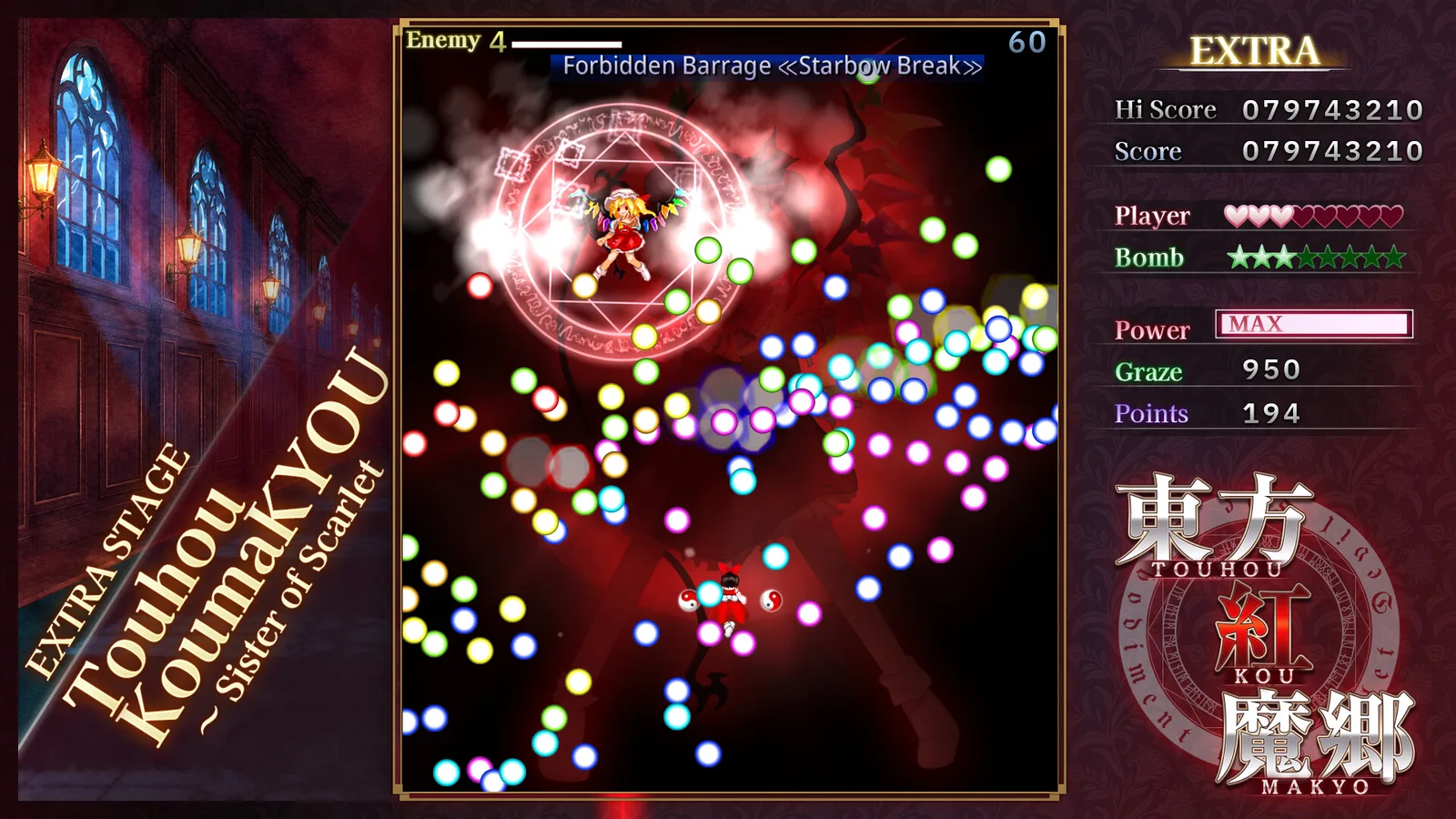
The news itself is straightforward. Touhou Koumakyou: New Classic reportedly launches worldwide on September 10, 2026, arriving simultaneously on Nintendo Switch, Switch 2, PlayStation 5, and Steam, with support for multiple languages. That date is the consensus across Nintendo Difference, Touhou Garakuta, Game*Spark, SpotGeeks, and Gamemeca, though Steam’s own store listing lists September 9 as a minor outlier worth flagging. Either way, this is the kind of game fans used to hunt down through mirrors, forums, and word of mouth, not the kind of thing Nintendo would ever put front and center in a Direct. Yet that’s exactly what happened when the game showed up during Japan’s June 9, 2026 Nintendo Direct, ahead of its September 10, 2026 release, according to Nintendo Difference.
Anyone who spent college nights squinting at a CRT monitor, dodging pink bullet patterns in a fan-translated .exe downloaded from some forgotten forum thread, knows how strange that Direct appearance feels. Embodiment of Scarlet Devil wasn’t built for an audience outside Japan. It was built for Comiket tables and floppy disks passed between friends.
Why the Platform Jump Is the Real Headline
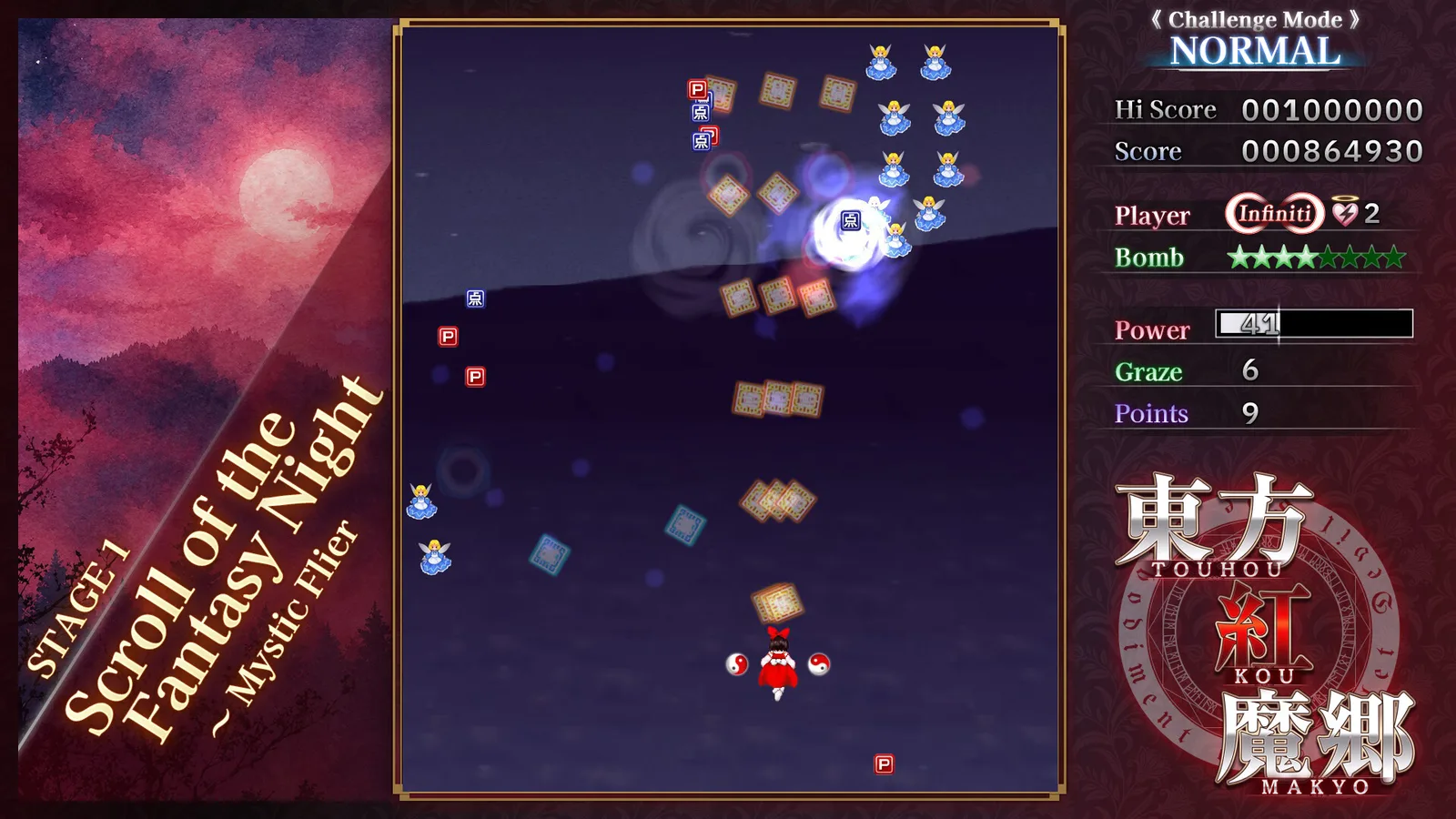
The original Embodiment of Scarlet Devil reportedly began life as a Windows-only game circulated in Japan, well before any official global distribution existed. There was no global digital storefront, no console release, no official translation. Most of today’s international Touhou fanbase has only ever experienced it through fan patches, community mirrors, or emulation. A worldwide, simultaneous, multi-language release isn’t a footnote to this story. It’s the actual headline, because it marks the first time the game that started the entire Touhou franchise gets an official, sanctioned front door for players outside Japan.
Think of it like the difference between a sumo match on a seesaw and one on an actual ring: same basic contest, completely different footing. For years this game passed hand to hand like a photocopied zine, ownership blurry, nobody really in charge of it. Now it’s sitting on the Switch eShop next to everything else Nintendo sells, with an official price and an official seal on it. The graphics got a polish. Who’s actually holding the keys changed a lot more.
What the Money Actually Buys
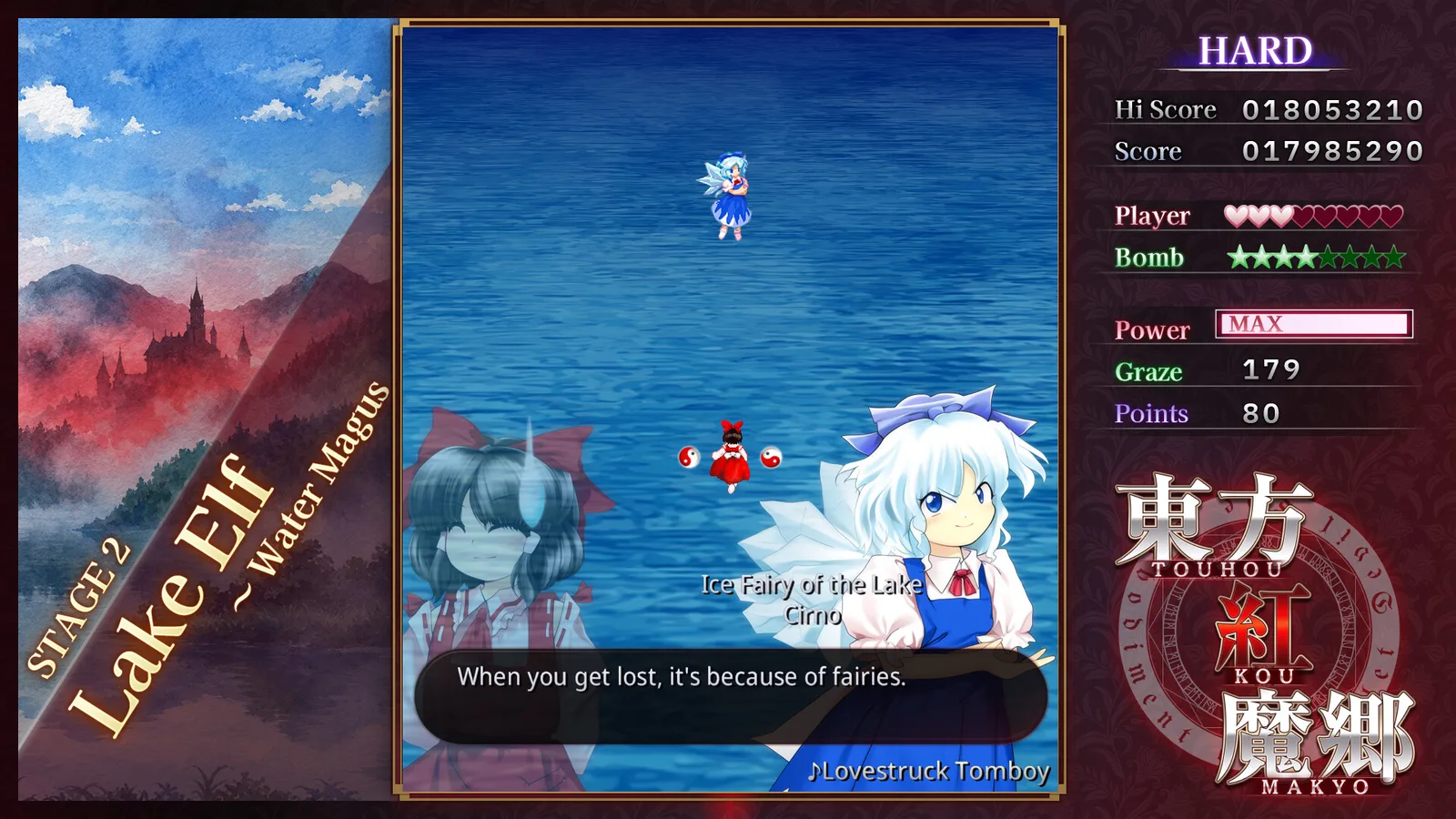
Now the price tag. The standard edition runs 1,990 yen, roughly $12 to $13. The deluxe edition costs 2,966 yen, close to $18. Standard buys modernized visuals, a soundtrack ZUN re-recorded specifically for this release, and an infinite-life mode aimed at players who never want to see a continue screen. Deluxe adds a digital soundtrack and a sound player app, essentially an upsell built around music rather than gameplay. Two coffees and change gets a fully dressed-up bullet hell shooter with a fresh coat of audio-visual polish. That’s a fair price by modern indie standards, sitting comfortably below full-price console games and in line with other retro remasters.
The Bundling Sleight of Hand
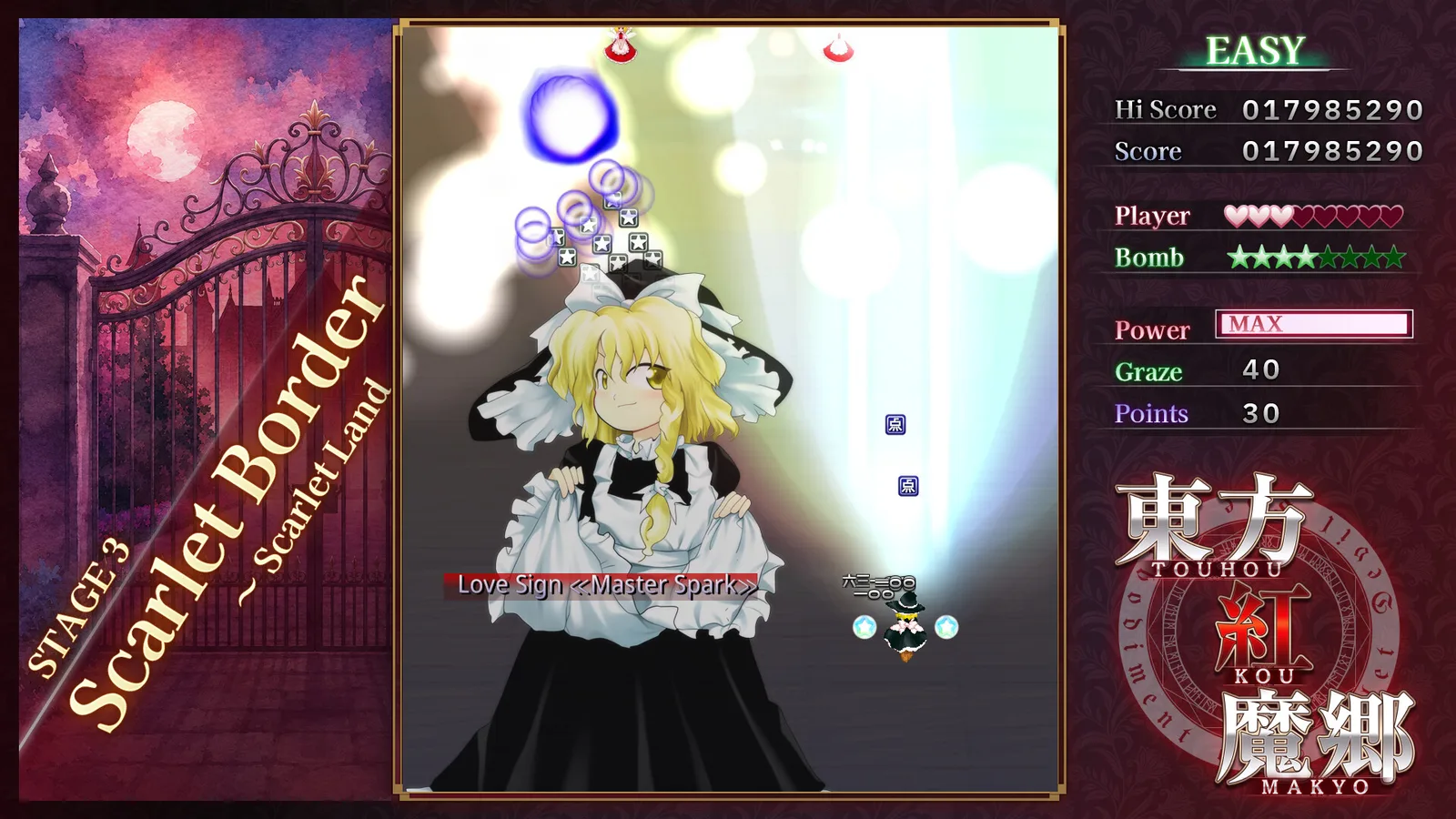
Here’s where things get interesting. Classic, the version built to be “as faithful as possible” to the original, isn’t sold on its own anywhere. It can’t be purchased separately. It only exists as something that rides along for free when someone buys New Classic. A detailed breakdown from Capriem Touhou confirms this directly, stating plainly that only New Classic is sold, and Classic comes bundled at no extra cost. That’s a strange inversion. The thing longtime fans already treat as public-domain nostalgia, the original game they’ve been quietly circulating for years, is now the free bonus. It’s not the product being sold. It’s the loss-leader sitting next to the real transaction.
The Same Playbook, Applied to a Different Kind of Fandom
Strip away the Touhou branding and this looks like every other remaster released in the past decade. Modern resolution support, controller compatibility across DualShock and DualSense, cloud saves, achievements, and a soundtrack tier for the completionists. It’s the standard formula, dressed in Reimu’s red and white. What makes it worth pausing on is the franchise it’s being applied to. Touhou’s entire culture was built on the opposite instinct: free circulation, fan remixes, zero official gatekeeping. ZUN famously let fans build an enormous derivative economy around his work with minimal interference. Automaton’s coverage frames this release as ZUN revisiting his own earliest Windows game with the benefit of hindsight, calling it a remake by “an older and wiser” creator, per Automaton. That framing matters. The money isn’t really being asked for the bullet hell itself. It’s being asked for curation, localization, and the console-shaped polish that turns an old doujin release into something Nintendo will put on a store shelf next to everything else.
What Everyone’s Actually Googling
Search interest around this release keeps circling the same question, visible even in threads like the one on Reddit where fans convert yen to dollars before debating anything else. Nobody’s asking if the remake is good. They’re asking what exactly they’re paying for. The plain answer: for about the price of two coffees, nobody is buying an old freeware game as-is. They’re buying ZUN’s own updated take on how that game should sound and feel in 2026, wrapped in official translation, console support, and a soundtrack polish job the original never had. So here’s the honest version: if you’re the type who still has that old fan-patched .exe sitting in a folder somewhere, you’re not being asked to replace it. You’re just being offered a shinier front door, for less than the price of a night out — take it or leave it.
📬 Get The BF5 — Best F’ing 5 games you missed this week, every Saturday, plus key giveaways. Subscribe free →
F.A.Q.
How much does Touhou Koumakyou: New Classic cost?
Touhou Koumakyou: New Classic has a standard edition priced at 1,990 yen (approximately $12-$13) and a deluxe edition available for 2,966 yen (around $18). The deluxe edition includes additional music content, while the standard edition offers updated visuals and gameplay enhancements.
When does Touhou Koumakyou: New Classic come out?
Touhou Koumakyou: New Classic is set to launch on September 10, 2026, across multiple platforms including Nintendo Switch, PlayStation 5, and Steam. The game will be released simultaneously worldwide, marking a significant milestone for the franchise.
What platforms is Touhou Koumakyou: New Classic on?
Touhou Koumakyou: New Classic will be available on Nintendo Switch, Nintendo Switch 2, PlayStation 5, and PC (Steam). This multi-platform release aims to reach a wider audience than the original game, which was primarily available in Japan.
Is Touhou Koumakyou: New Classic worth it?
Yes, Touhou Koumakyou: New Classic offers modernized graphics, a re-recorded soundtrack by ZUN, and enhanced gameplay features for a low price. For fans of the original or newcomers, it provides a polished experience at an accessible price point.
Does Touhou Koumakyou: New Classic have controller support?
Yes, Touhou Koumakyou: New Classic supports various controllers, including DualShock and DualSense controllers. It also features keyboard-only options, making it accessible for players who prefer different input methods.
Is there a free version of the original game included?
Yes, purchasing Touhou Koumakyou: New Classic automatically includes the Classic version at no extra cost. The Classic version is a faithful representation of the original game and cannot be purchased separately, serving as a bonus for buyers of the New Classic edition.
BFG drafts articles with AI from our team’s research and verified store data — every piece is fact-checked and runs a multi-stage editorial review before publishing.