Medieval Horse Dealer Simulator is out now from One Slice of Pizza Games, and it wants players to know something up front: the road back to nobility does not run through a sword fight. It runs through a horse pen. This is a revenge story wrapped inside a management sim, and the pitch is stranger and more layered than the name suggests. What looks like a simple horse trading game on the surface actually unfolds into a sprawling medieval economy, one built on breeding charts, feed recipes, and mercenary contracts.
Medieval Horse Dealer Simulator — at a glance
Release date: August 17, 2026
Developer: One Slice of Pizza Games
Store: Steam page
BFG tracking: ~648 copies sold (est. via Gamalytic)
From Disgraced Baron to Stable Owner Starting From Nothing
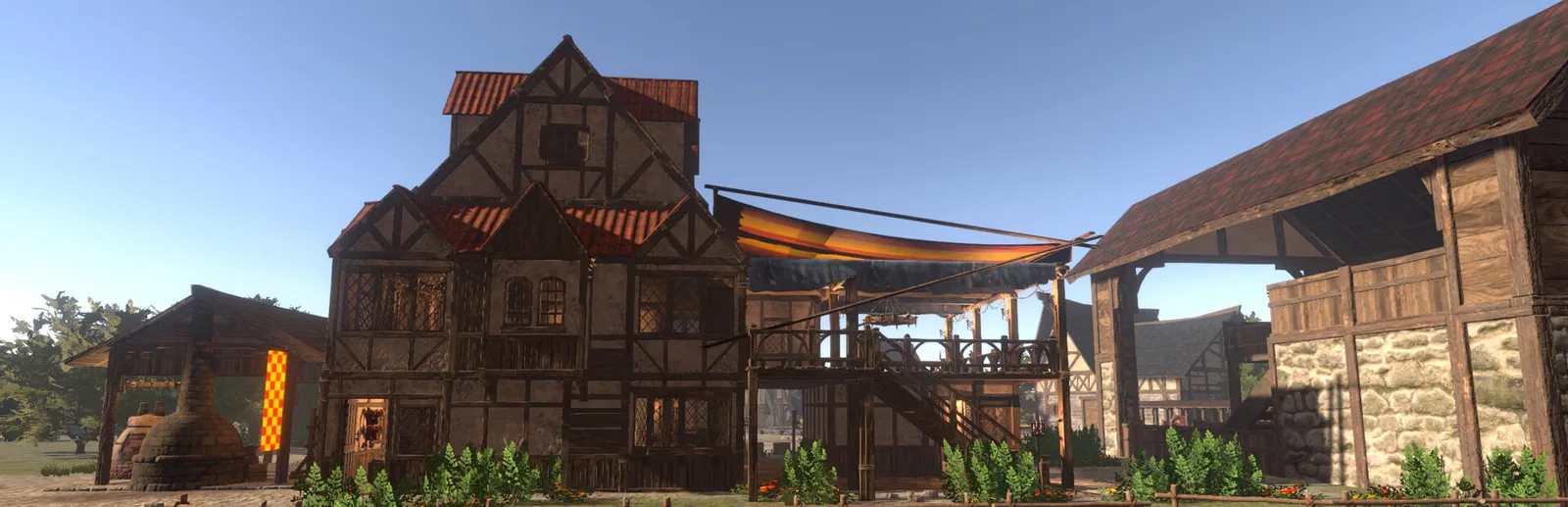
The setup reads like the opening act of a fantasy novel. A respected baron gets betrayed by a vassal he trusted, loses his title, his land, and nearly everything else, then flees across the sea with only a few coins in his pocket. That’s a rough way to start a game, and it is meant to be. Players land in a remote foreign territory and buy a rundown stable, which becomes the seed of an entire comeback story.
The strength of this framing is that it gives every stable chore a bigger purpose. Shoveling out stalls and mixing feed might sound tedious on paper, but the game ties those small tasks to a much larger goal: gathering enough wealth and military strength to sail home, confront the usurper, and take back the family name. It’s a smart narrative trick, turning a business sim into something closer to a slow-burn revenge plot.
The Core Loop Puts Horses Front and Center
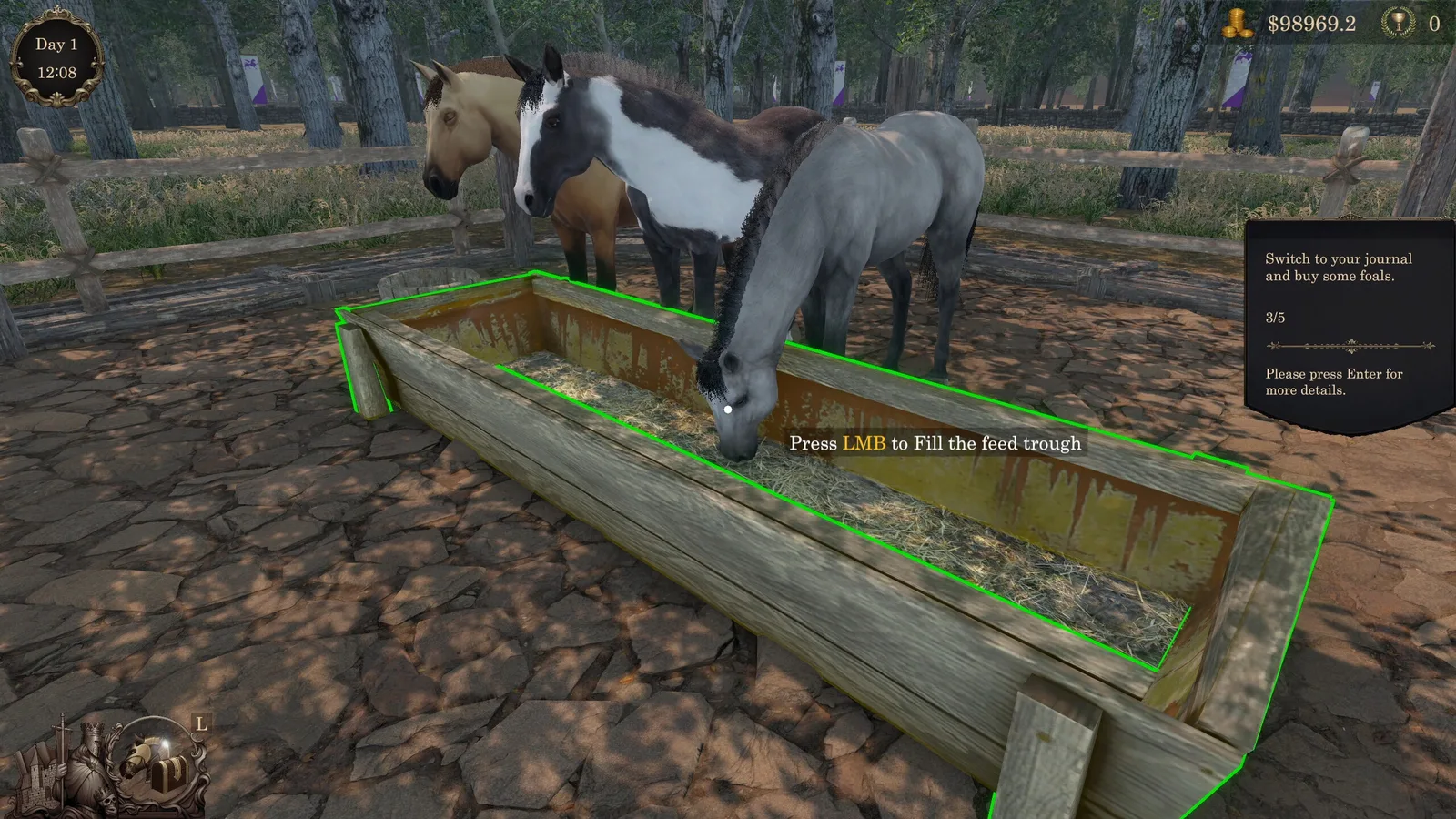
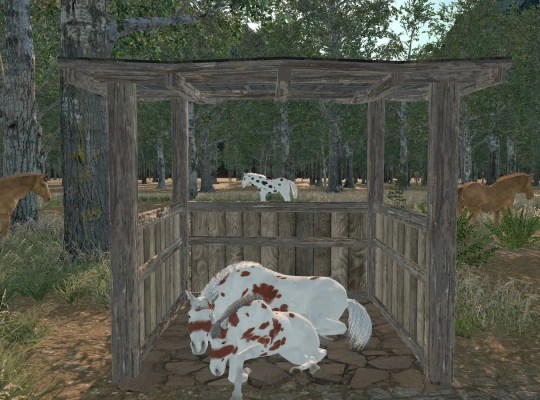
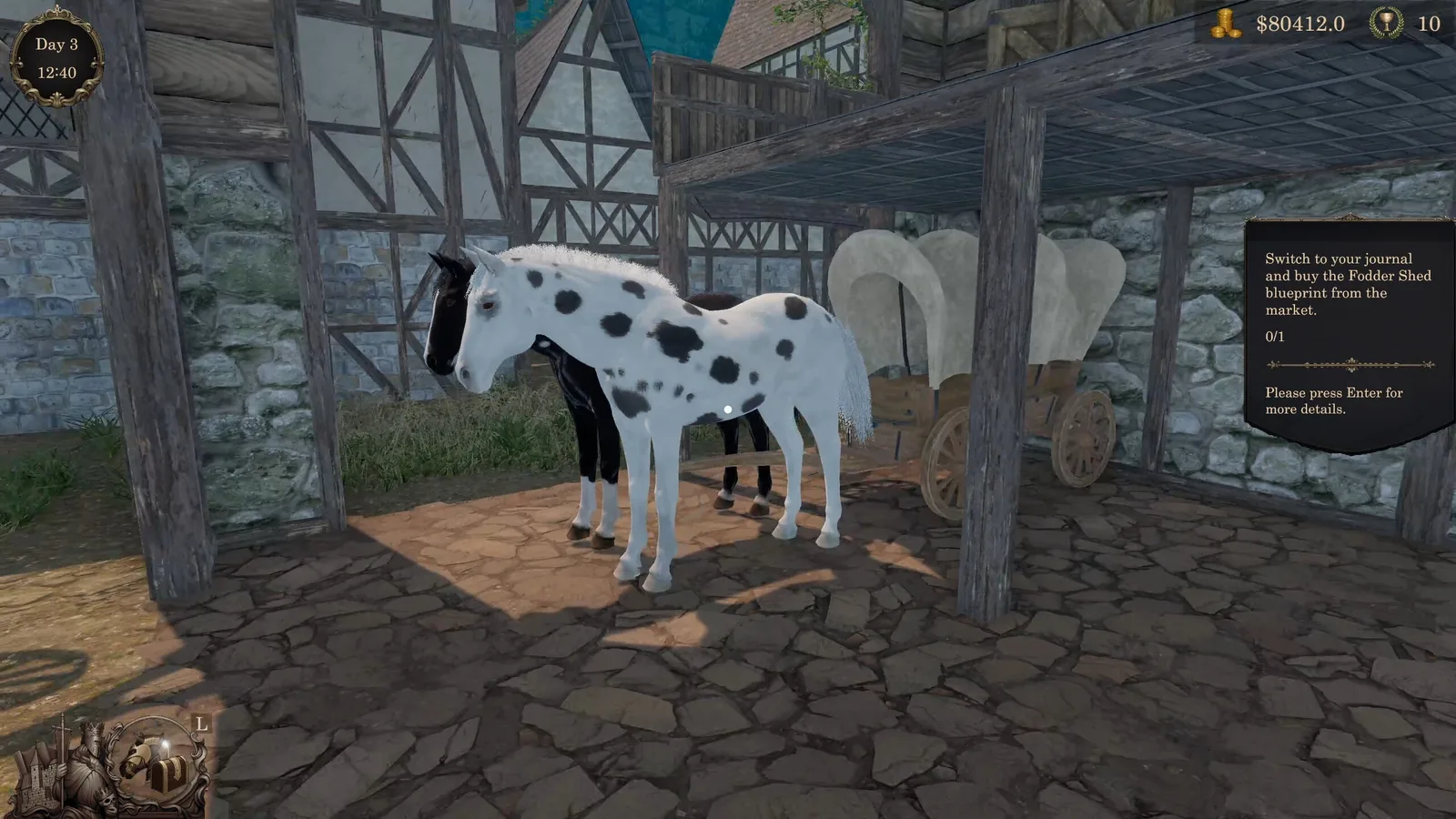
At its heart, this is a horse game first. Breeding, feeding, and training form the daily rhythm, and everything eventually points toward selling or auctioning off horses for profit. Feed formulation plays a bigger role than it might seem. Players have to grow crops, cut grass, and experiment with feed recipes, and the quality of that feed directly affects how healthy and valuable a horse becomes.
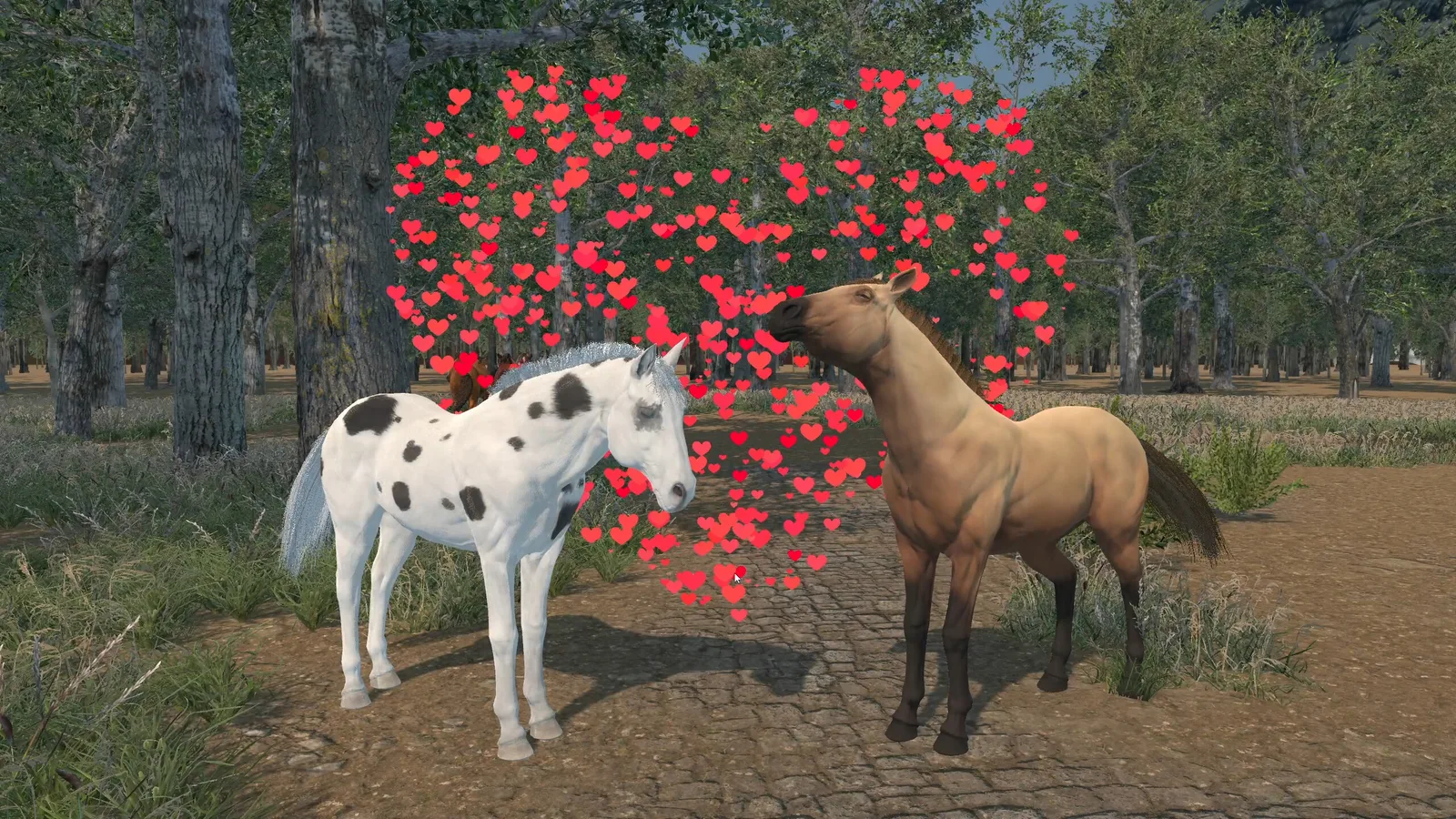
Breeding is where the systems get genuinely deep, and it starts with the game splitting horses into distinct roles, including racehorses, war horses, and draft mounts. That distinction matters because training methods and market demand shift depending on what kind of horse a player is raising. Traits carry across generations, so a strong bloodline built early can pay off for years of in-game time. Combining bloodlines opens the door to rarer, more powerful horses, which rewards players who treat breeding like a long puzzle rather than a quick transaction.
Beyond the Stable: Building a Full Medieval Economy
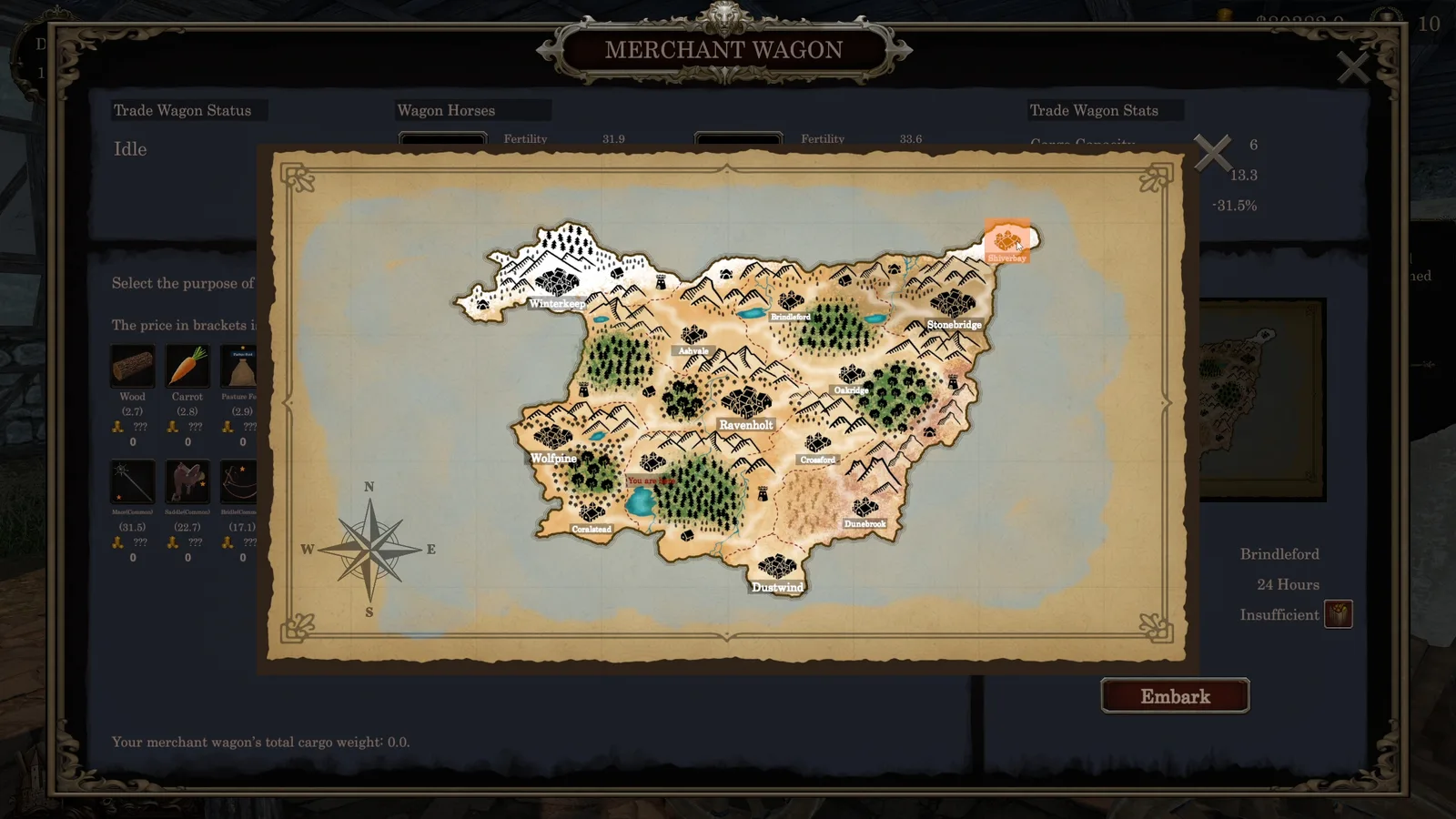
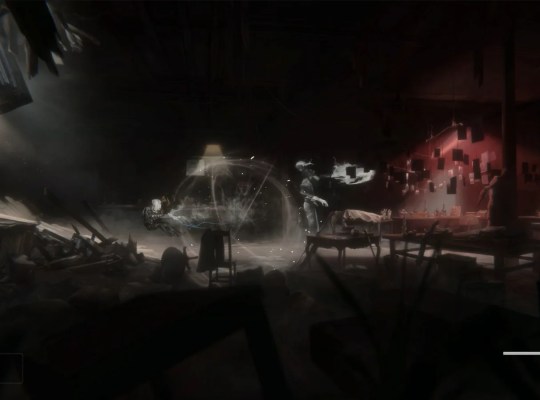
Just when the horse loop feels fully explained, the game opens up into something much bigger. There’s a mercenary system, where villagers can be recruited and trained into different troop types, and those troops can take on contracts from local lords, which folds a political and strategic layer on top of what started as a horse trading sim. Merchant caravans add another income stream, letting players open trade routes between towns instead of relying only on horse sales.
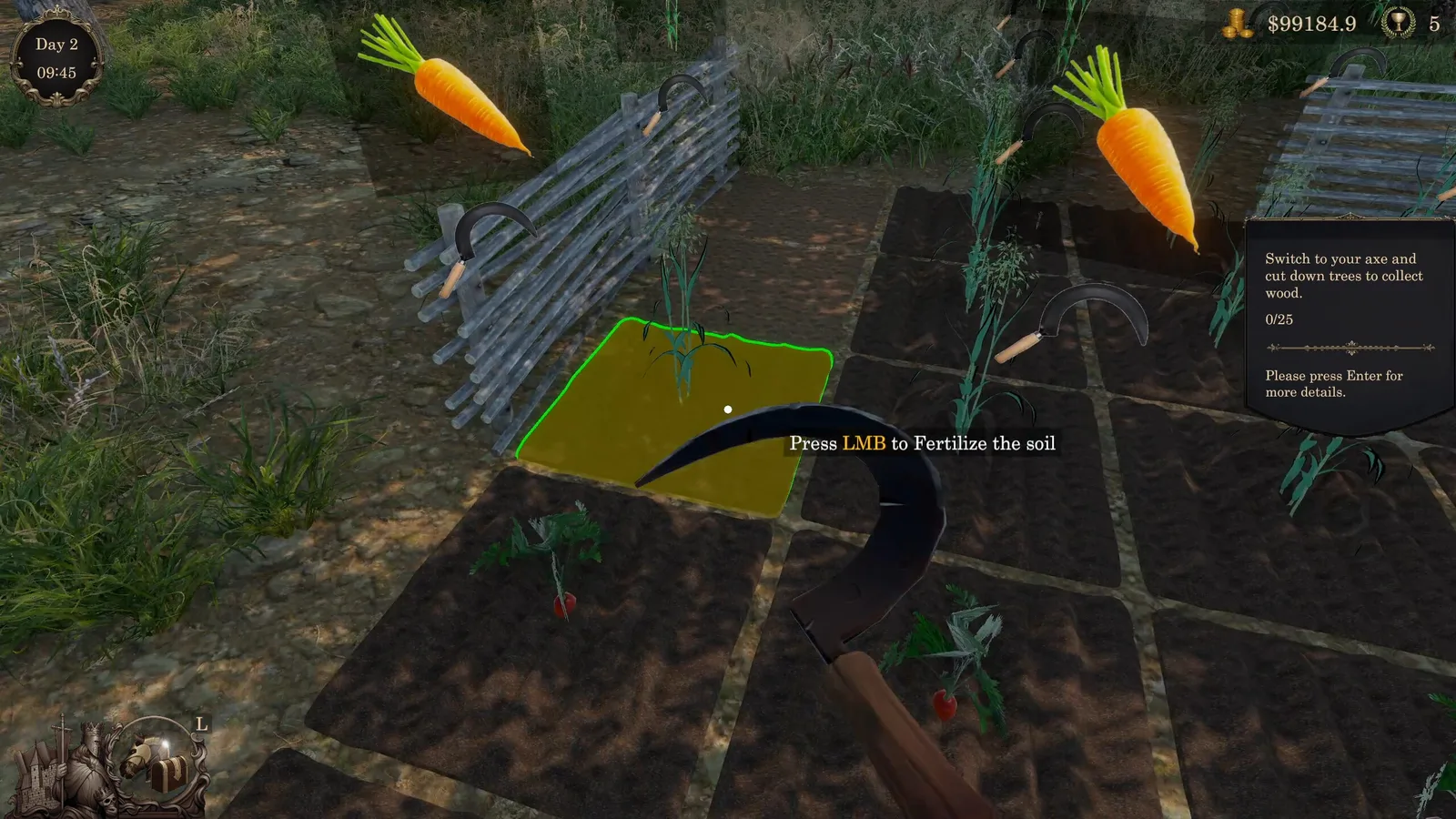
Farming and crop planting exist to keep feed production steady, but they also tie into a broader web of resource gathering. Mining ore feeds a player-run blacksmith shop, where weapons, armor, and gear can be forged for sale or handed off to hired mercenaries. It’s a lot of moving parts.
What Sets Medieval Horse Dealer Simulator Apart
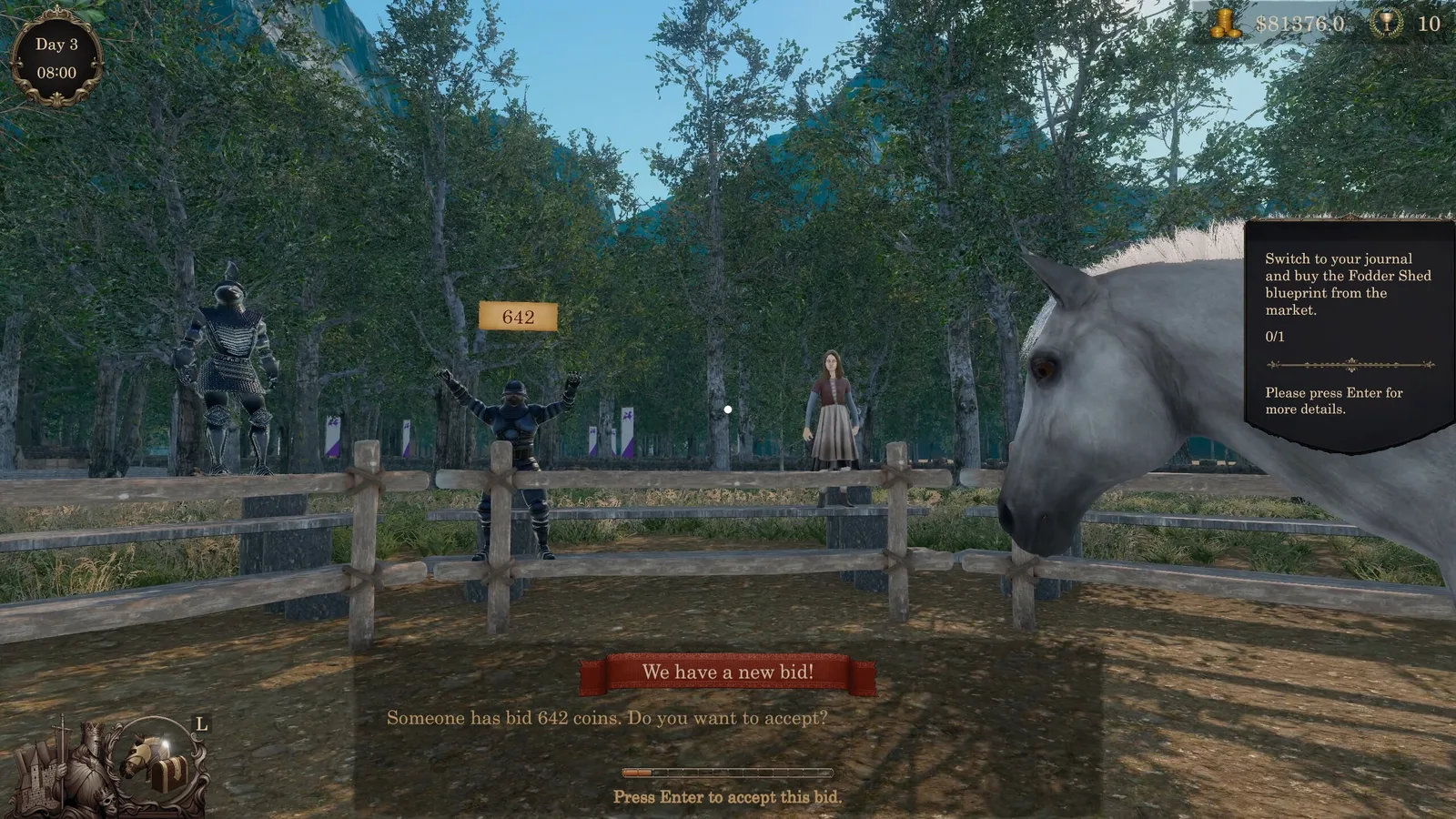
Horse commerce rarely serves as the backbone of a medieval life sim, so building the entire economy around breeding and horse commerce already makes this one stand out. Layer in mining, blacksmithing, farming, and mercenary contracts, and the scope becomes unusually wide for the genre.
What ties it all together is the revenge narrative sitting underneath the systems. Instead of open-ended management with no real destination, every stable upgrade and every trade route feels like a step toward a specific outcome: reclaiming a stolen title. That throughline gives the sandbox structure a sense of purpose that a lot of similar sims tend to lack.
Where Can You Get Medieval Horse Dealer Simulator?

Medieval Horse Dealer Simulator came out on Aug 17, 2026, and it is available now on Steam. It’s a single-player experience, with Steam Achievements and Family Sharing support included for those who want to track progress or share the game with others in their household.
Players who enjoy layered management sims with a long-term payoff will likely find plenty to dig into here, especially anyone drawn to breeding and optimization mechanics that reward patience over quick wins. Anyone who has ever raised a prize animal from scratch, watching years of careful choices pay off in one strong bloodline through careful trait inheritance, will recognize that same satisfaction dressed up in medieval armor.
📬 Get The BF5 — Best F’ing 5 games you missed this week, every Saturday, plus key giveaways. Subscribe free →
F.A.Q.
When did Medieval Horse Dealer Simulator come out?
Medieval Horse Dealer Simulator came out on Aug 17, 2026, and is available now on Steam. It launched as a single-player title with Steam Achievements and Family Sharing support already included at release.
Is there a Medieval Horse Dealer Simulator demo?
A demo has circulated ahead of launch letting players try a smaller version of the loop, including a shop, stables, and crop planting. It offers a taste of feeding, caring for horses, and early training before diving into the full game’s breeding and economy systems.
What type of game is Medieval Horse Dealer Simulator?
It’s a single-player medieval management simulator centered on horse trading, breeding, and stable ownership. Underneath the animal husbandry sits a revenge story, plus layers of farming, mining, blacksmithing, and mercenary recruitment that expand it into a full economic sandbox.
Does Medieval Horse Dealer Simulator have breeding mechanics?
Yes, breeding is one of its deepest systems, letting players raise racehorses, war horses, and draft mounts with distinct traits. Foals inherit characteristics across generations, and combining bloodlines can produce rarer, more valuable horses over long-term play.
Does Medieval Horse Dealer Simulator have combat or mercenaries?
It includes a mercenary system where players recruit villagers, train them into troop types, and equip them with weapons, armor, and horses. These forces can take on paid contracts from local lords, adding a strategic layer beyond the stable business itself.
What can you do besides trade horses in Medieval Horse Dealer Simulator?
Beyond horse trading, players farm crops, mine ore, run a blacksmith shop, and operate merchant caravans between towns. These systems interlock, since crops feed horses, ore supplies the forge, and caravans generate income separate from horse sales.
Is Medieval Horse Dealer Simulator worth playing?
It’s worth considering for players who enjoy layered management sims with breeding, crafting, and long-term optimization rather than quick wins. The revenge narrative gives every stable upgrade and trade route a clear purpose, which sets it apart from more open-ended simulation games.
BFG drafts articles with AI from our team’s research and verified store data — every piece is fact-checked and runs a multi-stage editorial review before publishing.