Picture this: a massive, cannon-bristling fortress stomping across a wild, monster-filled landscape — and it’s your home. Loya is an upcoming open-world survival RPG from solo developer Joyen that takes the tired “build a base, defend a base” formula and tears it apart, replacing the static shelter with a lumbering, flying war machine straight out of a Studio Ghibli fever dream.
What Exactly Is Loya and Who Is Building It?
Loya is a survival RPG currently in pre-release development, built entirely by one person. That developer, Joyen, has crafted a world where players construct and pilot walking — or flying — fortresses through a landscape packed with giants, dungeons, and ancient mysteries. The core loop is straightforward on the surface: gather resources, build your fortress, hunt titans, collect amulets, and work toward escaping the world’s deeper secrets. Beneath that surface, though, sits a web of interlocking systems that feels far too ambitious for a single-person project — in the best possible way.
A playable demo is already live on Steam, and no official release date has been announced yet. For anyone who prefers to get hands-on before committing a wishlist slot, the demo is the cleanest place to start.
The Walking Fortress Is the Mechanic That Changes Everything

Every survival game has a base. Loya’s base has legs. That distinction is not a small one — it reshapes the entire way the game is played from the first hour to the final boss fight.
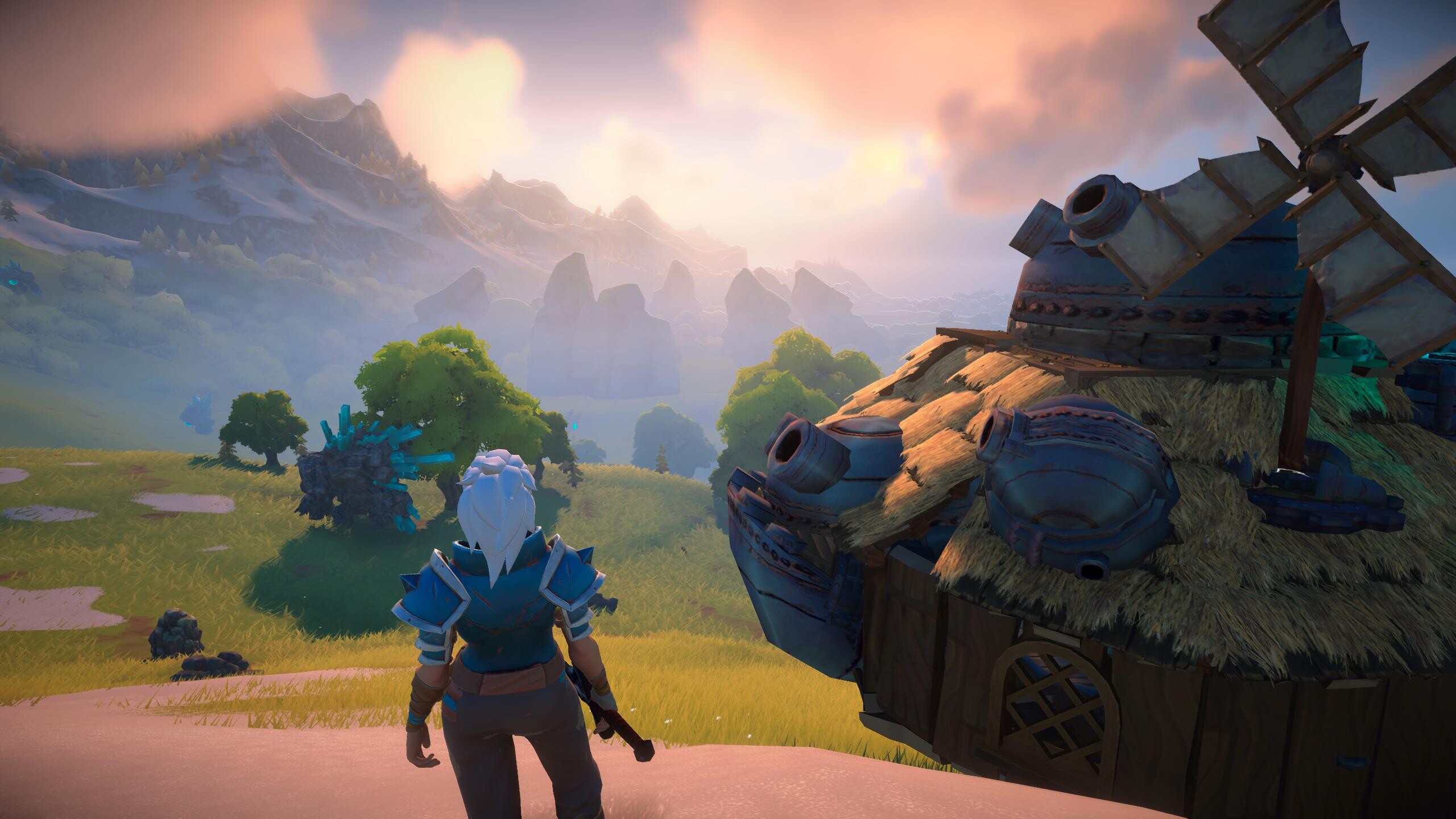
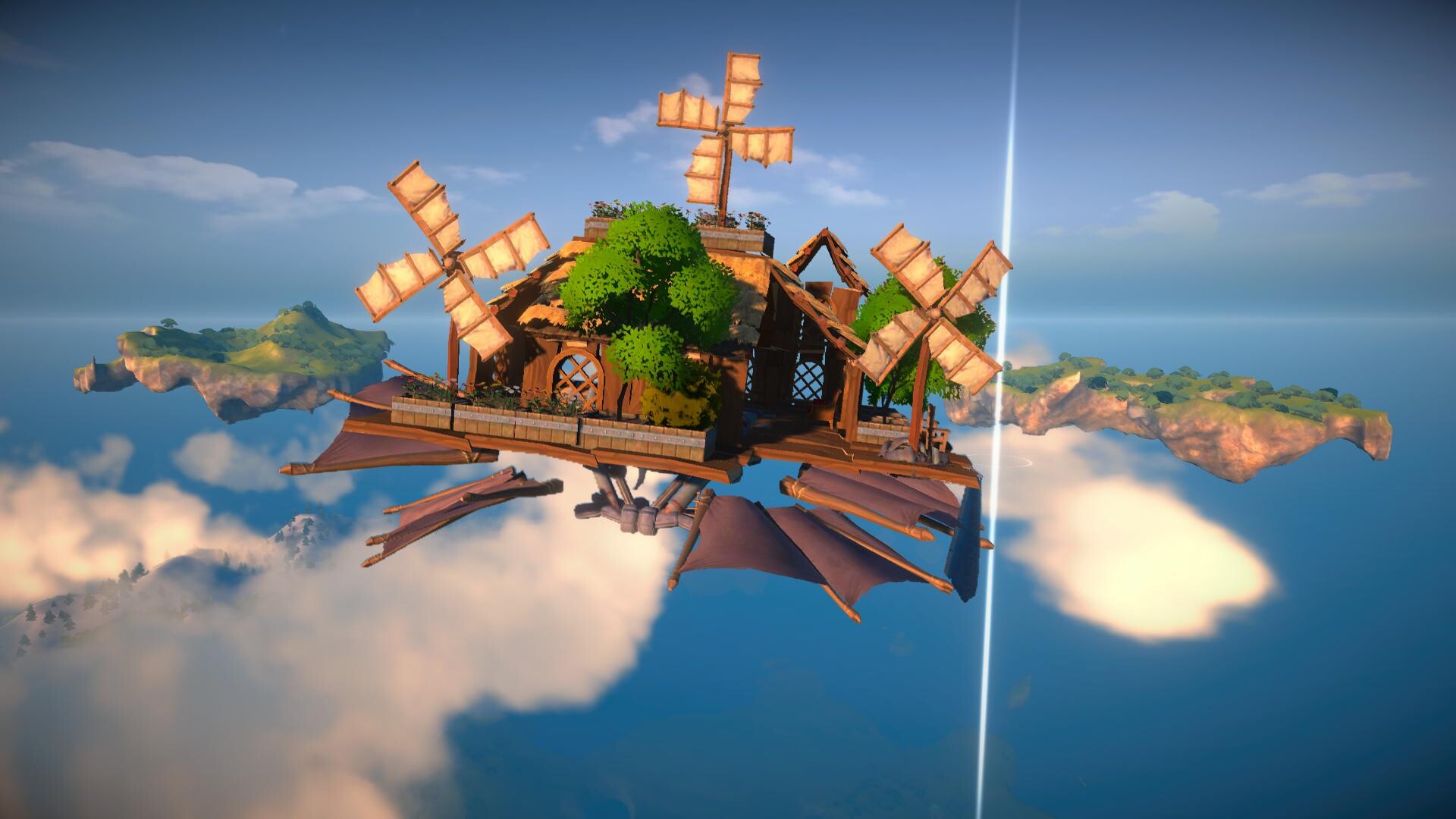
Players build and customize their fortress piece by piece, equipping it with player-controlled cannons and automated defense towers that fire during combat. The fortress moves with the player across the world, meaning it is never left behind and never becomes a distant safe room to retreat to. It is an active participant in every major encounter. Some of the game’s largest boss fights cannot even be attempted on foot — the fortress is required as an offensive tool, not just a mobile shelter. That design choice alone separates Loya from the bulk of the survival genre.
The inspiration here is Howl’s Moving Castle, the beloved story of a massive, creaking, magical home that walks on mechanical legs. Joyen has cited it directly, and the influence is obvious. There is a genuine sense of wonder in running alongside a towering structure that belongs to the player — something that feels alive and personal. One hands-on impression of the demo captured it plainly: running around and building up a moving base carries the same electricity as watching Howl’s castle come to life for the first time. That feeling is not accidental. It is designed into the game’s DNA.
A Procedurally Generated World Full of Secrets and Side Content

The world players explore is procedurally generated, which means no two runs will produce the same map. Caves, dungeons, and villages are scattered across the landscape, each offering something different to discover. Puzzles tied to procedural reward systems give exploration a sense of purpose beyond just moving from one fight to the next.
For players who want to slow down between titan hunts, there is fishing, cooking, and a quest system that threads narrative depth through the world. Ancient secrets are buried in the environment for those willing to dig into the lore rather than sprint toward the next combat encounter. The mix of high-intensity fortress battles and quieter exploration content gives Loya a natural rhythm — push hard, then breathe, then push again.
Combat, Classes, Crafting, and a Forge That Demands Skill
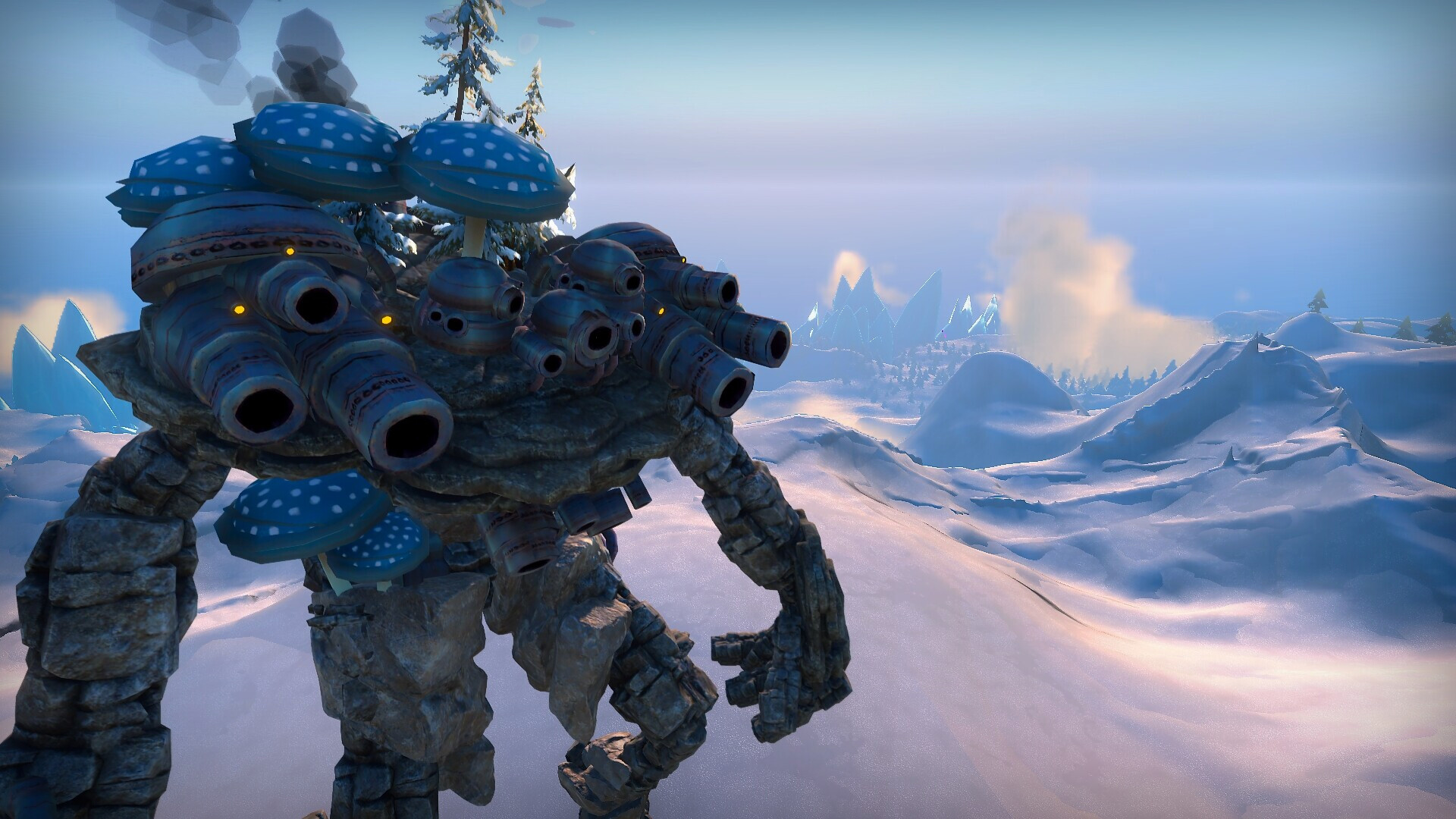
Three playable classes are available in the current early builds, each offering a different approach to combat. Giants are the primary enemy type, and the game does not treat them as simple damage sponges. Some require the fortress to engage at all, forcing players to think about positioning and timing on a much larger scale than a standard melee fight. Hit feedback — camera shake, clear damage visuals — keeps the combat feeling grounded even when the scale gets enormous.
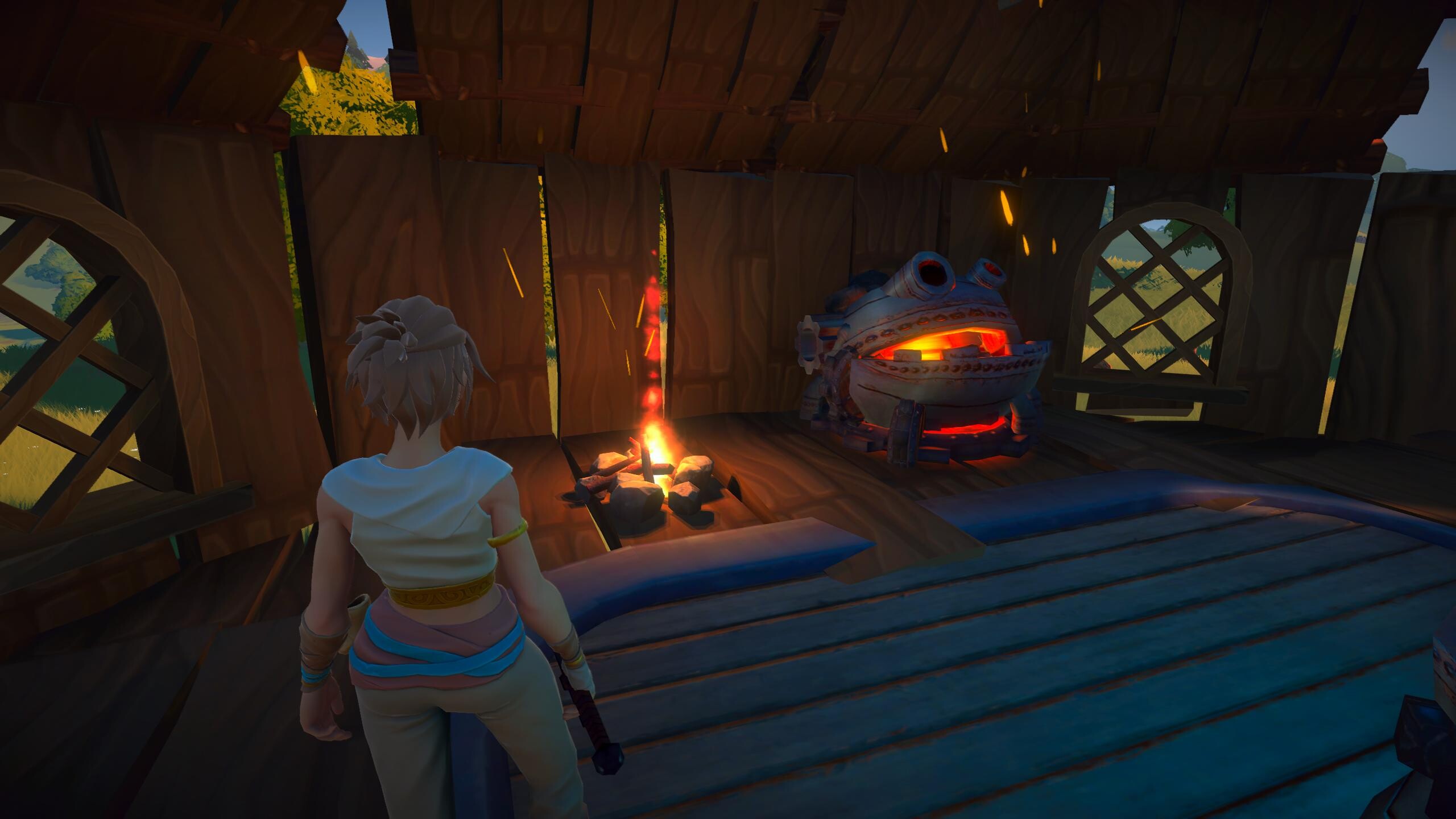
Crafting in Loya goes well beyond the standard survival loop of clicking a menu and waiting. The forge minigame is skill-based, meaning players have to actively engage with the process of making weapons and armor rather than watching a progress bar. Procedurally generated items keep the loot pool fresh across multiple runs, and a pets system — with creatures hatched from eggs — adds another layer of progression to manage. Resource gathering feeds both character upgrades and fortress improvements simultaneously, so there is always a reason to keep moving and keep collecting.
Multiplayer Options That Cover Every Playstyle

Loya supports up to 25 players in online co-op or PvP modes, running on dedicated or private servers that are already well-optimized in the current build. Solo play is fully supported for players who want the full experience without anyone else involved. The flexibility is one of the game’s quieter strengths — a player can farm resources and build with friends one session, go completely solo the next, or jump onto an open server and clash with other players’ fortresses for something more aggressive. The game does not lock anyone into a single way of engaging with it.
One Developer, One Vision, and a Surprisingly Deep Game
The fact that Loya comes from a single developer makes its scope genuinely hard to process. Procedural world generation, a skill-based forge minigame, multiplayer infrastructure supporting 25 players, a pets system, multiple classes, and fortress combat — these are not features that typically emerge from a one-person studio. Joyen’s work here is worth paying attention to, not just for the game itself but as an example of what focused, passion-driven indie development can produce. For readers who follow the indie space or actively support smaller creators, Loya is exactly the kind of project that deserves early attention.
Why Loya Stands Apart From the Survival Game Crowd

Survival games have a well-worn template. Build a shelter, defend it, upgrade it, repeat. Loya breaks that template by making the base nomadic and aggressive. The closest genre comparison for potential players is Valheim — a survival-RPG loop with weight and atmosphere — but with mobile mega-structures replacing the longhouse as the central piece of the experience. The procedural systems and skill-based crafting also push replayability higher than most genre entries, since no two playthroughs will produce the same world, loot, or fortress build.
One small note for the curious: there is an unrelated cancelled project from 2002 to 2006 that shares the name Loya. It has no connection to this game whatsoever.
When Does Loya Come Out and Where Can Players Find It?

No release date has been confirmed. Loya is heading toward an Early Access launch on Steam, and Joyen has indicated the game will spend at least one year in that state before any full release. The Steam wishlist page is live now, and a playable demo is available for anyone who wants to feel the fortress moving beneath their feet before making any decisions. If the Howl’s Moving Castle pitch alone is enough to spark interest, the demo is the most honest next step — and the question worth sitting with afterward is whether a single developer building something this ambitious changes how players think about what indie games can actually be.
F.A.Q.
What type of game is Loya?
Loya is an open-world survival RPG where players build and pilot a walking or flying fortress through a procedurally generated landscape filled with giants, dungeons, and ancient secrets. It blends base-building, crafting, and RPG progression with large-scale combat against titan-class enemies. The closest genre comparison is Valheim — a survival-RPG loop with real atmosphere and weight — but with a mobile mega-structure replacing the traditional static base as the centerpiece of the experience.
When does Loya come out?
No official release date has been confirmed for Loya. The game is heading toward an Early Access launch on Steam, and developer Joyen has indicated it will spend at least one year in Early Access before any full release. In the meantime, a playable demo is already available on Steam for anyone who wants to try the game before it officially launches. The Steam wishlist page is live now for players who want to follow its progress.
Does Loya have multiplayer?
Yes, Loya supports online multiplayer for up to 25 players across both co-op and PvP modes. Games can be hosted on dedicated or private servers, both of which are already well-optimized in the current build. Solo play is fully supported as well, so players are never locked into a single way of engaging with the game. One session can involve farming resources and building with friends, while the next can be a completely solo run or an aggressive clash with other players’ fortresses on an open server.
Does Loya have base building?
Base building is the central mechanic of Loya, but with a major twist — the base moves. Players construct and customize a walking or flying fortress piece by piece, equipping it with player-controlled cannons and automated defense towers. Unlike traditional survival games where the base is a static shelter left behind during exploration, Loya’s fortress travels with the player across the entire world. It is an active participant in combat, and some of the game’s largest boss fights cannot be attempted on foot at all — the fortress is required as an offensive tool to even engage them.
Is Loya inspired by Howl’s Moving Castle?
Yes, directly. Developer Joyen has cited Howl’s Moving Castle as a primary inspiration, and the influence is clearly visible in the game’s core mechanic — a massive, creaking, mechanical home that walks on legs through a monster-filled landscape. The goal was to capture the same sense of wonder that comes from watching Howl’s castle move for the first time, but to make it personal by giving players full control over building and piloting their own version of that structure. Early hands-on impressions of the demo confirm the game delivers on that feeling.
Does Loya have crafting?
Loya features a crafting system that goes well beyond the standard survival genre approach of clicking a menu and waiting. The forge minigame is skill-based, requiring players to actively engage with the process of making weapons and armor rather than watching a progress bar fill. Procedurally generated items keep the loot pool varied across multiple runs, and resource gathering feeds both character upgrades and fortress improvements at the same time. A pets system — with creatures hatched from eggs — adds another layer of progression on top of the core crafting loop.
Is Loya worth it?
For players who enjoy survival RPGs and are looking for something that genuinely breaks from the genre template, Loya is worth serious attention. The mobile fortress mechanic alone changes how every system in the game operates — exploration, combat, crafting, and multiplayer all revolve around a base that moves with the player rather than waiting behind them. The fact that it is being built by a single developer makes its scope — procedural world generation, 25-player multiplayer, skill-based crafting, multiple classes, and a pets system — even more impressive. A free playable demo is available on Steam right now, making it easy to judge whether the concept lands before adding it to a wishlist.