
A small orange cat wanders up to a freshly stocked fish stall, sniffs once, and turns around without taking a single bite. Nearby, a fluffy gray cat pads through a beautifully decorated plaza, glances at the string lights and potted plants, and curls up somewhere else entirely. This is the everyday reality of Cat Isle, a cozy pixel art management game from domkegames and pixelduckoo that came out on Steam on July 20, 2026, and it makes one thing clear right away: the cats are not decoration here. They are the whole point.
Cat Isle — at a glance
Developer: domkegames
Store: Steam page
BFG tracking: ~2,932 copies sold (est.) (BFG data)
Cat Isle asks players to build restaurants, expand a small island, and decorate every corner of it, but none of that matters unless a specific, opinionated cat approves. Each cat that visits or settles on the island comes with its own favorite meals, preferred drinks, and ideal atmosphere, and the entire management loop exists to figure out what that means for each furry resident. It is a gentle kind of pressure, like trying to guess what a picky friend wants for dinner, and it turns every building placement and menu decision into a small act of listening rather than a box to check off.
The Cat Is the Boss, Not the Meter

Most town management games, even the cozy ones, run on population meters and generic happiness bars. A villager wants a bigger house, a fancier shop, a vague upgrade, and once it is delivered, the game moves on. Cat Isle flips that formula. Instead of an abstract population score climbing upward, players are answering to individual cats with individual tastes, and a cat that does not like the fish on offer will simply walk away, unimpressed, no matter how impressive the surrounding decor might be. That single moment of a cat sniffing and leaving does more to define the game’s identity than any spreadsheet full of stats could.
This is the difference between a town-builder wearing a cat costume and a game built cat-first from the ground up. The preferences are not a side quest bolted onto a familiar formula. They are the formula. Every restaurant built, every drink stand placed, every decorative item chosen gets filtered through the same quiet question: would this particular cat actually want this? and it shapes how players approach even simple choices, like where to put a bench or what snack to serve at a new stall.
A Cats-First Idea, Not a Late Add-On

The cats-first idea did not get added late to make the game stand out. Players catch a train to reach Cat Isle in the game’s framing, and from there the cats, not the town, are treated as the point.
Cozy Textures That Earn Their Keep
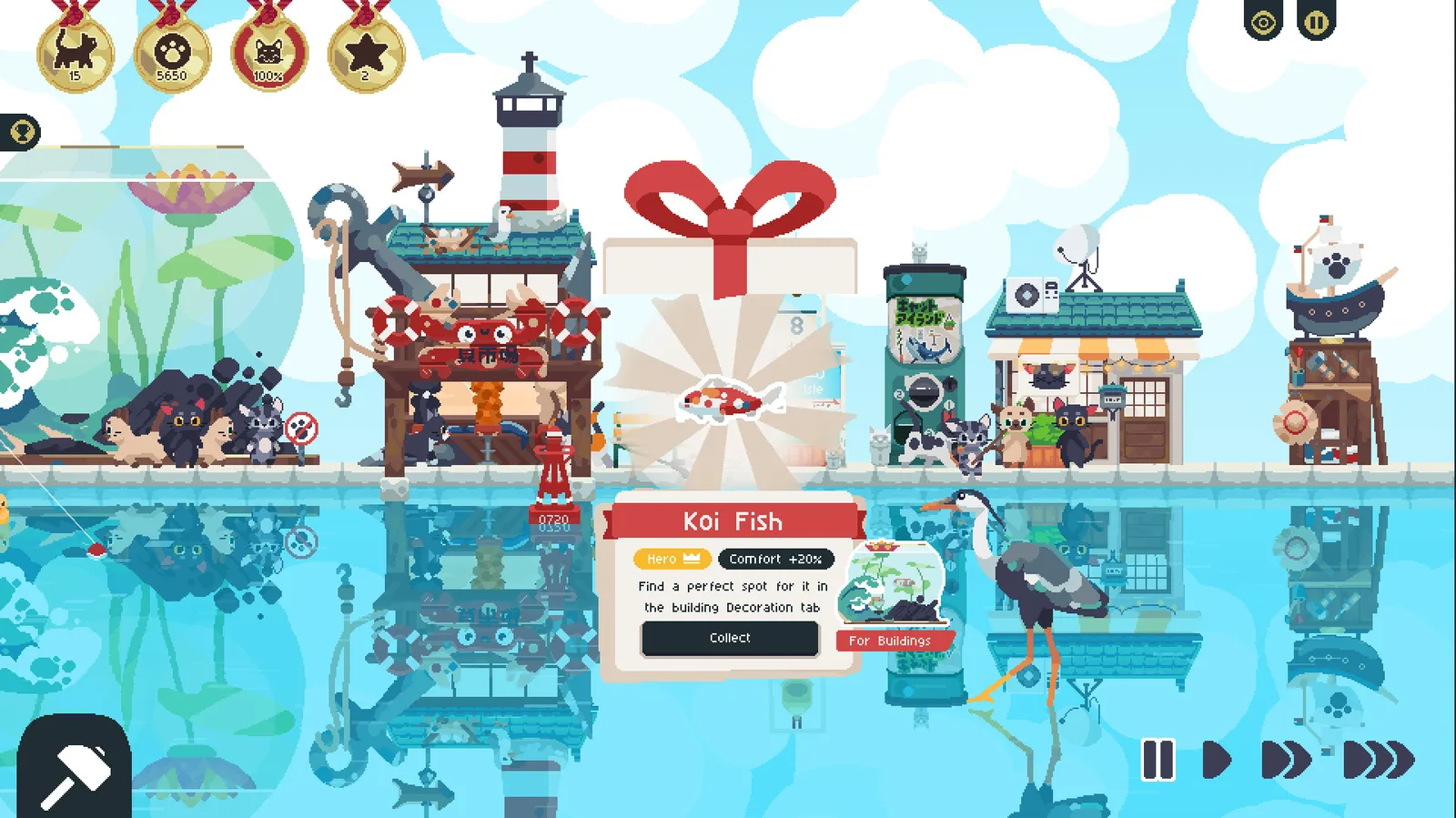
None of this would land the same way without the game’s visual charm. Cat Isle uses soft, pastel-leaning pixel art that gives the island a warm, storybook feel, the kind of place that looks inviting even in a single screenshot. It’s the kind of game that feels tailor-made for beating a summer heat wave, all relaxed pacing and soothing palette.
Those cozy touches matter here in a way they might not elsewhere. A cute decoration is only meaningful if there is a specific cat who might actually enjoy sitting near it. Because each cat is a legible little character with its own tastes, players are not just decorating for decoration’s sake. They are decorating for someone, and that shift, small as it sounds, is what makes the aesthetic feel earned rather than just trendy.
On the Steam store page, Cat Isle is tagged Casual, Indie, Simulation, and Strategy, and it lists Steam Achievements alongside accessibility options including Camera Comfort, Custom Volume Controls, a Mouse Only Option, the ability to play without timed input, and Save Anytime support. Anyone who wants a low-pressure sim they can pick up and put down without worrying about reflexes or a strict schedule should find this an easy recommendation.
Small Rough Edges Worth Naming



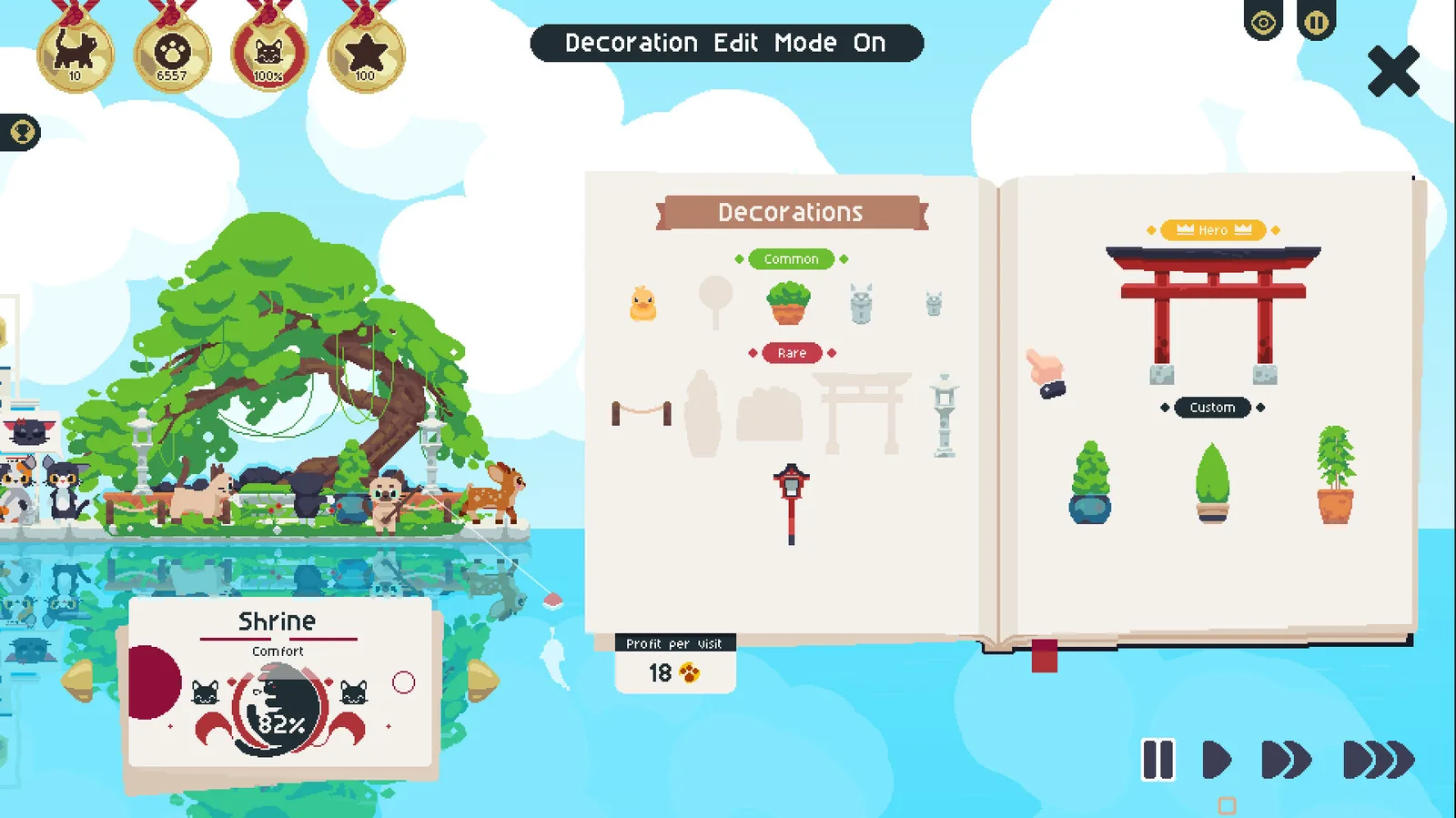
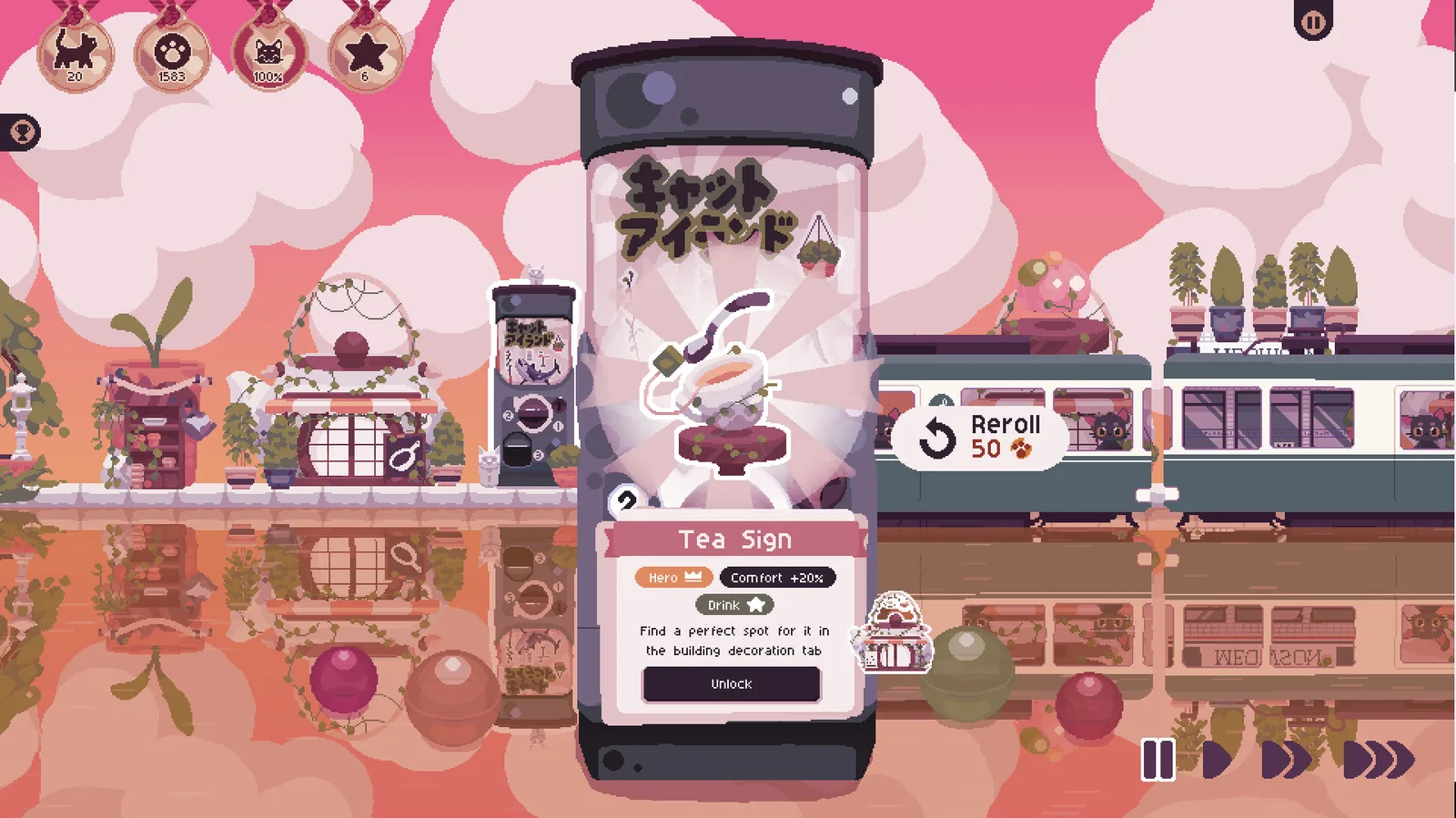
What stands out most is how confidently Cat Isle commits to its central idea. Management sims have spent years asking players to care about villagers who wave, chat, and request vague favors. Cat Isle suggests something simpler and maybe more honest: a cat curling up in a spot someone built just for it is its own reward, no dialogue box required. That is a quieter kind of validation than most town-builders offer, and it might be exactly the itch cozy game fans did not know they had until a pixel cat finally turned up its nose at the wrong bowl of fish.
Would a management game built entirely around reading an animal’s preferences work as well with a different creature, or is it the specific, familiar pickiness of cats that makes this idea click?
📬 Get The F5 — Five F’ing Games you’ve never heard of, every Saturday, plus key giveaways. Subscribe free →
F.A.Q.
When did Cat Isle come out?
Cat Isle came out on July 20, 2026, and is out now on Steam. The game is a cozy pixel art management simulator where players build restaurants and cater to the unique preferences of visiting cats.
What type of game is Cat Isle?
Cat Isle is a cozy pixel art management game that combines elements of simulation and strategy. Players are tasked with building and decorating a small island while catering to the specific tastes and needs of various cats that inhabit it.
Is Cat Isle worth it?
Cat Isle is worth it for fans of cozy management games and cat lovers alike. Its unique cat-focused gameplay, charming pixel art, and engaging atmosphere create a delightful experience, especially for those looking for a relaxing gaming session.
What platforms is Cat Isle on?
Cat Isle is currently available on Steam. As of now, there are no announcements regarding console versions, but the game is designed for PC gaming.
Does Cat Isle have multiplayer?
No, Cat Isle is a single-player game. Players engage in building and managing their island solo, focusing on the individual needs of cats without multiplayer features.
How much does Cat Isle cost?
The price for Cat Isle is currently set on its Steam page. Pricing can vary based on promotional discounts or regional pricing, so it’s best to check there for the most accurate cost.
BFG drafts articles with AI from our team’s research and verified store data — every piece is fact-checked and runs a multi-stage editorial review before publishing.