A buyer looks over a warhorse two days into a new medieval trade empire and offers half its worth. The player counters. The buyer scoffs, threatens to walk, and the cursor hovers over a price field that could make or break a fragile bloodline business. That single moment, repeated a thousand times across a save file, is either the reason Medieval Horse Dealer Simulator earns its place on a serious gamer’s library, or proof it’s just a shop menu wearing chainmail. One Slice of Pizza Games released the title on Steam for PC on August 17, 2026, and is out now on Steam for PC as of August 17, 2026, and the answer to that question matters more than any achievement list or discount code.
Medieval Horse Dealer Simulator — at a glance
Release date: August 17, 2026
Developer: One Slice of Pizza Games
Store: Steam page
BFG tracking: ~3,143 copies sold (est. via Gamalytic)
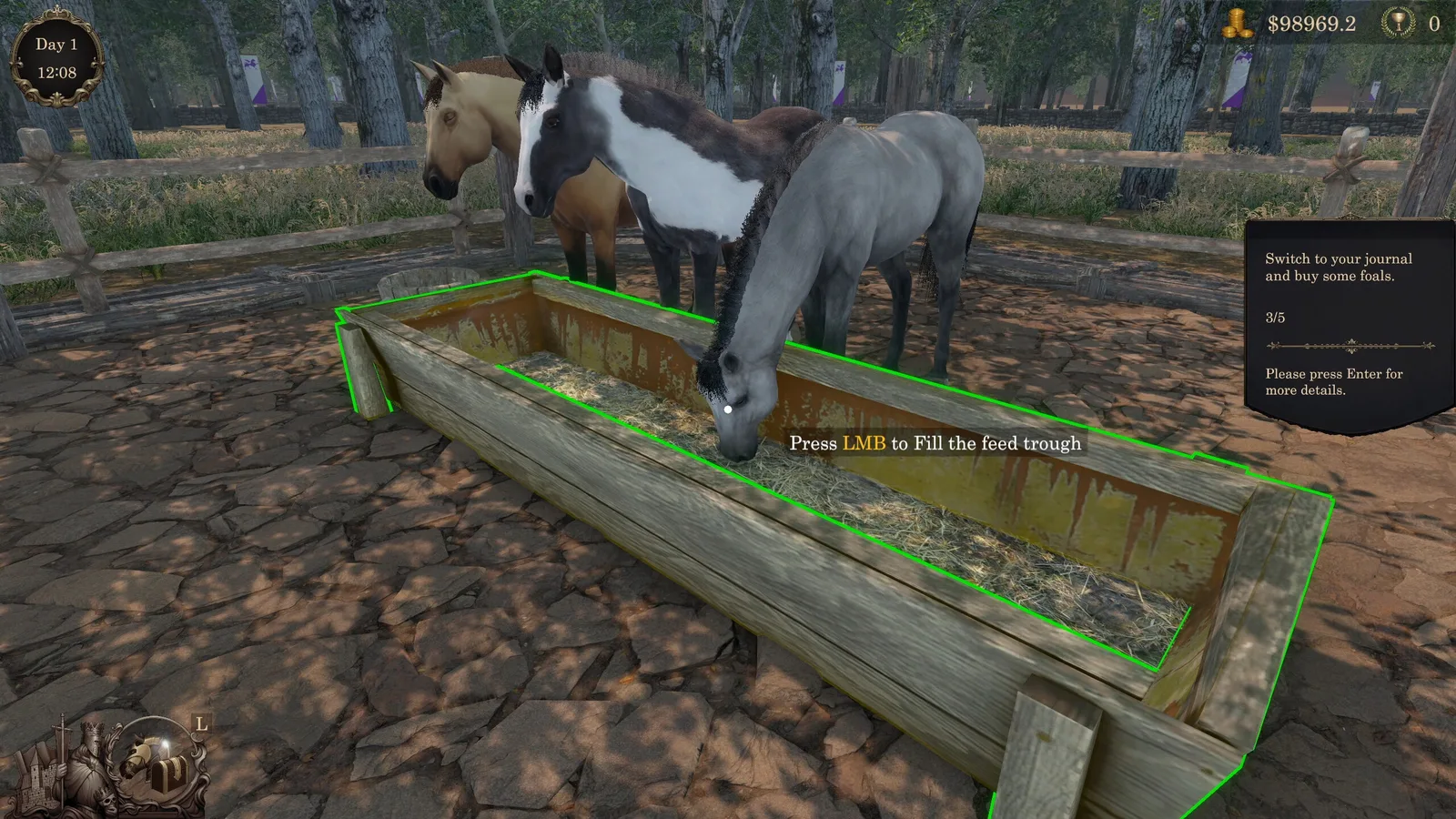
Cut the flavor text and the pitch is simple enough. A disgraced baron gets betrayed by his own vassal, loses the family title, and flees overseas with a handful of coins. He buys a rundown stable in a strange land and starts over. From there, the game hands players a genuinely sprawling toolkit: breeding stallions and racehorses, formulating feed, training horses for specific roles, running auctions, mining resources, forging equipment, managing caravans, and eventually building a mercenary force to deal with lords who hold real power over the map. It’s a lot of systems stacked on top of each other, and much of it seems to funnel back toward the moment a player has to talk someone into a price. Convince a buyer a warhorse is worth top coin. Convince a lord that a business partnership is worth his patronage. The question worth asking two days after launch isn’t whether the systems exist. It’s whether persuasion actually functions as gameplay, or whether it’s just decoration bolted onto a sell button.
A Historically Honest, Mechanically Unproven Idea

This is a harder design problem than it sounds, and it deserves some respect before anyone starts throwing snark at it. Historical accounts of medieval horse trading suggest prices were often negotiated case by case rather than fixed, though the specifics are worth taking with a grain of salt. Even the institutional side of medieval commerce backs this up — studies of medieval markets describe them as designed specifically to lower “bargaining and decision costs,” which only makes sense if bargaining was the default state of every transaction, not an occasional flourish.
Picture pricing a used saddle to a stranger: half math, half poker. That’s basically what medieval horse dealers were doing at scale, animal by animal, for a living. A simulator that tries to recreate that tension is chasing something that’s historically real but mechanically almost undocumented in games. Nobody has really built this before, at least not as the main event.
What the Industry Actually Trains Players to Expect
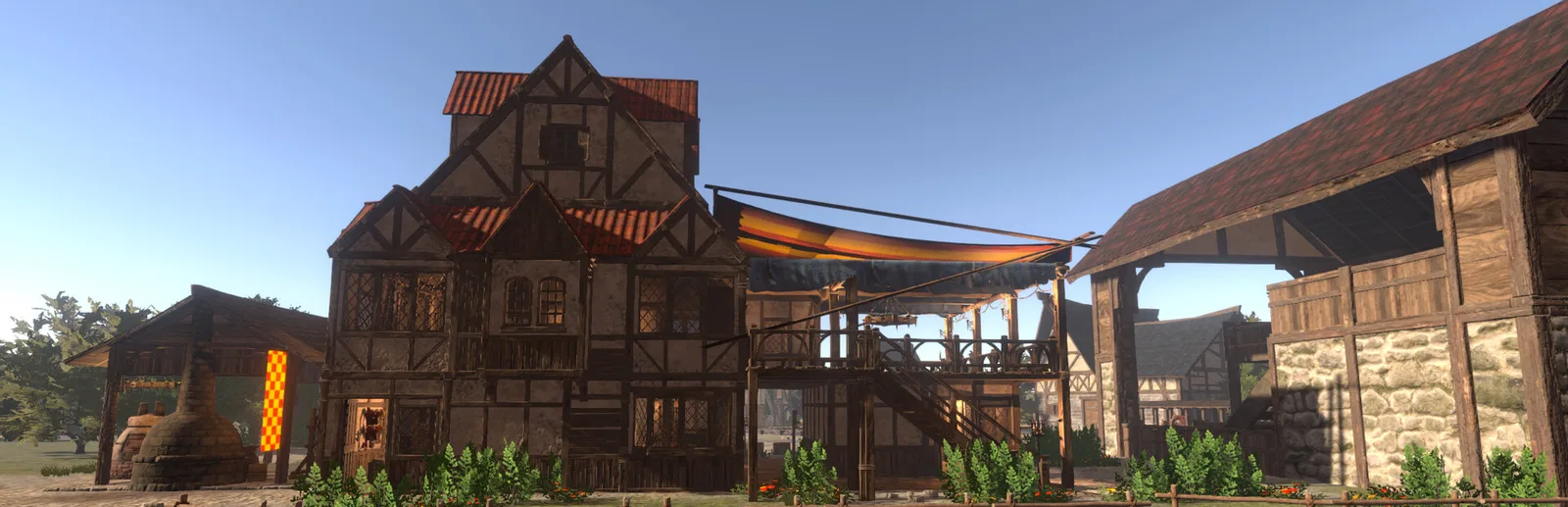
That’s what makes the ambition here stand out, because it runs against nearly every instinct the genre has trained into players. Most RPGs and management sims still treat trading as a static interface. Design breakdowns of buy/sell shops describe them as “the foundational economic interface that converts loot into money,” tuned through buy/sell spreads and finite vendor gold pools rather than any actual back-and-forth. Trade screen design writing focuses on showing both inventories on one clean panel so players can move numbers around efficiently and get back to the actual game. The entire discipline of trade UI design is built around minimizing friction, not creating it.
Even the rare games that do formalize haggling tend to treat it as seasoning, not the main course. A widely cited design blog for the game Merek’s Market lays out a haggling loop where a customer requests an item, the player sets a price, the customer counters or storms off after a mood meter tips too far, and the whole exchange gets folded into a single screen specifically to avoid extra steps. The designer’s own words: they “relentlessly strip out and streamline” the negotiation so it takes as little time as possible. That’s the opposite of what a horse-dealer sim needs to do if it wants haggling to carry the whole game. One system optimizes negotiation away. The other, in theory, is supposed to build a house around it.
What Success Actually Looks Like Here
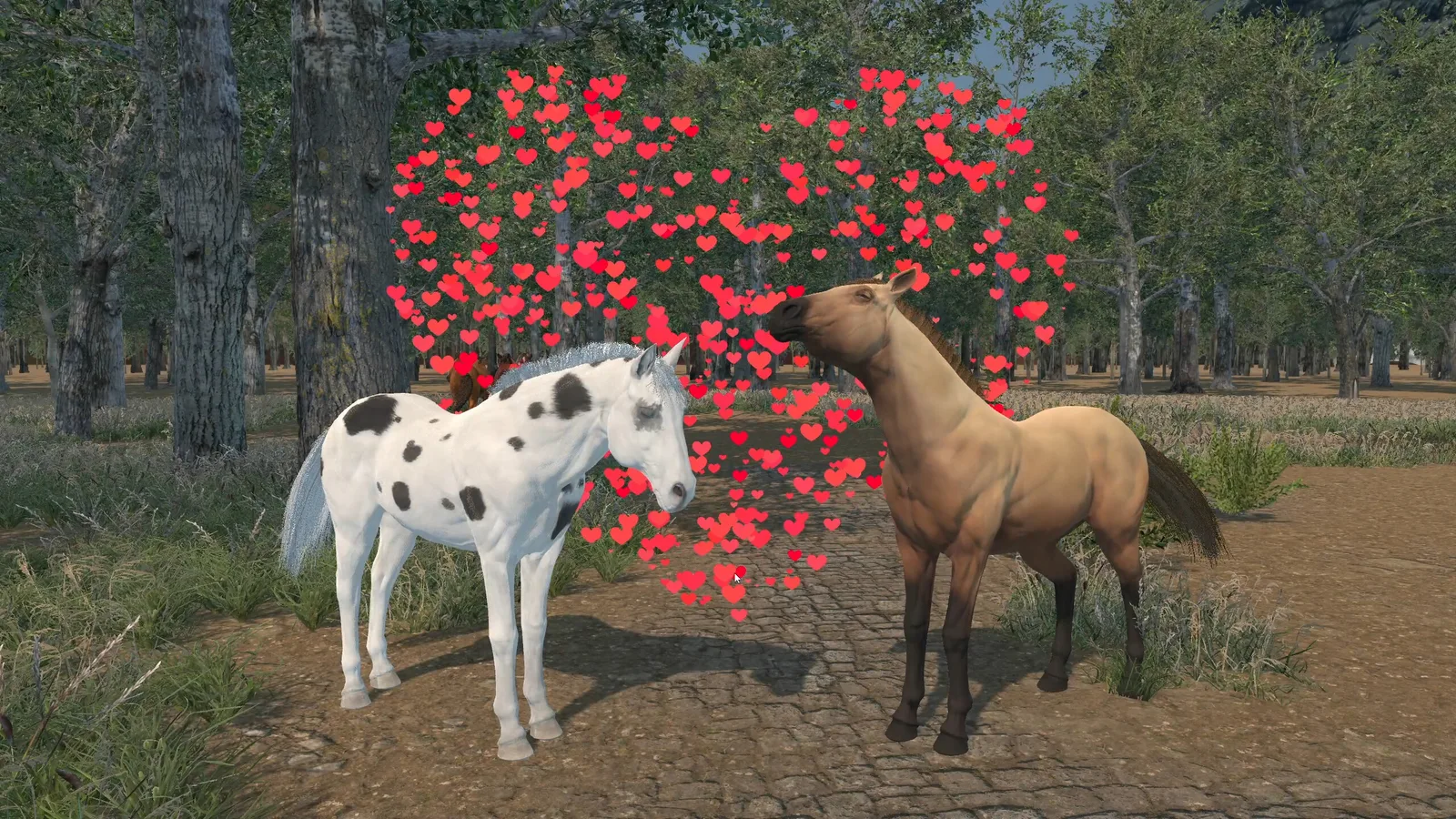
The real test isn’t whether a haggling minigame exists on paper. It’s whether the numbers behind that haggling actually mean something. Does a stallion’s bloodline change what a buyer is willing to pay before a single word gets typed? Does feed quality show up in the animal’s condition in a way that justifies a higher opening ask? Does reputation with a local lord open doors to buyers who’ll pay a premium, or shut them for anyone who’s burned a bridge? If bloodlines, feed, training, and standing with the nobility all feed into a number the player can genuinely defend during a negotiation, then haggling becomes a real skill test. If those systems just generate a hidden “value” stat that gets revealed once the sell screen pops up, the whole thing is a slot machine wearing a saddle, and no amount of medieval flavor text will hide that.
There’s a version of this that plays like a bluffing game at a poker table, where a player who’s spent months perfecting a bloodline can walk into a negotiation with real leverage and real facts, not just a gut feeling. That’s the version worth rooting for.
An Honest Gap in What’s Known Right Now
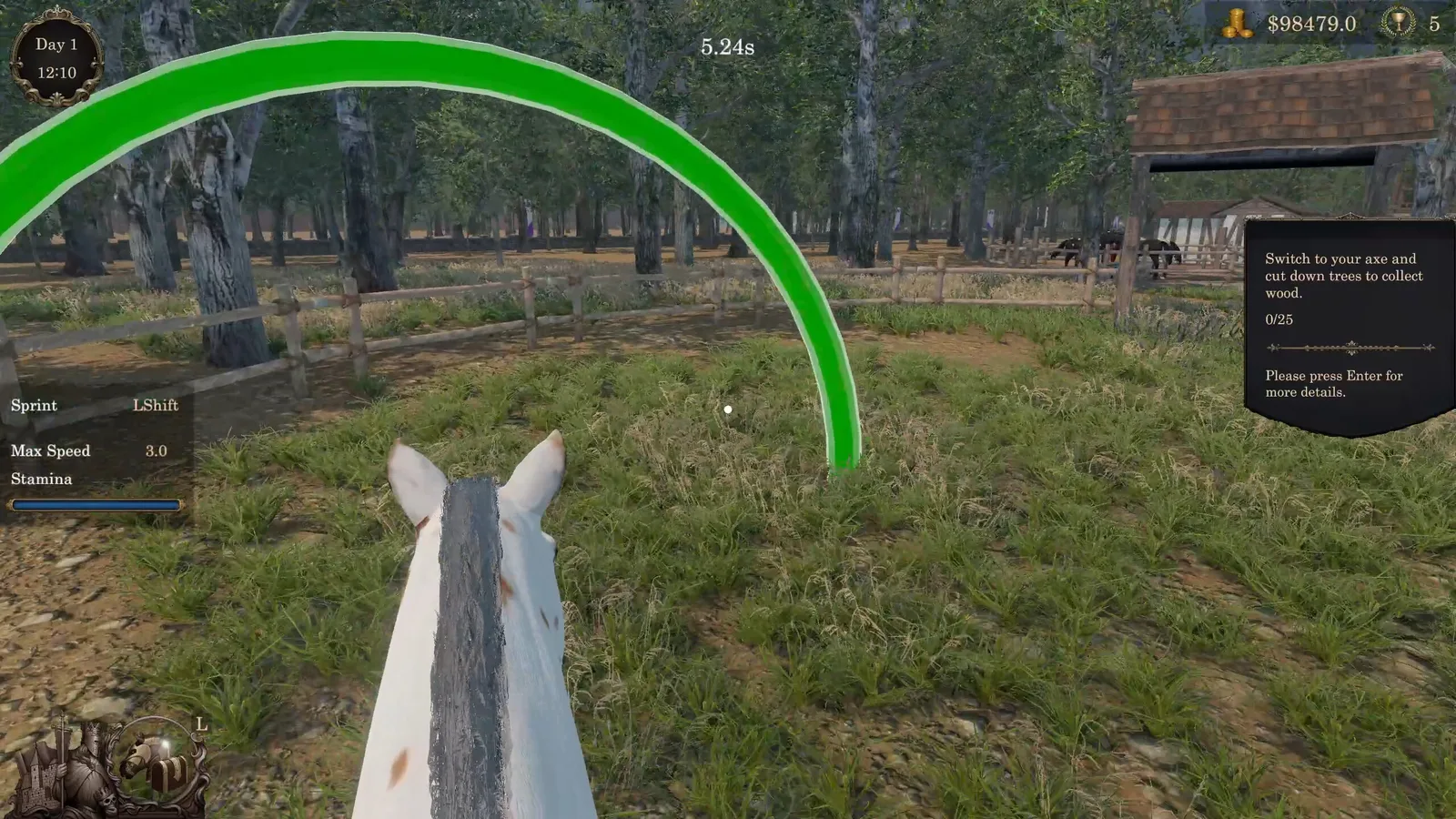
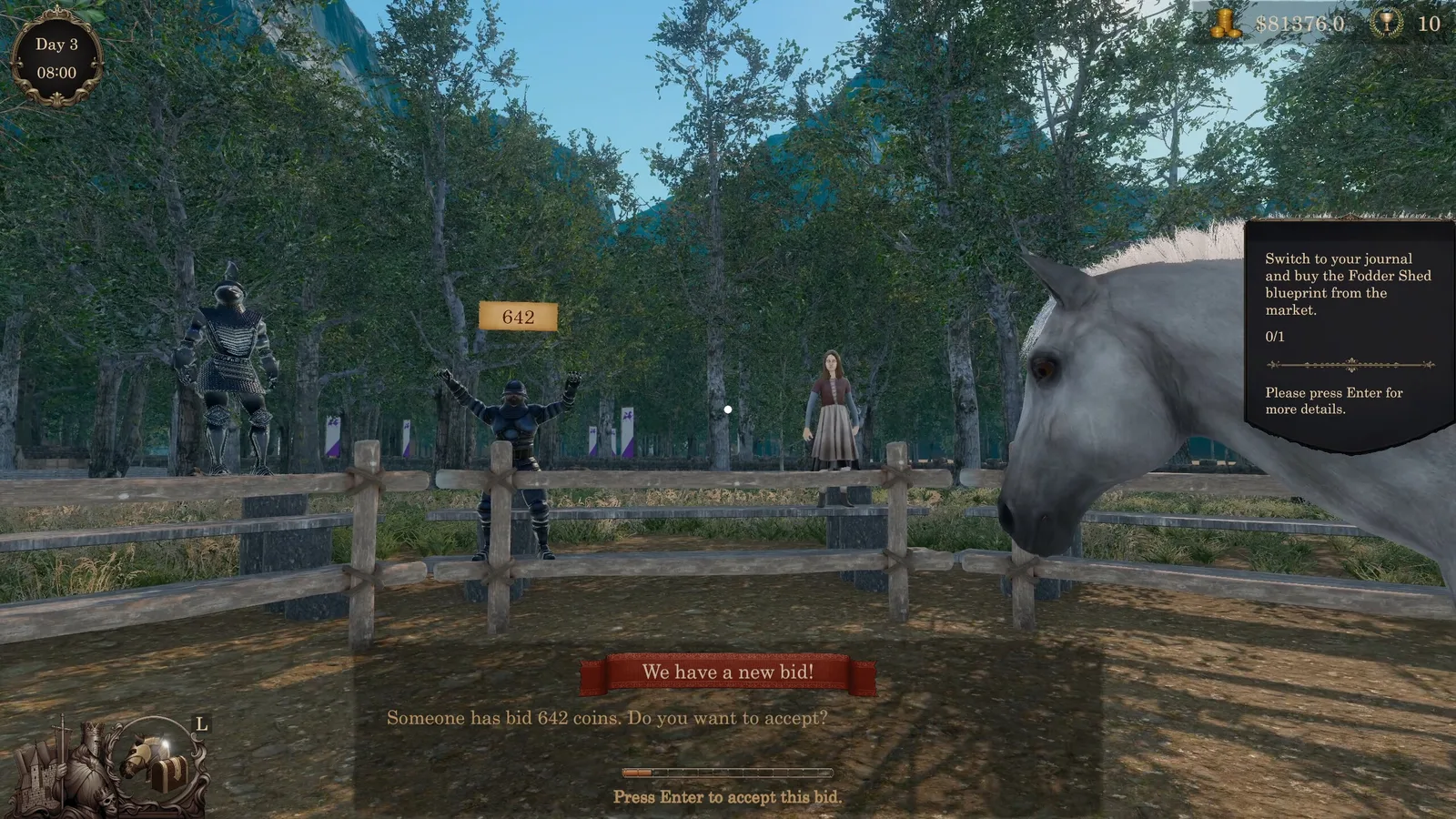
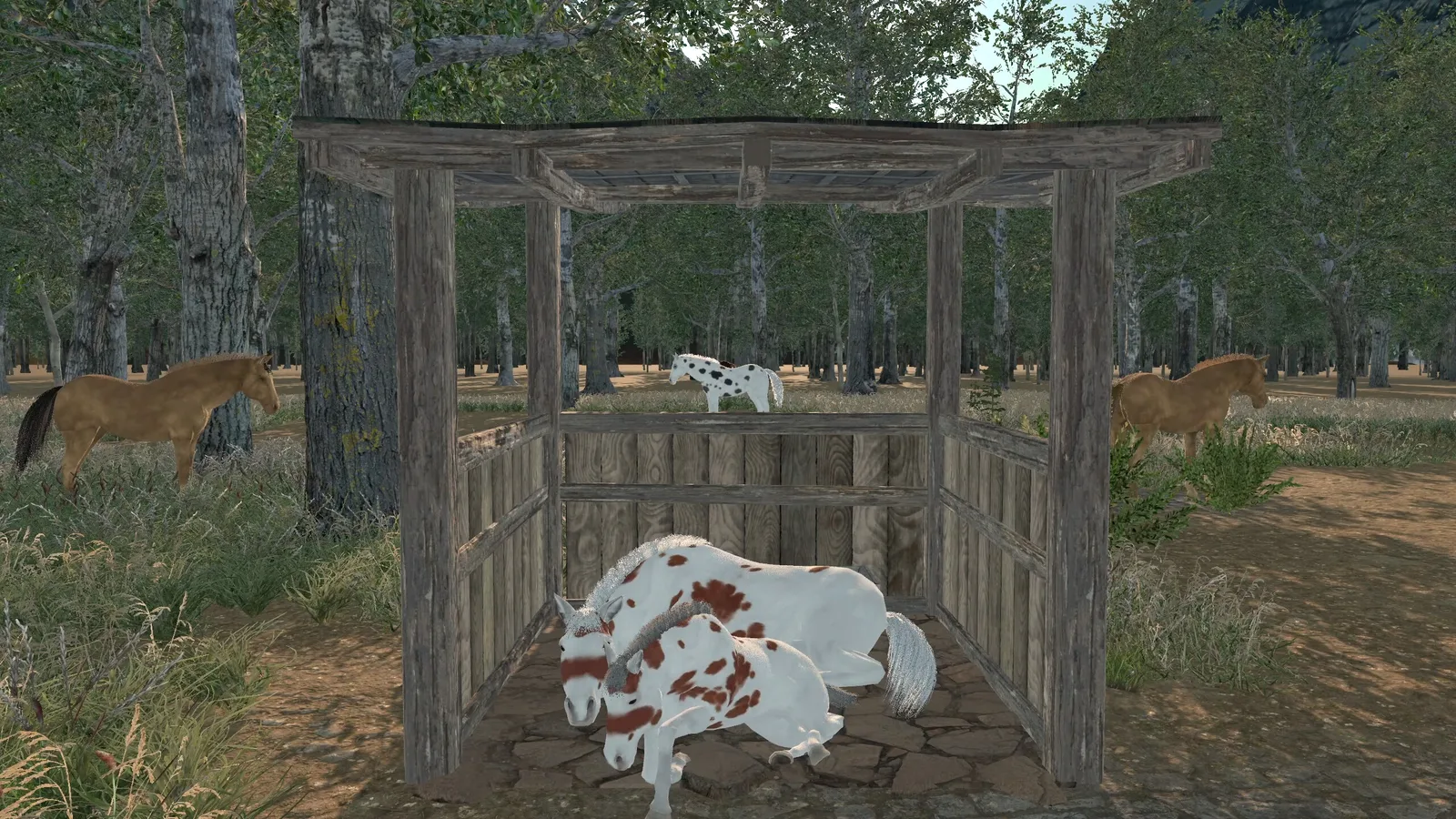
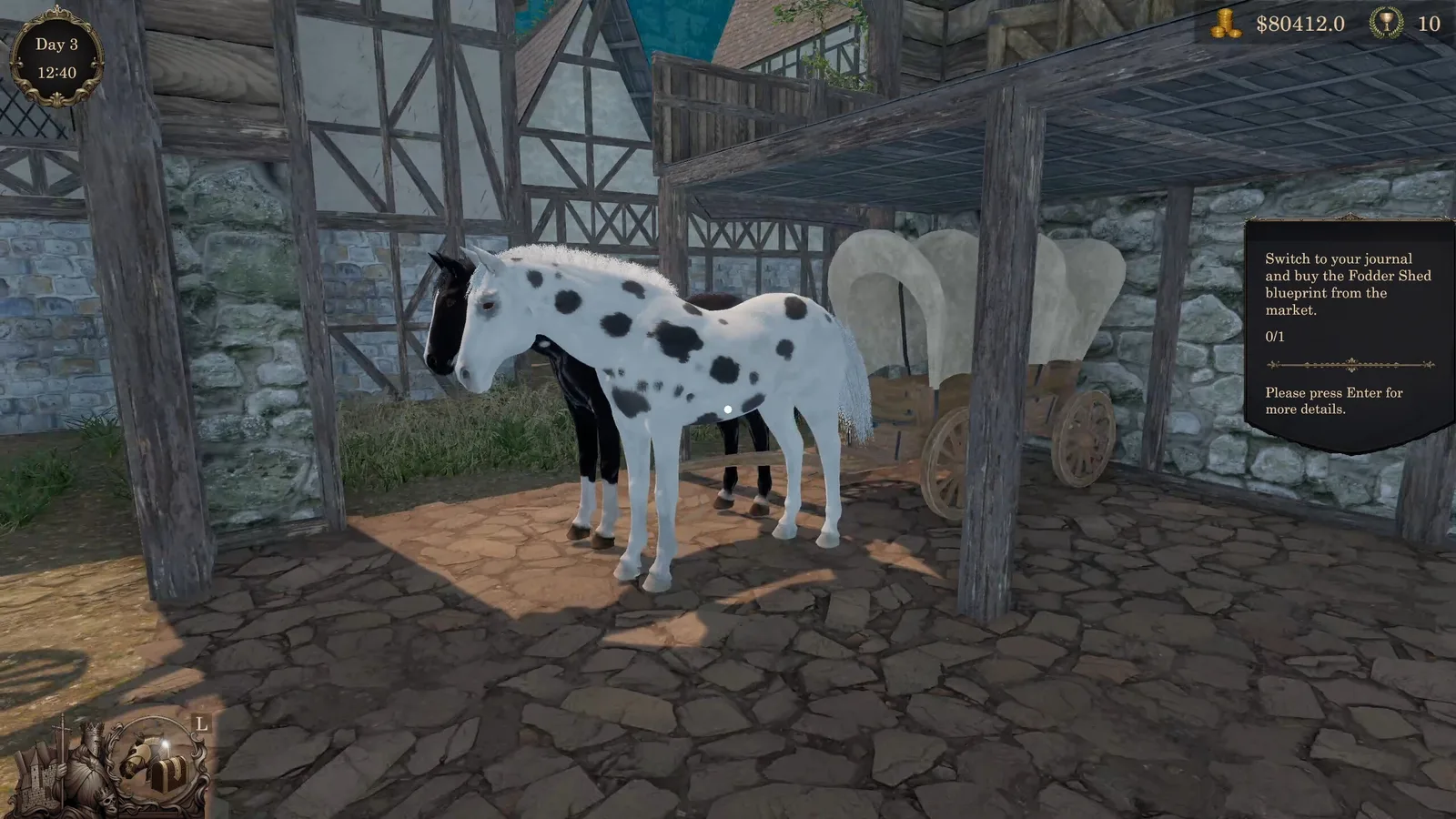

Here’s the fair caveat. This is a two-day-old release from a studio whose only other credit is Arctic Motel Simulator, and the launch numbers tell a story about scale, not depth. The game shipped with 84 Steam achievements and support for 19 languages, according to Steam data, which signals a studio building for a broad, global audience. None of that says anything about whether the negotiation system has teeth or folds the moment a player pokes at it. Achievement counts don’t measure whether a counter-offer feels earned. Language support doesn’t tell anyone if a lowball insult from an NPC buyer actually stings. That’s the review still owed to players, and it’s going to take real hours in the stable to answer it, not a glance at a store page.
If a back-and-forth over a single animal’s worth can genuinely carry an entire simulator, it’s a quiet challenge to every RPG that ever buried its economy behind a static shopfront and called it an “economy” anyway. Plenty of bigger-budget games with dragons and spaceships never bothered to ask whether trading could be a skill instead of a chore. Whether One Slice of Pizza Games actually stuck the landing on that idea is still an open question worth watching. Right now the jury’s still in the stable, but the verdict’s coming.
📬 Get The BF5 — Best F’ing 5 games you missed this week, every Saturday, plus key giveaways. Subscribe free →
F.A.Q.
When did Medieval Horse Dealer Simulator come out?
Medieval Horse Dealer Simulator came out on August 17, 2026. Developed by One Slice of Pizza Games, it is currently available exclusively on Steam for PC.
What platforms is Medieval Horse Dealer Simulator on?
Medieval Horse Dealer Simulator is currently available on Steam for PC. At launch, it is Windows-only, with no announcements for console versions as of now.
How much does Medieval Horse Dealer Simulator cost?
The base price of Medieval Horse Dealer Simulator is $17.99. A 10% launch discount is available, reducing the price to approximately $16.19 until August 31, 2026.
What type of game is Medieval Horse Dealer Simulator?
Medieval Horse Dealer Simulator is a medieval horse-trading and equestrian management simulation game. Players engage in breeding, training, and trading horses while navigating a complex economic and political landscape.
Does Medieval Horse Dealer Simulator have crafting?
Yes, Medieval Horse Dealer Simulator includes crafting mechanics. Players can formulate feed, forge equipment, and manage resources as they build their horse-trading empire, adding depth to the gameplay experience.
Is Medieval Horse Dealer Simulator worth it?
Whether Medieval Horse Dealer Simulator is worth it depends on your interest in simulation games that focus on economic management and horse trading. Its unique haggling mechanics and complex systems for breeding and trading horses offer a fresh experience for fans of the genre.
BFG drafts articles with AI from our team’s research and verified store data — every piece is fact-checked and runs a multi-stage editorial review before publishing.