Every gaming group has that one save file. Four controllers, one television, a stack of chips, and a shared Diablo-style campaign that everyone swore they would finish together. Somewhere around week three, someone missed a session, then another, and the file just sat there, untouched, a monument to good intentions. Wardens of Avalon is stepping directly into that graveyard, betting that a top-down, four-player co-op ARPG built around a crumbling Camelot can be the one that actually gets finished.
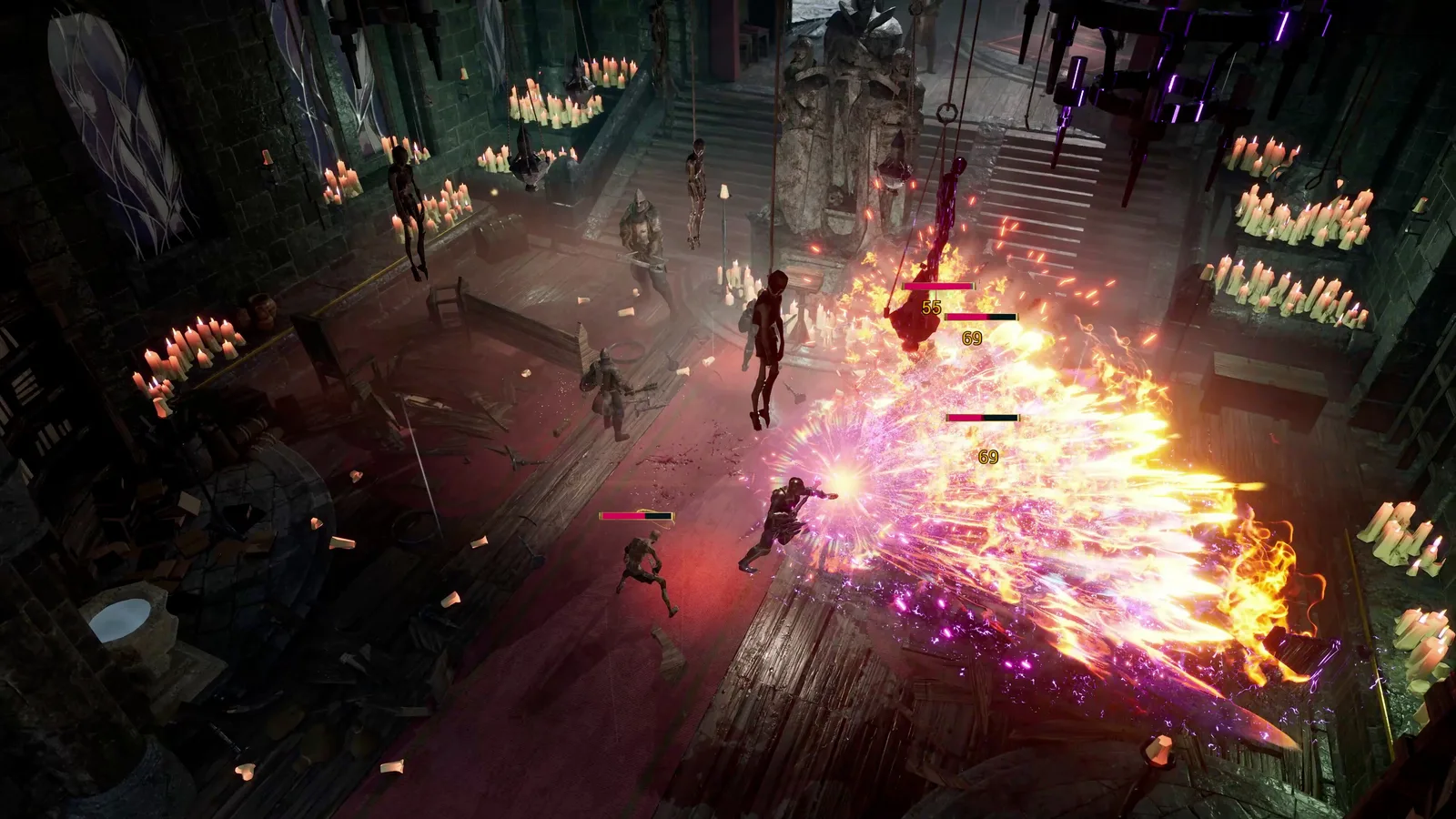
Runes Studio and publisher The Arcade Crew just revealed new gameplay footage for the project, showing off a ruined Camelot and a campaign structure meant to be played from start to finish as a group of up to four. Players join a faction called the Twilight Knights, per the game’s Steam page. The reveal, covered in detail by GamesPress, frames the game as a top-down action RPG in the Diablo lineage, complete with dodge-and-parry combat and encounters built specifically around multiple players acting at once. This is not a solo game with co-op tacked on as an afterthought. It looks built from the ground up for four friends on a couch, or four friends scattered across a group chat, trying to get through a full campaign together.
What Actually Separates This From “Co-op Mode”
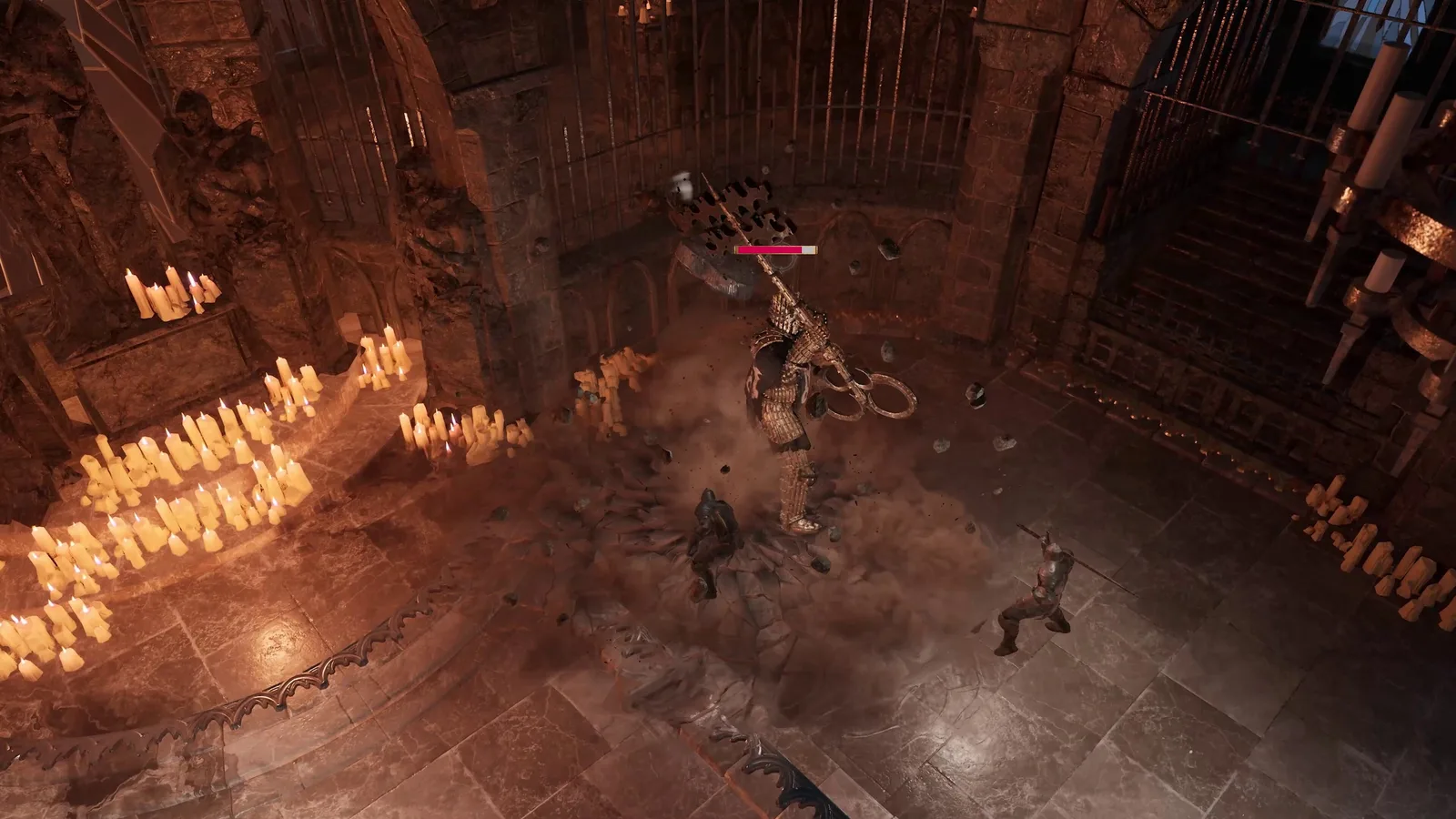
The mechanical details are where the pitch gets interesting. Wardens of Avalon uses an oath-based build system instead of fixed classes, meaning players swear oaths that shape their playstyle rather than locking into a warrior or mage archetype from the start. Reporting from GamesPress describes builds ranging from stun-heavy hammer setups to fire-amplifying sacred armor and corruption-based attacks that deal big damage at personal risk. That flexibility matters in a group setting, since four players can adjust on the fly to cover whatever roles the party is missing, rather than being stuck as “the healer” for forty hours because that is what they picked at character creation.
The fiefdom-building layer ties combat and progression together in a way that gives co-op actual stakes. Every enemy defeated in a dungeon run feeds resources back into rebuilding Camelot, and that rebuilt settlement only exists because the group put in the work together. It’s the difference between renting an apartment and building a house with three roommates. There’s a reason people take better care of the thing they built with their own hands, and Wardens of Avalon is banking on that same instinct to keep a party coming back after the first session.
The Format Nobody Replaced
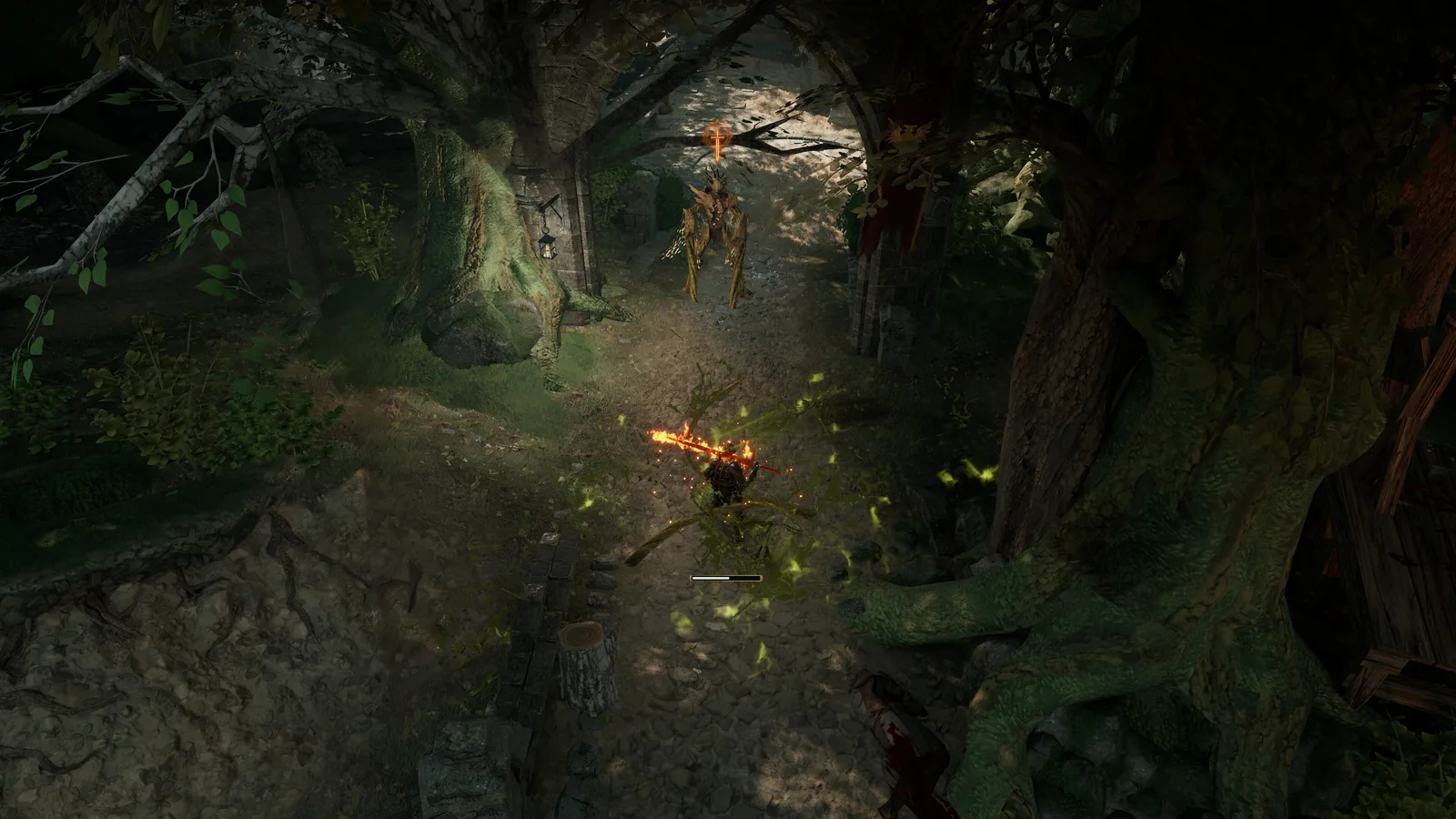
The claim that couch-friendly, top-down ARPGs have been quietly missing from shelves is not nostalgia talking. Diablo III on Switch is the go-to example people cite when they want four people sharing one screen through a full campaign with deep builds and endless loot. Older local co-op action RPGs get revisited the same way, simply because there hasn’t been much new competition in that specific lane. These are all solid games. None of them are new. When the same handful of titles keep getting recommended every time someone asks for a four-player ARPG, that’s not a preference, that’s a supply problem.
There’s a personal version of this story that plays out in living rooms everywhere. A group picks up an older co-op ARPG during a game night, has a blast for two hours, and then never regroups because scheduling four adults around one television is its own boss fight. The genre didn’t die from lack of interest. It died from lack of new options that made the effort of coordinating four people feel worth it.
Camelot Has Company, But a Different Angle
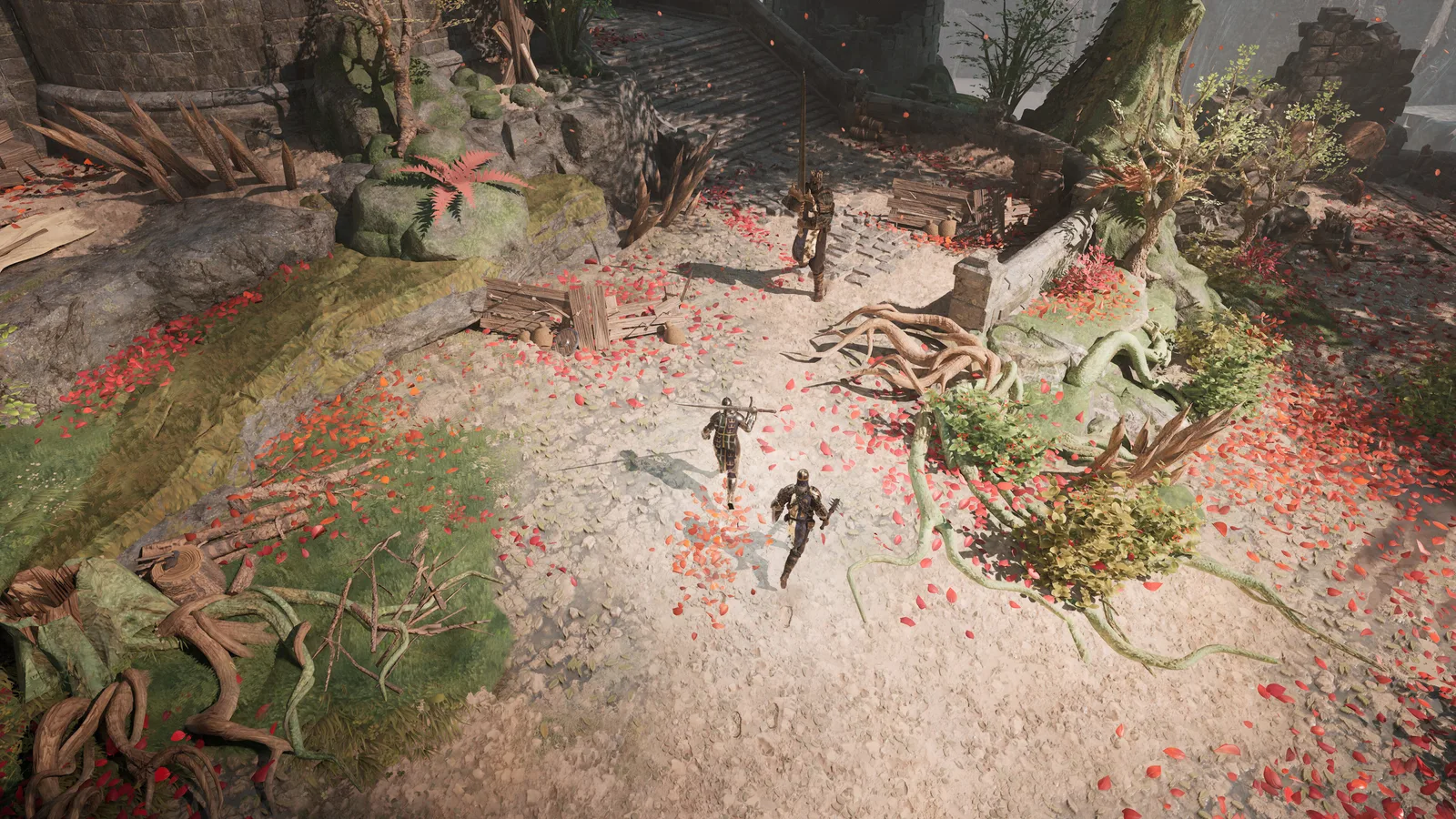
Wardens of Avalon isn’t the only game currently mining Arthurian legend. King Arthur: Knight’s Tale approaches Camelot through tactical, turn-based combat. Tainted Grail: The Fall of Avalon takes the open-world RPG route, leaning into exploration and immersive world-building over party-based combat. Both are compelling, but neither is chasing the same crowd. Wardens of Avalon is making a specific bet that the co-op ARPG audience wants a seat at the Round Table too, and that a fast, loot-driven, four-player dungeon crawl through corrupted Arthurian ruins is a gap nobody else in this current wave of Camelot-themed games is filling.
The One System That Decides Everything
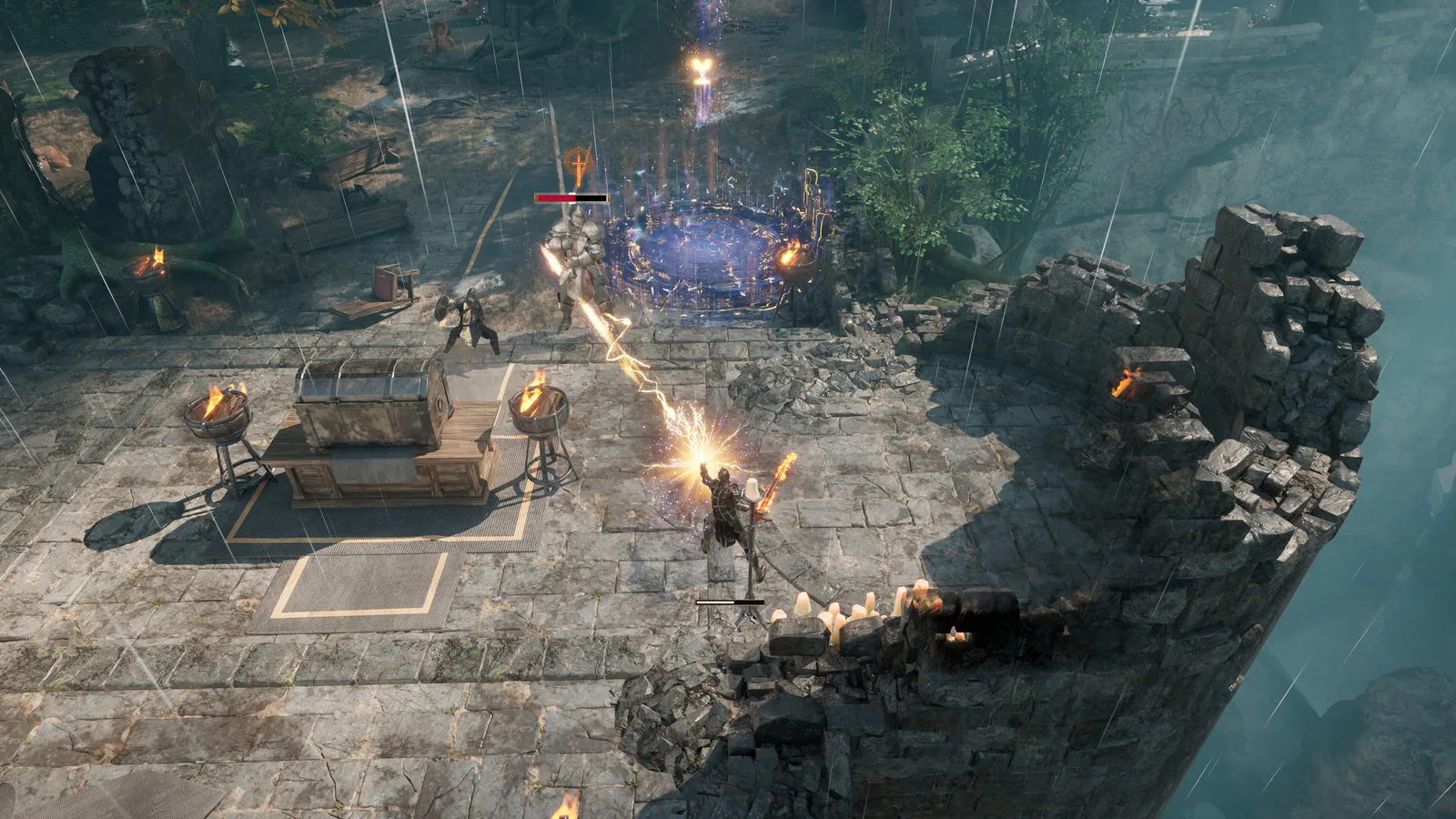
Here’s the part that determines whether this whole idea works or just becomes another entry on the “games we meant to finish” list: difficulty scaling. How the campaign will handle a party shrinking from four players to two or three mid-run is anyone’s guess right now, and it’s worth watching. That’s a meaningful design challenge, because scaling done poorly is exactly how co-op campaigns die. If the game stays too easy with a full group, four players stop paying attention. If it gets brutal the moment someone logs off early, the remaining three feel punished for their friend’s Tuesday night plans. Getting this balance right is less flashy than announcing a new boss or a new build, but it’s the actual hinge the entire “finish it together” pitch swings on.
Every couch co-op veteran has lived through the version where the difficulty curve assumed a full party that never showed up twice in a row. It’s a small design detail with an outsized effect on whether a group actually reaches the credits or just quietly stops replying to the group chat.
What Comes Next


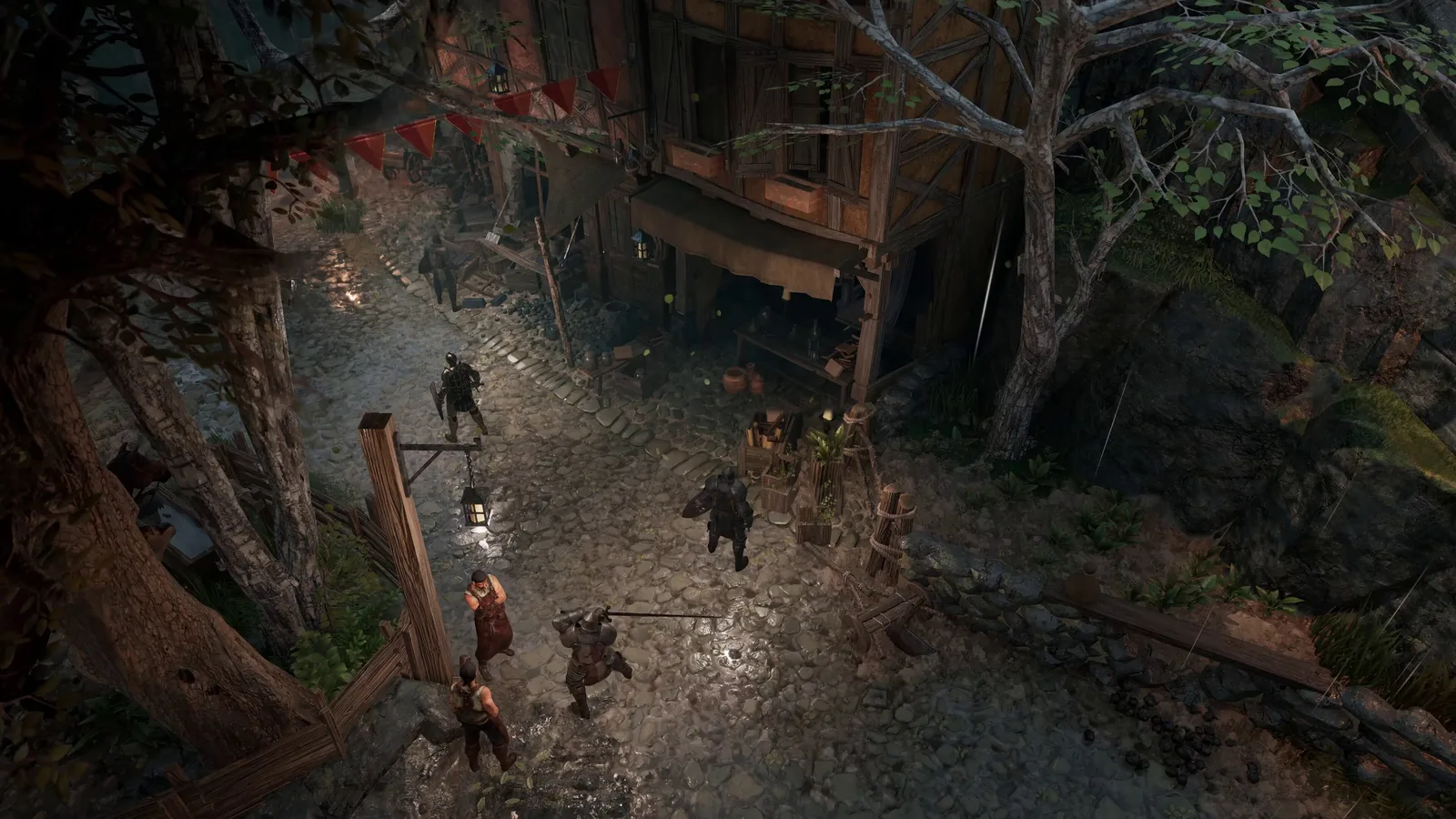
Wardens of Avalon, developed by Runes Studio and published by The Arcade Crew and Dotemu, is currently slated for a 2027 release on PC, with no firm date attached yet. There’s nothing shippable to hold in hand yet, and the studio still has real work ahead to prove the scaling promises hold up under actual four-player chaos rather than a controlled demo reel. But the design intent on display is already the most interesting thing about the project. It’s a studio explicitly building for the friend group that wants to see the ending together, in a genre that has been running on the same handful of aging recommendations for longer than it should have.
Will Wardens of Avalon actually get four busy adults through a full campaign without anyone ghosting the group chat, or is that ambition asking too much of both the game and the friend group?
📬 Get The BF5 — Best F’ing 5 games you missed this week, every Saturday, plus key giveaways. Subscribe free →
F.A.Q.
When does Wardens of Avalon come out?
Wardens of Avalon is set to launch on PC in 2027, though a specific release date has not yet been announced. The game is currently listed on Steam as “Coming Soon,” generating anticipation among fans of the genre.
What platforms is Wardens of Avalon on?
Wardens of Avalon will initially release on PC, with plans for console versions to follow later. Specific platforms such as PS5 and Xbox have not been confirmed for the game’s launch, but interest in console availability is high among potential players.
Is Wardens of Avalon co-op?
Yes, Wardens of Avalon features cooperative multiplayer gameplay, allowing up to four players to team up online or locally. The game is designed specifically for cooperative play, focusing on teamwork and shared objectives as players restore the fallen Camelot.
What type of game is Wardens of Avalon?
Wardens of Avalon is a top-down action RPG (ARPG) set in a dark Arthurian world. The game draws inspiration from the Diablo series, featuring fast-paced combat, loot collection, and a campaign structure that encourages groups to progress together.
Is Wardens of Avalon worth it?
While it’s too early for reviews, Wardens of Avalon promises an engaging gameplay experience tailored for cooperative play. The innovative oath-based build system and fiefdom-building mechanics add depth, making it a compelling choice for fans of action RPGs looking for fresh multiplayer experiences.
Does Wardens of Avalon have crafting?
Yes, crafting is a feature in Wardens of Avalon, allowing players to gear up for adventures. This adds another layer to gameplay, as players can customize their equipment and enhance their characters while they explore and battle through the ruins of Camelot.
BFG drafts articles with AI from our team’s research and verified store data — every piece is fact-checked and runs a multi-stage editorial review before publishing.