The roguelike genre is packed with games asking players to fight, loot, and die repeatedly — but Retroneer, an upcoming indie title from developer enoom and UK publisher Slug Disco, wants to swap the sword for a soldering iron, blending hand-crafted electrical circuit puzzles with a procedurally generated roguelike structure in a way that feels genuinely fresh.
Retroneer Is Not Quite a Puzzle Game and Not Quite a Roguelike — It’s Both
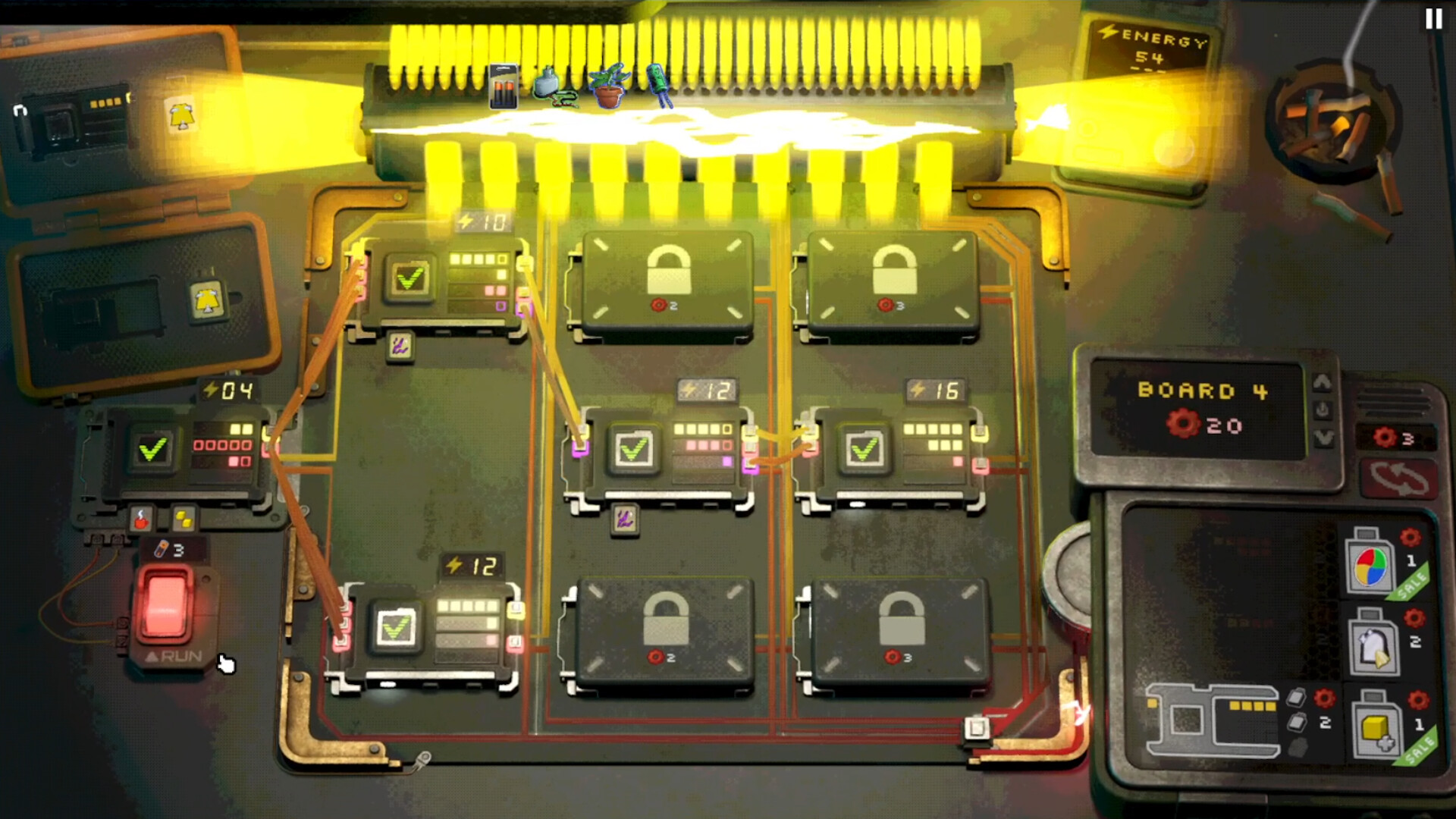
Here’s the lowdown. Retroneer puts players in charge of designing and optimizing small electrical circuits and automation systems completely from scratch. There are no preset answers waiting to be discovered. Every solution comes from the player’s own thinking, their own layout, their own logic. That alone makes it stand out from most puzzle games, where the “correct” path already exists and the job is simply to find it.
On top of that circuit-building foundation sits a roguelike structure. Each run is procedurally generated, meaning no two playthroughs will look the same. Players collect Trinkets — game-changing pickups — and Modules, which are powerful tools that interact directly with circuit designs to create synergies. Push deep enough into something the game calls “Amplitude,” and new secrets start to surface. The further in, the stranger and more rewarding things get.
The closest comparison points are Opus Magnum, which shares that careful, hands-on circuit-puzzle DNA, and CloverPit, which gives a sense of the roguelike run structure at play. But Retroneer is not a straight copy of either. It sits in its own space — one where the challenge is never about combat, only about smart design and sharp problem-solving.
Why Mixing Circuit Puzzles With Roguelike Runs Is a Smarter Idea Than It Sounds
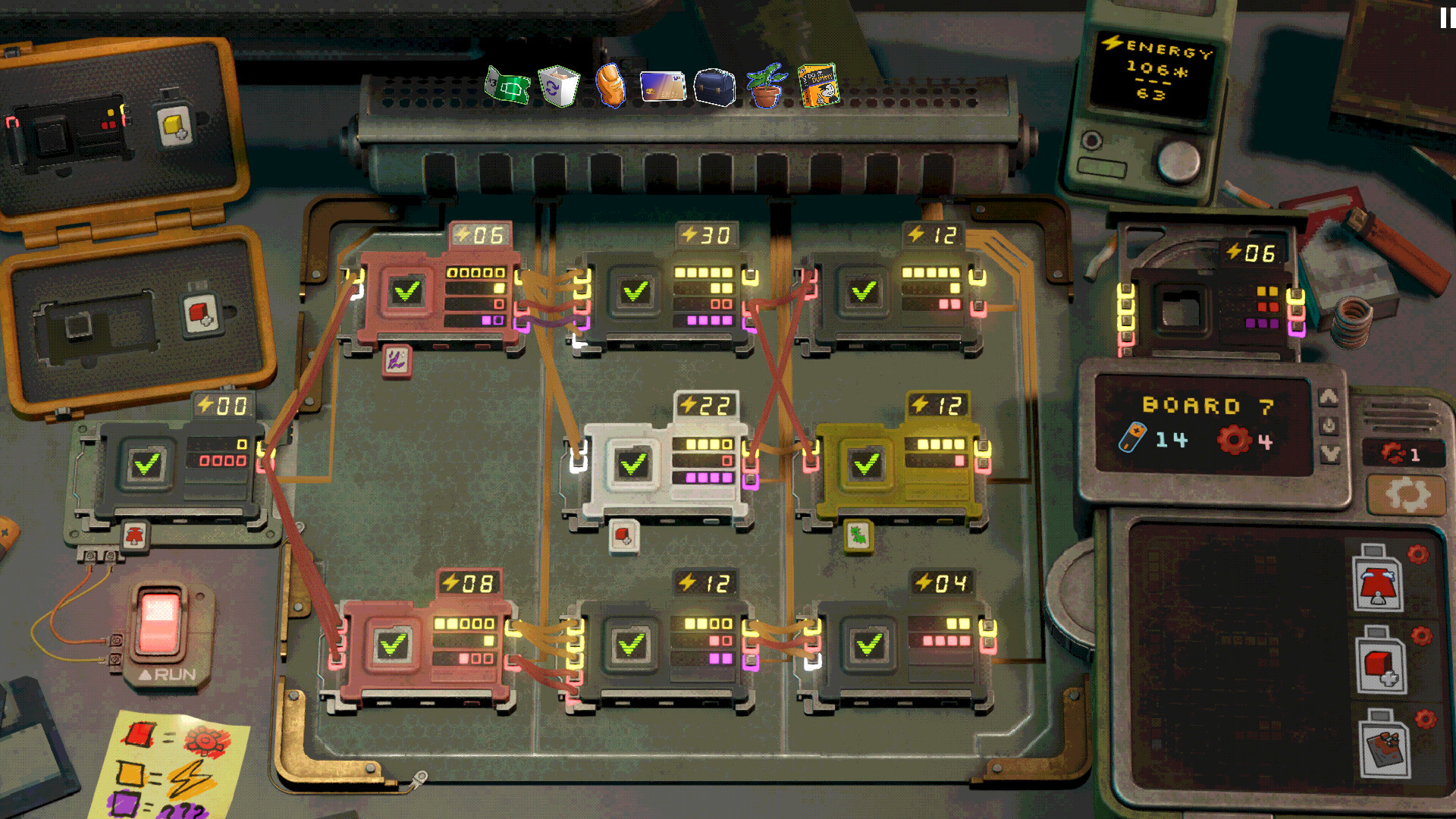
Most puzzle games have a ceiling. Once a solution clicks, it’s done. There’s nowhere left to go. Astra has spent plenty of hours with games like that — cracking the final puzzle, watching the credits roll, and feeling a strange mix of satisfaction and mild disappointment that it’s over. Retroneer’s roguelike layer changes that equation completely.
Because runs are procedurally generated, failure does not feel like hitting a wall. It feels like getting information. A circuit that fell apart in one run reveals exactly where the weak point was, and that knowledge carries forward. Build, fail, learn, rebuild smarter — that loop is the whole point, and it’s a genuinely compelling one.
The synergies between Trinkets, Modules, and a player’s own circuit logic can produce explosive chain reactions that feel earned rather than stumbled upon. Nothing here is handed over. When something clicks and a system fires off exactly as planned, that eureka moment hits harder because the player built every piece of it themselves. The designs feel personal. Hand-made, almost.
That balance also puts Retroneer in a sweet spot for two very different types of players. Newcomers to automation games will find the puzzle-focused format approachable — it is far more compact than something like Factorio, without the sprawling factory management that can overwhelm. Meanwhile, veteran optimizers will find plenty of depth to dig into, chasing better synergies and cleaner circuit designs across run after run.
The Team Behind Retroneer and What Makes the Presentation Worth Noting

Retroneer is the work of enoom, an indie developer working at small scale, with Slug Disco handling publishing duties. Slug Disco is a UK-based indie publisher that knows this corner of the market well, and their involvement suggests the game is getting genuine support rather than being left to fend for itself.
One detail worth flagging is the original soundtrack, composed by Macroblank. It is not an afterthought. The music is a deliberate creative choice designed to add atmosphere to the tinkering loop — the kind of thing that makes sitting down and wiring up a circuit feel like an event rather than a chore. Good music in a puzzle game is easy to underestimate until it’s missing.
The community side of things is already active too. Retroneer has a presence on Discord, Bluesky, Instagram, and X, and the development communication ahead of launch suggests a team that is engaged and transparent. For a game still in prerelease, that level of visibility is a good sign.
When Does Retroneer Come Out?
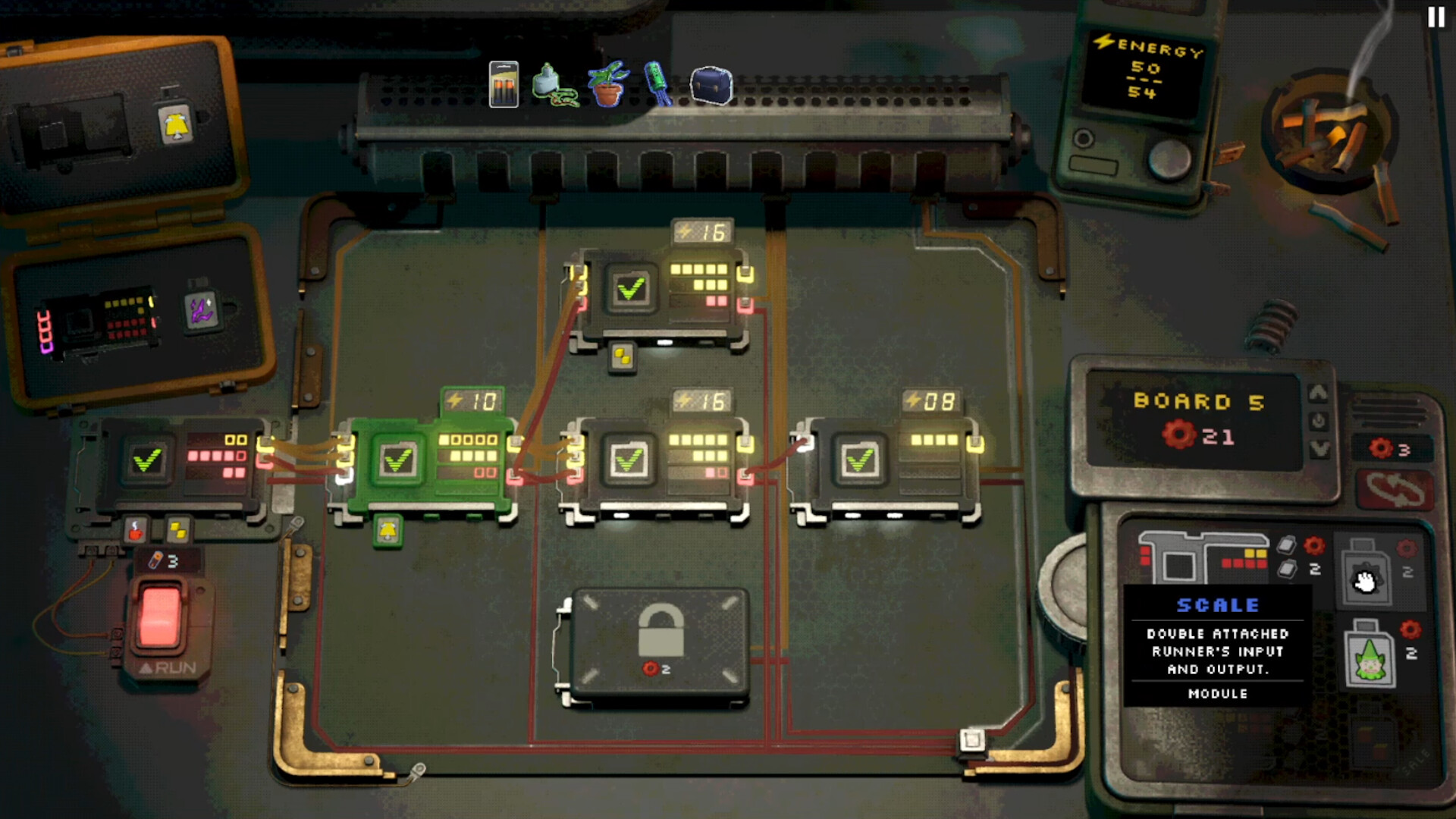
Retroneer is targeting a 2027 release on Windows PC via Steam. No specific month or date within 2027 has been confirmed yet, so there is still some waiting ahead. The Steam page is live right now, though, and wishlisting the game helps push it toward more players as the launch window gets closer. For anyone who wants to stay updated on development, the Discord community is the most direct line to news as it happens.
Who Should Be Keeping an Eye on Retroneer Before 2027 Arrives
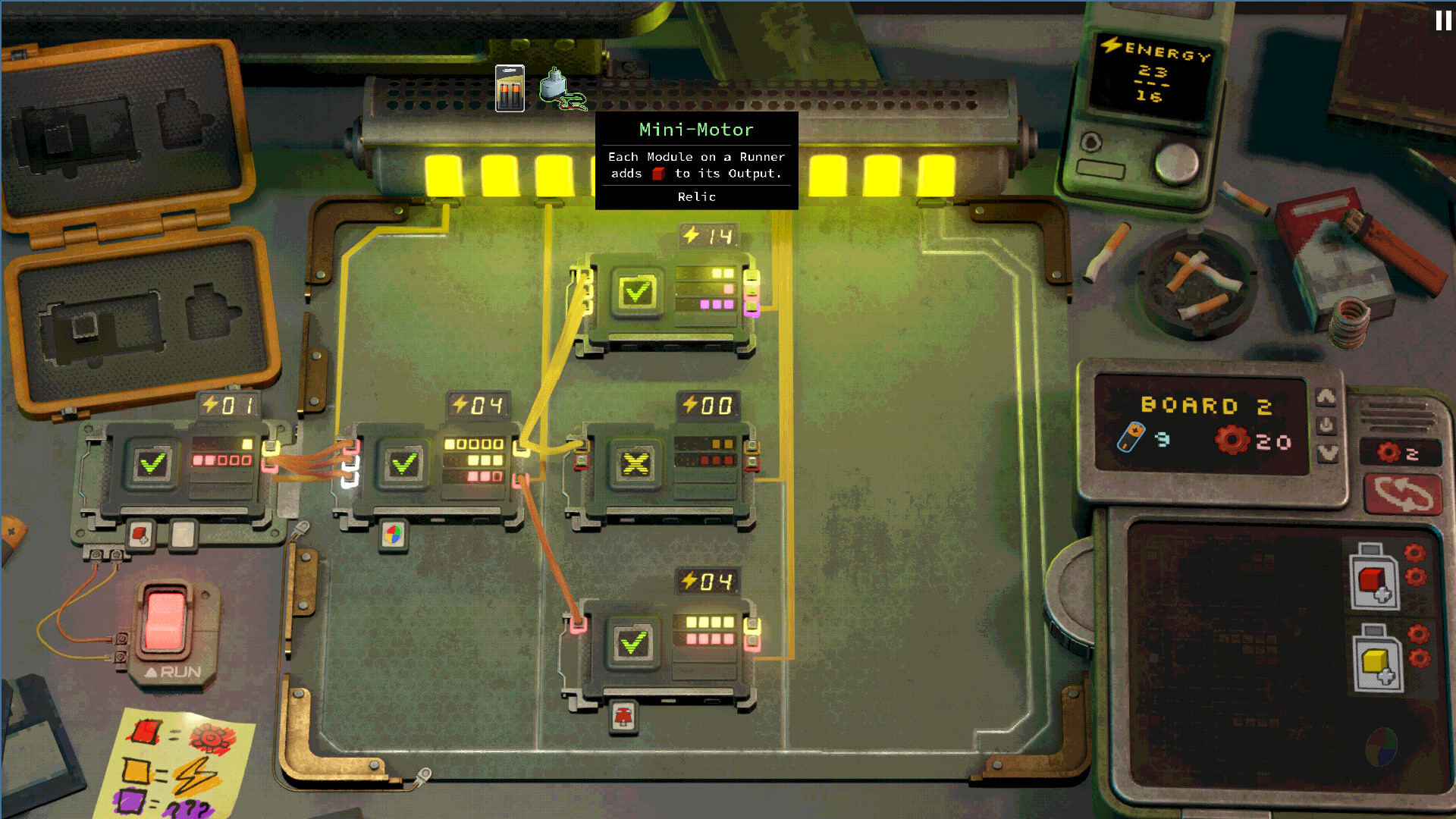
Retroneer is not trying to be everything to everyone. It is a focused, specific game built for a specific kind of player — one who finds more fun in solving a tricky design problem than in slashing through enemies. If automation games like Factorio scratch a particular itch but feel too large and sprawling, Retroneer offers that same satisfaction in a much tighter package. If roguelikes have started to blur together because every one of them centres on combat, this is a run-based game where the weapon is a well-wired circuit.
Astra has a soft spot for games that reward patience and lateral thinking over reflexes, the kind where sitting quietly and working through a problem feels more exciting than any action sequence. Retroneer looks like exactly that kind of game. The concept is distinct, the loop sounds genuinely satisfying, and the combination of enoom’s design and Slug Disco’s publishing experience gives it a solid foundation heading into 2027.
It is worth adding to a wishlist now, before the noise around it gets louder — and with a premise this specific and a creative team this focused, the question is not whether Retroneer will find its audience, but just how deep that audience is willing to go once the circuits start firing.
F.A.Q.
What type of game is Retroneer?
Retroneer is a roguelike automation puzzle game that blends hand-crafted electrical circuit building with procedurally generated run-based progression. Players design and optimize small electrical systems from scratch rather than fighting enemies, making it a strategy and simulation title at heart. It draws comparisons to Opus Magnum for its circuit-puzzle DNA and CloverPit for its roguelike structure, but occupies its own distinct space within both genres.
When does Retroneer come out?
Retroneer is currently targeting a 2027 release on Windows PC via Steam. No specific month or date within 2027 has been confirmed yet. In the meantime, the Steam page is live and accepting wishlists, which helps the game reach more players ahead of launch. The development team is also active on Discord for anyone wanting to follow progress as it happens.
What platforms is Retroneer on?
Retroneer is a Windows PC exclusive, releasing via Steam. There has been no announcement of console versions or support for other operating systems at this stage. Players on Mac or Linux will need to check back closer to the 2027 launch window for any updates on additional platform support.
Is Retroneer a roguelike?
Yes, Retroneer uses a roguelike structure as one of its two core pillars. Each run is procedurally generated, meaning no two playthroughs will play out the same way. Players collect Trinkets and Modules across runs that interact with their circuit designs to create synergies, and progression deeper into what the game calls Amplitude unlocks new secrets. Crucially, failure feeds into the loop rather than ending it — each failed run provides information that helps players build smarter circuits on the next attempt.
Is Retroneer similar to Factorio?
Retroneer shares some DNA with Factorio in that both reward careful automation thinking and strategic optimization, but the two games are very different in scale. Factorio is a sprawling factory management game that can feel overwhelming in its scope. Retroneer is far more compact and puzzle-focused, offering that same satisfaction of designing an efficient system in a much tighter, more approachable package. It is a good option for players who find Factorio’s scale intimidating but still want that hands-on automation problem-solving experience.
Who is developing Retroneer?
Retroneer is being developed by indie developer enoom and published by Slug Disco, a UK-based indie publisher with experience in this corner of the market. The original soundtrack is composed by Macroblank, and the music is described as a deliberate creative choice designed to add atmosphere to the circuit-tinkering loop rather than serving as background filler. The team maintains active community channels on Discord, Bluesky, Instagram, and X.
Is Retroneer worth wishlisting?
For players who enjoy thoughtful puzzle-solving, automation games, or roguelikes that centre on strategy rather than combat, Retroneer is a strong candidate for a wishlist ahead of its 2027 launch. The combination of hand-crafted circuit design with procedurally generated runs creates a loop where solutions feel personal and earned, and the synergies between Trinkets, Modules, and player-built circuits offer genuine replayability. With Slug Disco providing publishing support and an active development community already in place, the game has a solid foundation heading into release. You can add it to your wishlist directly on the Retroneer Steam page.