Skyrim still owns a strange corner of the RPG genre: the game people finish, then immediately start again just to wander somewhere new. With The Elder Scrolls 6 nowhere near a release date, players have spent years assembling a loose canon of substitutes, and a clear pattern has emerged across critic lists, forum threads, and comment sections. The games that scratch the itch aren’t clones. They’re epic RPGs that borrow one piece of Skyrim’s formula and push it further, whether that’s the wandering, the loot, or the sense that every road leads somewhere worth remembering.
This list counts down eight of the strongest picks, mixing the obvious heavyweight everyone expects with a few deep cuts that deserve more attention than they get. Some lean into fantasy scale, others strip it away entirely for grounded realism, and a couple trade Skyrim’s solo wandering for something closer to a structured party adventure. Every entry earns its spot for a different reason, so the right pick depends on which part of Skyrim actually kept a player logging back in. Baldur’s Gate 3 is deliberately left off this list; its party-based, choice-driven structure sits closer to a tactical ensemble RPG than to Skyrim’s solitary wandering, which is why it’s set aside here rather than forgotten.
8. GreedFall — Diplomacy Over Dragon Fire

GreedFall trades Skyrim’s continent-sized map for something far smaller and more focused: a colonial island called Teer Fradee, where players navigate tangled negotiations between merchant guilds, native tribes, and rival factions. Combat exists, but it takes a back seat to conversation trees and faction reputation, making it feel like an entire game built around Skyrim’s Civil War questline rather than its dragon-slaying main plot.
This one is for the player who remembers picking a side in the Stormcloaks versus Imperials conflict more fondly than any dungeon crawl. GreedFall doesn’t match Skyrim’s scale, and it doesn’t need to. Its strength lies in tighter stakes, where every alliance made in a dusty trading post actually echoes later in the story.
7. Kingdom Come: Deliverance — Medieval Bohemia, No Magic Attached
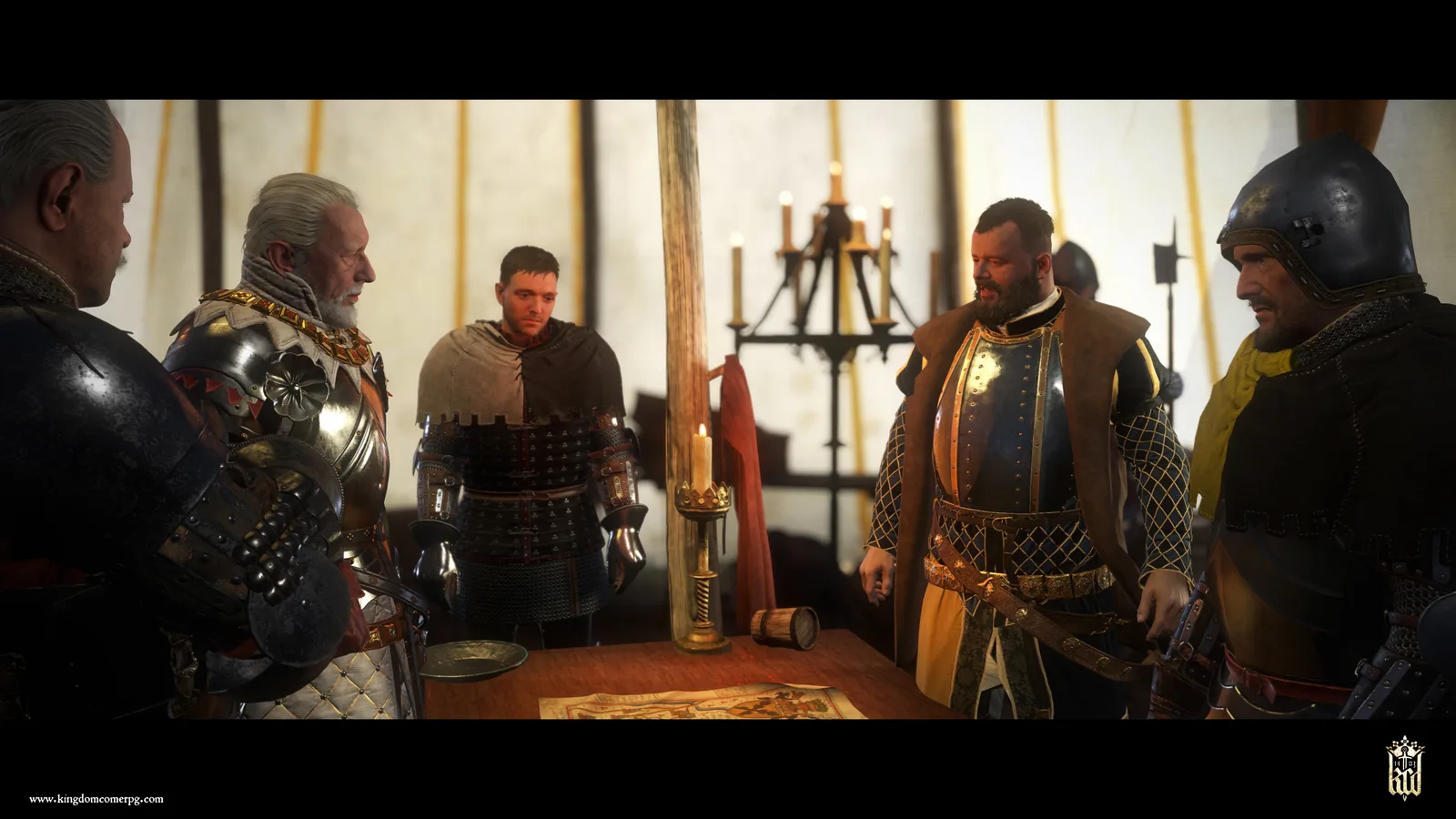
Kingdom Come: Deliverance answers a specific question: what does Skyrim’s “wander into a village and stumble onto a story” feeling look like without dragons, spells, or a single fantasy race? Set in 15th-century Bohemia, the game drops players into a brutal, historically grounded world where sword fighting has real weight and getting lost in the woods can genuinely end badly.
Kingdom Come: Deliverance shows up alongside The Witcher 3 in most “games like Skyrim” roundups. The pacing of stumbling into side quests while riding between towns feels remarkably close to Skyrim’s rhythm, even with the fantasy elements stripped completely away.
6. Kingdoms of Amalur: Reckoning — The Cult Pick for Faster Combat

Kingdoms of Amalur: Reckoning is a frequent name on lists of Skyrim alternatives, and for good reason. It keeps the loot-and-level structure familiar to any Skyrim veteran but swaps in faster, more acrobatic action-RPG combat that feels less like swinging a sword and more like performing one. The class system, built around freely mixing warrior, rogue, and mage skill trees, gives players room to build a character that behaves nothing like a typical Dragonborn.
It never reached blockbuster status, and that’s exactly why it belongs here. Anyone who wished Skyrim’s fights had a bit more flash without losing the RPG bones underneath should give this one a proper look.
5. Dragon Age: Inquisition — Choices That Actually Reshape the Map
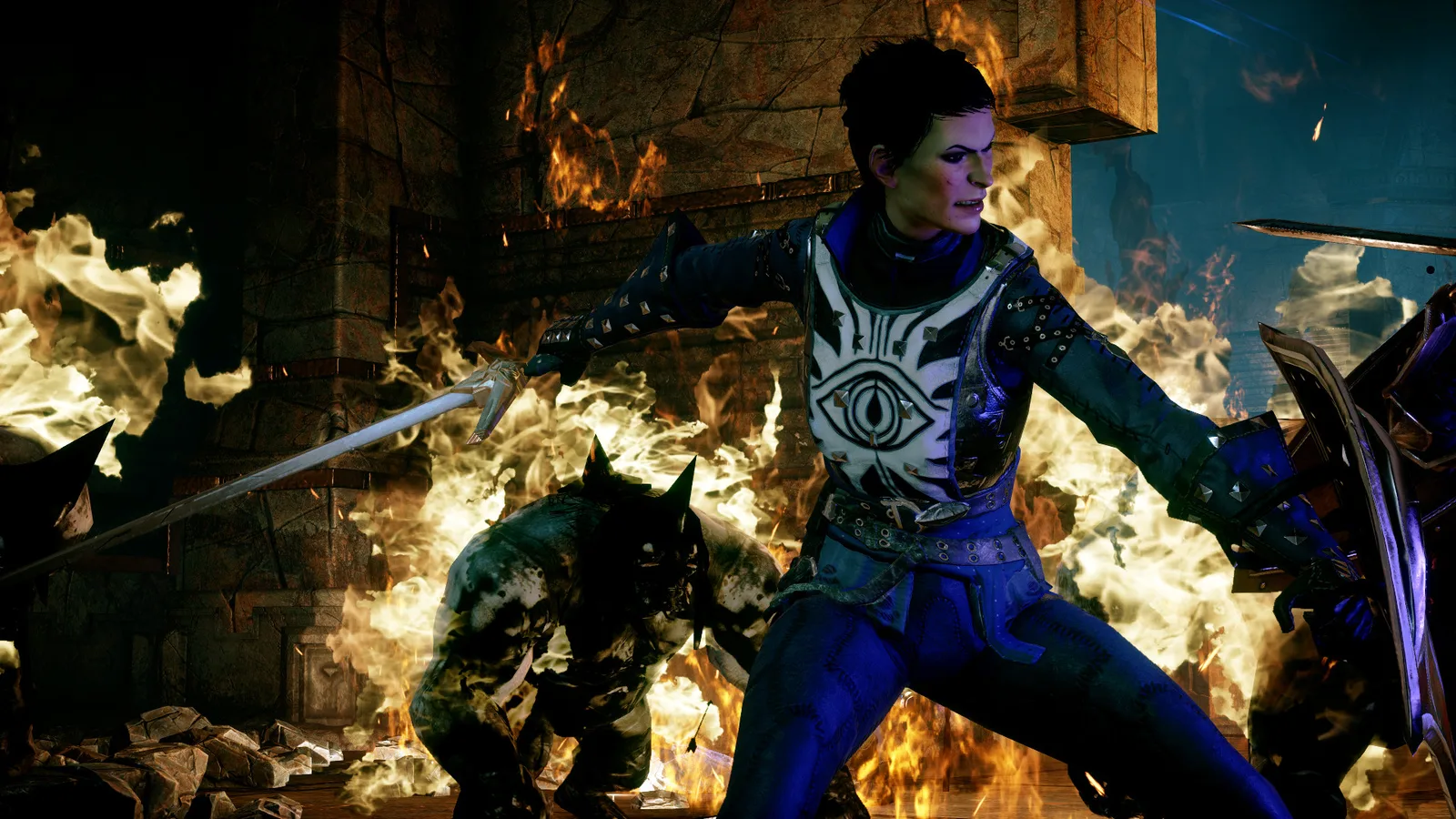
Dragon Age: Inquisition swaps Skyrim’s silent, blank-slate protagonist for a fully voiced character surrounded by a party of companions who argue, judge, and occasionally storm off over decisions made along the way. Where Skyrim lets players roam in near-total silence, Inquisition builds its entire structure around dialogue choices that visibly shift alliances across a sprawling map of regions to reclaim.
Picture a player who burned out on Skyrim’s isolation finally having people around to argue with, judge their choices, and react to the consequences. It trades some of that solitary wandering feeling for consequence and companionship, which makes it the pick for players who wanted Skyrim’s freedom with more voices in the room.
4. Elden Ring — Secrets Rewarded, Comfort Removed

Elden Ring keeps Skyrim’s obsession with hidden catacombs, forgotten ruins, and secrets tucked behind waterfalls, but strips away the safety net entirely. Elden Ring’s deep lore, massive open world, and complex quests are the connective tissue linking it back to Skyrim’s design, even though the combat asks far more of the player.
This is the pick for anyone who misses the density of Skyrim’s world more than its forgiving difficulty. Every hillside in Elden Ring hides something, and the punishing combat only sharpens the payoff when curiosity leads somewhere unexpected. It demands patience Skyrim never asked for, but the reward for exploring is nearly identical.
3. The Elder Scrolls IV: Oblivion — The Direct Ancestor
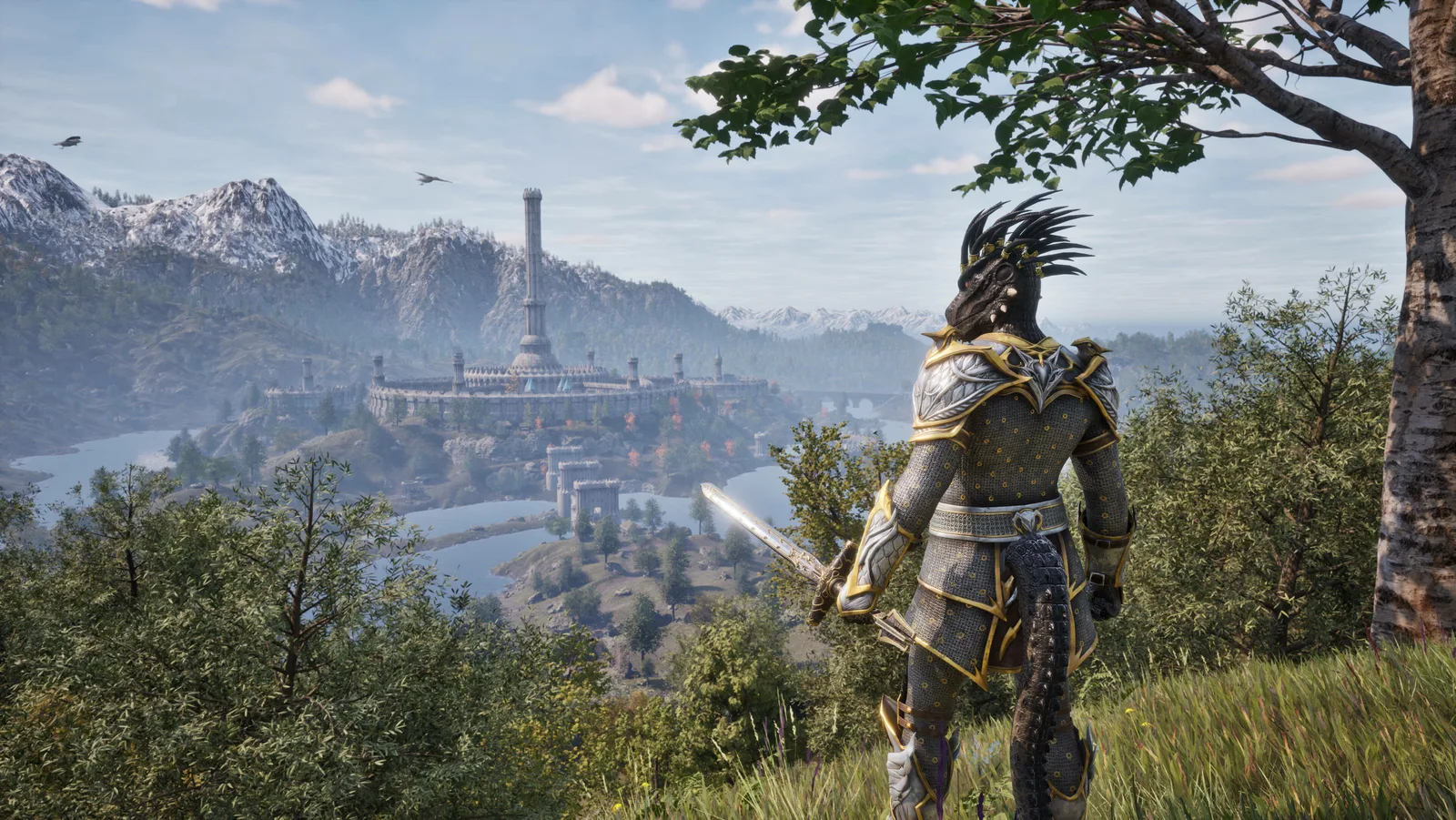
Oblivion is Skyrim’s own predecessor, sharing the same Bethesda DNA down to the guild questlines, faction ranks, and a world designed to be wandered rather than rushed through. Oblivion is often treated as the most obvious Elder Scrolls comparison since it’s Skyrim’s direct predecessor, still carrying the components that made its younger sibling such a hit.
Playing it now feels like visiting an older sibling’s bedroom, familiar shapes everywhere but with rougher edges and a stranger sense of humor. For players chasing the exact structural DNA of Skyrim rather than just its vibe, Oblivion remains the closest thing to a blood relative on this entire list.
2. Dragon’s Dogma 2 — Pick a Direction, Find Trouble

Dragon’s Dogma 2 has become the modern reference point for Skyrim’s specific brand of aimless wandering. GameSpot has described it as the closest match to Skyrim’s feeling in the modern era, pointing to its fantasy open-world design and deliberately janky, physics-driven combat as the key ingredients.
Fights against griffins and cyclopes unfold like chaotic group scrambles rather than clean choreography, and that roughness is the point. Setting out toward a distant ruin and getting derailed by three unrelated encounters along the way is practically the game’s mission statement, and it’s a mission statement lifted almost directly from Skyrim’s own playbook.
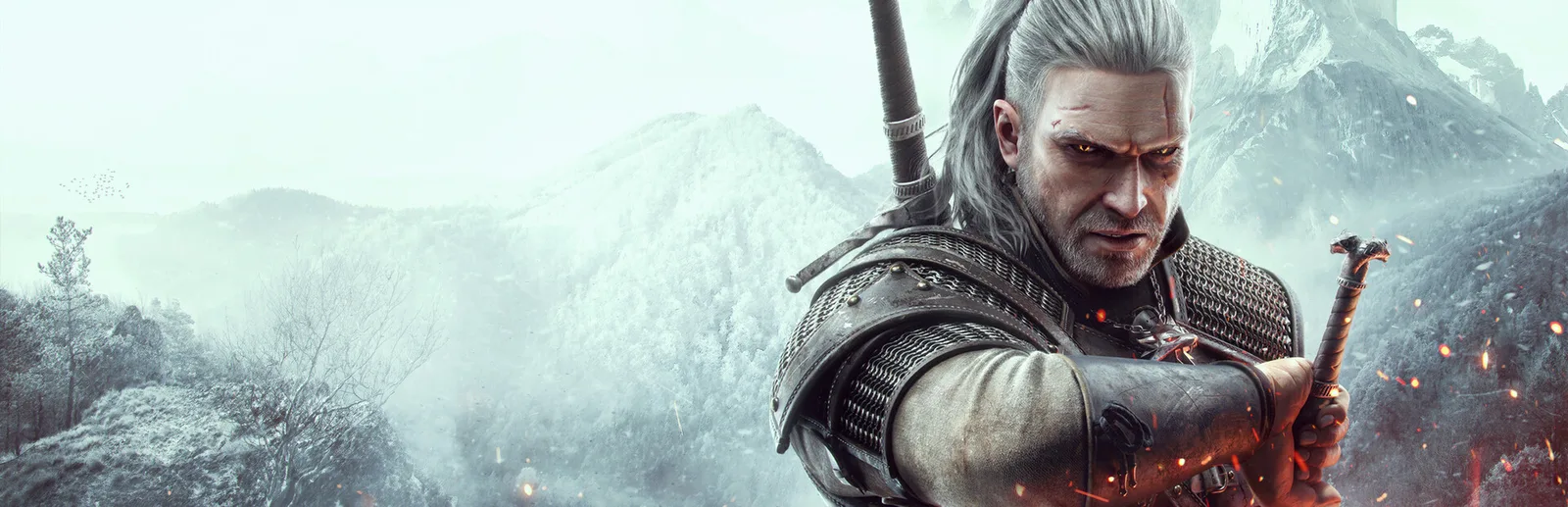
1. The Witcher 3: Wild Hunt — The One Every List Names
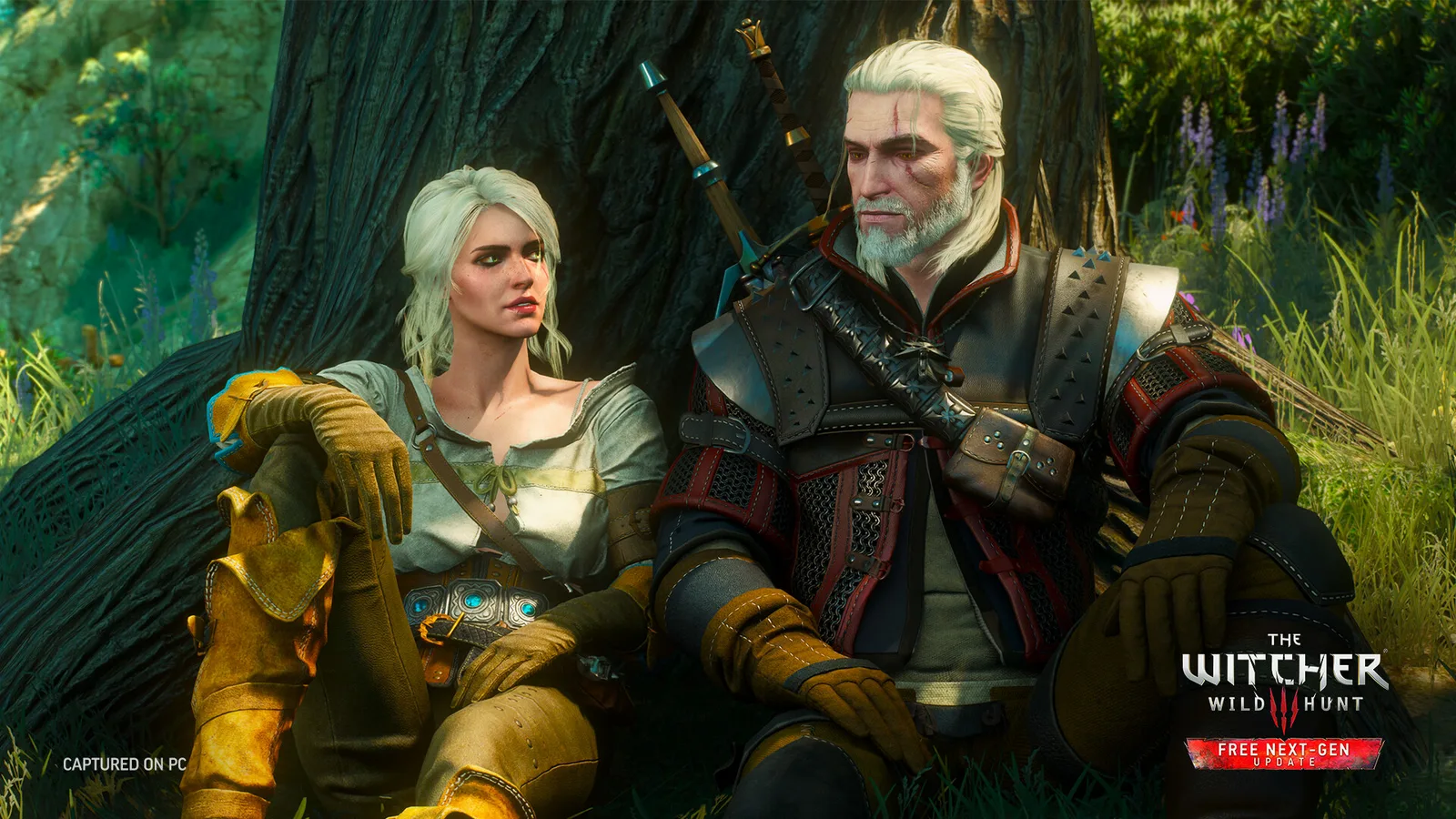
The Witcher 3: Wild Hunt tops nearly every version of this list for one simple reason: it delivers on scale, writing, and side content in a way almost nothing else has managed to match. It’s one of the most frequently cited recommendations across gaming coverage, praised for open-world exploration, engaging storyline, and side quests that rival Skyrim in terms of depth.
What sets it apart isn’t just size, it’s follow-through. A notice board quest about a missing goat can spiral into a multi-hour investigation with genuine emotional stakes, something Skyrim rarely attempted outside its major questlines. Players have described losing entire weekends to side contracts in Novigrad without ever touching the main story, a testament to how absorbing the side content becomes on its own.
Geralt’s world rewards the same instinct Skyrim built its reputation on: read every notice board, talk to every stranger, and assume the real story is hiding somewhere off the beaten path. It earns the top spot not by copying Skyrim, but by proving what that formula looks like when every side quest gets the writing budget of a main one.
Eight different games, eight different reasons to log in, and yet the thread connecting all of them traces straight back to Skyrim’s original promise of a world too big to fully map. Which part of that promise does a reader miss most, the wandering, the loot, or the choices that actually stick?
📬 Get The F5 — Five F’ing Games you’ve never heard of, every Saturday, plus key giveaways. Subscribe free →
F.A.Q.
What games are like Skyrim?
Games like Skyrim include The Witcher 3: Wild Hunt, Dragon’s Dogma 2, Dragon Age: Inquisition, GreedFall, and Kingdoms of Amalur: Reckoning. Each game captures various aspects of open-world exploration, character progression, and engaging quests that fans of Skyrim appreciate.
Is The Witcher 3 similar to Skyrim?
Yes, The Witcher 3: Wild Hunt is often compared to Skyrim due to its vast open world, rich lore, and deep side quests. Players find that both games offer immersive experiences filled with exploration and meaningful choices, making The Witcher 3 a top recommendation for Skyrim fans.
What platforms is Dragon’s Dogma 2 on?
Dragon’s Dogma 2 is set to be released on multiple platforms, including PC, PlayStation 5, and Xbox Series X|S. The game aims to deliver an expansive open world, similar to Skyrim, emphasizing exploration and adventure.
Is Elden Ring a good alternative to Skyrim?
Elden Ring is an excellent alternative to Skyrim for players who enjoy deep lore, expansive worlds, and complex quests. While it features more challenging combat, it retains the sense of discovery and hidden secrets that Skyrim fans love.
How much does Kingdoms of Amalur: Reckoning cost?
Kingdoms of Amalur: Reckoning is typically priced around $29.99, but prices may vary based on sales and platform. This action-oriented RPG offers a similar loot and leveling system that fans of Skyrim would find appealing.
Are there any games like Skyrim for low-end PCs?
For low-end PCs, games like GreedFall and Kingdom Come: Deliverance are good alternatives to Skyrim. Both titles provide engaging narratives and gameplay without demanding high-end hardware, making them accessible to a broader range of players.
BFG drafts articles with AI from our team’s research and verified store data — every piece is reviewed by our staff before publishing.