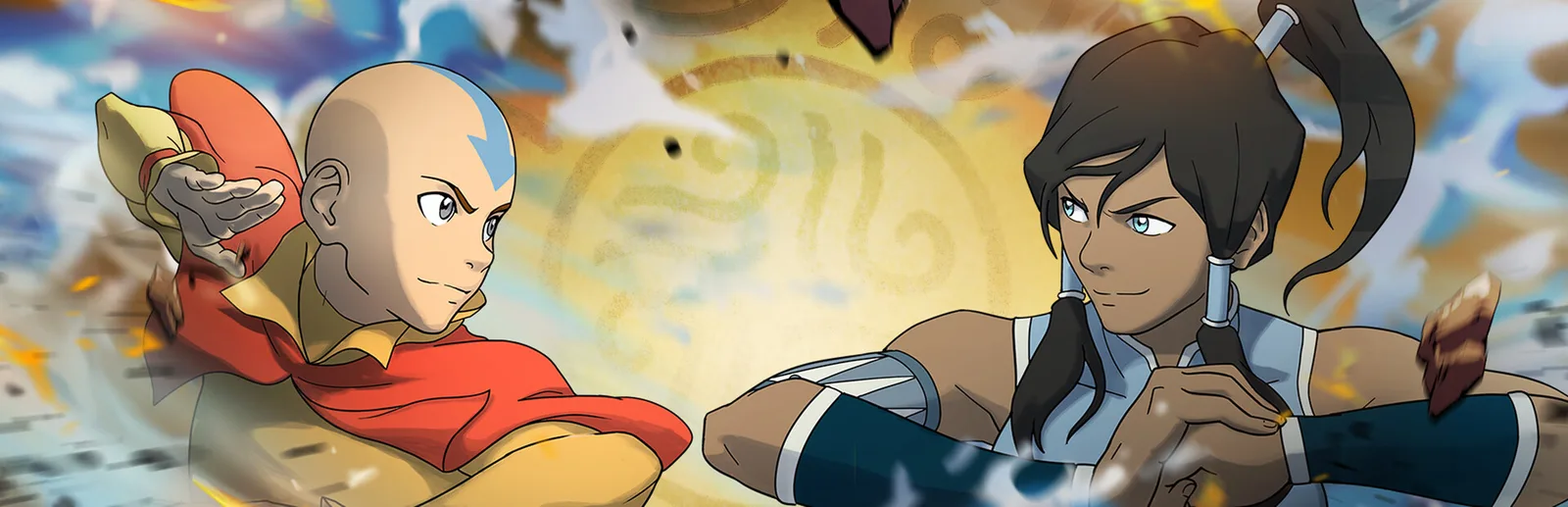
Fans have wanted a real Avatar fighting game for two decades, and most of what they got instead were rushed cartoon tie-ins that barely qualified as combat sims. Avatar Legends: The Fighting Game is aiming to break that streak for good. This isn’t some quick licensed cash grab slapped together to ride a nostalgia wave. It’s a proper 1v1 fighter built around bending as an actual combat system, and it’s reportedly coming July 23, 2026. The pedigree here matters too. This is being built by a team of fighting-game specialists, not a generic studio that got handed a cartoon license and told to figure it out. Expect hand-drawn 2D visuals, 12 characters at launch, and a design philosophy built to satisfy both lifelong Avatar fans and the kind of players who spend hours in the training room labbing frame data.
Bending As A Fighting System: The Flow Mechanic
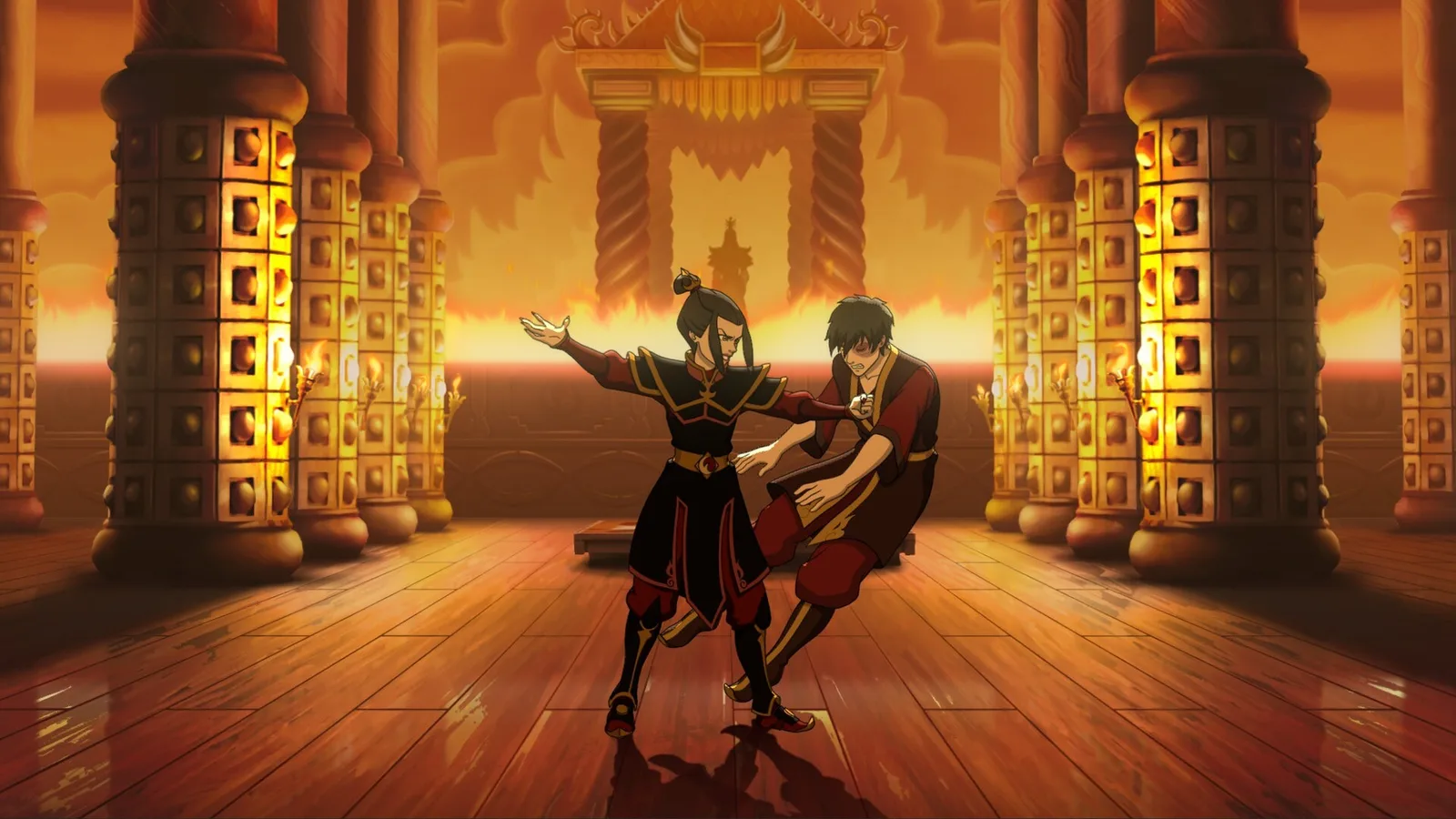
The headline feature is something called the Flow System, and it’s a smart twist on how fighting games usually handle movement. Instead of treating dashes and jumps as simple tools to close distance, Flow makes movement itself a resource. It shapes how each character cancels moves, applies pressure, and controls neutral. That’s a meaningful departure from typical footsies-based fighters.
In practice, this means bending philosophy actually becomes gameplay instead of just a coat of paint. Airbenders drift and hover, fighting for control of aerial space the way Aang always seemed to float above a fight rather than stand in it. Earthbenders anchor themselves and grind forward with heavy, deliberate pressure. Waterbenders flow around opponents, repositioning constantly instead of trading blows head-on. It’s a clever way to make the source material’s core themes matter mechanically, not just visually.
There’s a second layer sitting on top of Flow: support characters. Players pick a support alongside their main fighter, and that choice shifts the overall game plan. It’s a small team-building wrinkle stuffed inside a 1v1 format, and it adds real depth for players who like theorycrafting synergies between characters.
The Look: Hand-Drawn Animation True To The Show
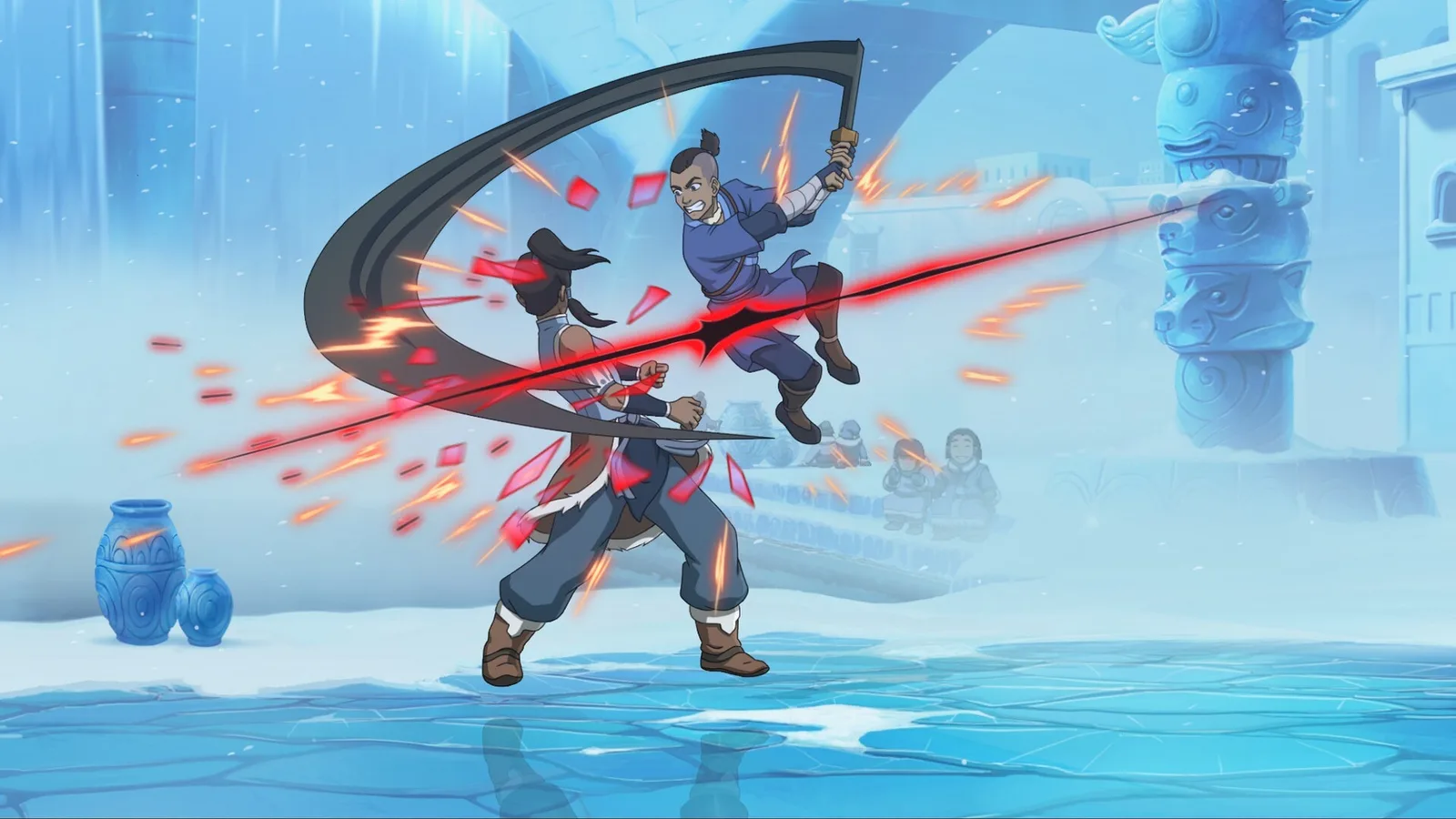
Visually, this game is going all in on hand-drawn 2D animation, built to move and feel like the actual cartoon instead of some stiff 3D approximation wearing the characters’ faces. That’s a bold choice. Most modern licensed fighters default to 3D models because it’s cheaper and faster, but animation clarity can make or break a fighting game’s competitive readability. Betting on hand-drawn art means betting on both fidelity to the source and function in actual matches, and that’s a tightrope walk worth watching closely.
Roster, Modes, And What Players Get At Launch

Twelve playable characters are confirmed for launch, including Aang, Korra, Zuko, Katara, Toph, and Sokka. More will arrive through a seasonal post-launch model, which is standard practice for modern fighters trying to keep their competitive scene fed with new blood — think of it like a ranked season reset, except instead of a new rank icon you get a whole new character to learn and counter-pick around.
The mode list covers the essentials: Offline and Online Versus, Story, Arcade, Training, Spectator, and an Art Gallery for anyone who wants to admire the character art and stage designs outside of combat. The single-player campaign features an original narrative rather than just replaying familiar show plotlines, which is a nice touch for fans looking for something new. Combo trials and training tools round things out, aimed at actually teaching newcomers the system instead of leaving them to mash buttons and hope — the kind of lab work that separates people who button-mash from people who actually understand why a combo drops.
When Does Avatar Legends: The Fighting Game Come Out?
Mark the calendar for July 23, 2026. Specific platform availability beyond that date hasn’t been confirmed.
Built For Serious Online Play
Here’s where things could get genuinely exciting for the competitive crowd. For a licensed fighter, strong netcode and cross-play support would be unusually ambitious. Online infrastructure is often an afterthought in these projects, something patched in later once the marketing push has already faded — the fighting game equivalent of building the hype trailer before you’ve even finished the servers.
Cross-play, if implemented, would unify the player base across consoles and PC, which means healthier matchmaking and a stronger long-term community. It would also open the door for real competitive and tournament play down the line, something most cartoon tie-ins never even attempt. Anyone who’s grinded ranked in a fighting game with a thin, region-locked player pool knows exactly how much this kind of infrastructure matters. Waiting three minutes for a match against the same three players gets old fast — like sitting in a lobby longer than the loading screen itself — and unified cross-play would solve that problem before it starts.
Who’s Actually Making This
The developer, Gameplay Group International, is behind the project. Details on the studio’s track record are thin, which is admittedly a little nerve-wracking for a genre where a single patch can make or break a launch — fighting game fans have been burned before by studios that looked good on paper and folded under tournament-level scrutiny.
Publishing comes from PM Studios, Inc. and Skydance Games.
Pre-Order And Edition Breakdown
The Standard Edition includes the full base game as described above. Pre-ordering nets players a Samurai Appa skin along with exclusive color variants for six characters: Aang, Korra, Zuko, Katara, Toph, and Sokka.
Stepping up to the Digital Deluxe Edition adds the Year 1 Pass, which brings five additional characters over the course of the season, Iroh, Ty Lee, Lin Beifong, and Bolin, plus a sixth character chosen by fan vote. Deluxe buyers also get the full digital soundtrack and a digital artbook packed with character and stage art. Anyone who pre-orders the Deluxe Edition specifically gets a say in who that final Year 1 character will be, which is a nice bit of community involvement for a franchise built on passionate fandom.
Avatar Legends: The Fighting Game is shaping up as a genuine attempt to give this franchise a fighter with real mechanical identity, backed by developers aiming to build a proper competitive fighting game. Between the Flow System and the support character layer, this has the bones of something that could stick around in the competitive scene rather than fade out after launch week. Will it be enough to earn a permanent spot in the tournament rotation, or will it end up another well-intentioned licensed fighter that fizzles once the hype settles?
📬 Get The F5 — Five F’ing Games you’ve never heard of, every Saturday, plus key giveaways. Subscribe free →
F.A.Q.
When is the Avatar Legends: The Fighting Game release date?
Avatar Legends: The Fighting Game releases on July 23, 2026. The date was pushed back slightly from an earlier July 2 target, with a pre-order beta running July 2-5 leading up to launch. It’s confirmed for PC via Steam.
What is the Avatar Legends: The Fighting Game roster?
Twelve characters launch day one, including Aang, Korra, Zuko, Katara, Toph, and Sokka. A Year 1 Pass then adds Iroh, Ty Lee, Lin Beifong, and Bolin, plus a sixth character chosen by fan vote, with more arriving through ongoing seasonal updates after launch.
Is Avatar Legends: The Fighting Game on PS5 and Xbox?
Yes, it’s launching on PS5, Xbox Series X|S, and PC, with a Switch version also planned. The game supports full cross-play across platforms, meaning PC, PlayStation, and Xbox players can all match against each other in the same online pool.
What type of game is Avatar Legends: The Fighting Game?
It’s a hand-drawn 2D, 1v1 fighting game built around bending as an actual combat mechanic rather than just visual flavor. A signature Flow System ties movement itself to how each character cancels moves and applies pressure, while a support-character pick adds a team-building layer on top.
Does Avatar Legends: The Fighting Game have crossplay and good netcode?
Yes, the game uses proprietary rollback netcode and supports full cross-play at launch across PC, PS5, and Xbox. Developer Gameplay Group International includes veterans from fighting-game backends like Skullgirls, aiming for competitive-grade online play rather than the thin infrastructure typical of licensed fighters.
Who is developing Avatar Legends: The Fighting Game?
Gameplay Group International is developing the game, founded by former Killer Instinct designer Victor Lugo and ex-Mighty Kingdom director Philip Mayes, in collaboration with Paramount. PM Studios, Inc. and Skydance Games handle publishing, bringing fighting-game specialization rather than generic licensed-game experience to the project.
What editions and pre-order bonuses does Avatar Legends: The Fighting Game have?
The Standard Edition includes the base game, while pre-ordering adds a Samurai Appa skin and exclusive color variants for six characters. The Digital Deluxe Edition adds the Year 1 Pass with five extra characters, the full soundtrack, a digital artbook, and a vote on the Pass’s final character.
BFG drafts articles with AI from our team’s research and verified store data — every piece is reviewed by our staff before publishing.