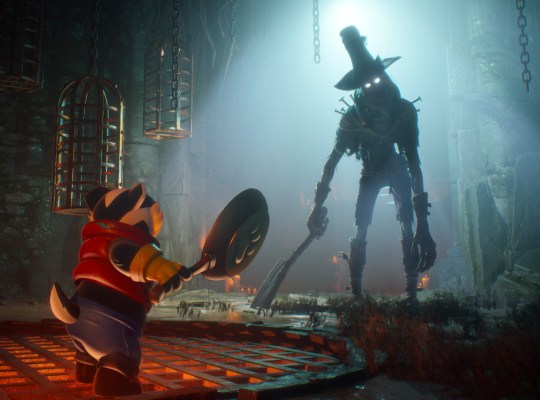
We rank the top vampire games of 2026, from Bloodlines 2’s noir RPG intrigue to Vampire Survivors VR and Vampire Crawlers’ card-slinging spin.
From gothic RPGs steeped in political intrigue to roguelikes that reinvent horde-survival chaos in wildly unexpected ways, the vampire genre is having a moment—and not all of it involves capes and coffins. Whether you’re craving slow-burn dread, deck-building mayhem, or a VR twist on a bona fide indie phenomenon, this ranking digs into the bloodsuckers redefining what it means to hunt (or be hunted) in 2026. Sink in, because these picks prove there’s still plenty of life left in the undead.
#6 Cult Of Blood
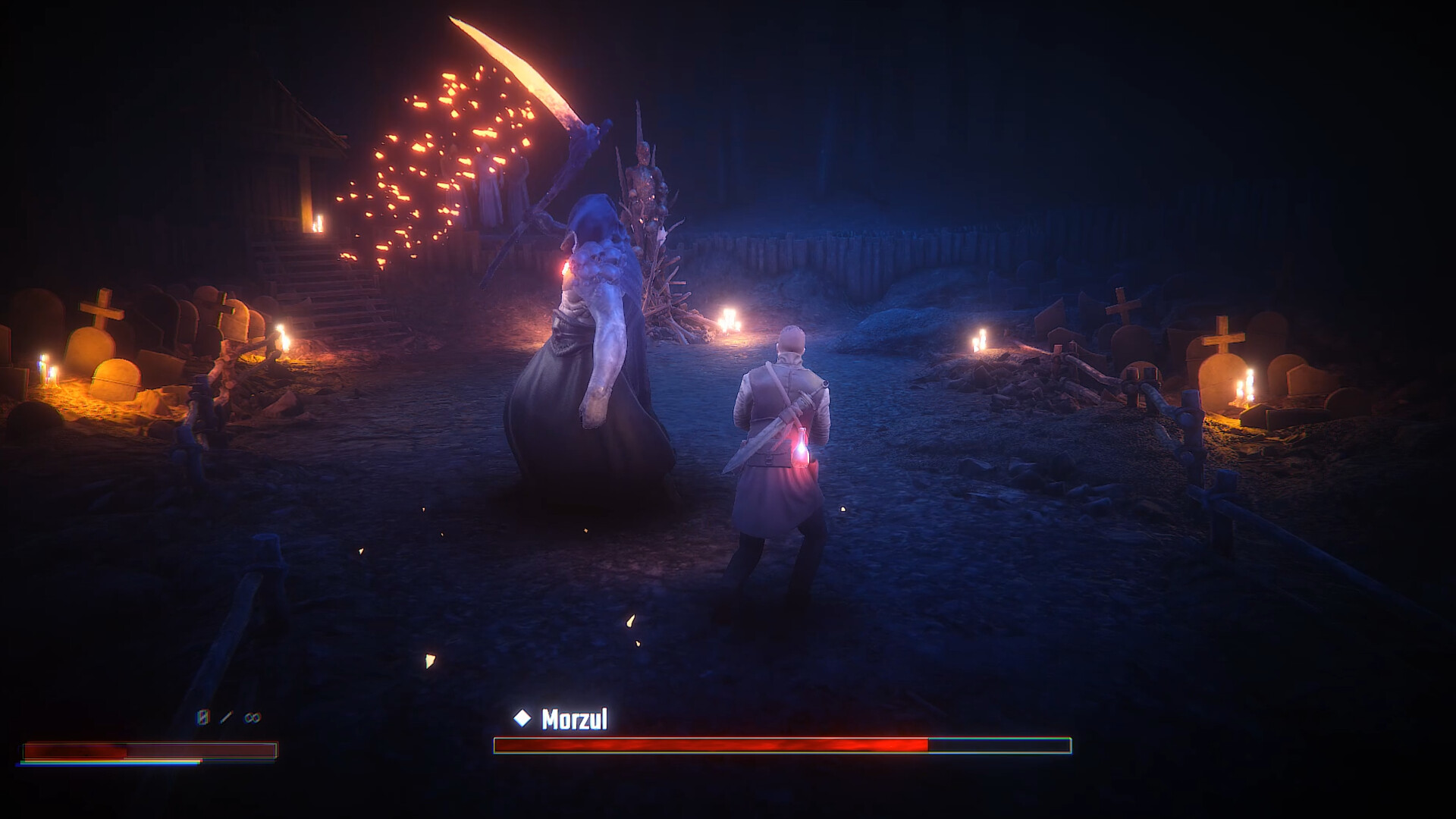
Cult of Blood plays like a love letter to classic Resident Evil, filtered through a scrappy indie lens. This survival horror throwback from a small debut studio is cooking up something for PC and consoles alike. The setup follows a police officer chasing down vampire rumors, only to stumble into a forgotten village frozen in time and run by a blood-obsessed priestess looking to ascend into godhood. It’s less “shamble toward the exit” and more slow-burn dread, wrapped in a story that leans on “inspired by true events” framing before getting twisted with supernatural chaos.
What makes this one worth circling on the calendar is how unapologetically old-school it plays. Fixed camera angles and tank-style controls return in full force, refined just enough to feel fair without losing that classic vulnerability that made early survival horror so nerve-wracking. Combat is chaotic and unforgiving, forcing players to ration ammo like it’s the last MRE on a desert island, while a “blood souls” upgrade system adds just enough progression to keep the grind satisfying rather than punishing. Toss in a genuinely rare narrative combo—true-crime-flavored investigation smashed into occult ritual horror—plus a finale that hinges on an actual moral choice instead of a generic boss rush, and you’ve got a game whose old-school rigidity is also its biggest risk: those fixed cameras and tank controls may frustrate newcomers who never grew up with the genre’s clunkier conventions.

#5 Fangtopia
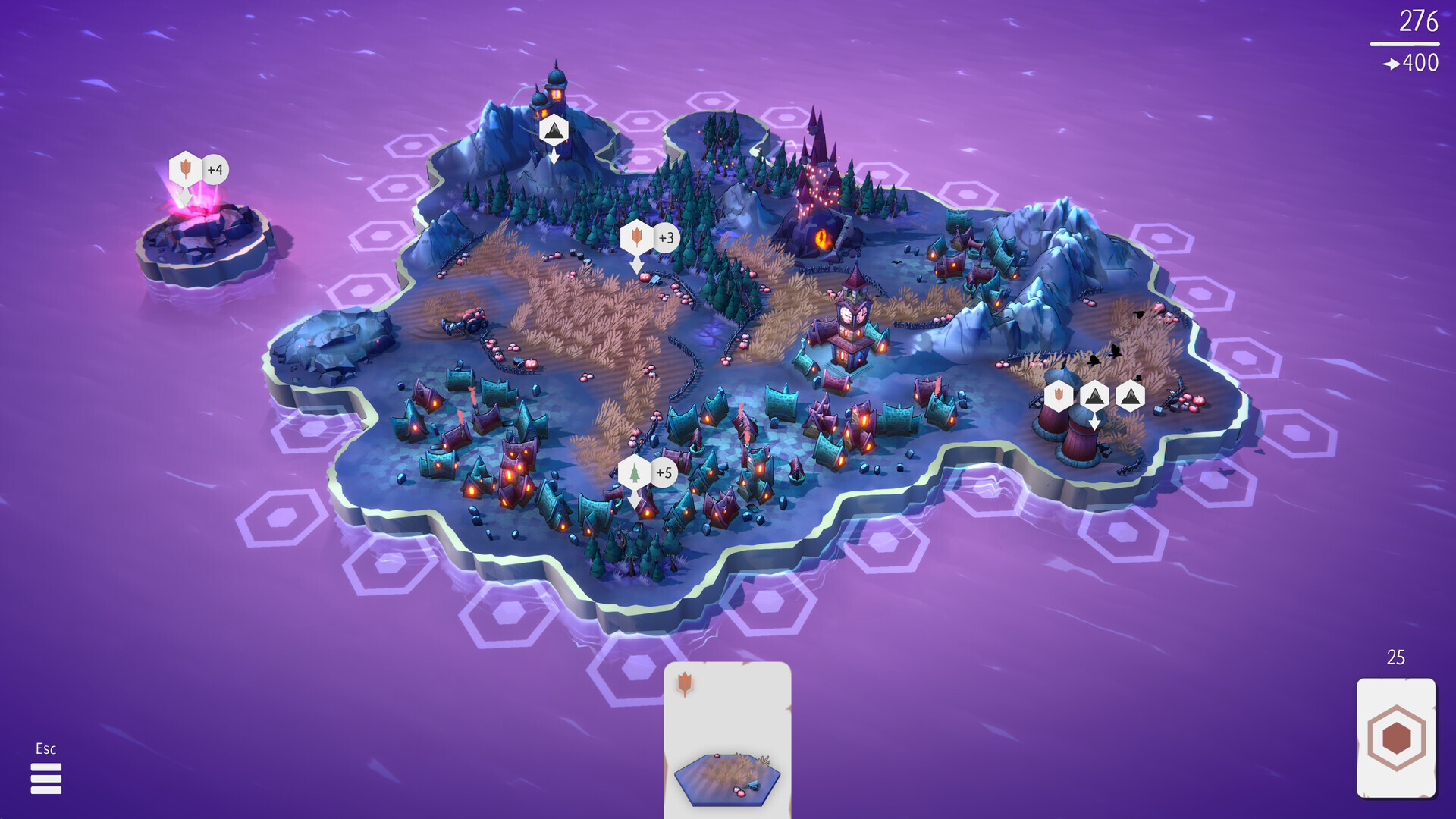
Fangtopia swaps headshots for haunted hillsides, but don’t let that fool the competitive crowd into scrolling past. This upcoming tile-placement builder from a small indie team drops players into a spooky sandbox where forests, swamps, and graveyards get puzzled together one piece at a time. There’s no clock ticking down and no penalty box for a bad placement, just a slow-burn strategy loop where matching tiles and lining up combos scores points and unlocks new content. Think of it as a chess match against your own creativity, except the pawns are haunted tractors and the board never stops growing.
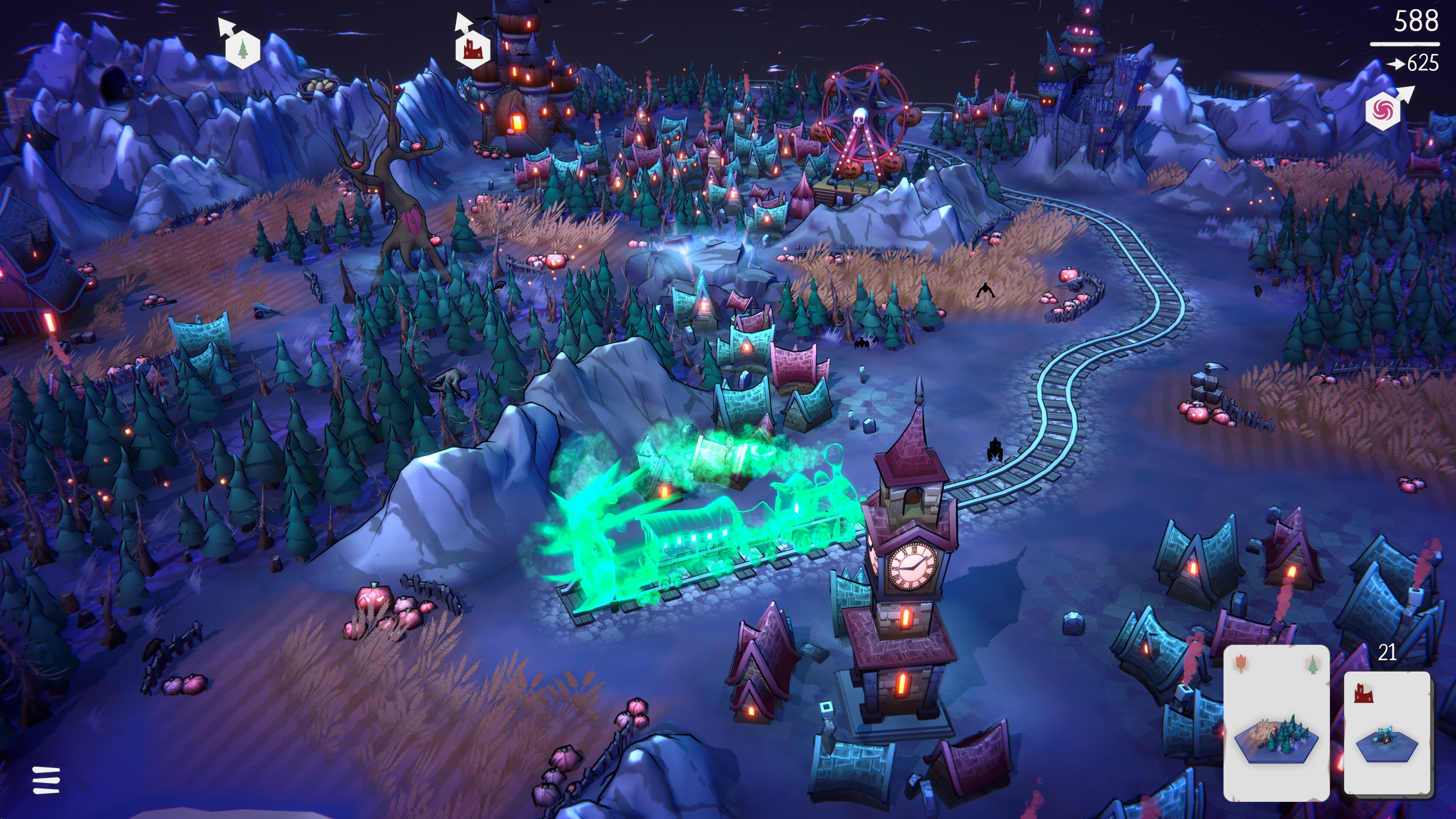
What sets Fangtopia apart from the usual cozy-builder pack is how it layers in systems that reward planning without ever punishing experimentation. The ghost train mechanic turns route-building into a legit strategic sub-game, linking landmarks and monster portals like a rail network with gothic flair, while rotating tiles before placement adds that extra puzzle-brain layer competitive minds will appreciate. Toss in a roster of quirky monsters with their own habitat preferences, plus optional objectives that reward clever combos instead of forcing a grind, and the game turns “no pressure” into “surprisingly deep.” It’s a builder that respects player agency the same way Dorfromantik does, letting patient, methodical thinkers craft something genuinely their own instead of following a checklist to victory.
#4 Vampire Crawlers: The Turbo Wildcard from Vampire Survivors
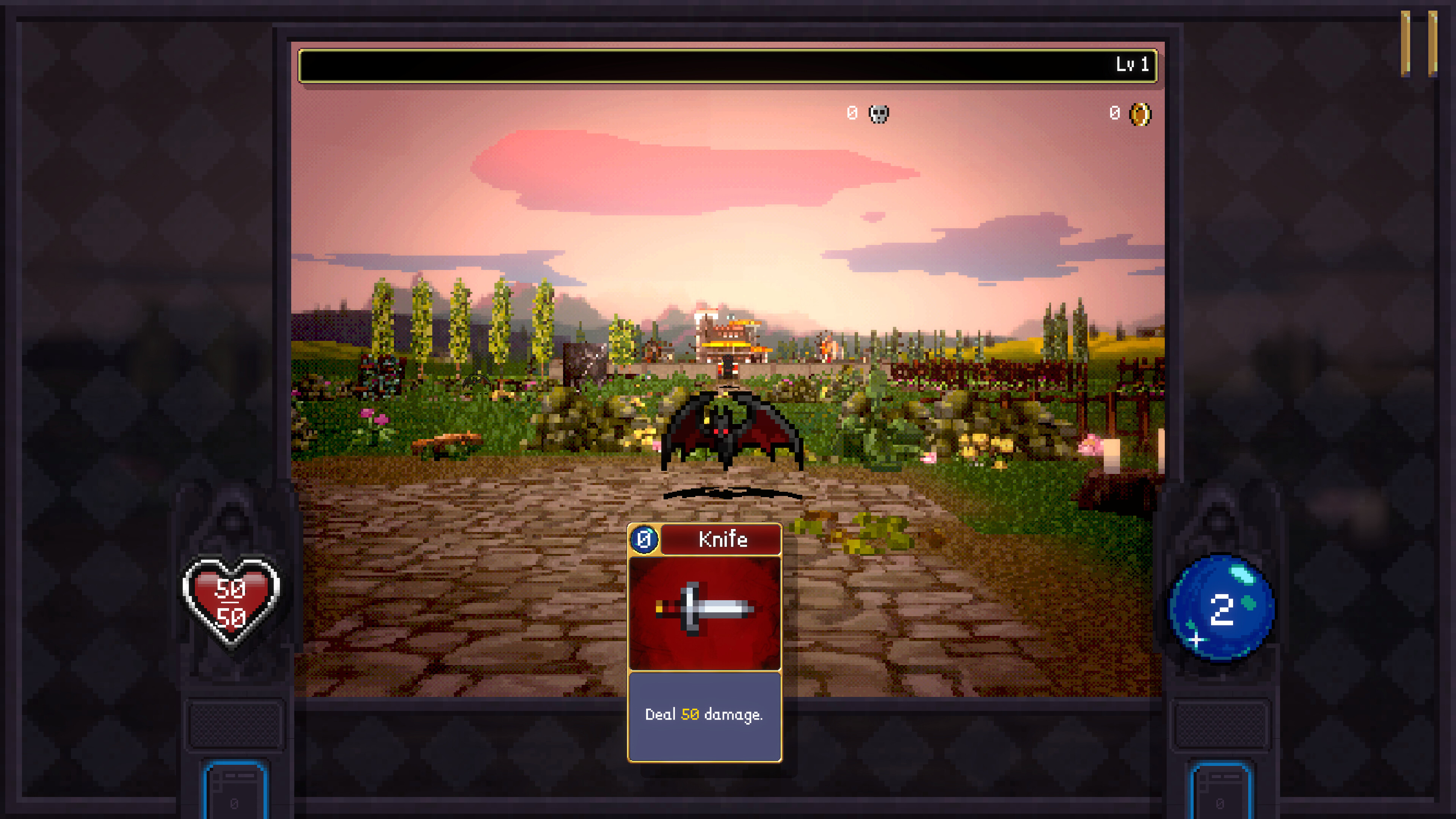
Picture Vampire Survivors, but someone yanked the camera down into a first-person dungeon crawl and swapped the screen-clogging swarms for a deck of cards. That’s Vampire Crawlers: The Turbo Wildcard in a nutshell—a roguelike dungeon crawler where players creep through grid-based corridors, tap simple movement buttons like it’s an old-school throwback, and settle every fight by slinging cards instead of swinging weapons. The garlic clouds, whips, and spinning bibles fans know by heart are all here, just reborn as tactical tools in a deck players build before ever stepping foot in the dark. It’s a genre mashup that sounds like it shouldn’t work on paper, yet somehow lands like a well-timed combo.
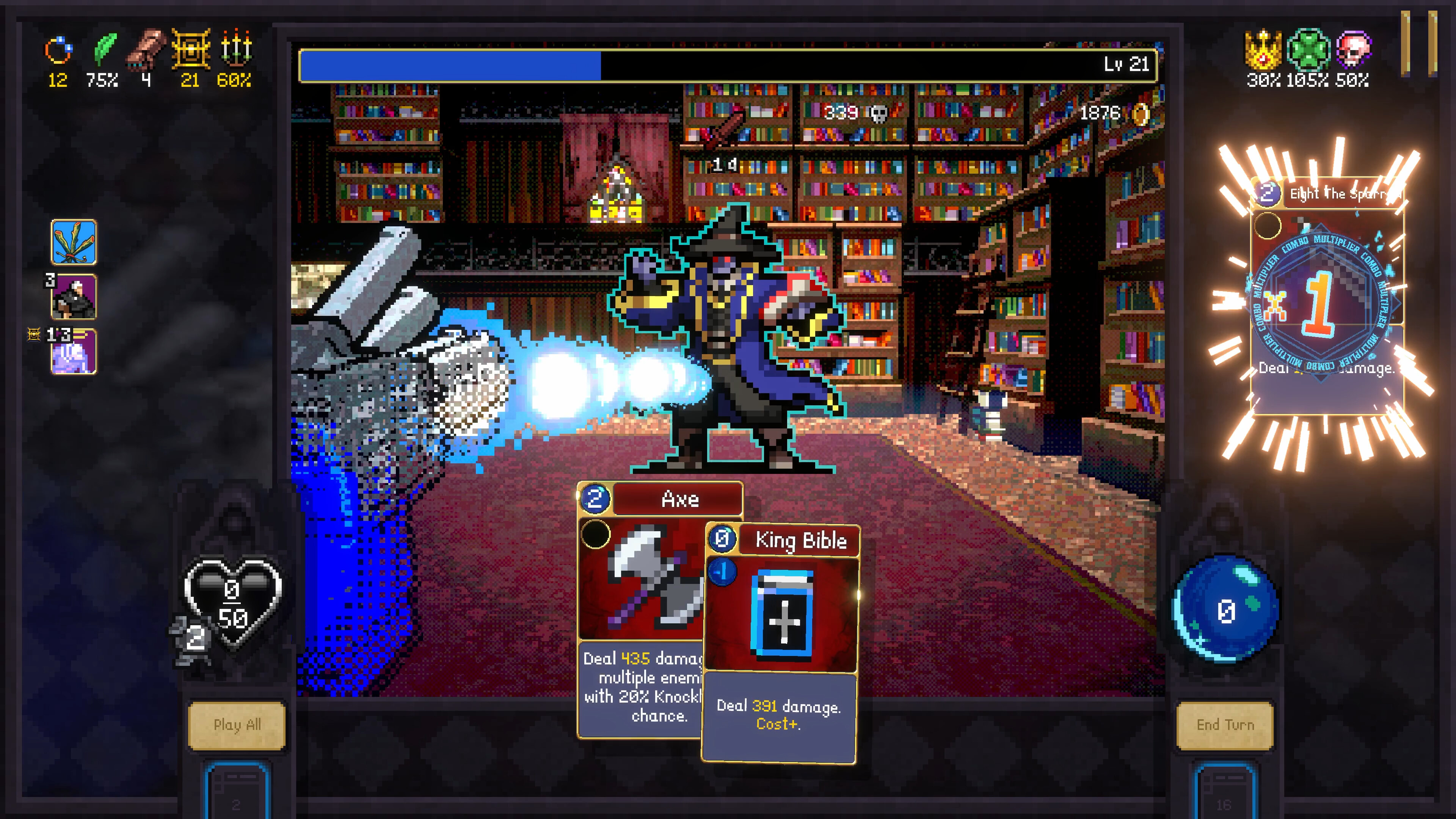
What earns this one a spot on the list is how it refuses to coast on nostalgia. The “Play All” button lets players blitz through their hand at turbo speed, but the real hook is the deck-building layer underneath—stacking synergies between up to three squadmates so a garlic aura and a reflect-damage passive can accidentally chain into a run-ending nuke. That’s not filler strategy; that’s the kind of emergent chaos competitive deck-builders live for. Add branching dungeon paths that force real risk-versus-reward calls, and a pacing philosophy built for quick, replayable sessions rather than marathon grinds, and this spin-off shows real mechanical distance from its parent game: where Vampire Survivors is about auto-fired weapons snowballing on their own, Vampire Crawlers hinges on deliberate card sequencing and squad synergy players actively choose and chain themselves. It’s carving its own lane, and that’s exactly why it’s worth keeping on the radar heading into 2026.
#3 Vampire Survivors VR

Vampire Survivors VR takes the twin-stick horde-clearing madness of the original and shrinks it into a living diorama right in front of your face. That’s Vampire Survivors VR in a nutshell—a Meta Quest reimagining of poncle’s roguelite phenomenon, built by a small VR-focused team. The formula stays refreshingly untouched: auto-attacking swarms of monsters, stacking absurd weapon combos, and surviving the onslaught for as long as your build can handle. Except now, instead of staring at a flat screen, players are hovering over a tiny 3D voxel battlefield, tilting their heads and leaning in like a general studying a war table made of pixel-art nightmares. It’s simple enough for VR newcomers to pick up immediately, yet dense enough with content to keep veterans grinding for weeks.
What separates this port from the graveyard of lazy VR cash-grabs is its refusal to overcomplicate a winning formula. Instead of forcing full-body combat or motion-sickness-inducing free locomotion, the diorama perspective turns players into godlike overseers, watching bats and skeletons swarm a miniature Poe from a “tabletop bullet hell” vantage point that’s rare in a market obsessed with first-person shooters. It’s a clever workaround—comfort-first design that still delivers spectacle, letting the horde-clearing madness explode in three dimensions without turning your stomach inside out like a novice on their first rollercoaster VR ride. Where a game like Pistol Whip leans into full-body, arm-swinging intensity to sell its VR hook, Vampire Survivors VR goes the opposite direction, proving a seated, diorama-style translation can be just as compelling without demanding players work up a sweat. Toss in the game’s signature self-aware humor and short session lengths perfectly suited for VR’s bite-sized play style, and this port carves out its own identity instead of just chasing spectacle for spectacle’s sake.
#2 Vampire Survivors

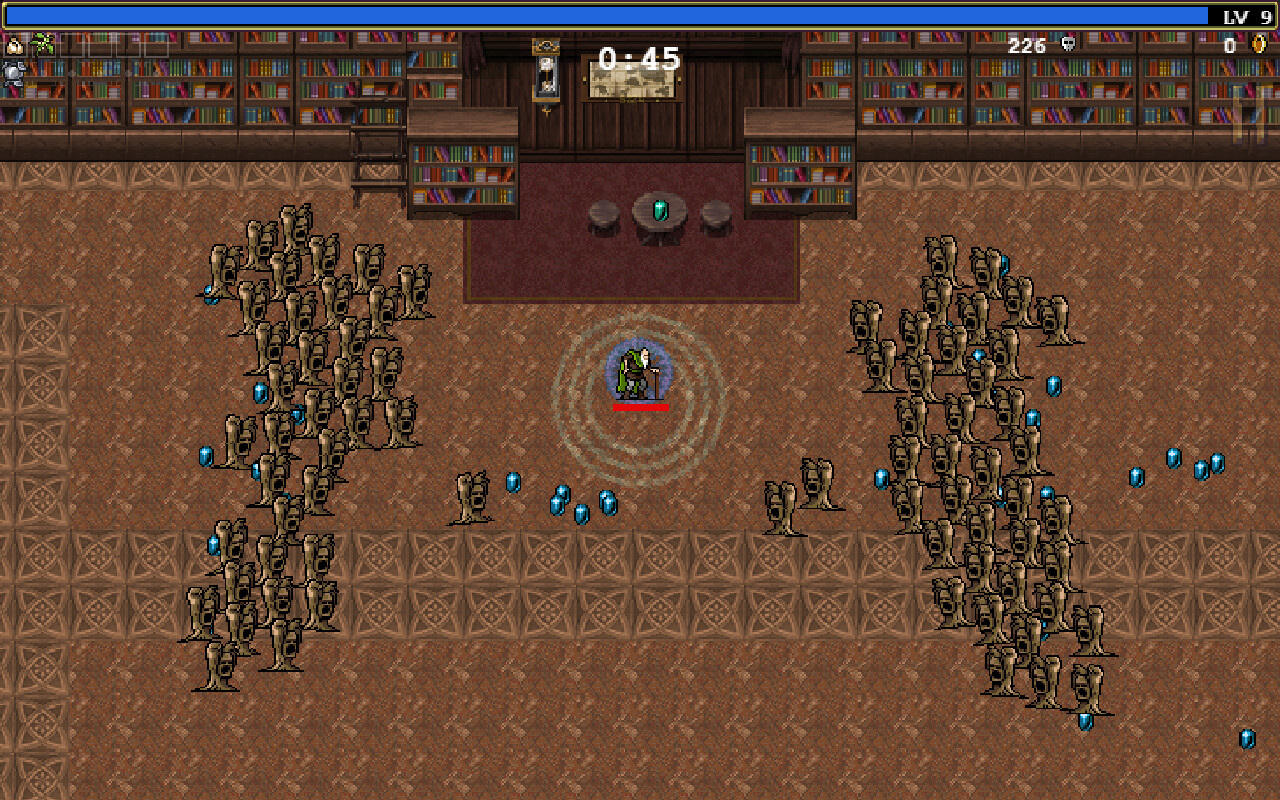
Vampire Survivors is the auto-shooter that quietly rewired an entire genre back in 2021. The pitch is deceptively simple: pick a character, walk around a haunted map, and watch as waves of monsters throw themselves at a weapon that fires all on its own. No aiming, no reloading, just pure survival math as the screen fills with enemies and the player’s arsenal snowballs into an unstoppable storm of projectiles. It’s the kind of “just one more run” loop that turns a coffee break into a three-hour bender, and it did it all at a price tag so low it felt like Poncle forgot to charge rent.
What earns Vampire Survivors its spot on this list isn’t just nostalgia — it’s the sheer gravitational pull the game still has on the industry. Hundreds of studios tried to clone its formula, chasing the auto-shooting and item synergies like they’d found a cheat code, and nearly all of them landed somewhere between “Mixed” and forgotten. Poncle, meanwhile, proved the real secret sauce was never the surface-level mechanics but the feeling underneath: escalating power, chaotic combos, and that genius-for-a-second high every player chases. That’s exactly why the studio’s own spin-off, Vampire Crawlers, could ditch the auto-shooting entirely for a deckbuilding roguelike and still earn strong reception on Steam, as reported — proof that Vampire Survivors wasn’t lightning in a bottle, it was a blueprint for understanding what makes players tick. That’s a rare feat for a game that started as an indie curiosity and ended up reshaping how an entire generation of developers thinks about accessible, addictive design.

#1 Vampire: The Masquerade – Bloodlines 2

Think of Vampire: The Masquerade – Bloodlines 2 as a single-player narrative RPG that trades power fantasies for something closer to a noir crime drama with fangs. Set in a moody, rain-slicked Seattle ripped straight from the World of Darkness tabletop universe, the game drops players into the role of an elder vampire clawing their way back into a city run by scheming factions and blood-soaked politics. It’s less about mindless slaughter and more about survival, secrecy, and the constant tightrope walk of keeping the Masquerade intact while every choice ripples through Kindred society. It’s built for players who want their vampire fantasy served with a side of moral ambiguity rather than a cape and fangs cliché.
What sets this bloodsucker apart from the pack is its dual-protagonist, dual-timeline structure—a narrative gamble rarer than a Toreador skipping a mirror check. Players alternate between Phyre, an Elder waking from a century-long nap, and Fabien, a Malkavian detective literally living inside Phyre’s head, whose 1920s investigation slowly unravels the mystery behind the present-day blood war. Add in clan-driven combat that changes your entire playstyle rather than just your stat sheet, a night-by-night structure with zero hard timers, and post-launch plans said to include difficulty tweaks and faction-focused story content, and you’ve got a game engineered for replayability nerds and lore hounds alike. Toss in ray tracing and DLSS support that make every neon-soaked alley look like a painting, and Bloodlines 2 proves it’s chasing atmosphere and depth over flashy multiplayer gimmicks—a strong pick for anyone craving a vampire story with actual bite.

From tactical card-slinging to noir-soaked political intrigue, this crop of vampire games proves the genre has way more range than capes and cheesy one-liners—there’s a bloodsucking experience here for the puzzle-brained strategist, the VR enthusiast, and the lore-obsessed narrative junkie alike. What’s clear is that developers aren’t just chasing the same old gothic power fantasy anymore; they’re bending genres, timelines, and even camera perspectives to keep the undead feeling fresh. So which of these bloodthirsty adventures is sinking its fangs into your backlog first?
BFG drafts articles with AI from our team’s own research, takes, and opinions — every piece is reviewed and edited by our staff.