Forensics: Crime Scene Detective Brings Real Forensic Procedure to Gaming
Anyone who has ever paused a crime show to yell “just dust for prints already!” might want to sit down for this one. This preview is based on the game’s Steam page, its trailer, and developer-provided materials rather than hands-on play, since Forensics: Crime Scene Detective has not yet released. Forensics: Crime Scene Detective is in development and coming to Steam, and it’s not another flashy detective game where solving a murder takes about as much effort as clicking a glowing button. This one was built with actual help from Germany’s State Criminal Police Office Rhineland-Palatinate, and it moves slow, thinks hard, and rewards patience over quick reflexes. Think of it as the “anti-action” detective game, the kind that makes players work through evidence one careful step at a time rather than handing it to them all at once.
What Makes This Game Different From Every Other Detective Sim
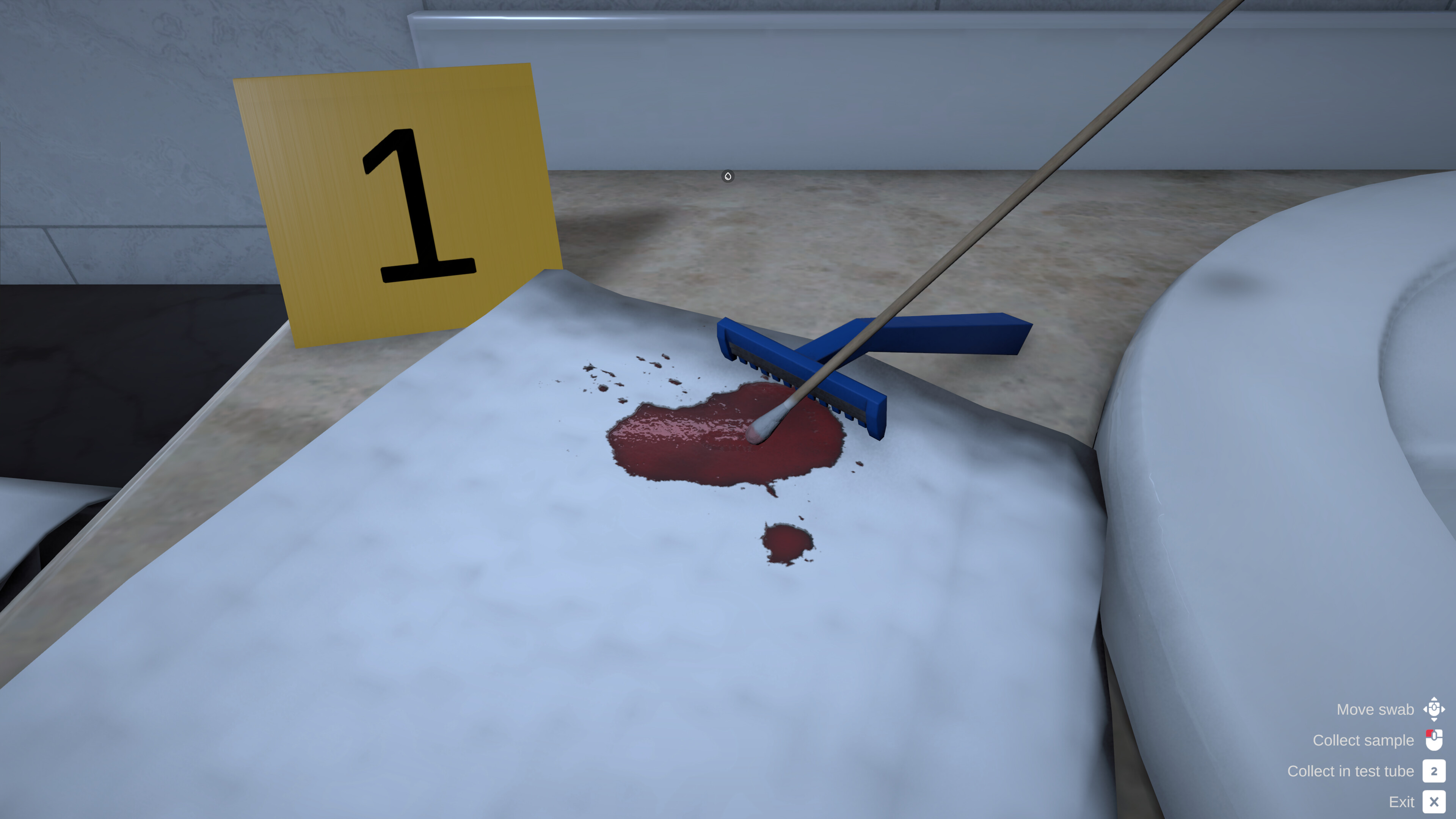
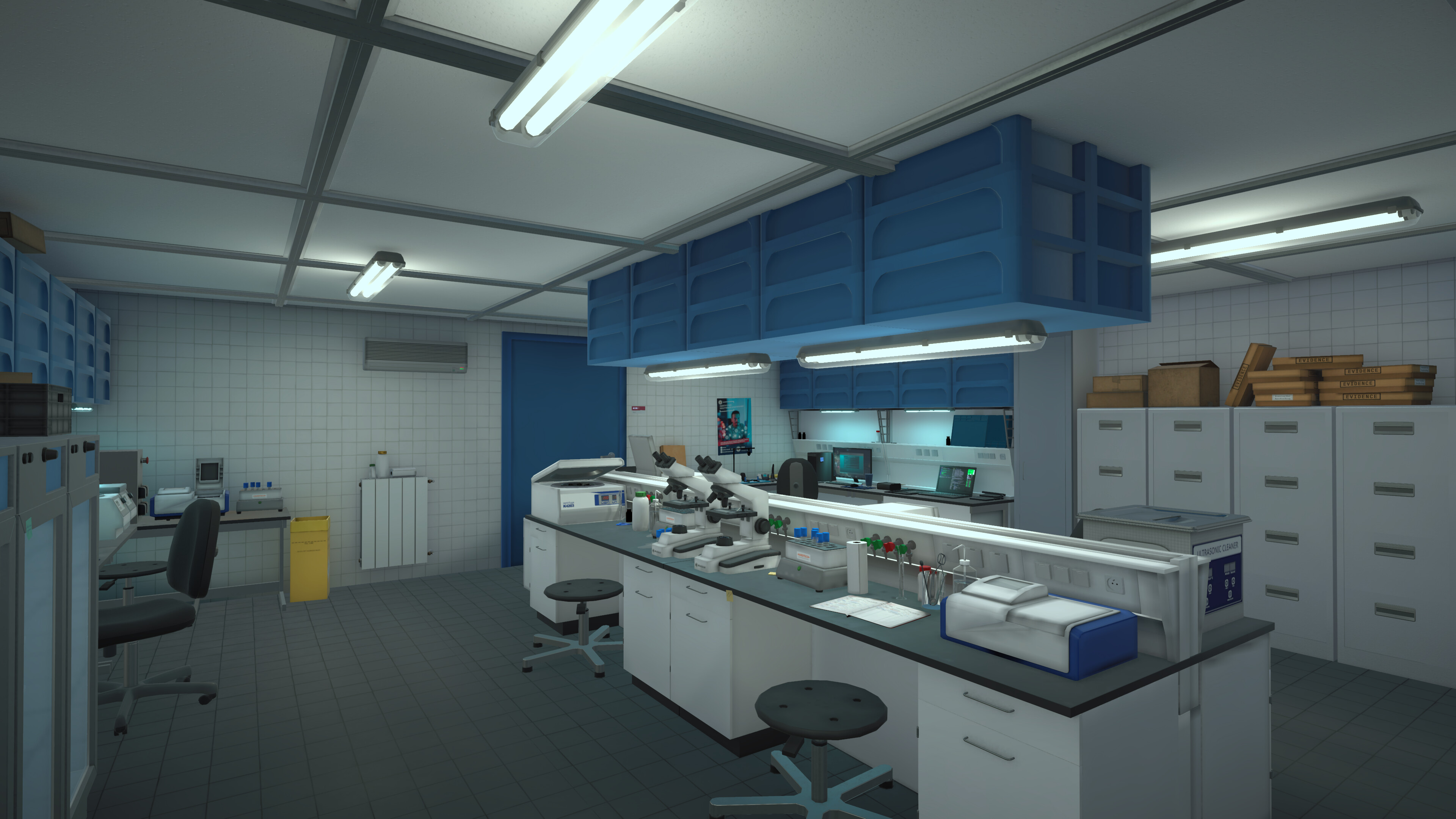

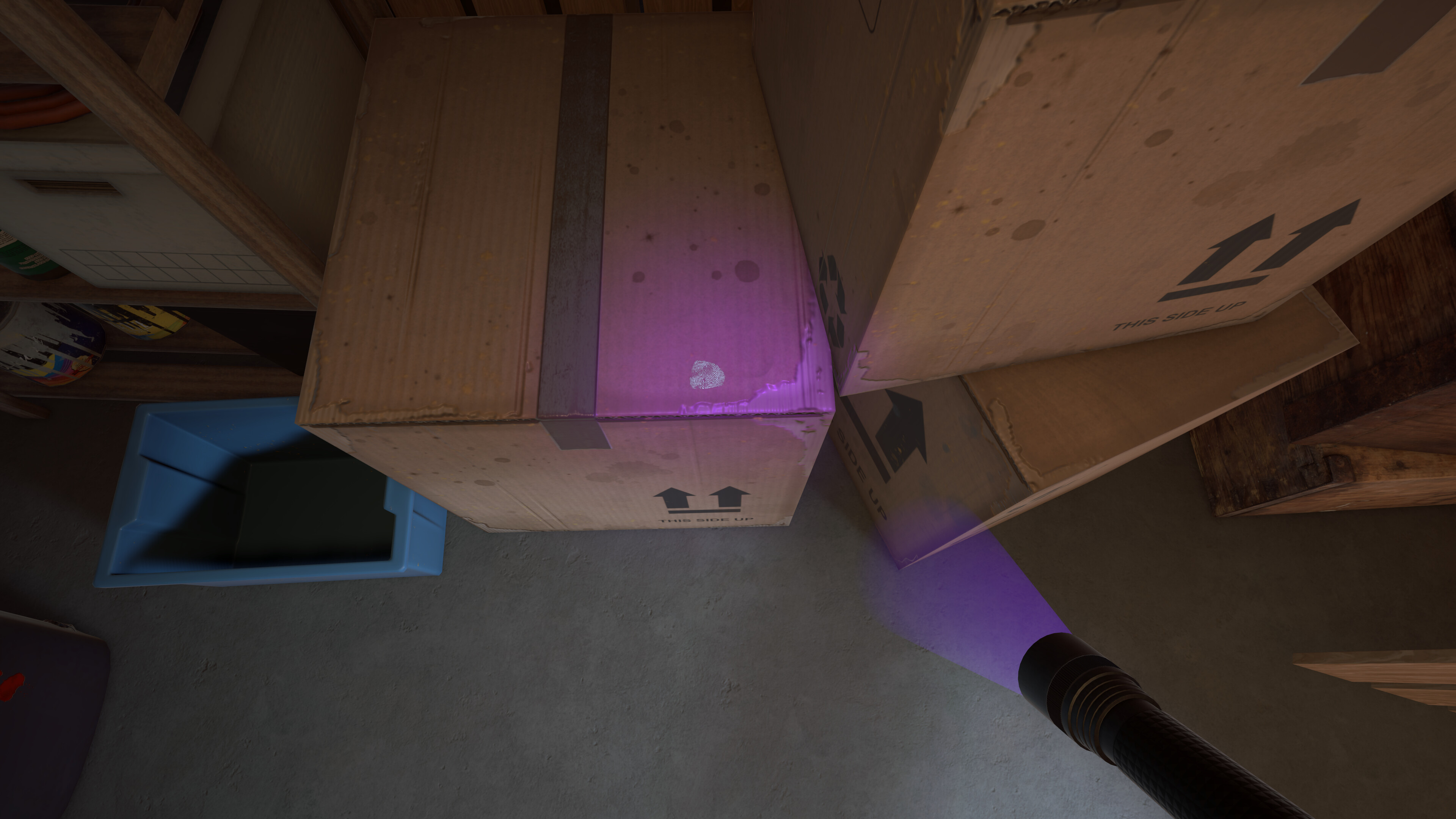
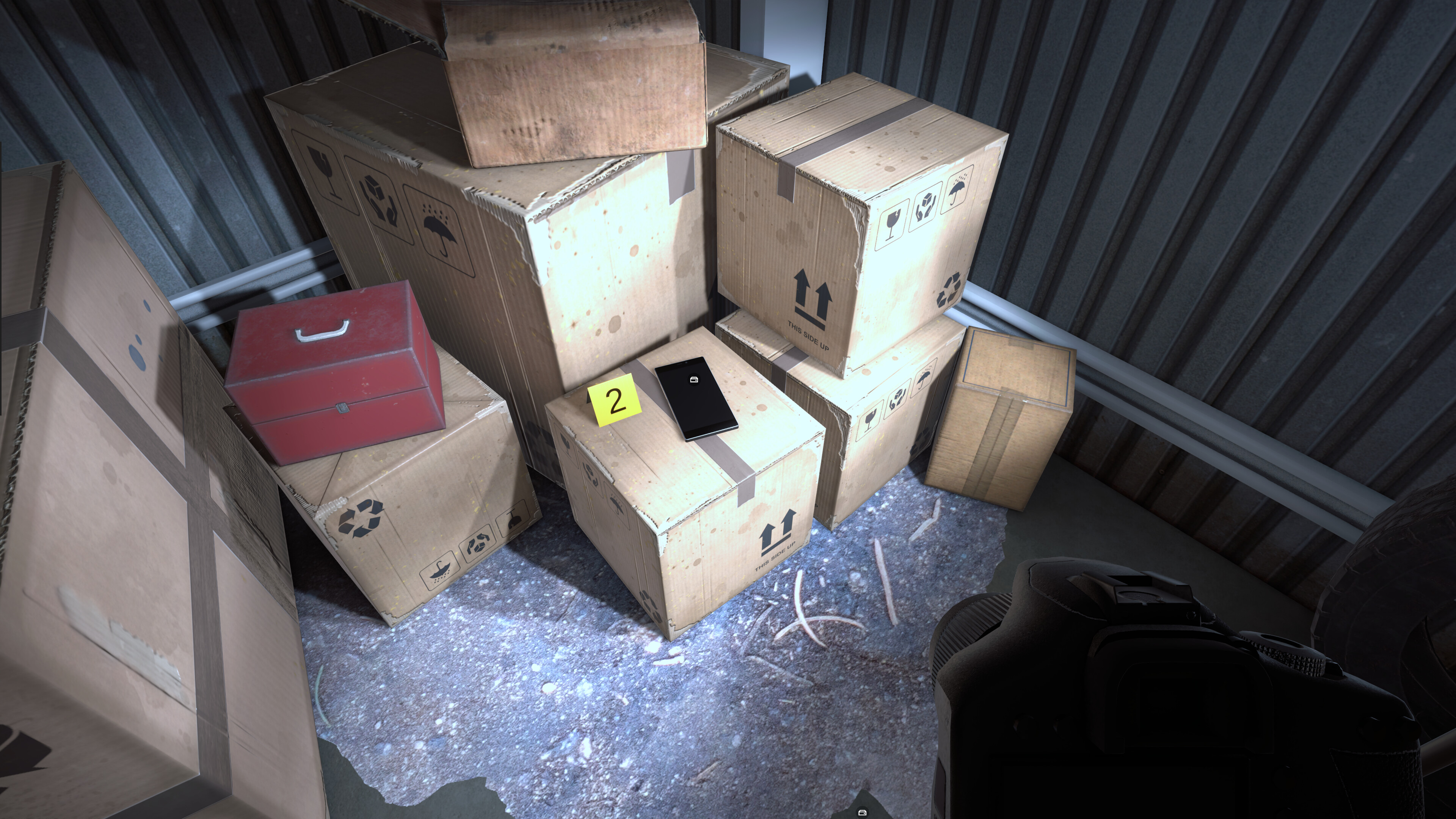
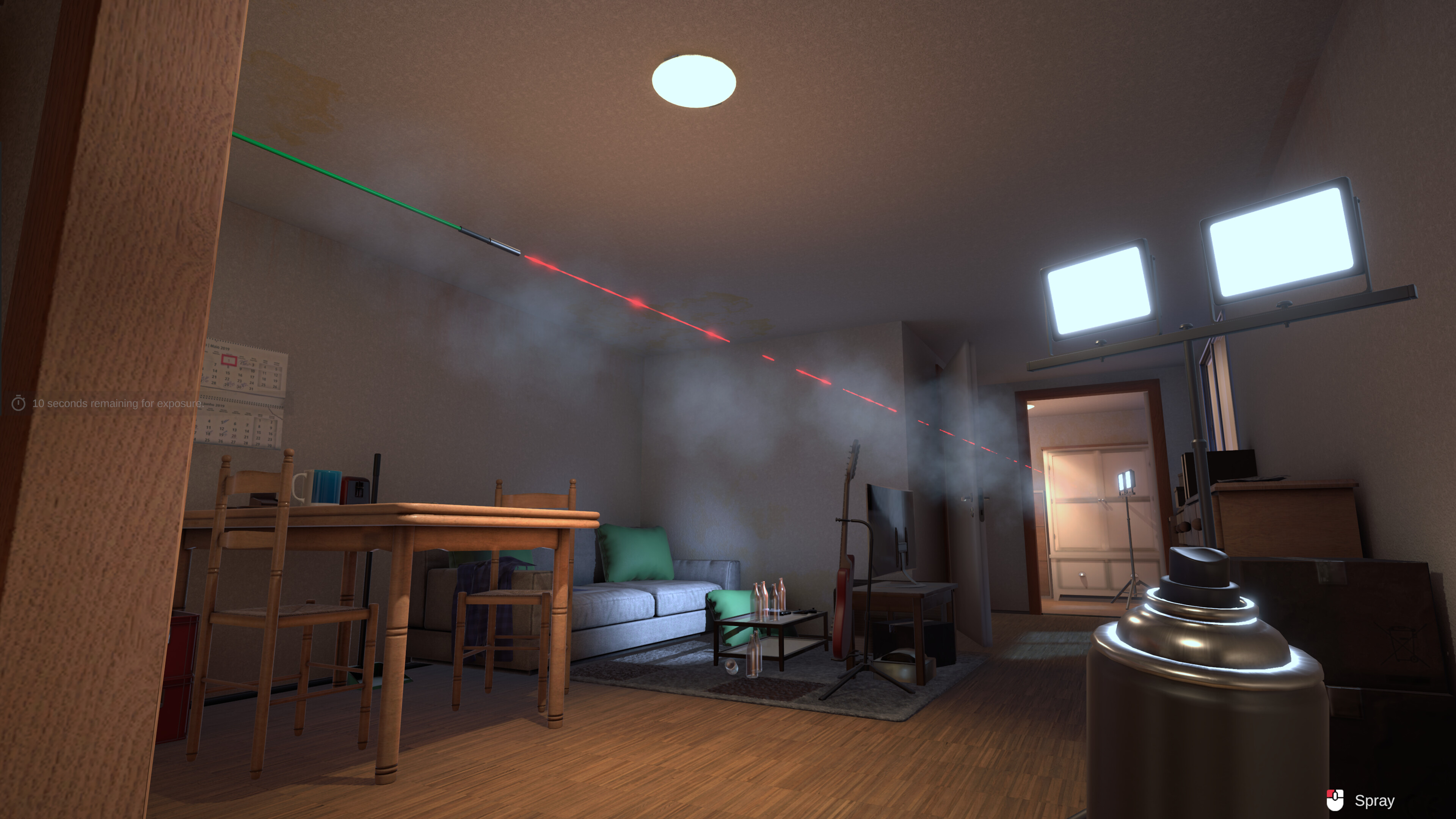
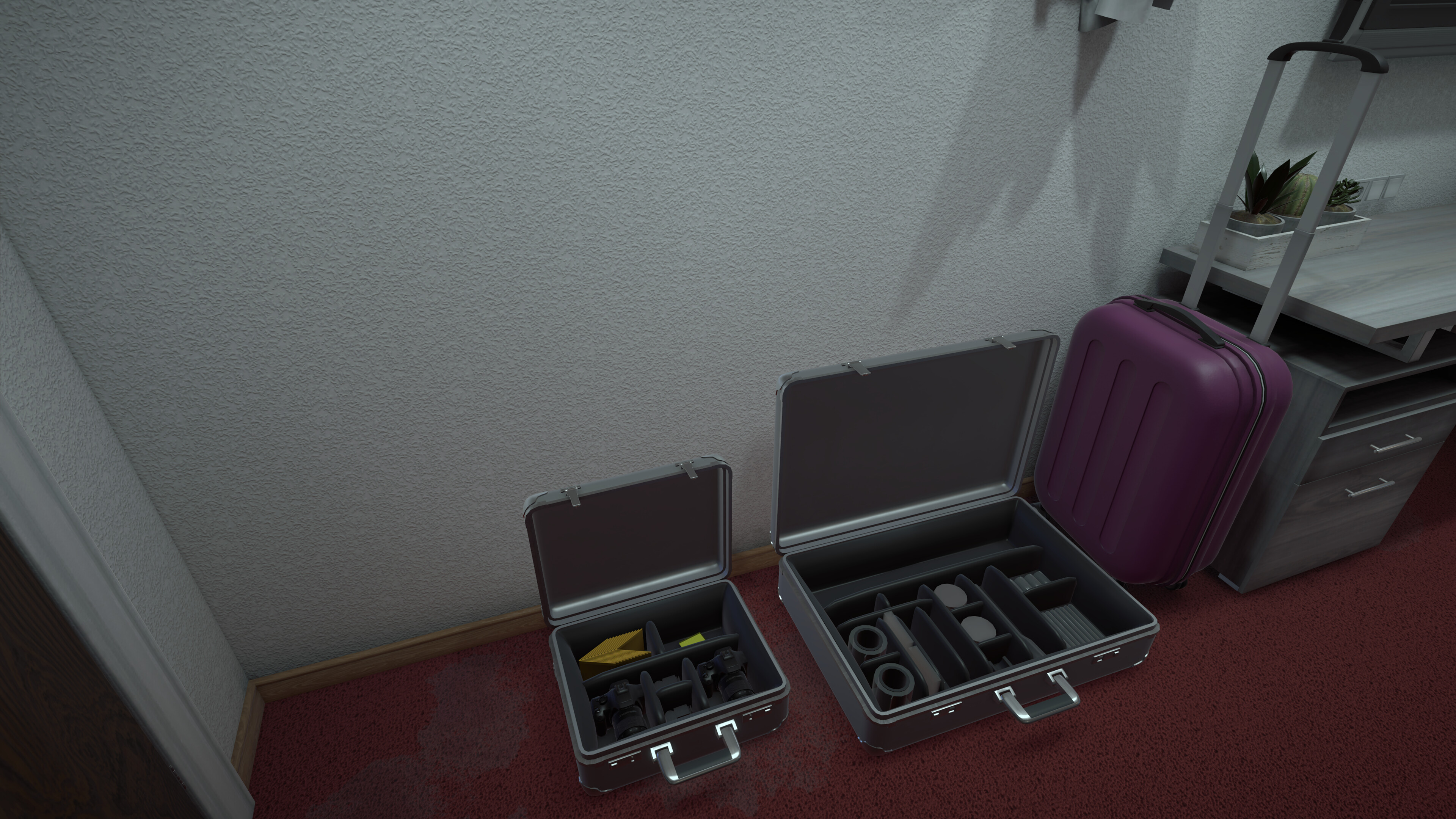
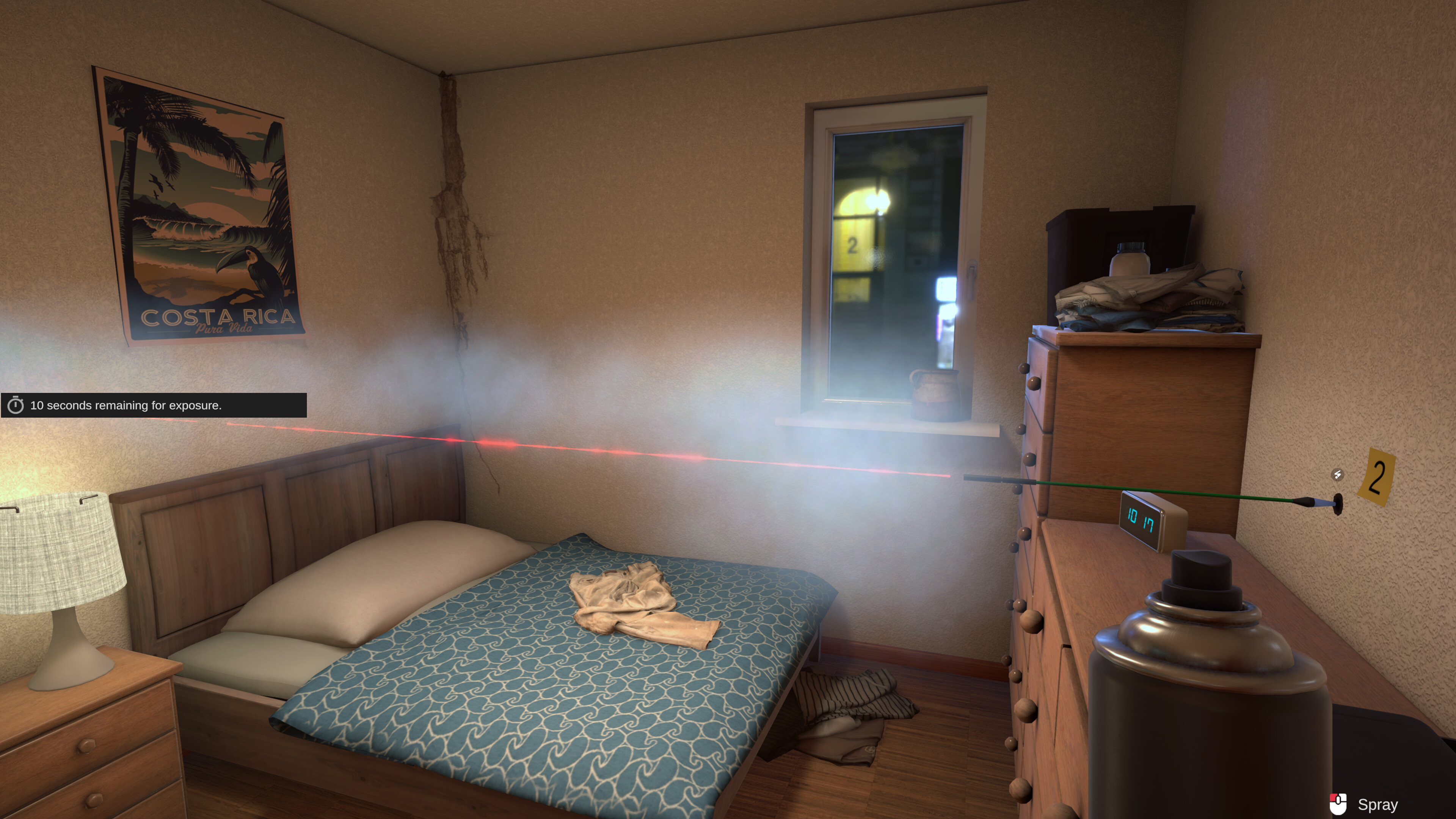
Most crime games love a good dramatic flair. Neon evidence markers. Detective vision that basically screams “look here, genius.” This game skips all of that. Its whole identity is built on doing things the real way, not the flashy way. The backbone of the experience comes from four distinct forensic evidence sections, each one focused on a different piece of the investigative puzzle. Instead of vague hints, players get an actual toolkit: DNA swabs, fingerprint powder, ballistic trajectory rods, and digital forensic software. It’s less “video game logic” and more “actual crime lab,” which instantly sets it apart from the pack.
There’s something oddly satisfying about picking up a tool and knowing it’s modeled after the real thing. It’s the difference between playing pretend detective and actually feeling like one.
How You Actually Play: Slow, Careful, and a Little Nerve-Wracking
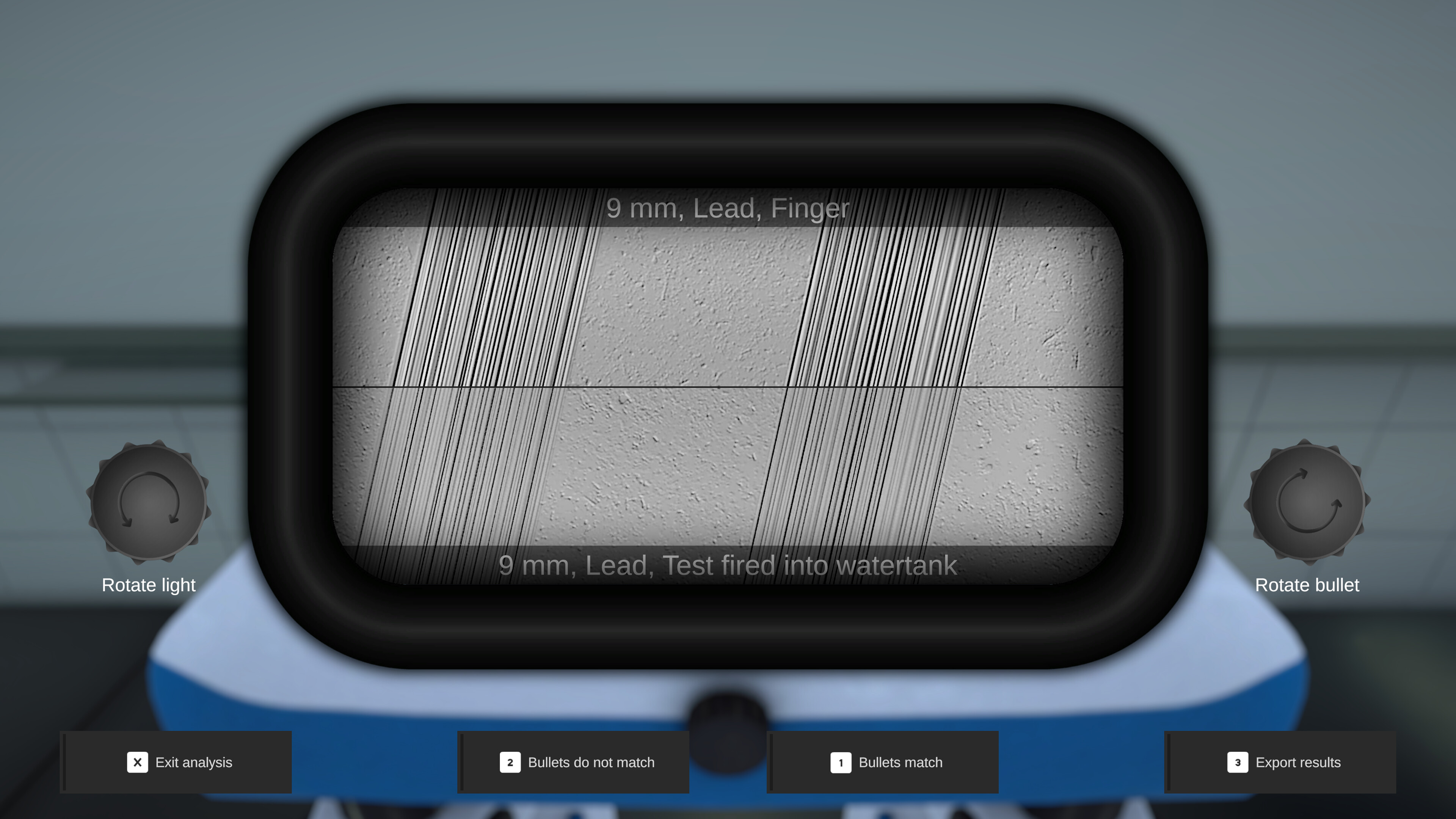


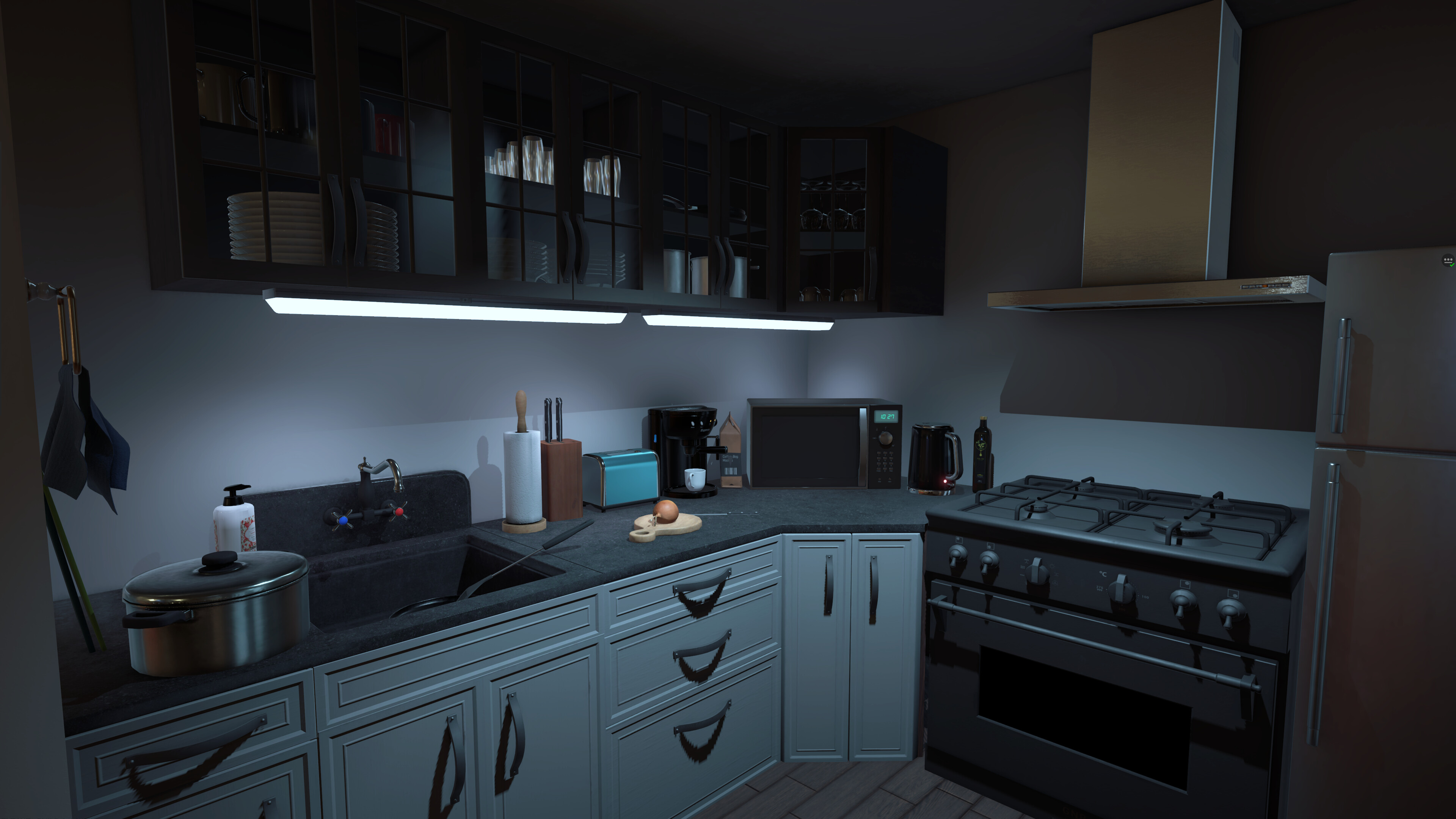
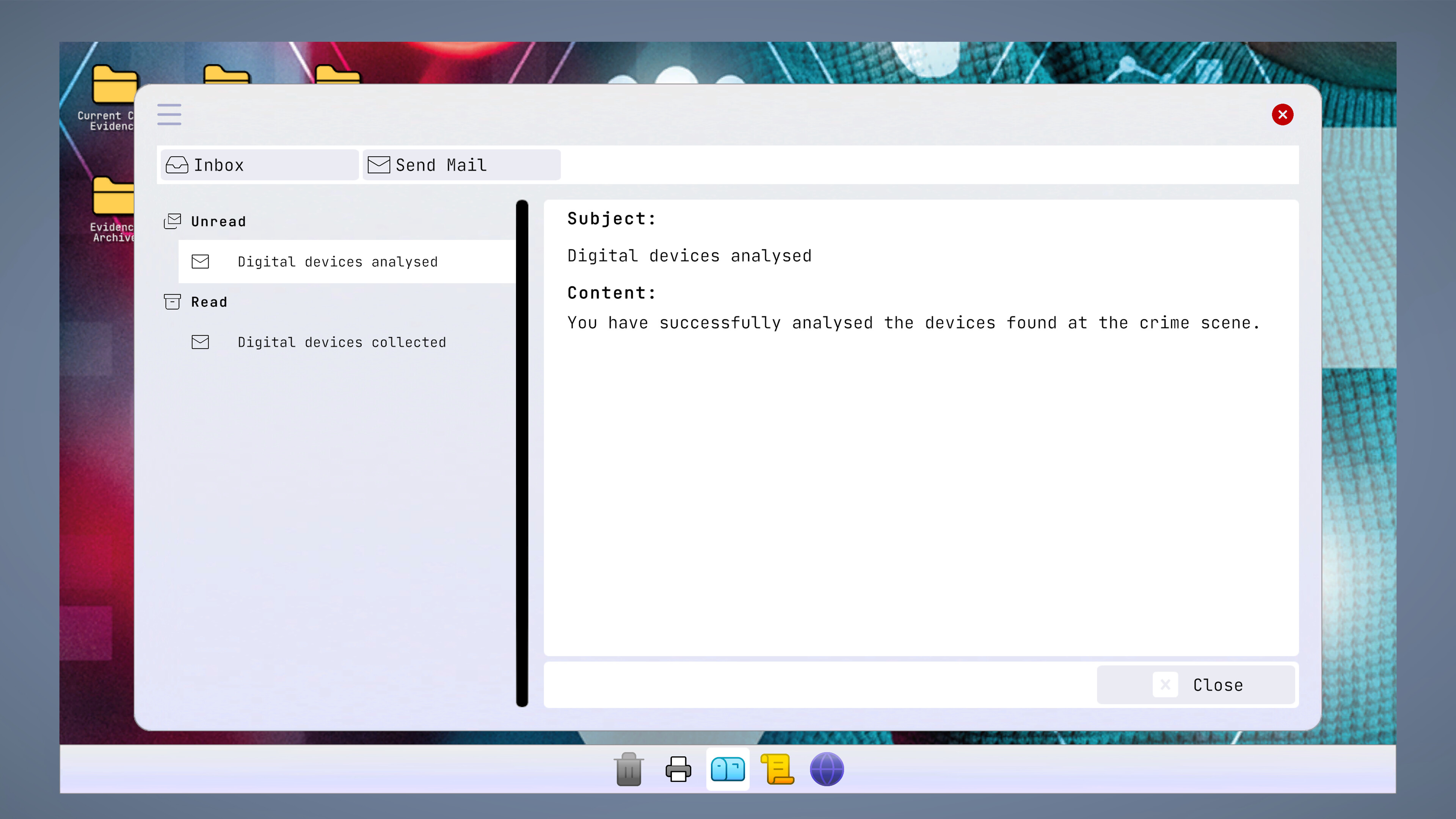
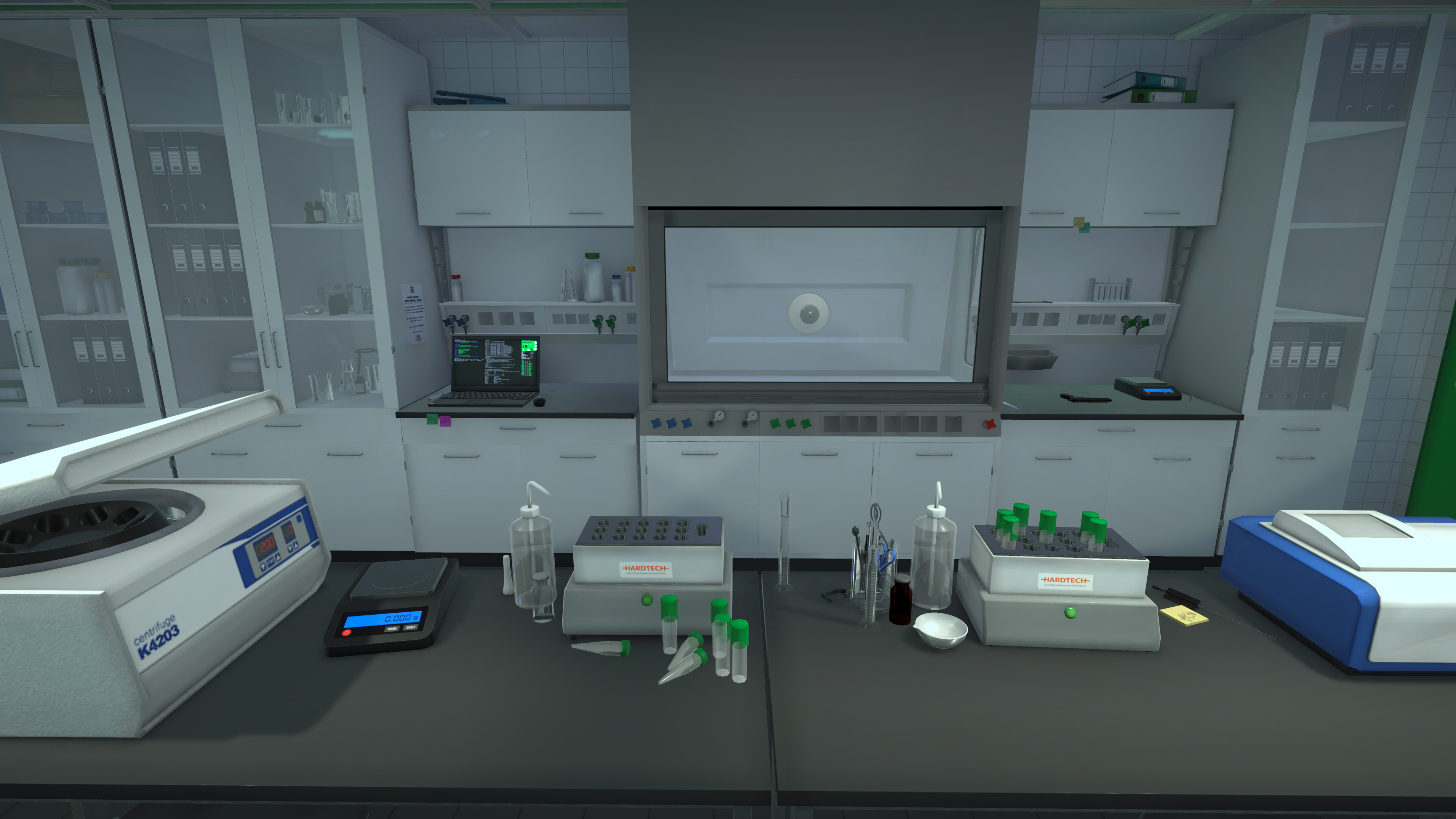
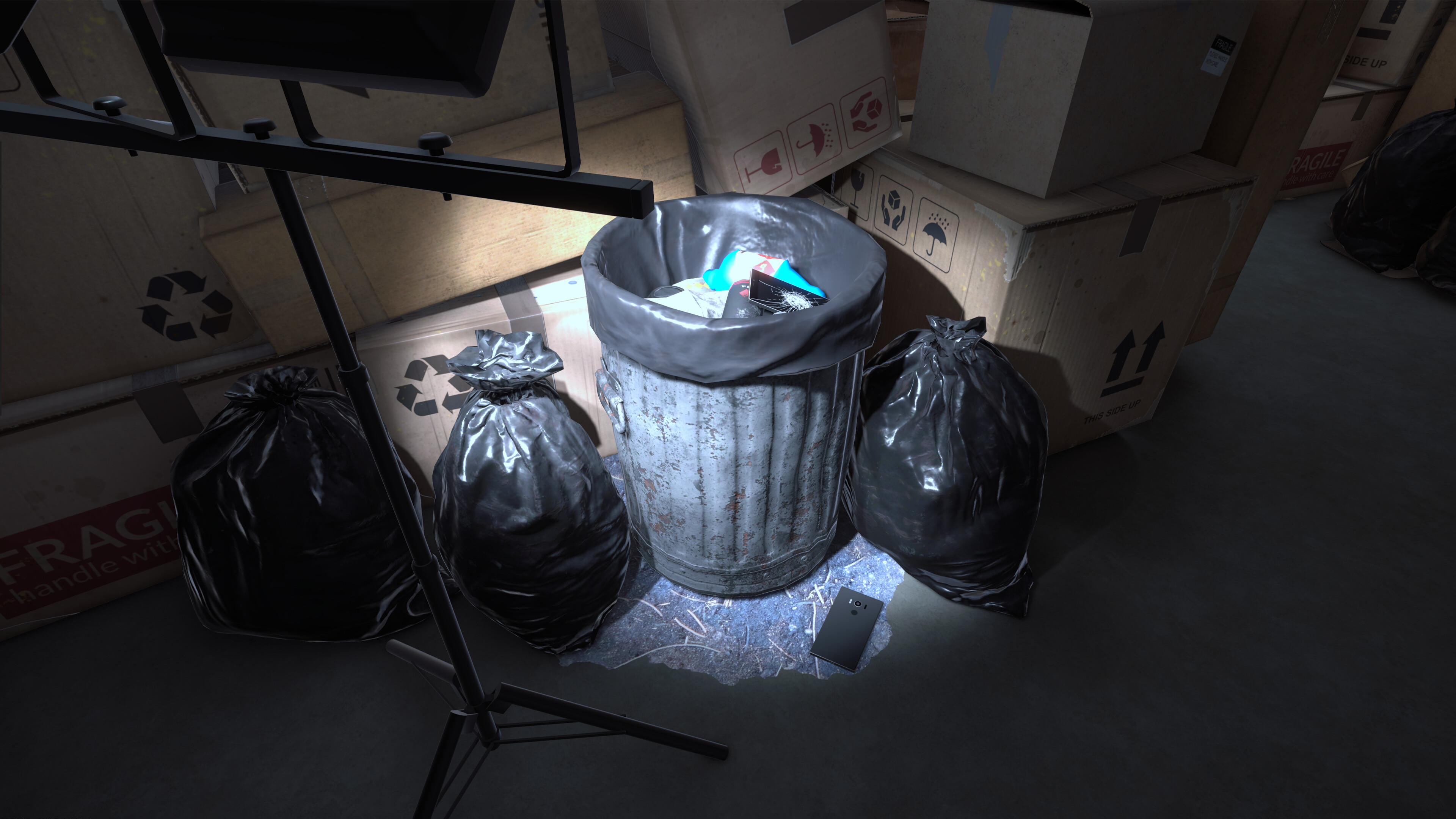
The gameplay loop is simple on paper but tense in practice. Players search a crime scene for evidence, then head back to a lab HQ to analyze what they found. Rinse, repeat, and slowly build a case strong enough to hold up.
Here’s the twist that makes it interesting: players can only hold one item at a time. That might sound like a small detail, but it changes everything. Suddenly, players have to think before grabbing that stray hair or bagging a shell casing. Sherlock Holmes: Chapter One lets players collect and carry as many clues as they want without ever worrying about inventory limits, which is exactly the kind of frictionless approach this game deliberately avoids.
Then there’s the risk factor. Evidence can be damaged or fumbled if handled carelessly, which adds a real “don’t mess this up” feeling to every scene. According to the game’s materials, mishandled evidence can become contaminated or otherwise compromised, potentially invalidating that piece of evidence for the case entirely.
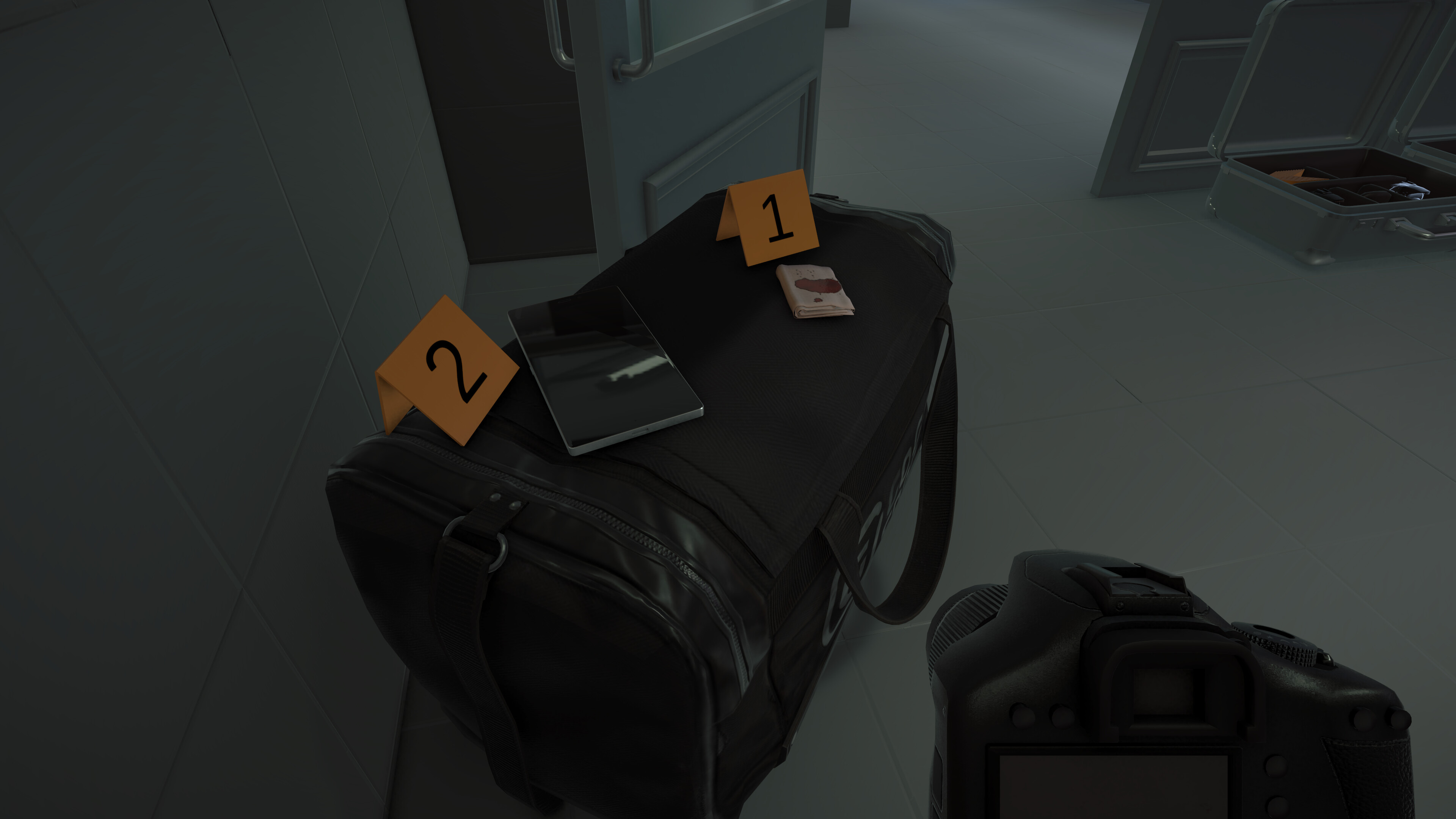
On top of that, players use crime scene placards, those little numbered yellow markers seen in every cop show ever made. Each piece of evidence needs to be paired with its placard and photographed using a crime scene camera. It’s a small touch, but it mirrors real procedure and gives the whole experience an authentic, almost documentary feel.
The Expert Pedigree Behind the Case Files


This is where the game really sets itself apart. The missions weren’t dreamed up by writers trying to copy old detective novels. They were shaped with input from actual LKA RLP forensic experts, and the cases are inspired by real scenarios rather than generic mystery tropes. L.A. Noire, by comparison, hands players a “truth meter” and canned questioning cues to steer evidence interpretation, while this game asks players to do the procedural legwork themselves without that kind of guided scaffolding.
This expert involvement also gives the game an educational edge. Players aren’t just clicking through cutscenes. They’re learning real techniques tied to DNA analysis, fingerprint matching, and ballistics, all wrapped inside a story that feels grounded rather than exaggerated for drama.
Who This Game Is Really Built For
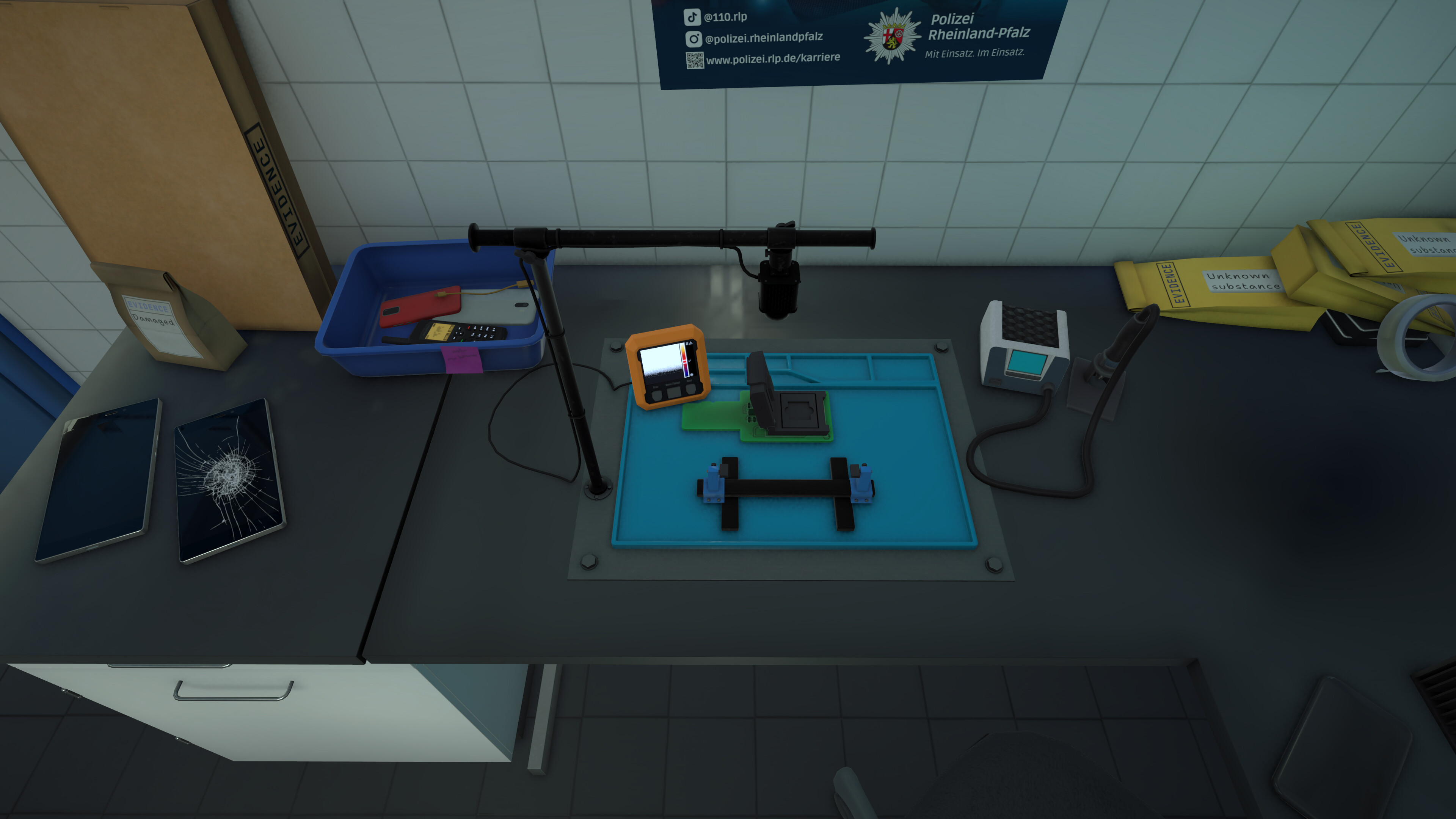
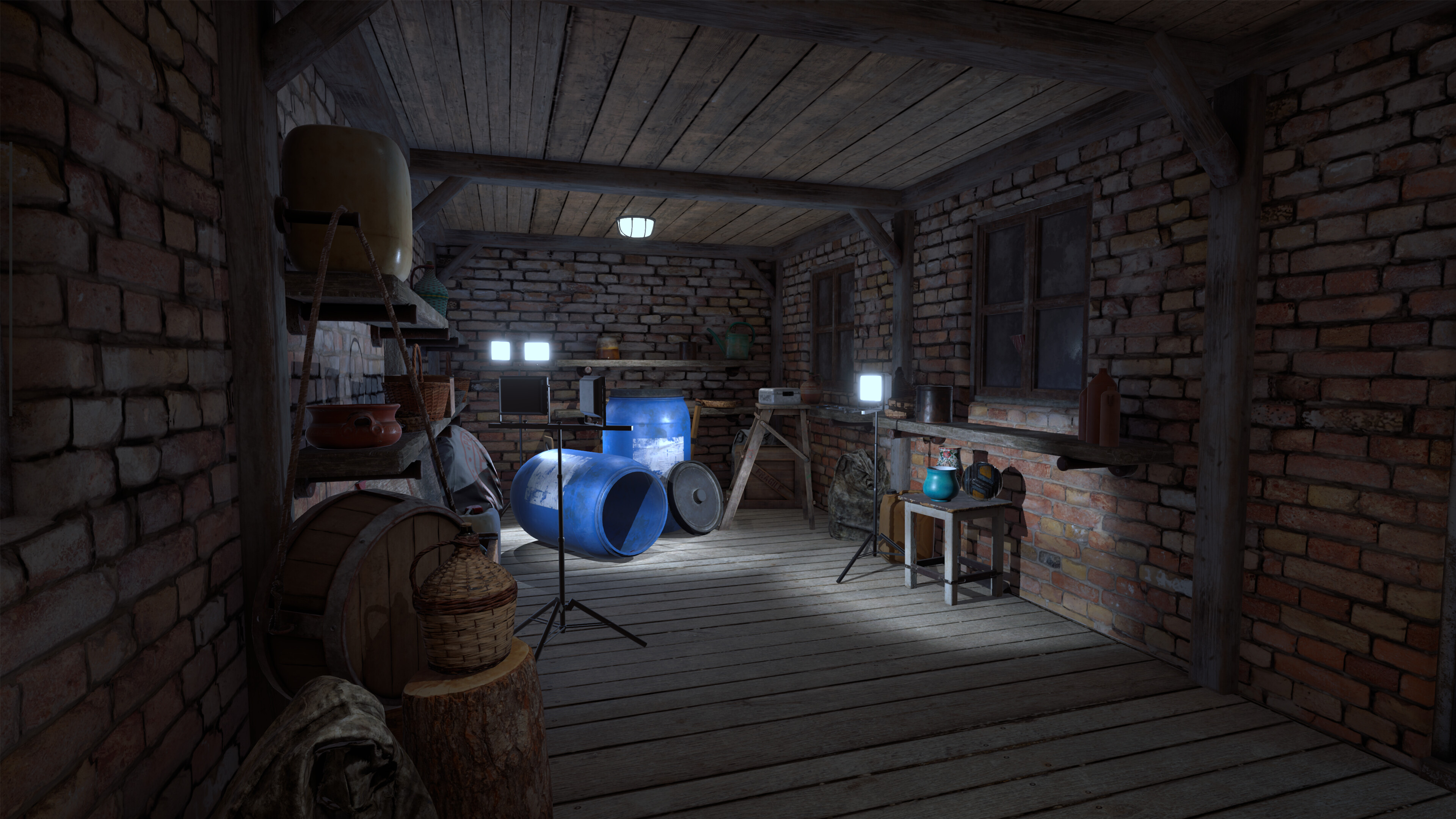

This isn’t a title for players craving fast action or dramatic shootouts. It’s built for fans of slow-burn detective fiction, simulation lovers who enjoy digging into systems, and anyone who has ever binge-watched true-crime documentaries and thought, “I could figure this out.” The reward here comes from patience and observation, not reflexes, whether that means double-checking a placard number or rotating a shell casing under a light just to be sure. For players who love that kind of careful, methodical thinking, this game hits a very specific and very satisfying itch.
Why It’s Worth Watching Ahead of Launch

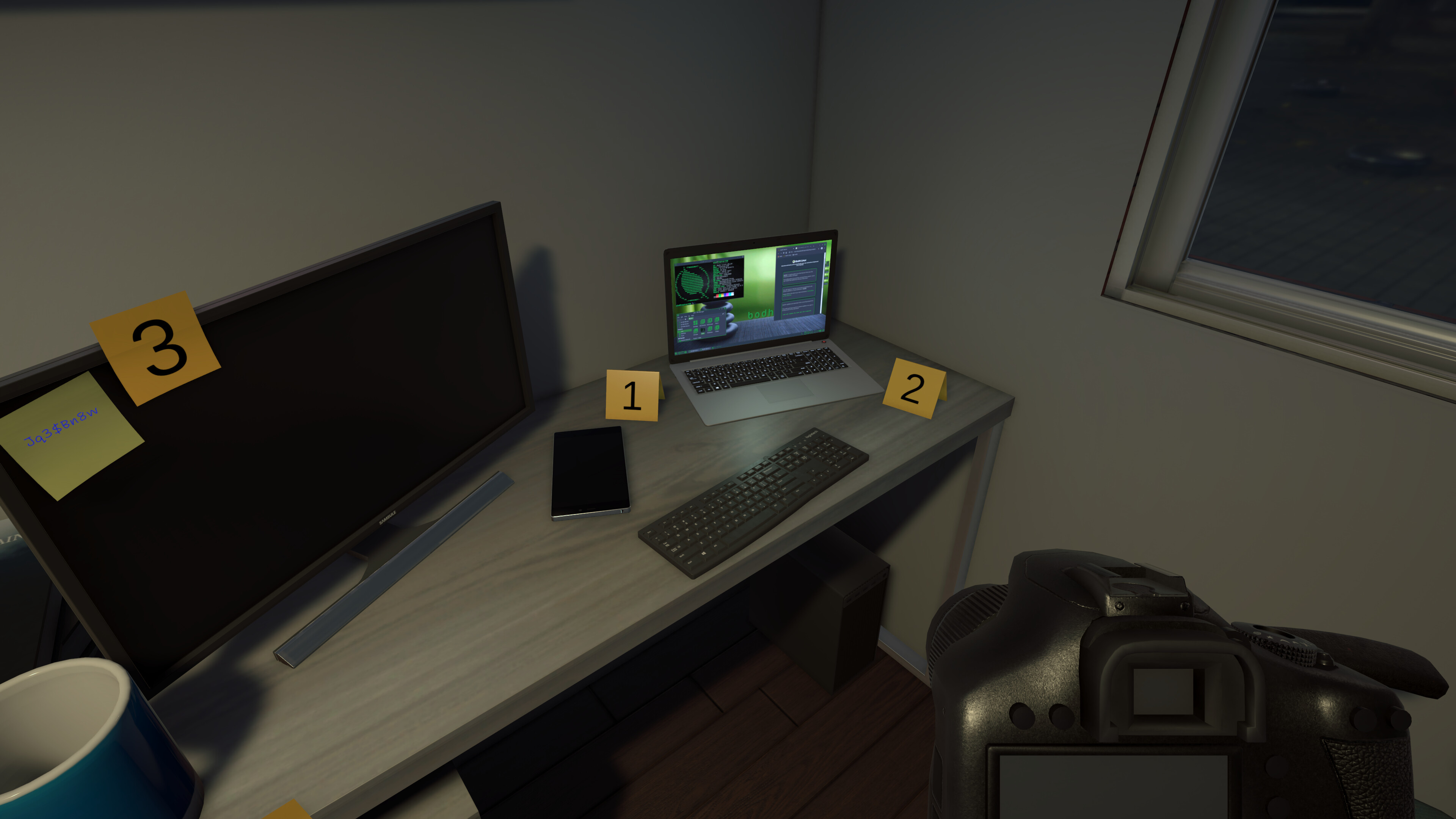

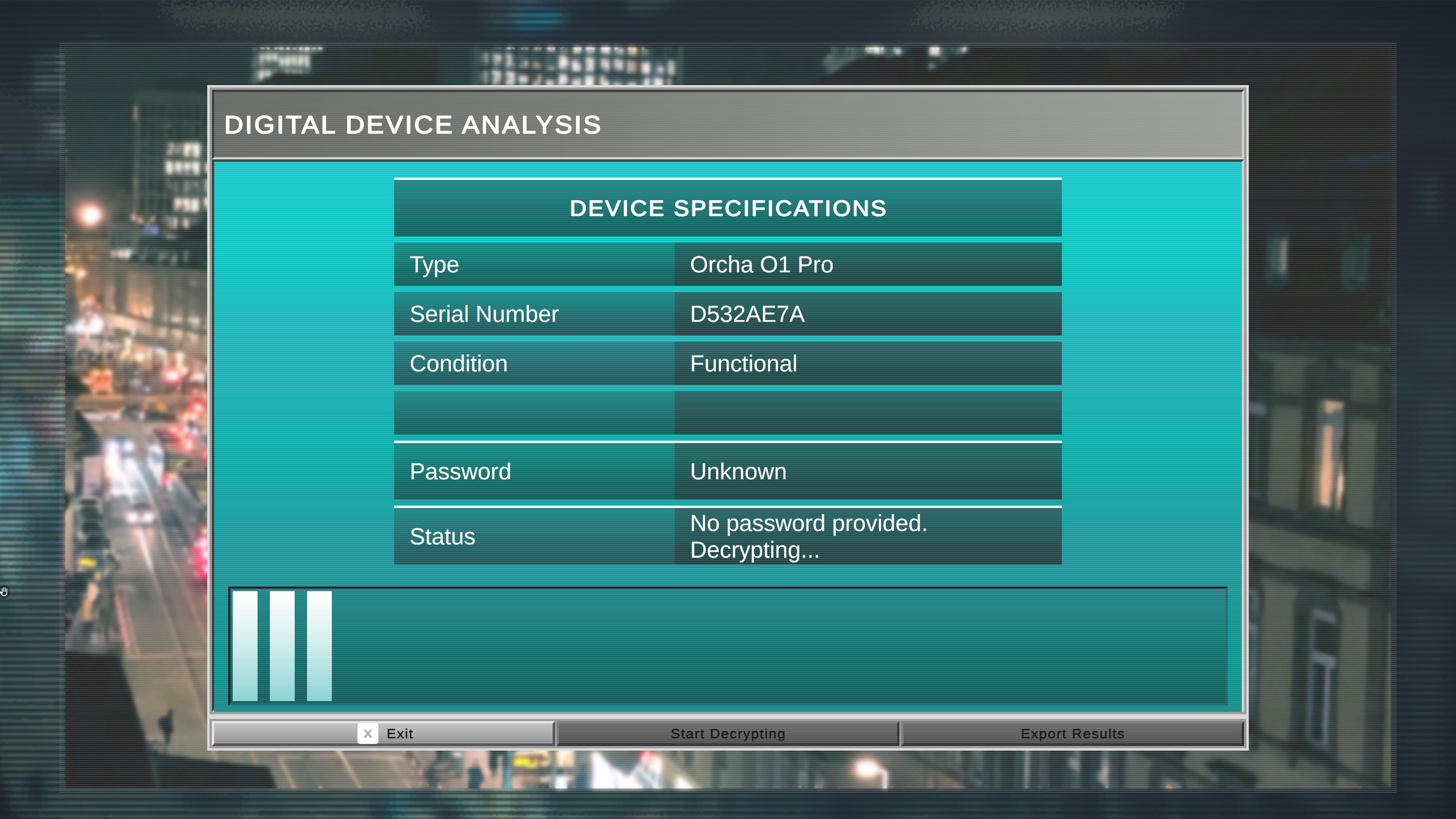
The true-crime wave in entertainment hasn’t slowed down anytime soon, and this game taps right into that curiosity. It teaches real investigative techniques in a way that feels engaging instead of like a textbook. DNA extraction, fingerprint dusting, ballistic trajectory mapping… it’s like a crash course in forensic science hidden inside a video game.
In a simulation genre packed with games that lean into shortcuts and gamified nonsense, this one stands out by refusing to cut corners. That commitment to realism might be exactly what makes it memorable.
When Does Forensics: Crime Scene Detective Come Out?



An exact release date hasn’t been confirmed. Interested players should watch the Steam page for updates and wishlist options as more details become available.
For anyone who has ever wanted to swap the flashing lights of typical detective games for something closer to real investigative work, this project looks like a strong cont
F.A.Q.
What is Forensics: Crime Scene Detective?
Forensics: Crime Scene Detective is a realistic crime scene investigation game developed with input from Germany’s State Criminal Police Office. It emphasizes authentic forensic processes and tools, offering a detailed simulation of crime scene analysis and evidence handling. The game is designed for players who enjoy methodical detective work.
When does Forensics: Crime Scene Detective come out?
An exact release date for Forensics: Crime Scene Detective has not been confirmed. Interested players can follow updates and wishlist the game on its Steam page for the latest information on its launch.
What platforms is Forensics: Crime Scene Detective on?
Forensics: Crime Scene Detective is currently planned for release on Steam. There are no additional platforms announced at this time, but players can check the game’s Steam page for any future updates regarding additional platform availability.
How does evidence handling work in Forensics: Crime Scene Detective?
In Forensics: Crime Scene Detective, players can only hold one piece of evidence at a time, requiring strategic decision-making and careful handling. Mishandled evidence can become contaminated or invalidated, adding a layer of risk and authenticity to the crime scene investigation process.
What makes Forensics: Crime Scene Detective unique?
Forensics: Crime Scene Detective stands out by using authentic forensic tools and techniques verified by real experts. It offers a slow-paced, realistic investigation experience that rewards patience and observation, making it distinct from typical action-based detective games.
Is Forensics: Crime Scene Detective worth it?
Forensics: Crime Scene Detective is ideal for players who enjoy detailed detective simulations and realistic forensic analysis. Its authenticity and educational value make it a compelling choice for fans of true-crime stories and those interested in forensic science.
Does Forensics: Crime Scene Detective have a demo?
There is no mention of a demo for Forensics: Crime Scene Detective. Players interested in experiencing the game can follow its updates on the Steam page for any announcements regarding demos or early access opportunities.
BFG drafts articles with AI from our team’s own research, takes, and opinions — every piece is reviewed and edited by our staff.