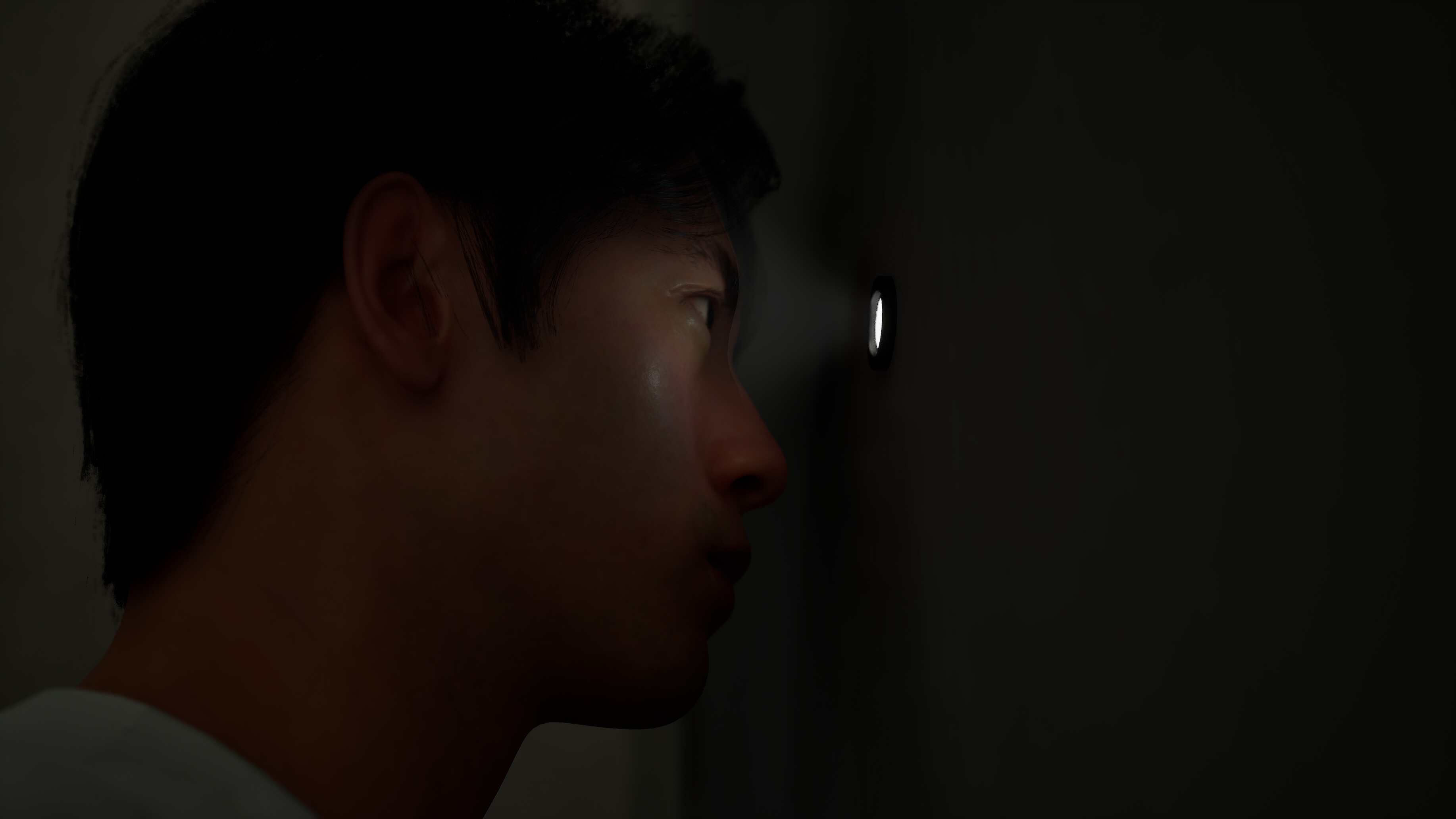
Serafini Productions has announced BrokenLore: DON’T PLAY, the latest entry in its quietly unsettling horror series — and this one comes with a premise that cuts deeper than most: a cursed experimental console arrives at a reclusive young man’s door, and every time he plays it, his apartment starts to change. Not metaphorically. Literally. The walls shift, familiar spaces warp, and the line between the game on the screen and the room around him dissolves. That single idea is enough to put this one firmly on the radar.
Meet Hideo — The Man Trapped Between a Screen and Something Worse
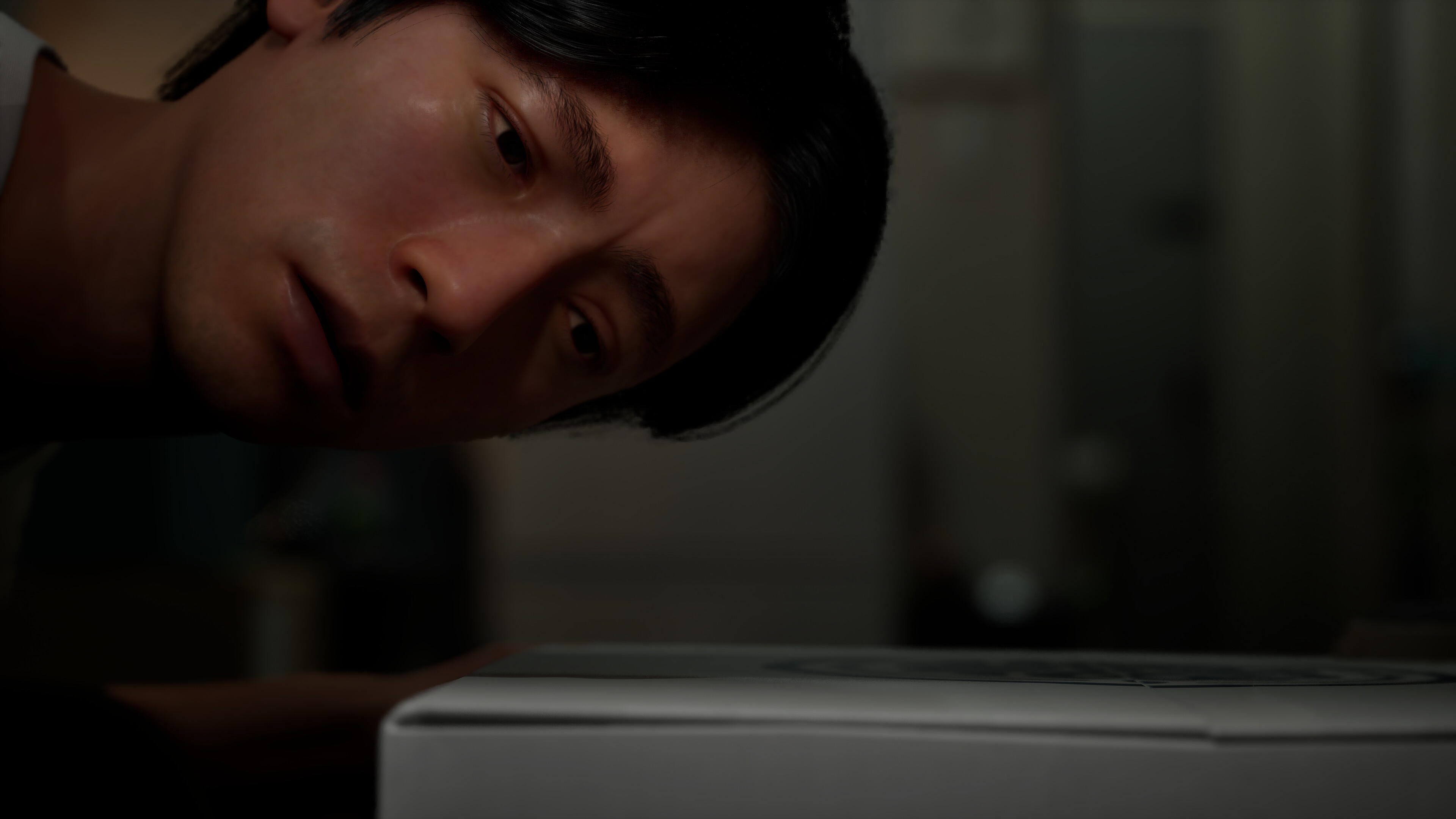
The game puts players in the shoes of Hideo, a hikikomori living alone in a Tokyo apartment. The word “hikikomori” refers to people — common in Japan — who withdraw almost completely from social life, often spending their days isolated at home. Hideo fits that description. He is reclusive, obsessed with video games, and hungry for some kind of validation from the world outside his four walls. Then a mysterious experimental console shows up, and things stop being ordinary fast.
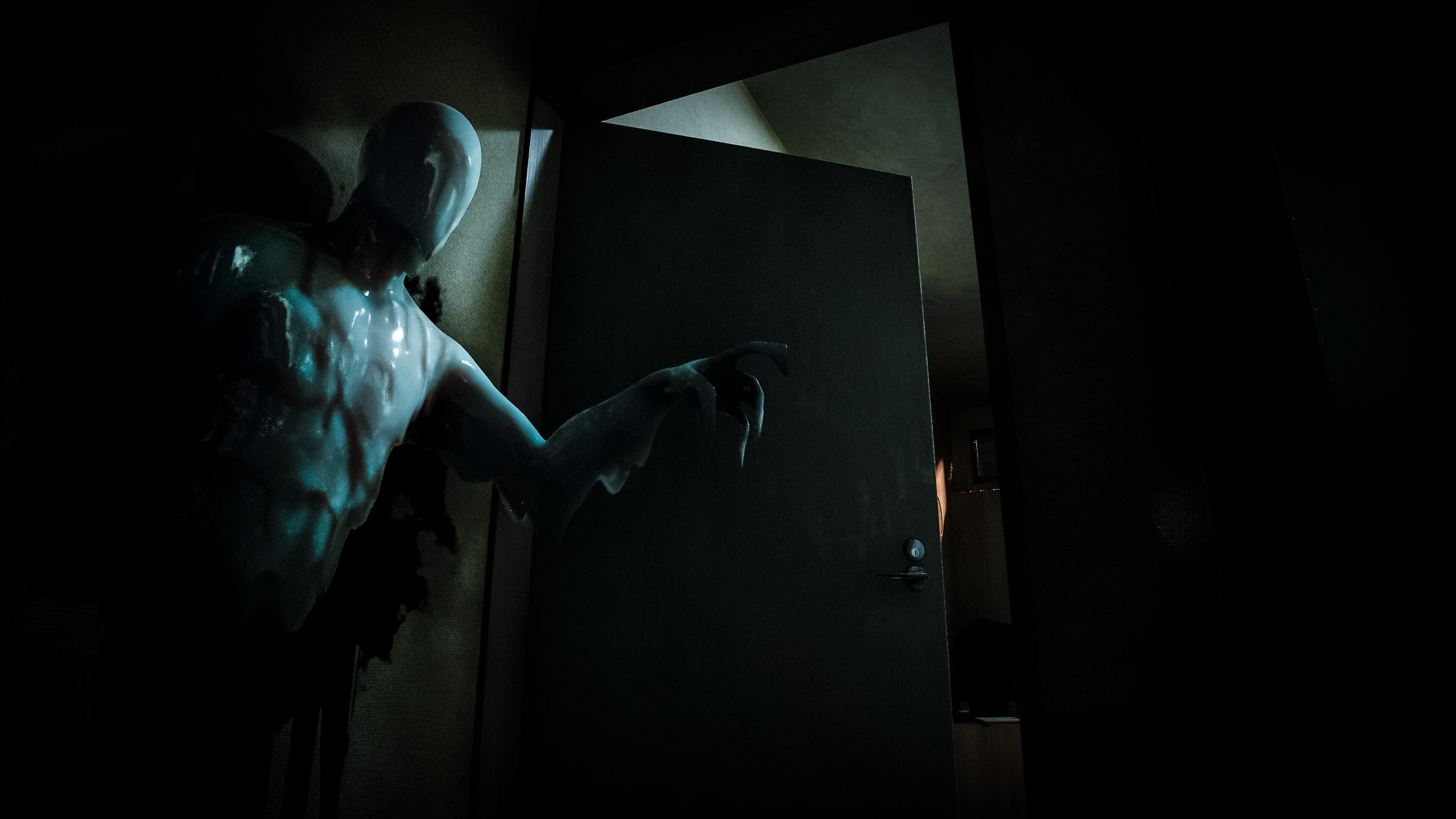
Once Hideo starts playing the game on that console, it begins bleeding into his reality. His apartment transforms. Spaces he knows become something else entirely — liminal, wrong, threatening. The horror is not just what lurks inside the game. It is the act of playing itself that causes the decay. That inversion is what makes the premise click. Most horror games put danger in the world the character explores. Here, the danger grows from the habit Hideo cannot stop.
The structure is built around five levels inside the experimental game-within-the-game, each one carrying its own distinct rules and mechanics. One level might demand stealth. Another throws the player into combat. Others lean into surreal, logic-defying encounters that resist easy categorization. The intensity climbs as the levels progress, and between each one, players return to Hideo’s apartment — which looks a little less like home every time.
A Meta-Horror Mechanic That Earns Its Comparisons to P.T. and Silent Hill
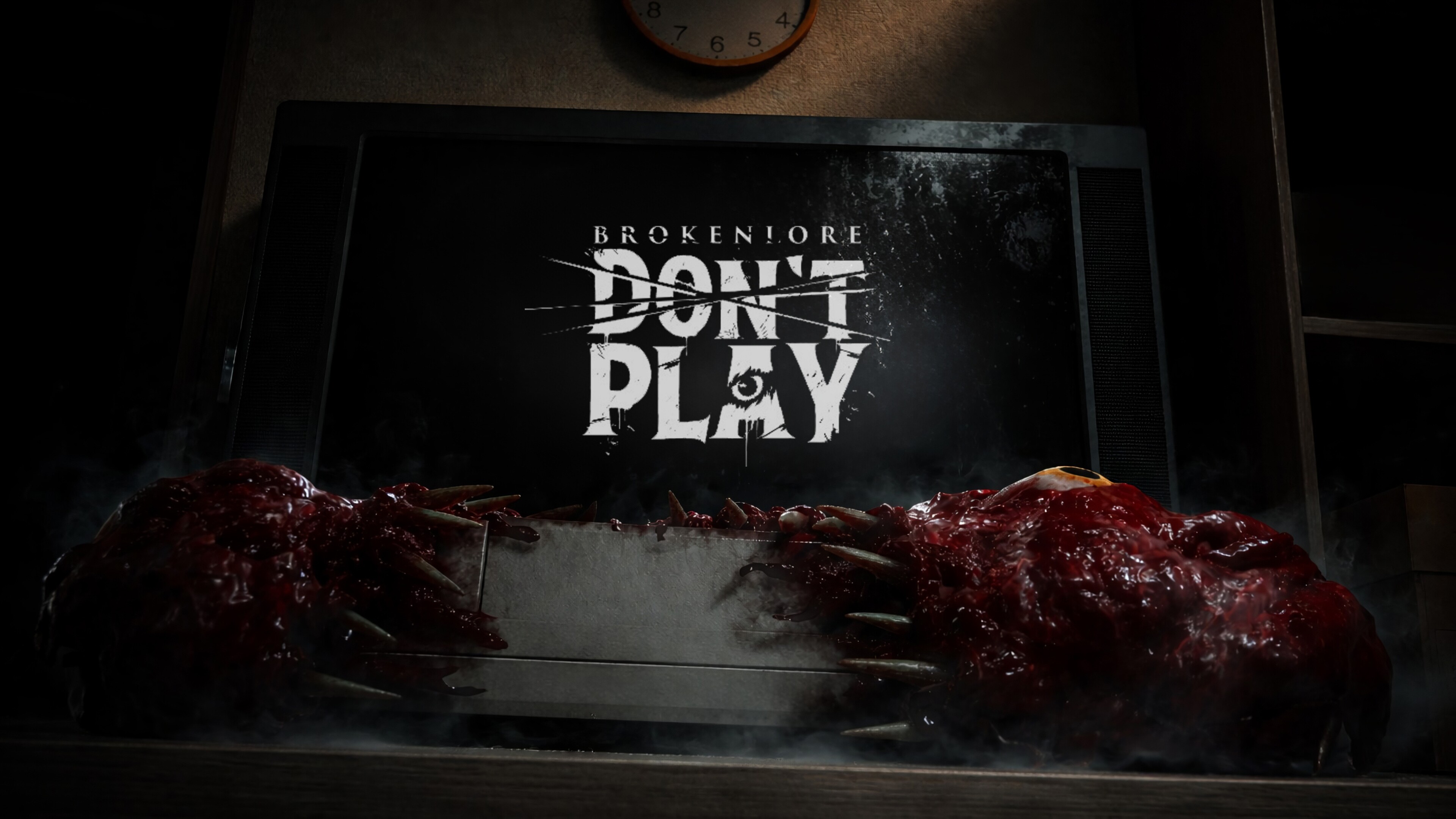
Comparisons to P.T. and Silent Hill are not made lightly in horror circles. Both set a high bar for psychological dread built on environmental storytelling and a creeping sense that something is fundamentally wrong with the space the player occupies. DON’T PLAY earns those comparisons not by copying either game, but by finding its own angle on the same core fear — a familiar place turning hostile.
The apartment transformations mirror Hideo’s mental state. As his grip on reality loosens, so does the architecture around him. Prod has spent years writing about horror games that try this trick and fumble it by making the metaphor too obvious. What stands out here is how the game uses the act of playing — something Hideo loves, something he depends on — as the very thing destroying him. That is a sharper edge than most horror games manage.
The enemies draw from Japanese folklore, and that cultural grounding gives them a specificity that generic monsters rarely have. The Dodomeki is one example worth knowing: a creature covered in eyes, rooted in folklore tied to deceit and punishment. Eye-based enemy design runs through the BrokenLore series as a recurring motif, and here it connects directly to themes of being watched, judged, and exposed. These are not random monster designs. They mean something within the story Hideo is living through.
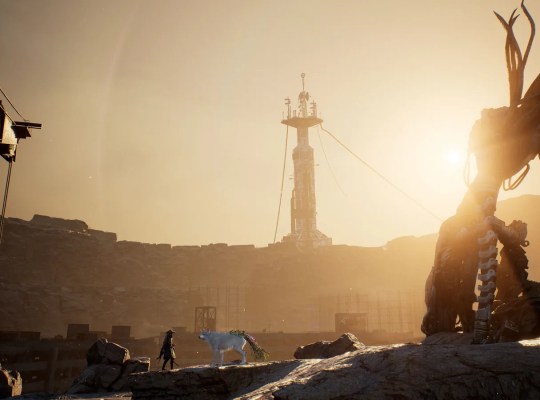
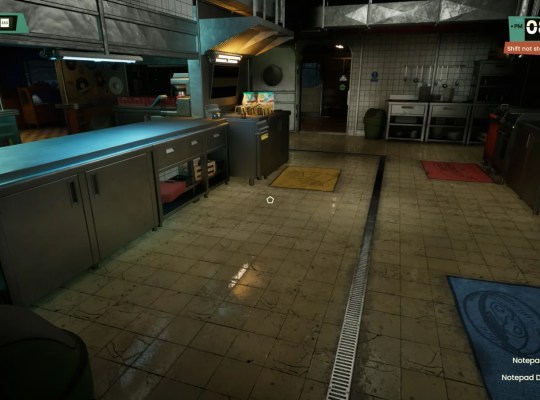
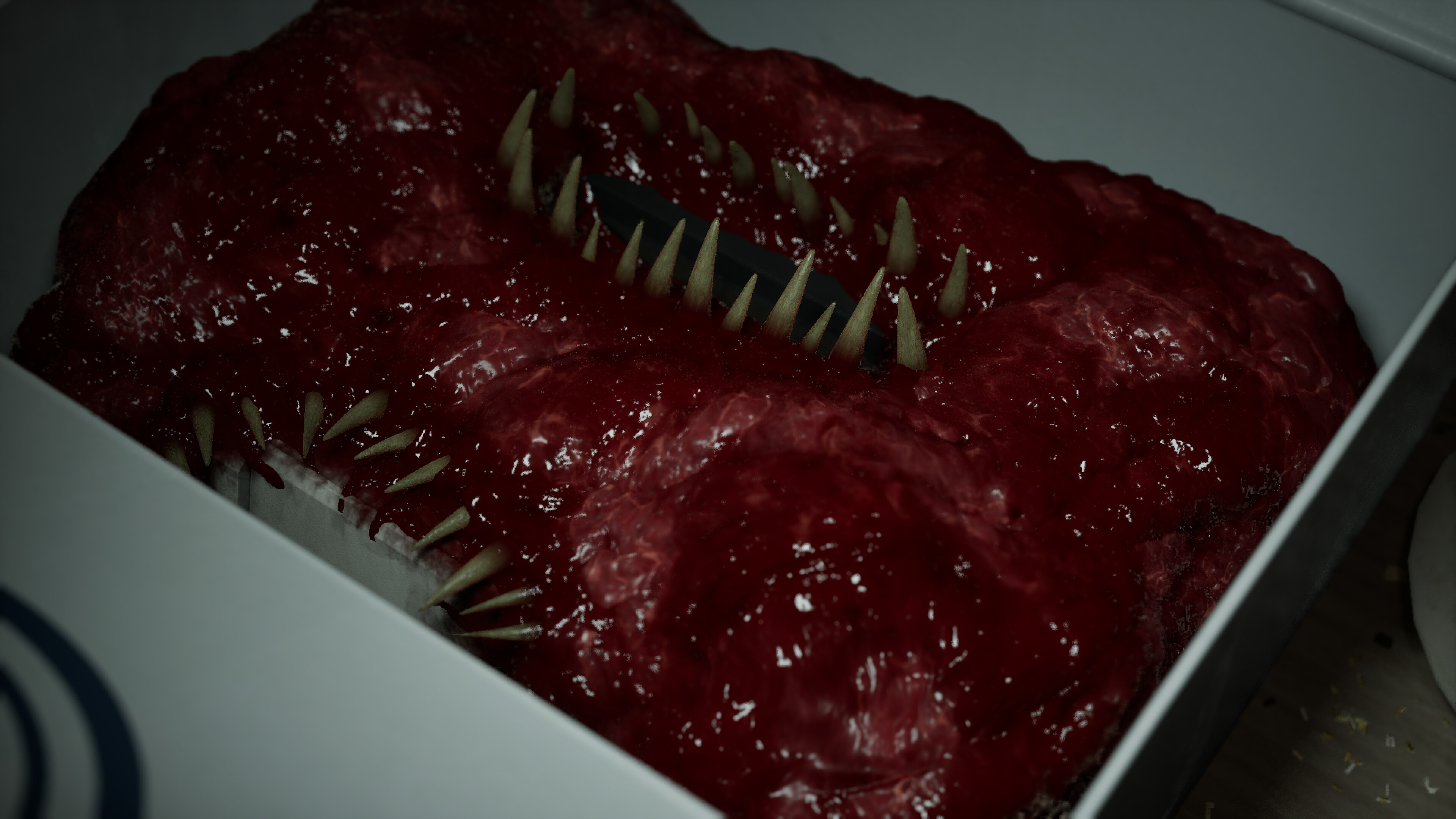
Visually, the game plays two tones against each other. Hyper-realistic graphics anchor the apartment horror sequences, making Hideo’s deteriorating world feel uncomfortably grounded. But the game-within-the-game uses retro, low-poly visuals — deliberately rough, almost nostalgic. That contrast creates disorientation by design. The prior BrokenLore entry, Don’t Lie, used a similar technique with its “Fantasy Boy” mini-game, a 90s-style 2D side-scroller that crashed into the hyper-realistic horror with cartoonish visuals and jarring audio. DON’T PLAY appears to push that contrast further, making the aesthetic whiplash part of the psychological experience.
Hideo’s hikikomori lifestyle and social anxiety are not window dressing. His obsession, his need for validation, his eroding sense of identity — these themes run through the entire game and shape how the horror lands. The narration is described as unreliable, which means players may not always be sure what is real and what is Hideo’s fractured perception. That kind of storytelling, handled well, can make a horror game genuinely unnerving long after the screen goes dark.
New to BrokenLore? Here Is What the Series Is and Why It Matters
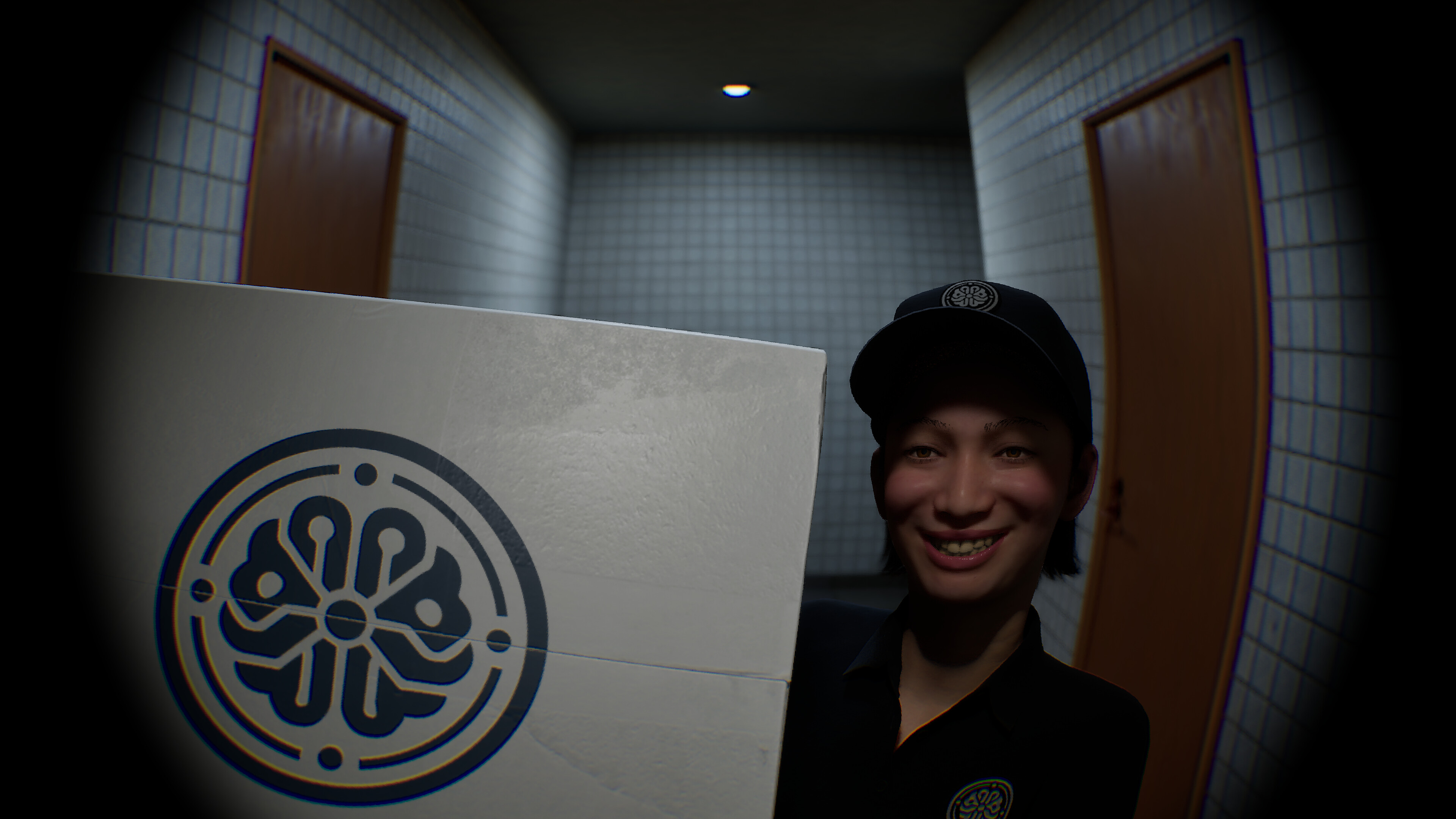

DON’T PLAY is part of a connected series developed and published by Serafini Productions. The earlier entries — Don’t Watch, which followed a character named Shinji, and Don’t Lie, centered on a character named Junko — established the shared world and mythology that DON’T PLAY builds on. Hideo actually appeared in those earlier games before stepping into the protagonist role here. A shadowy organization called Elysium Technologies ties the games together, and series veterans will find that lore expanding in meaningful ways.
For newcomers, none of that history is required. The premise of DON’T PLAY is self-contained enough to work on its own terms. A man receives a cursed console. Playing it destroys his world. That core concept needs no prior reading. The series connections are a reward for returning fans, not a wall blocking new ones.
When Does BrokenLore: DON’T PLAY Come Out?
No release date has been confirmed. Serafini Productions announced the game in April 2026, and it is currently listed as “coming soon” with a TBA status across all platforms. DON’T PLAY is heading to PS5, Xbox Series X/S, and PC via both Steam and the Epic Games Store. No demo, early access period, or beta has been announced at this stage. As an indie release, the marketing pace may move slower than what players expect from major publishers, so keeping an eye on the Steam page and Serafini Productions directly is the best way to stay current.
One minor note worth raising: some of the mechanics are introduced through inner monologue cues and environmental hints, which functions as a form of guided handholding. For experienced horror players who prefer to figure things out cold, that gentler onboarding may feel unnecessary. It is a small criticism against an otherwise ambitious design, but worth flagging for players who like their horror to trust them completely from the start.
Why DON’T PLAY Deserves a Spot on Every Horror Fan’s Watchlist
The horror genre is crowded. Jump-scare factories and atmospheric walking simulators compete for the same shelf space, and it takes a genuinely fresh angle to cut through. DON’T PLAY has that angle. The idea of a game that punishes the act of playing it — rooted in real Japanese folklore, anchored by a psychologically specific protagonist, and built on a visual language that deliberately unsettles — is not something that shows up often. The TBA release status means there is waiting to do, but the announcement alone gives horror fans something real to track. Whether DON’T PLAY can deliver on its premise when it finally arrives is the question that will define its legacy — but right now, that premise alone is doing a lot of heavy lifting. What kind of horror game would actually make someone stop playing?
BFG drafts articles with AI from our team’s own research, takes, and opinions — every piece is reviewed and edited by our staff.
📬 Get The F5 — Five F’ing Games you’ve never heard of, every Saturday, plus key giveaways. Subscribe free →