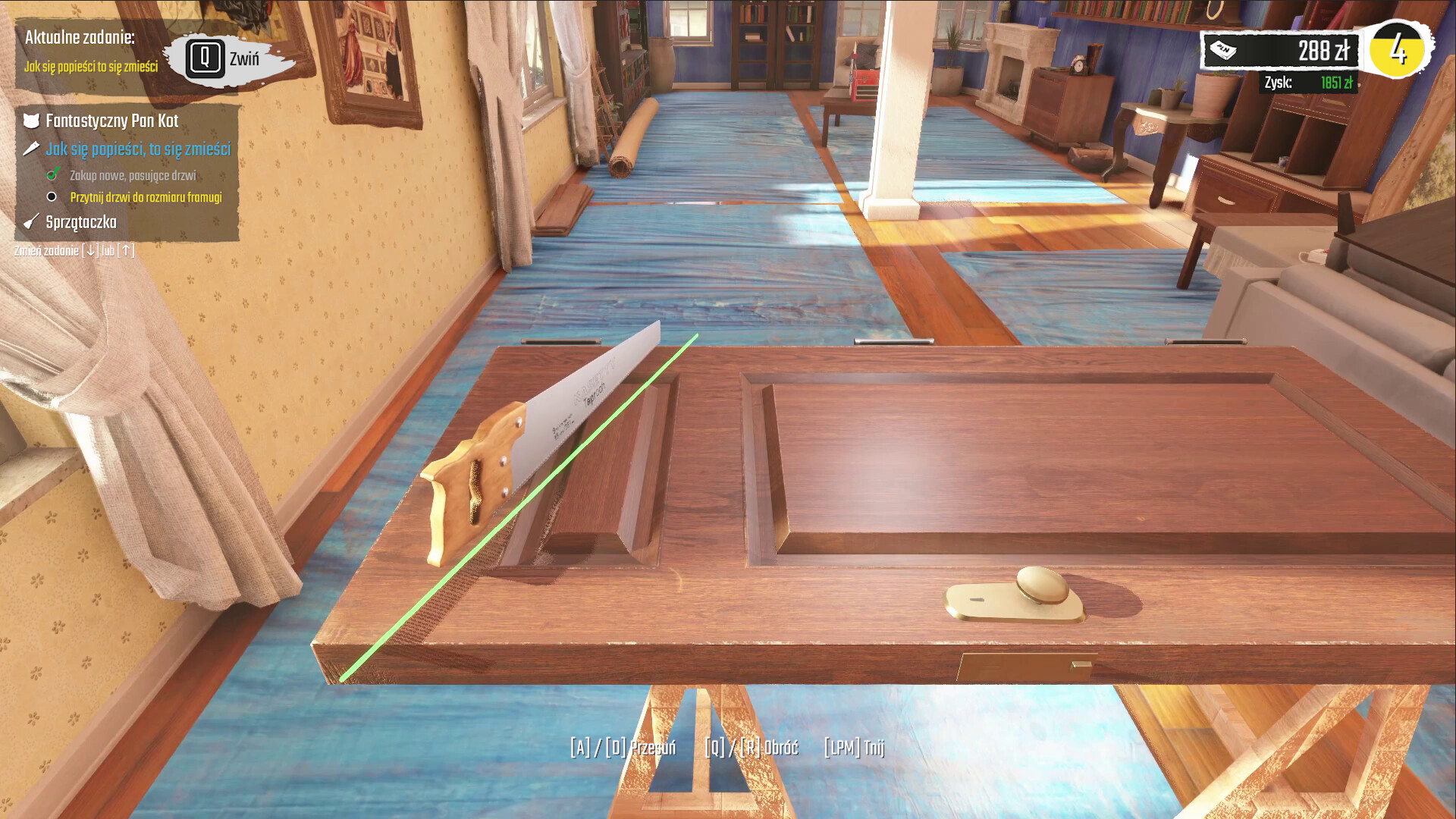

If you’ve ever looked at a crumbling wall and thought, “Well, that’s almost good enough,” then this game will speak your language. Low-Budget Repairs is an upcoming simulation adventure that tosses you into 1990s Poland as a DIY handyman who must learn the delicate dance of cutting corners to boost profits. This entire idea of “good enough” resonates with me because sometimes it’s easier (and possibly more profitable, or at least more humorous) to choose quick-fix solutions rather than polished perfection. While the game might focus on offbeat and even questionable business practices, it also delivers an in-depth look at everyday renovations—from painting walls in mismatched coats to overextending your paint with water. It is funny in the way you aren’t actually trying to fix every single thing in the best way; you just want to make it passable and move on.
The Backdrop: A Peek Into Post-Communist DIY Culture
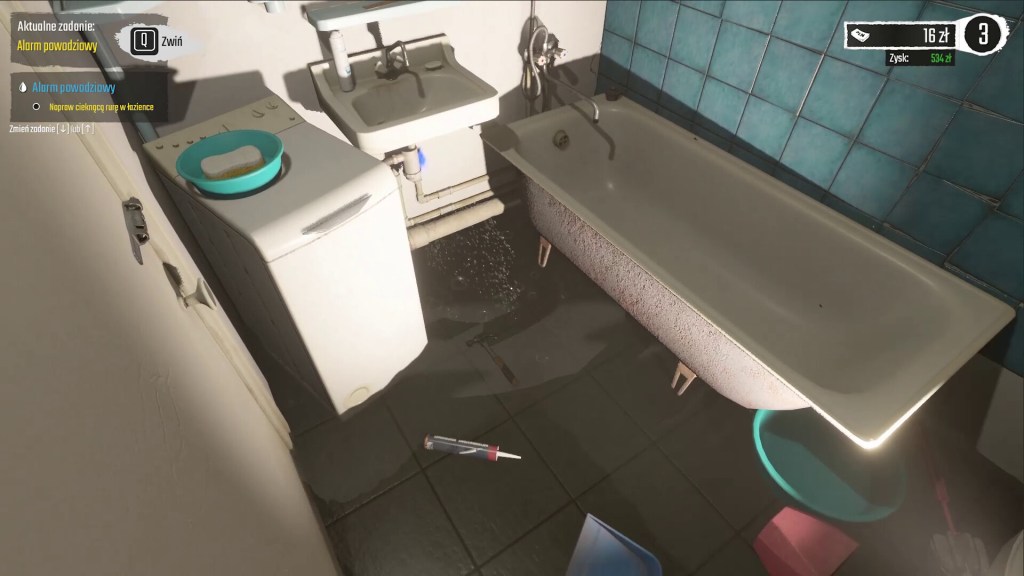
Set against the backdrop of post-communist Poland, Low-Budget Repairs immerses you in an era where do-it-yourself solutions thrived. The 1990s were a transition period marked by limited resources and a dash of creativity. People had to figure out how to make things work using whatever was on hand, which sparked a surprisingly inventive sense of problem-solving in everyday life. Suddenly, diluting paint to make it stretch or recycling old tiles became a norm, not an exception. The game unapologetically leans into that mentality, challenging you to keep clients satisfied while slyly squeezing out every profit.
Throughout your tasks, you’ll see how the game balances realism and humor. The storyline of economic pressures is captured in how you juggle money, materials, and reputation. That sense of resourcefulness is precisely what makes it so enjoyable.
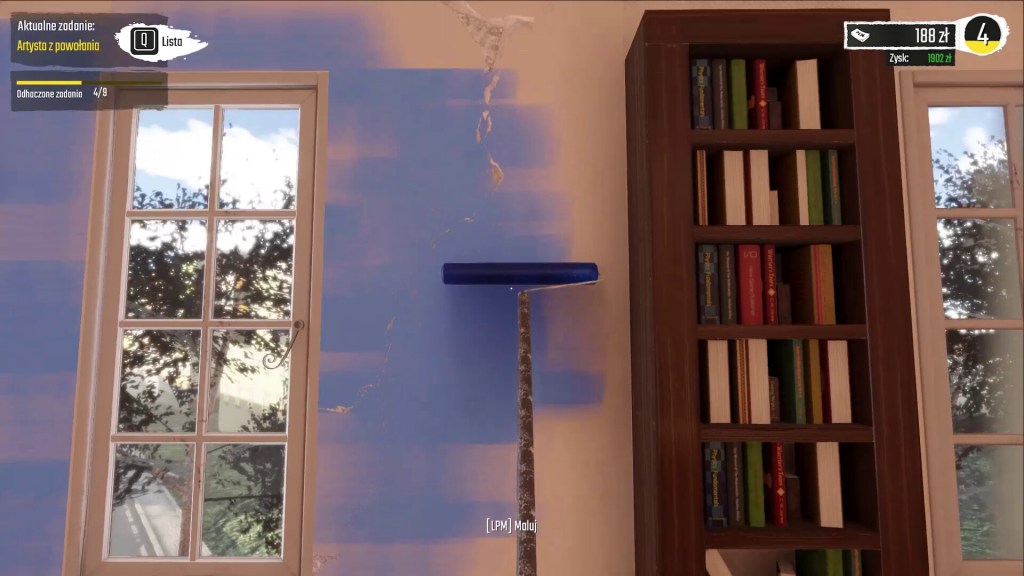
Low-Budget Repairs isn’t just about cost-saving hijinks—it also offers depth in renovation mechanics. You’ll have a chance to try your hand at painting, tiling, remodeling, and even tackling full apartment transformations.
Renovation Missions and Hands-On Projects
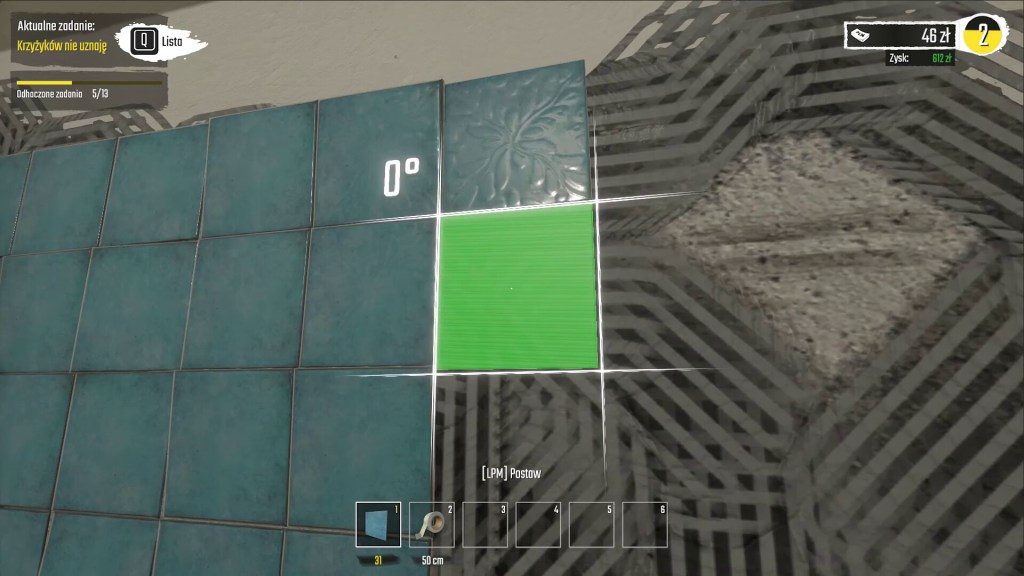
You’ll handle typical home improvement tasks such as giving drab walls a new coat of paint, fixing up leaky rooftops, installing floor tiles, and eventually upgrading entire living spaces. It almost feels like a genuine renovation simulator—except you’ll approach each project with the mindset of “Will this be good enough to pass the inspection?” That tension is part of the fun. You can put in genuine effort or cut corners by layering paint on cheaply and praying it stays put until everyone’s out the door.
Painting in this game offers a particularly interesting challenge. If you’re feeling frugal, you might start diluting the paint to make it last longer. It’s a quick way to save money, but it might also mean the color ends up streaked or fades more quickly. Tiling might involve scrounging leftover tile scraps or skipping a layer of underlayment. Managing resources while getting the job done is a balancing act that never feels stale.
Trying Out Clever Ways to Cut Corners
The Art of Cutting Corners is the heart of Low-Budget Repairs, and it gives the game its unique charm. On paper, it might sound like you’re just skimping on materials to make a bigger profit, but there’s a pinch of humor that’s hard to resist. The game encourages you to push the limits: what if you replace high-grade cement with a cheaper alternative, or leave one coat of paint where two are needed?
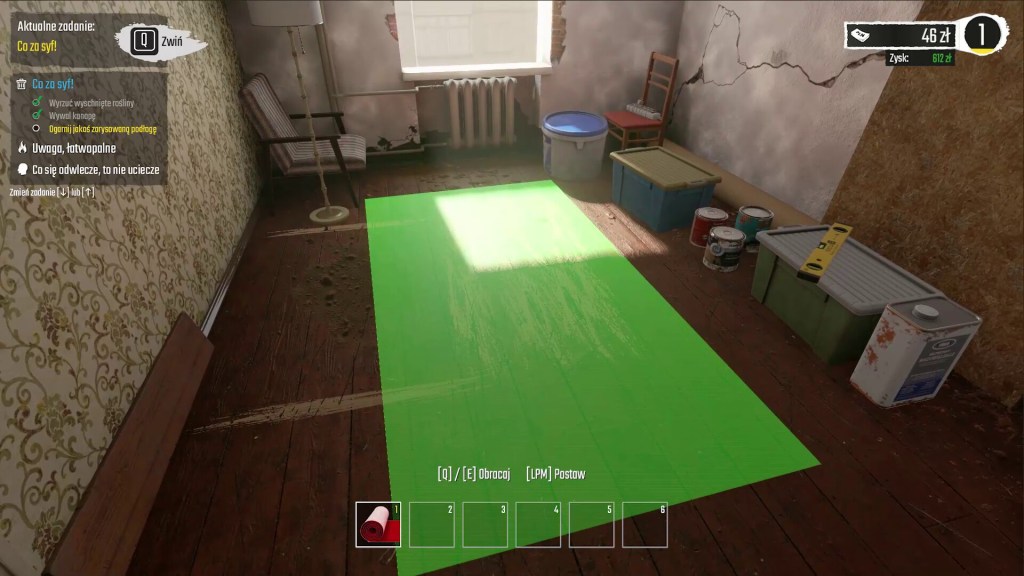
I find it funny that your main goal isn’t necessarily a pristine renovation. Instead, you might pour old used paint into a new bucket, add water, stir it around, and hope your client can’t tell. It feels like living on the edge, all for the sake of saving a few zlotys. The story animates your moral dilemma: Do you go for extra profit or maintain a sliver of honesty? It’s completely up to you.
Resource Management and Maintaining Your Clients
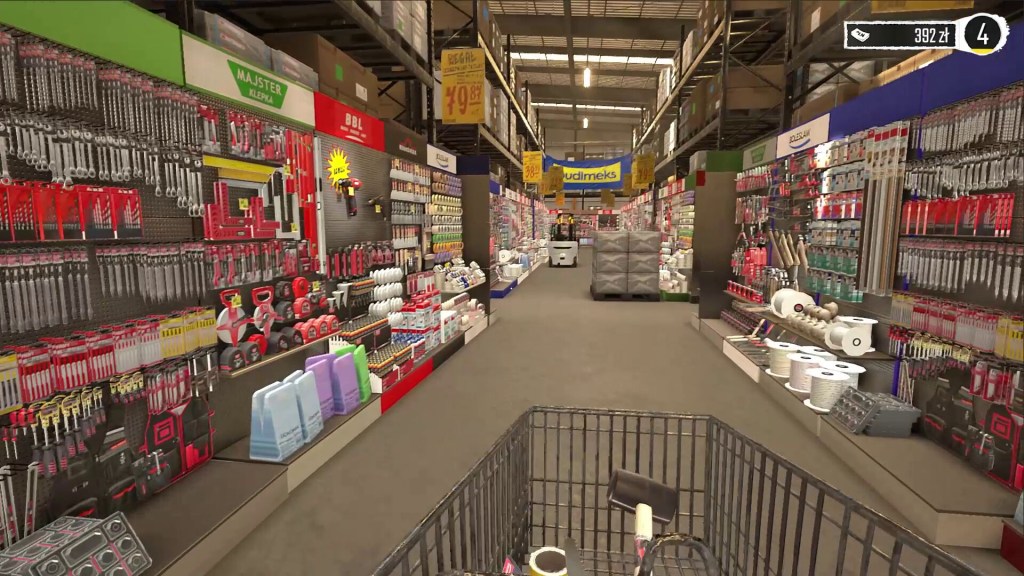
Budgeting is central in Low-Budget Repairs. As you move from one project to the next, you have to think about how much you can invest in materials and how much you might earn if you take shortcuts. Yet you also manage your reputation, which can shape your future jobs. That means consistently skipping out on quality might come back to haunt you—if enough customers realize your quick fixes aren’t holding up.
Whenever you purchase supplies, you’ll juggle prices, weigh risks, and plan how to stretch out what’s in the shed. It’s a tension that captures the spirit of the time period, when money was tight and corners were often cut. Some players will love the thrill of turning a bigger profit, while others will want to experiment with whether a more thorough job can bring stability. Both roads are open.
Unpredictable Fun and Hilarious Outcomes
One of the biggest perks of playing a game that embraces shoddy work is how many surprising moments pop up. You might see a client’s sofa flying out the window because you measured incorrectly and the furniture can’t fit through the door. If you’ve only half-secured the kitchen cabinets, they might come crashing down at the worst possible moment. These wild mishaps highlight the comedic side of corner-cutting.
While it’s never your goal to make an absolute mess of someone’s home, watching these fiascos unfold certainly adds to the charm. At times, the game makes you want to see how far you can go without everything collapsing. It’s that comedic tension that keeps you glued, giggling, and slightly worried about the consequences.
Growing Your Questionable Empire
As you become more infamous—or maybe just known—you’ll see offers rolling in for even bigger renovations. Instead of a single room, you might be tasked with an entire apartment or even multiple properties. Each assignment challenges you to weigh profit against the cost of potential disasters. You can become a figure respected for your uncanny ability to do a decently cheap job, or garner a reputation for opting for shortcuts in every scenario.
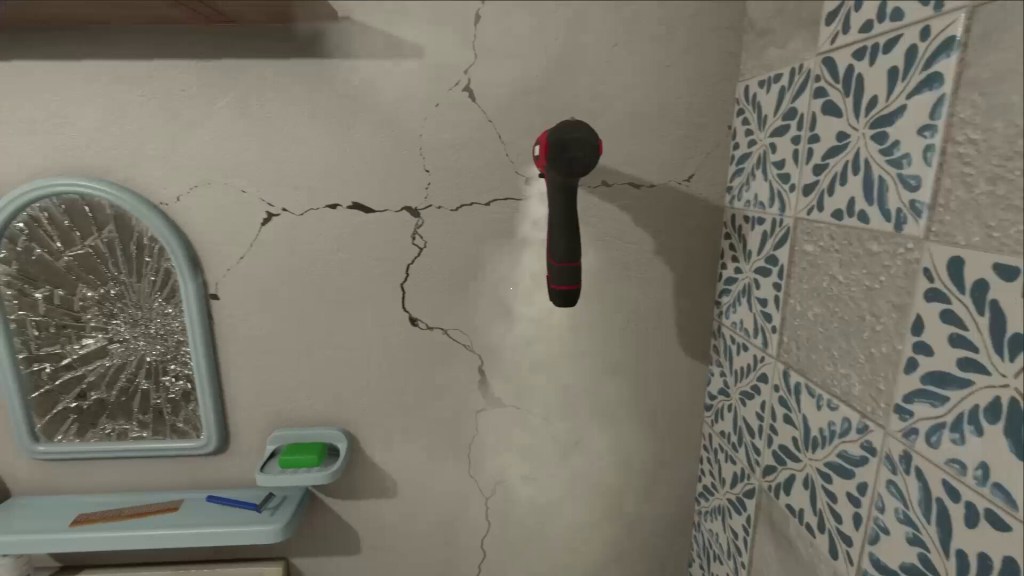
It’s a quirky journey with a surprising sense of expansion. You start off painting one bedroom, and before you know it, you’re tearing down walls or adding entire new floors to someone’s house. Whether it’s all done the right way or the “I think this might hold if I squint” way is up to you. That sense of growth and risk is part of the game’s appeal: small tasks eventually build up to major contracts with massive payoffs, if you haven’t scared off every potential client.
A Hint of Darkness in the Laughs
The humor in Low-Budget Repairs leans a bit dark because it isn’t always the friendliest way to do business. You are, after all, ripping off clients with watered-down paint or lesser materials. But that tension makes everything even more entertaining. The comedic timing—like a couch getting stuck in the doorway or cabinets toppling because you used cheap nails—fits perfectly with the game’s premise. I personally love how it captures that awkward feeling of “Ah, this might work, I think?” and then giggling when it all goes sideways.
Languages and Accessibility
Low-Budget Repairs accommodates a wide player base by offering support for 18 languages. Full audio is in the works, so you can expect to hear fun voiceovers in your native tongue if you’d like. The interface is being designed to keep it user-friendly, which is great news for those who prefer smooth menu experiences. Even though the game focuses on comedic cost-cutting, the developers haven’t cut corners with accessibility. They’re working on offering multiple language options right out of the gate.
When Does Low-Budget Repairs Release?
If you’re excited to get your hands on these shady renovation tricks, then stay on the lookout for the official launch in 2025. The developers have mentioned that playtests will begin on March 3, 2025, at 3:00 PM CET. From there, players can get an early peek and share feedback. If you’re interested in testing out how much paint you can stretch with some sneaky water additions, this might be the perfect chance to jump in. The game is expected to drop on multiple platforms, but the easiest way to track updates is through the official Steam page. If you’re a fan of comedic sim titles, keep an eye on that release window so you can snag your place among these questionable contractors.
Frequently Asked Questions (FAQ)
1. What is Low-Budget Repairs about?
Low-Budget Repairs is a simulation adventure game set in 1990s Poland, where you play as a DIY handyman running a renovation business. The twist? You’re encouraged to cut corners on jobs—dilute paint, use mismatched materials, or skip steps—to save money and maximize profits, all while navigating humorous consequences.
2. Is the game based on real historical events or just inspired by the era?
While the game is fictional, it draws heavy inspiration from the real economic and cultural challenges of post-communist Poland in the 1990s. The game reflects the DIY ingenuity of that time, when people had to be resourceful due to limited materials and low budgets.
3. What kinds of renovation tasks can I perform in the game?
You’ll take on a variety of home improvement jobs such as painting walls, tiling floors, fixing rooftops, and even full apartment remodels. The game offers depth in its mechanics, allowing you to choose between proper repairs or sneaky workarounds.
4. What happens if I cut too many corners on a job?
Cutting corners can save money in the short term, but it may lead to unpredictable and hilarious disasters—like furniture not fitting through the front door or cabinets collapsing. Consistently doing shoddy work can damage your reputation, affecting future job opportunities.
5. Will Low-Budget Repairs be available in my language?
Yes, the game will support 18 languages and is planned to feature full voiceover audio. The developers are focused on accessibility and ensuring a wide range of players can enjoy the experience in their preferred language.
6. When will Low-Budget Repairs be released?
The game is expected to launch in 2025. A playtest will begin on March 3, 2025, at 3:00 PM CET. For the latest updates on release and development, visit the official Steam page.
7. What platforms will the game be available on?
While specific platforms haven’t been officially announced, the game is confirmed for release on Steam and is expected to be available on multiple platforms. Keep an eye on the Steam store page for news and updates.