
Asbury Pines, the Early Access adventure and casual title from developer and publisher Chaystar Unlimited LLC, released on November 19, 2025, and centers players on orchestrating a town’s residents and automated production loops across past and future eras to uncover a long-buried secret. Its Early Access status makes it a useful lens for looking at how these kinds of systems-driven mystery games grow and change while still in development.
What Asbury Pines Actually Changes

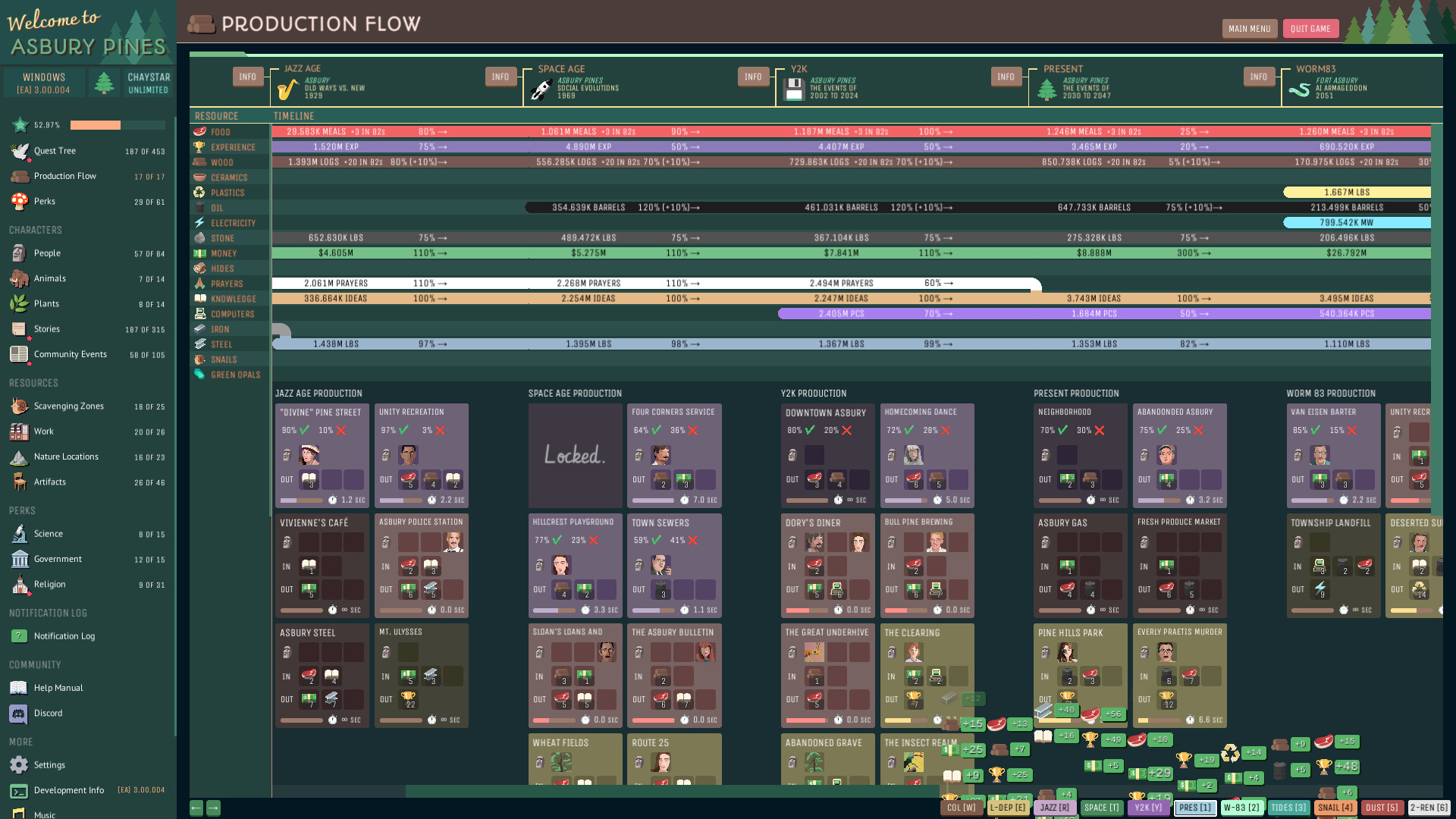

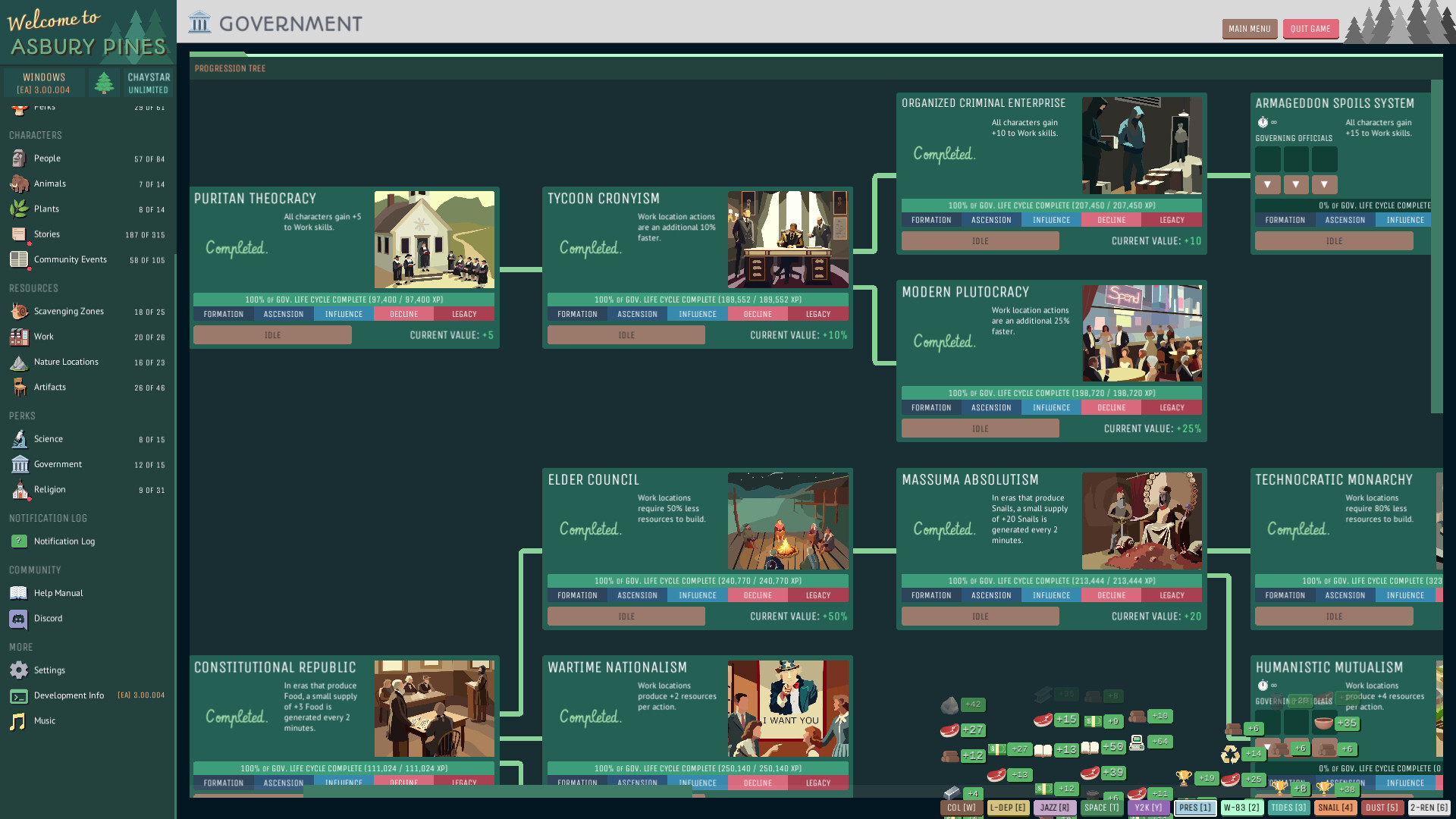
Asbury Pines doesn’t read like a studio coasting toward a finish line. The core of the experience, described directly in its official Steam page, revolves around automated production loops that link the town’s past and future timelines, the exact system that makes Asbury Pines more than a standard idle game. Residents get orchestrated across generations, resources grow, skills upgrade, and the whole thing feeds into a mystery buried across centuries of the same town. The standout system here is that orchestration itself: assigning residents to work and upgrading their skills across eras, with the payoff feeding directly into the town’s buried secret.
The Graveyard Most Early Access Games Never Escape

Most Early Access titles don’t make it very far. The pattern is familiar to anyone who has wishlisted a promising indie game only to watch its roadmap go silent: a strong launch week, a burst of forum activity, then a slow fade as updates get smaller and further apart until the game just stops. Some never reach 1.0. Some reach it without anyone noticing, because nobody was left listening on either side. That’s the fork in the road every Early Access title eventually hits: keep patching in response to players, or drift into maintenance mode and call it done. Whether Asbury Pines stays on the right side of that fork remains to be seen.
A Genre That’s Been Stuck for Years
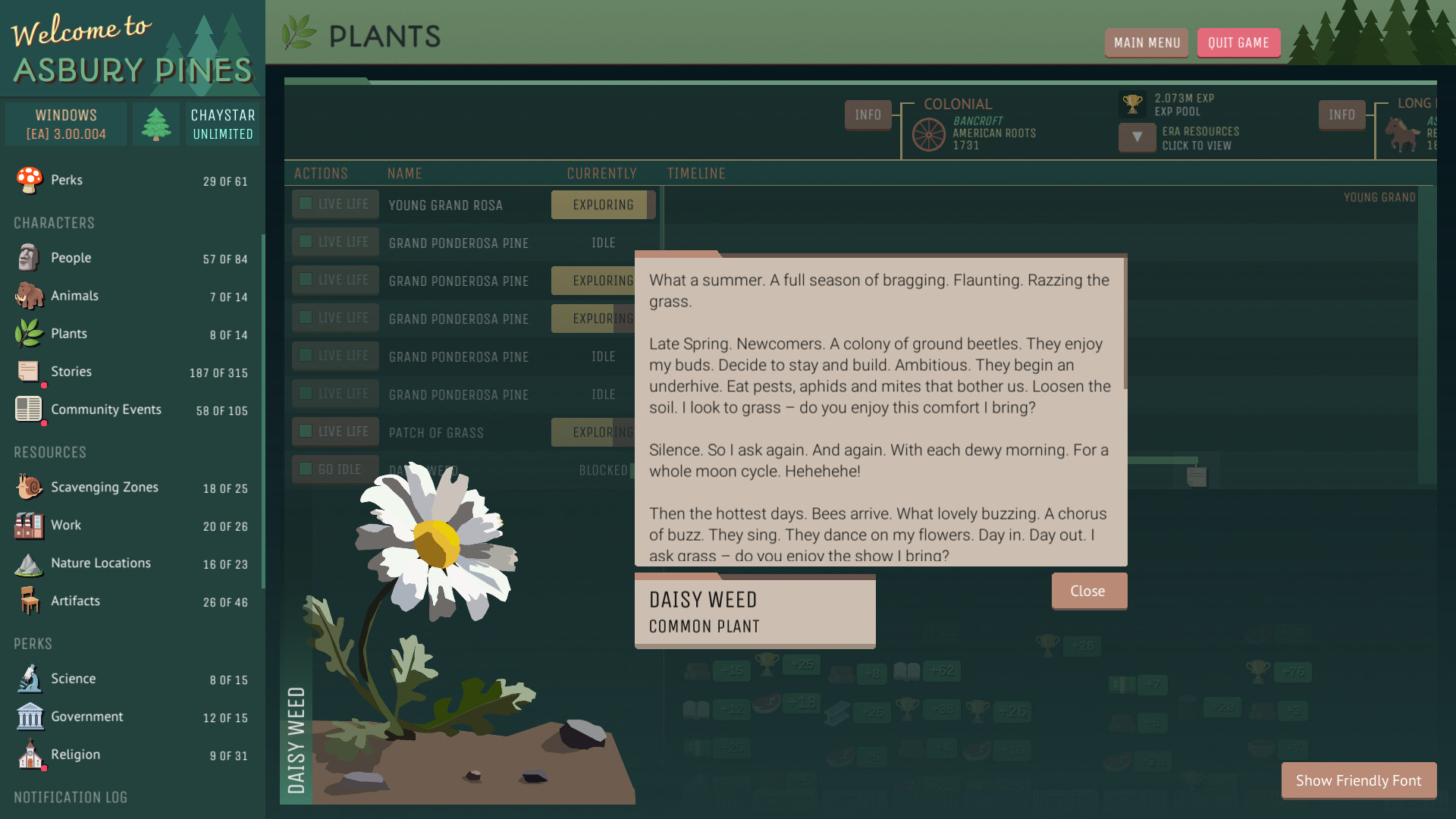


What makes this worth your wishlist slot right now isn’t just survival. It’s the genre Asbury Pines is playing in. Idle and management-adjacent storytelling doesn’t often pair automated resource systems with a heavier narrative mystery hook. This small-town mystery is one of the few titles actually attempting to move the genre forward rather than repeat it. That context changes what ongoing development here means. Every adjustment to the resource loops or the century-spanning story isn’t just bug-fixing. It’s one of the only active experiments happening in a genre that’s mostly been standing still.
The Precedent: Games That Found Themselves Mid-Cycle
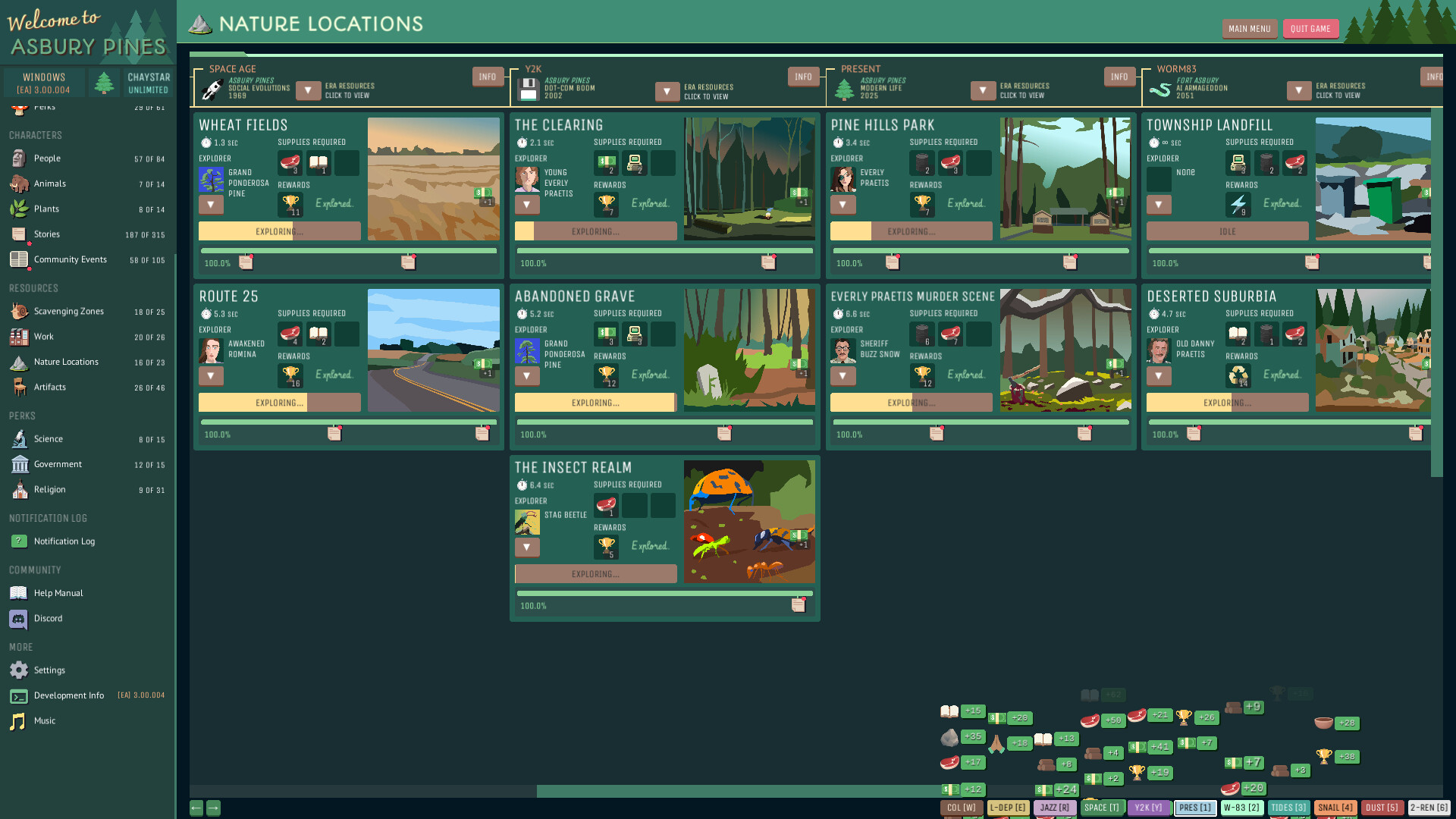



Early Access as a model exists precisely so player feedback can reshape a game before 1.0. That’s the whole premise of the label, not an exception to it. Asbury Pines is stepping into that same window right now. It hasn’t decided what it’s going to be. That’s not a knock against it. That’s the opportunity.
Why Feedback Right Now Actually Matters
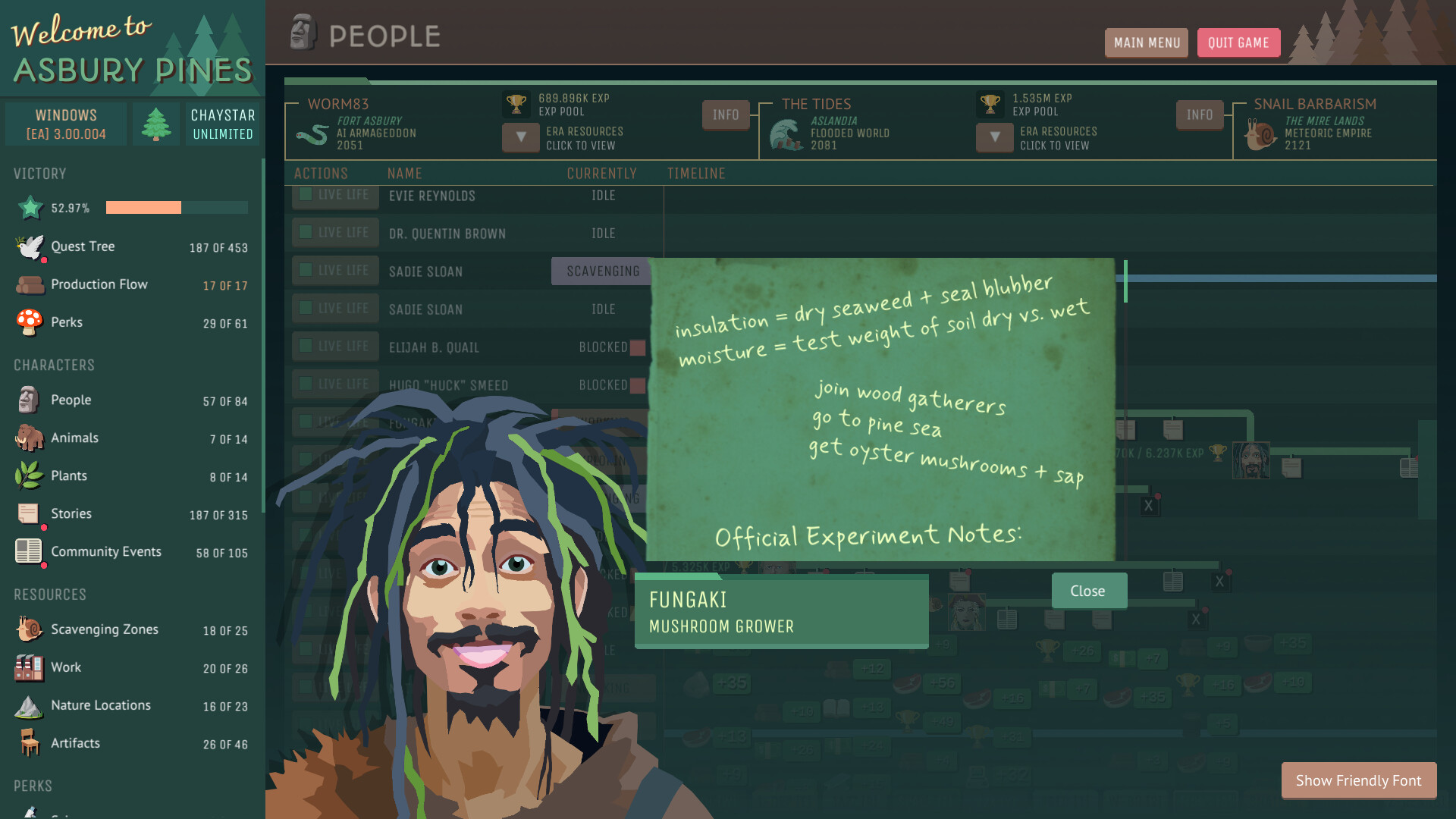

For anyone with a strong opinion about small-town sims, time-loop mechanics, or automated resource chains, this is the moment that opinion has weight. Chaystar hasn’t locked the production-loop system or the pacing of its central mystery. A complaint about how skills upgrade or how resources flow between eras posted today has a real shot at showing up altered in a future update. That’s not always true of Early Access games. Plenty of studios treat the label as a formality while the actual design is already frozen behind the scenes. Nothing about Asbury Pines’ current state suggests that’s happening here. The system is still open for argument, and arguing well is exactly what has shaped other successful Early Access titles before they became what they are now.
None of this comes without risk. Extended time in Early Access is exactly the point where some studios lose the thread entirely, where “still in Early Access” stops sounding like a promise and starts sounding like an excuse for a project that’s quietly stalled. Chaystar hasn’t crossed that line, based on what’s visible now. But the margin between “still being shaped” and “just still unfinished” is thin, and it gets thinner with every update that doesn’t meaningfully move the game forward. The town’s central mystery and its production-loop concept are the game’s core hook. Whether that hook survives intact through continued development remains to be seen.
That unsettled state is the actual story, not a placeholder before some final verdict arrives. Asbury Pines hasn’t finished deciding what kind of game it is, and that arguable, moldable condition is precisely why it’s worth paying attention to now rather than waiting for a polished 1.0 release to form an opinion. What would it take for a small-town, time-spanning idle sim to finally break the mold that idle-game storytelling has been stuck in for years?
F.A.Q.
What is Asbury Pines about?
Asbury Pines is a small-town mystery game where players orchestrate the town’s residents and automated production loops across different eras to uncover a long-buried secret. It combines adventure and casual gameplay elements, focusing on resource management and skill upgrades to progress through the story.
When was Asbury Pines released?
Asbury Pines was released on November 19, 2025, as an Early Access title. Developed and published by Chaystar Unlimited LLC, it offers players a chance to experience the game while it’s still under development, with ongoing updates and improvements based on player feedback.
Does Asbury Pines have Steam Achievements?
Yes, Asbury Pines includes Steam Achievements as one of its features. Players can unlock these achievements as they progress through the game, adding an extra layer of challenge and goals to strive for while unraveling the mystery of the town.
What platforms is Asbury Pines available on?
Asbury Pines is available on PC through Steam. The game supports features like Steam Cloud and Family Sharing, allowing players to access their saved games from different devices and share the game with family members on Steam.
Is Asbury Pines worth playing?
Asbury Pines is worth playing if you’re interested in a unique blend of adventure and casual gameplay with a strong narrative mystery. Its focus on automated production loops and resource management sets it apart, offering an engaging experience for fans of small-town mystery games.
What type of game is Asbury Pines?
Asbury Pines is an adventure and casual game with a focus on orchestrating a town’s residents through automated production loops. It combines elements of time management and resource growth with a narrative-driven mystery that unfolds across past and future timelines.
How do skills upgrade in Asbury Pines?
In Asbury Pines, players upgrade skills by orchestrating the town’s residents across different eras. As they assign residents to work and manage resources, skills improve over time, contributing to the progression of the story and unveiling the town’s long-buried secrets.
BFG drafts articles with AI from our team’s own research, takes, and opinions — every piece is reviewed and edited by our staff.